
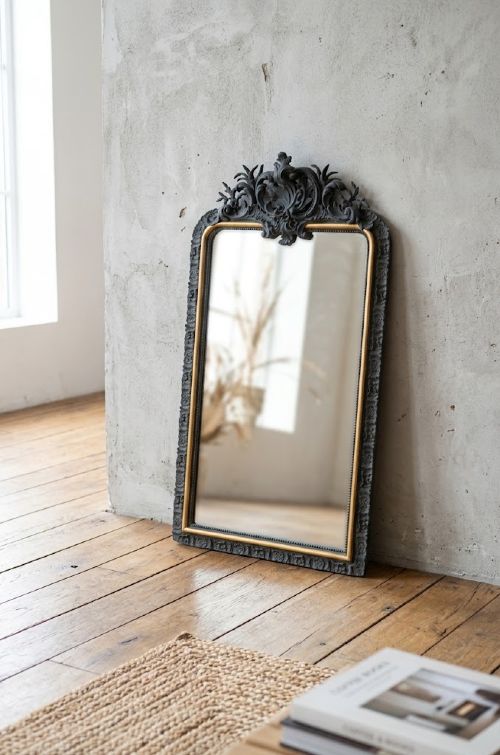

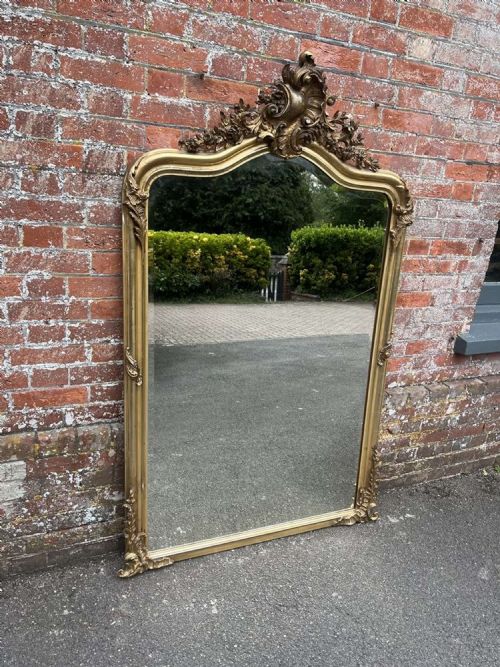
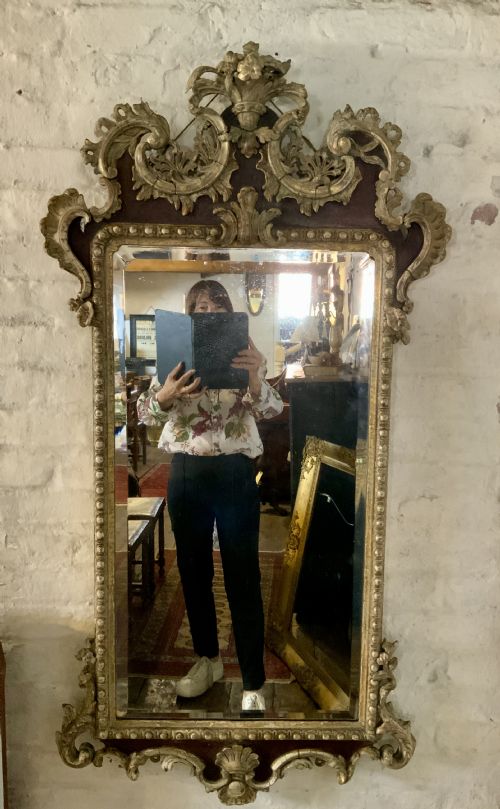
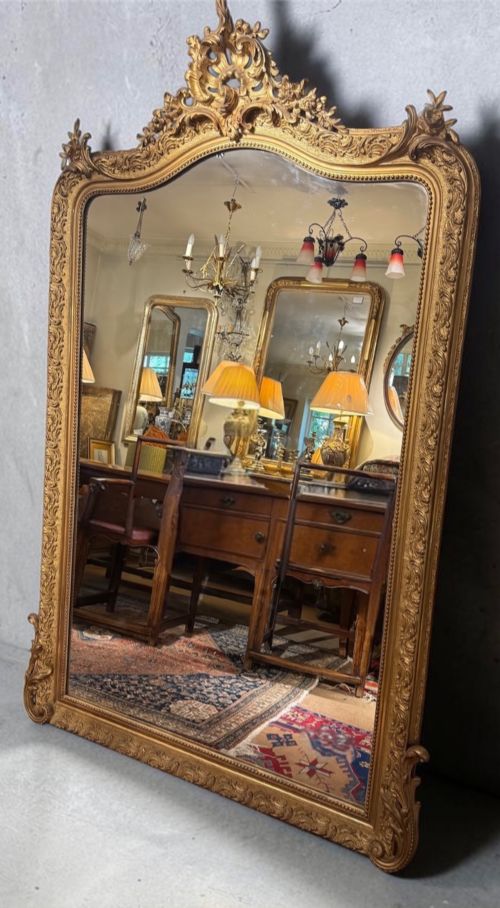

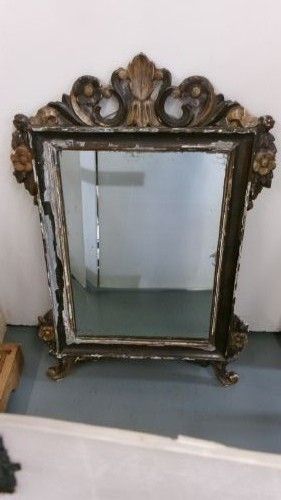


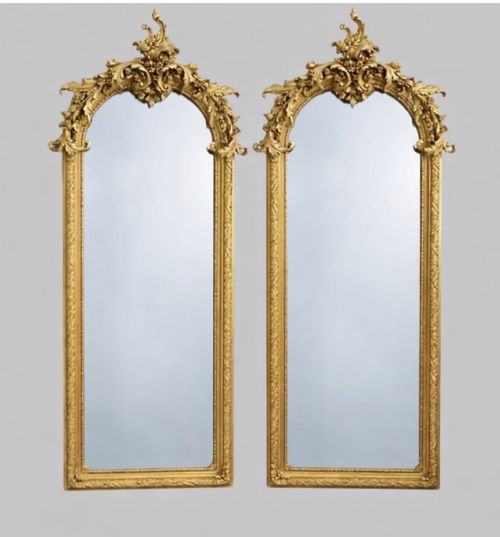


Vintage Giltwood Pier Mirror
A vintage giltwood pier mirror brings vertical elegance and reflected light to a room, drawing the eye with carved detail and gilded warmth.
Vintage Giltwood Pier Mirror
When you search for a vintage giltwood pier mirror, you are looking at tall, stately looking glasses designed historically to hang on the narrow wall space, or pier, between two windows. On this page, the pieces you will most likely meet are grand 19th-century French examples, alongside Georgian, Regency, and early 20th-century variants.
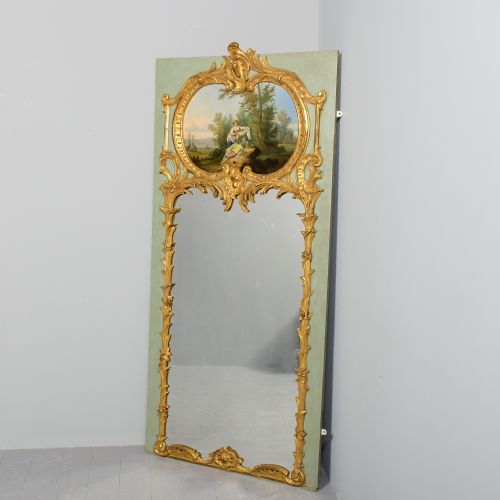
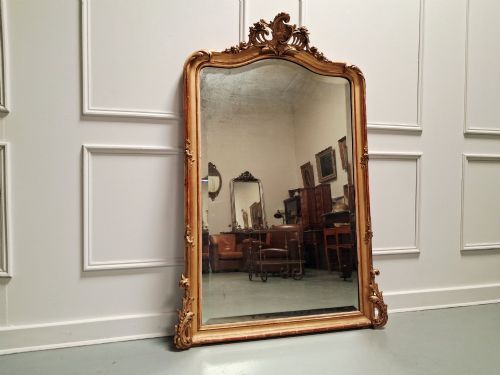
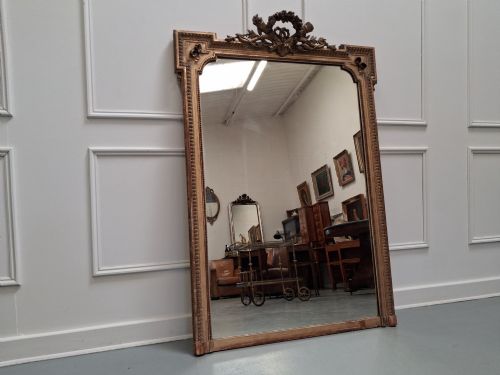
The selection ranges from simple carved wall formats to monumental shaped-top designs, trumeau panels, and even console table and mirror sets. Styles span from Rococo Revival and Louis XV mannerisms to clean Regency lines, reflecting centuries of decorative arts traditions.
Originating predominantly from French and English workshops, these mirrors served both a practical purpose for illumination and a grand architectural function in formal reception rooms. Their tall proportions remain well-suited for anchoring high ceilings and narrow wall spaces in contemporary interiors.
Materials and construction methods
Makers typically built the structural frames from solid timbers such as pine, oak, walnut, or carved wood, preparing the surfaces with layers of gesso to receive intricate ornamentation. Artisans then applied thin sheets of gold leaf by hand over the prepared gesso and bole, burnishing the metal to achieve a rich metallic lustre.
Many pieces incorporate mirrored glass or canvas panels, sometimes featuring painted details within trumeau frames. The carved elements - ranging from floral motifs to elaborate rocaille scrolls - rely on traditional woodworking and carving techniques handed down through generations of guild craftsmen.
Many of these mirrors have spent centuries secretly watching dinner parties, scandalous gossip, and forgotten family pets pass by.
Judging the quality of the finish and frame
The distinction between standard examples and superior pieces rests in the crispness of the hand-carved wooden details and the depth of the gesso relief beneath the gilding. Skilled craftsmanship shows in the fluid movement of scrollwork and the careful alignment of mitred frame joints.
Originality of the components plays a significant role, as the best mirrors retain their primary glass plates, underlying wooden backs, and untouched gilt surfaces that have mellowed naturally over time. The quality of the gilding technique - how evenly the gold leaf adheres and how well the burnished highlights catch the light - separates everyday items from masterworks.
The Vintage Giltwood Pier Mirror Glossary
- Giltwood
- Wood that has been coated with gold leaf or gold powder. This surface finish gives the frame its characteristic metallic brilliance and warmth.
- Pier glass
- A tall mirror designed specifically for the narrow wall space between windows. These mirrors often stood above low console tables.
- Trumeau
- An architectural term for a pier or wall section between openings, applied here to mirrors that incorporate painted panels or artwork above the glass. They were popular in French interior design.
- Gesso
- A plaster-like mixture applied to wood frames to create a smooth surface for gilding. It also allows carvers to model fine relief details.
- Rococo
- An 18th-century artistic style characterised by asymmetry, scrollwork, and organic plant motifs. Revival pieces from the 19th century adopted these flowing, exuberant shapes.
Vintage Giltwood Pier Mirror: Frequently Asked Questions
Where should I hang a pier mirror?
Historically, these tall mirrors hung on the narrow wall space between two windows to bounce natural light deep into a dark room. Today, they work remarkably well in hallways, above fireplaces, or in living rooms to create an illusion of height and expanded space.
Because of their vertical proportions, ensure the wall structure can support the weight of the timber frame and glass plate securely using appropriate fixings.
How do I clean a giltwood frame?
Dust the carved surfaces gently with a very soft, dry brush or feather duster to remove loose particles without disturbing the delicate gold leaf. Avoid using any water, chemical sprays, or abrasive cloths, as moisture can lift the gesso and ruin the historic gilding.
For the glass plate, apply a mild glass cleaner to a cloth rather than spraying directly onto the glass, preventing any liquid from seeping behind the frame edges.
How can I tell the period of a mirror?
Examine the construction methods visible on the reverse, including the type of wood, hand-cut nails, and the style of the timber joinery. The framing style, carving depth, and the formulation of the gesso also offer strong clues to whether a piece originates from the Georgian, Regency, or Victorian eras.
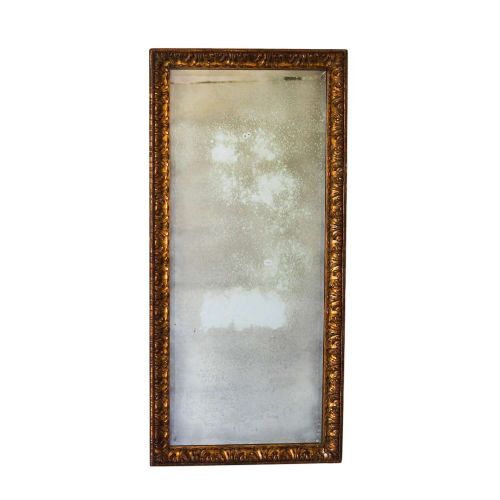
Look closely at the mirror plate itself for subtle distortions, tiny bubbles, or foxing, which often indicate older glass manufacture.