


Vintage Gilt Mantle Glass
Vintage gilt mantle glass brings together overmantel mirrors, carriage clocks, and lustres with gilded surfaces that brighten a room.
Vintage Gilt Mantle Glass
A buyer examining vintage gilt mantle glass encounters a diverse assortment of overmantel mirrors, mantel clocks, and table lustres. These objects stem from the eighteenth, nineteenth, and early twentieth centuries, reflecting various historical periods including the Regency and Victorian eras.
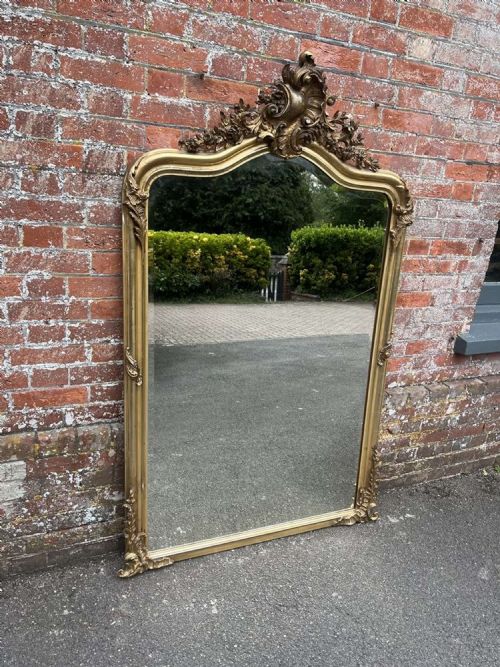
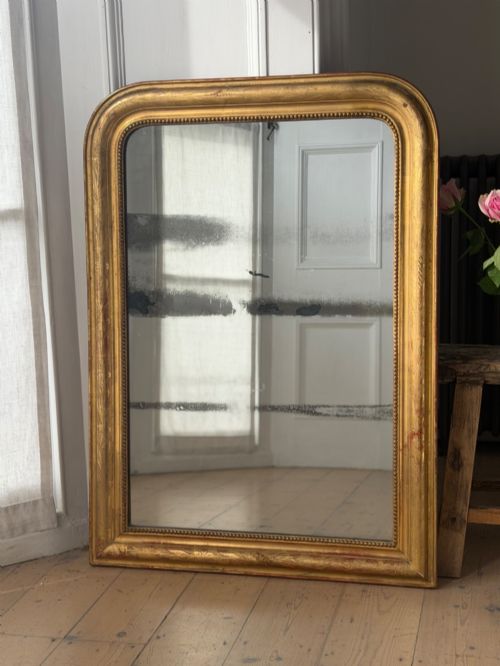
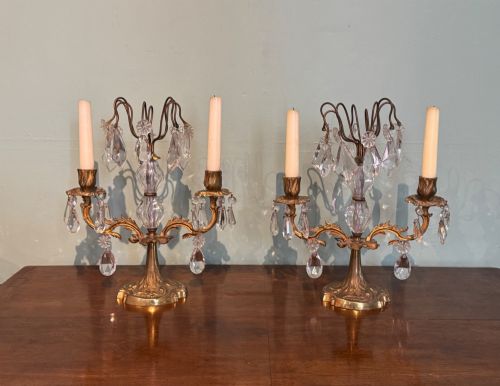
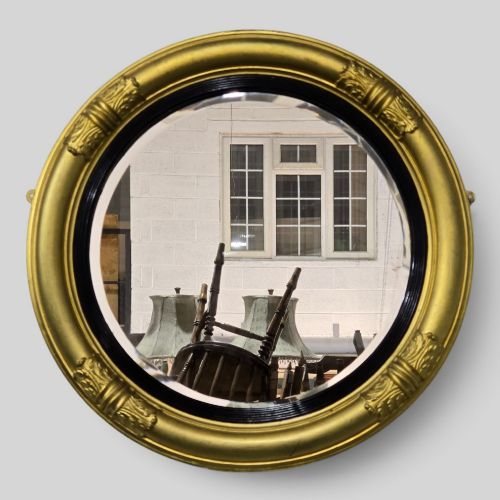
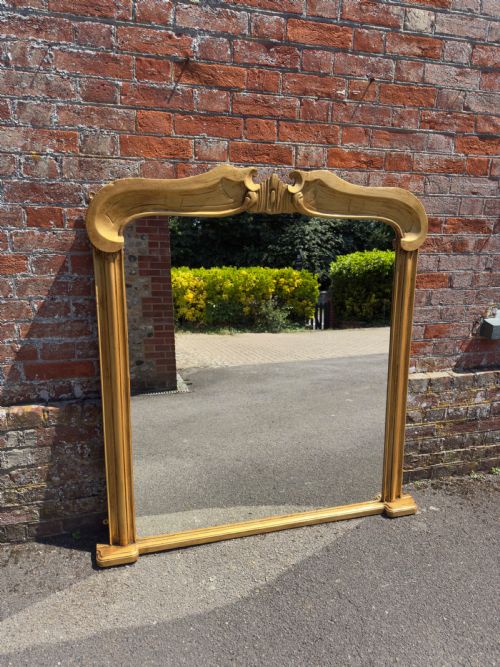
Mirrors dominate the selection, particularly large carved wood and gesso overmantel designs shaped with arched or serpentine tops. Alongside these hang wall mirrors, table lustres with crystal drops, and brass carriage clocks housed in glass panels.
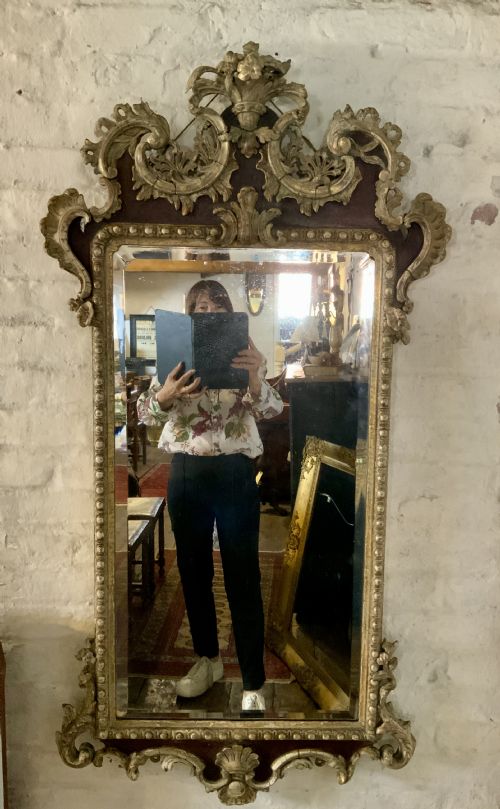
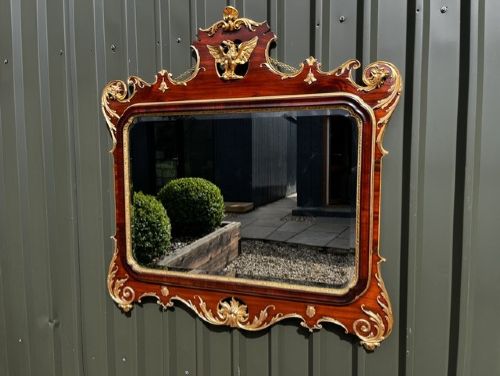
French and English origins predominate amongst the listed items, showing distinct regional preferences in moulding profiles and ornamental carving. Pieces range from restrained walnut frames to heavily ornate Rococo Revival designs featuring extensive gilding.
Distinctions in Quality
Depth and precision of the hand-carved ornamentation separate standard frames from superior examples, where crisp acanthus leaves and scrollwork retain their sharp edges beneath the gilding. The application of genuine gold leaf yields a warmer, more enduring lustre than later overpainted substitutes.
Originality of components dictates overall merit, particularly when mercury glass plates, original clock movements, or hand-blown glass domes remain intact. Frames that retain their original gesso build-up without excessive modern patching hold greater integrity.
A four-glass clock with a ships wheel detail brings maritime charm directly to the mantelpiece.
The Vintage Gilt Mantle Glass Glossary
- Overmantel mirror
- A large horizontal mirror designed specifically to hang above a fireplace mantelpiece. These frames often feature arched or shaped tops to fit architectural proportions.
- Gesso
- A plaster-like mixture applied to carved wooden frames to create a smooth surface for gilding. It allows craftsmen to model intricate relief ornamentation.
- Foxed glass
- Mirror glass exhibiting dark spots and speckles caused by the degradation of the reflective backing over decades. This ageing process creates a characteristic mottled appearance.
- Table lustre
- A decorative ornamental candlestick hung with crystal glass pendants or drops. They refract candlelight through the suspended prisms.
- Ormolu
- Finely chased and gilt bronze ornament applied to furniture and clock cases. The technique involves coating base metal with a mercury and gold amalgam.
Vintage Gilt Mantle Glass: Frequently Asked Questions
What defines an overmantel mirror?
An overmantel mirror is built specifically to sit on the wall directly above a fireplace opening. Its proportions are traditionally wider than they are tall to span the length of the mantel.
Craftsmen designed these pieces to reflect natural light from windows back into the room. They frequently incorporated heavy giltwood frames to serve as the visual anchor of a formal reception space.
How do carriage clocks function?
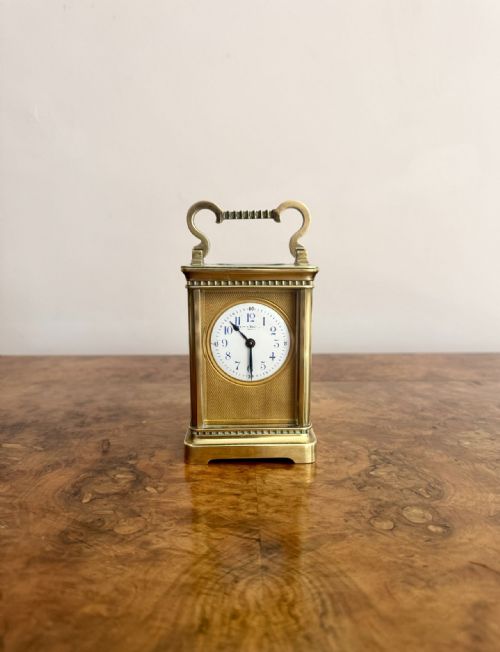
Carriage clocks are portable spring-driven timepieces originally built for travellers in the nineteenth century. They feature glass panels on all sides to allow visibility of the internal mechanism.
Most examples include a swinging escapement and a folding handle on top. They sit upon small feet and often incorporate striking or repeating complications.
What are table lustres used for?
Table lustres function as decorative candleholders adorned with cut glass pendants known as drops. The suspended prisms catch and multiply the flickering light of candles.
Placed on sideboards or mantelpieces, they served an ornamental purpose during dinners and evening gatherings. Their glass construction creates a sparkling visual effect.
How can I identify nineteenth century frames?
Nineteenth-century frames rely on carved wooden structures coated in thick layers of gesso. The detailing often draws inspiration from French Rococo or Louis Philippe revival styles.
Closer inspection reveals hand-applied gold leaf rather than modern metallic paint. The wooden backing boards and fixings also show the hand tools of their period of manufacture.