





Vintage Gilt Bed
A vintage gilt bed brings undeniable theatricality to a room, offering grand proportions and a reflective metallic sheen.
Vintage Gilt Bed
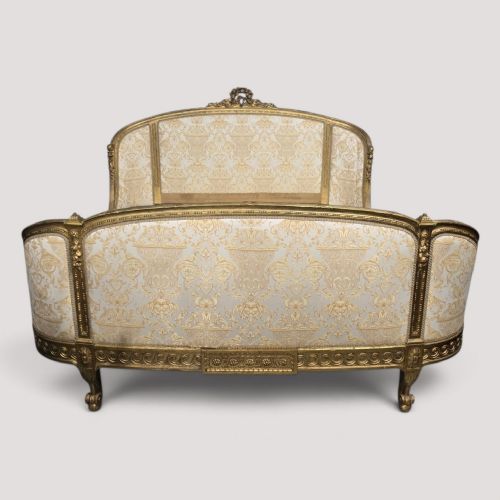
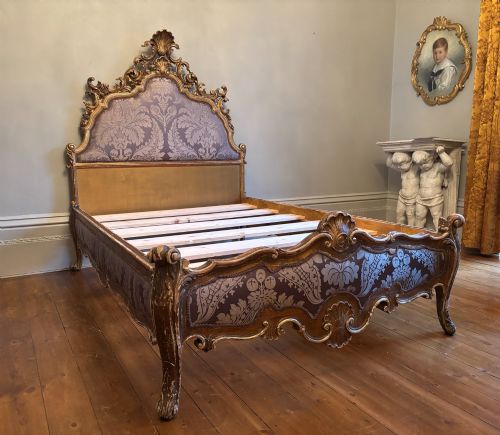
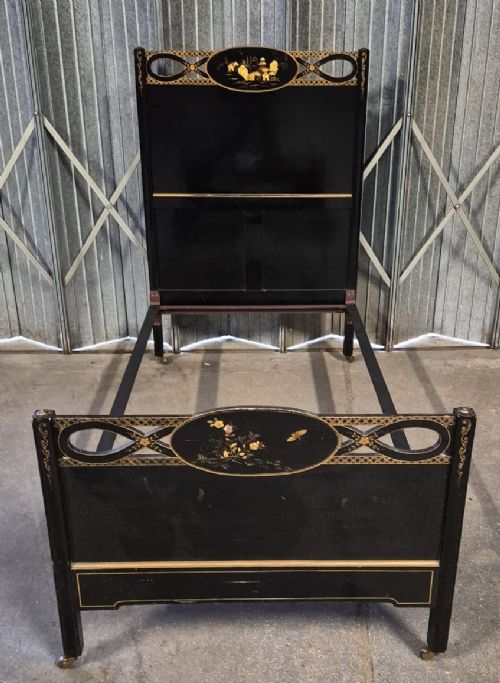
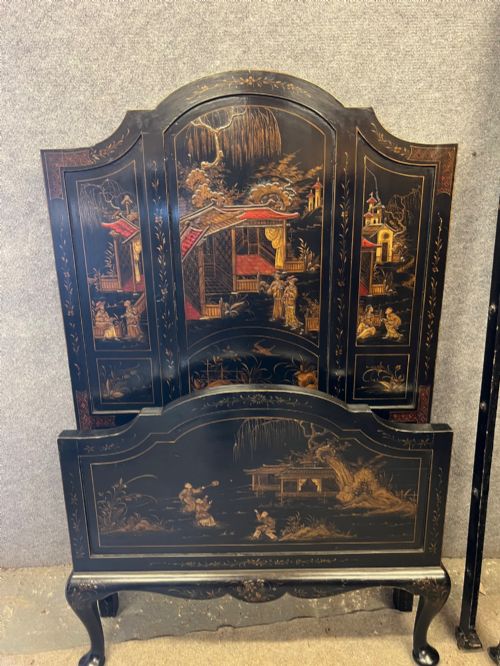
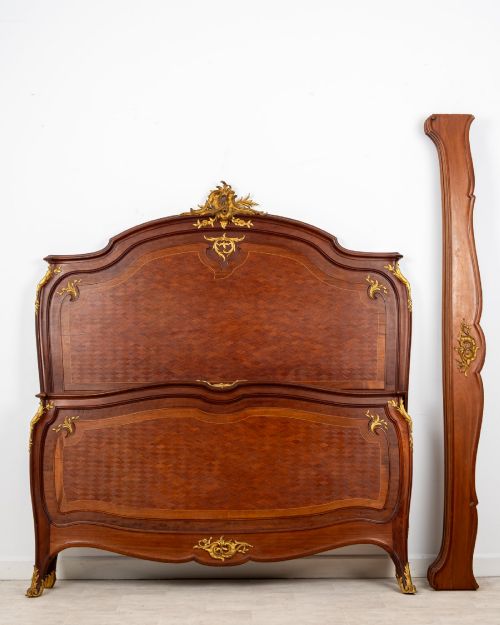
A vintage gilt bed encompasses substantial wooden frames finished with gold leaf or metallic paint, often taking the form of French revival, Chinoiserie, or Italian Rococo pieces. These statement bedroom centrepieces emerge from periods spanning the late nineteenth century through the early twentieth century, alongside select Regency examples.
Buyers encountering this selection will frequently find grand king size proportions or single bedsteads featuring ornate carved details. Many examples integrate contrasting timbers such as mahogany, walnut, or kingwood beneath their gilded surfaces, while others incorporate woven cane panels or painted finishes.
Beyond standard bed frames, the broader category occasionally encompasses day beds, matching bedside cabinets, and related furnishings sharing the same decorative vocabulary. The overriding aesthetic is one of layered historical revival, drawing heavily on French Empire, Louis XV, and Neoclassical vocabularies.
Materials and construction methods
Makers constructed these frames from solid hardwoods like mahogany, walnut, and kingwood, providing a stable structural base for subsequent decorative treatments. Carved wooden elements were then meticulously finished with thin layers of gold leaf or parcel gilding applied over preparation grounds.
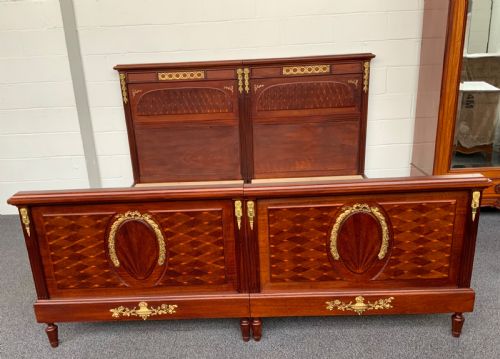
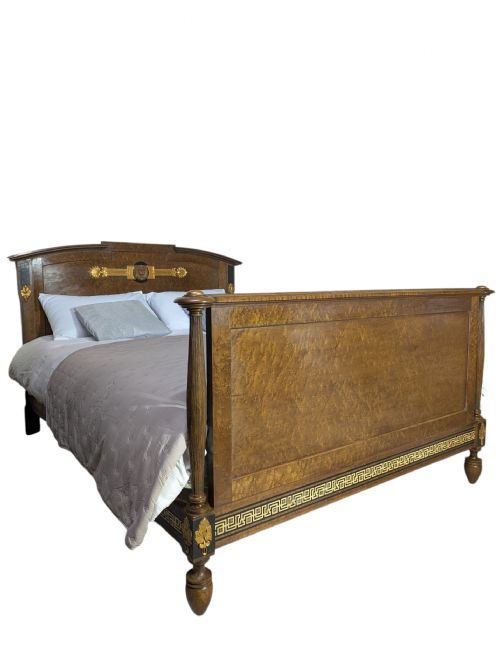
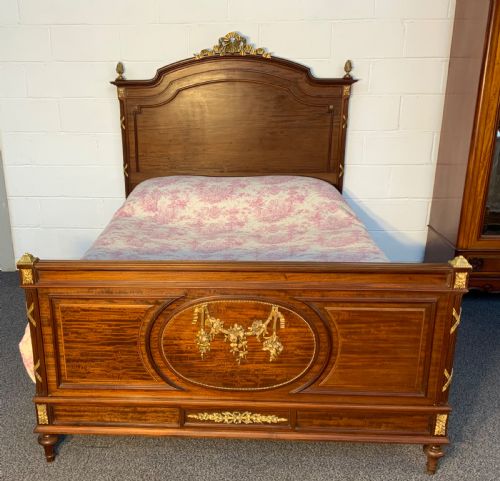
Metal mounts in brass, ormolu, and gilt bronze appear frequently, secured to the wood to accentuate structural corners and focal points. Fabric upholstery, caning, and painted surfaces frequently accompany the gilding, introducing textural contrast to the headboards and footboards.
Vintage Gilt Bed Retail Price Guide 2026
Typical asking prices for vintage gilt bed among the pieces listed under this phrase on Sellingantiques today, from the lower quarter to the upper quarter. They describe what is for sale here now, not the wider market.
The listings show a strong representation of nineteenth century and Edwardian pieces, featuring giltwood, mahogany, walnut, and ormolu mounts.
Evaluating craftsmanship and condition
Quality rests primarily in the crispness of the hand-carved wood elements and the finesse of the underlying joinery. Finer pieces display deeply articulated foliage, scrolls, and moulding that retain their structural integrity despite decades of use.
The application of the gilt finish itself dictates the visual success of the piece, with superior examples showing nuanced ageing and hand-applied metal leaf rather than flat modern paint. Original ormolu mounts and authentic period hardware elevate a frame significantly above later or replacement iterations.
The Vintage Gilt Bed Glossary
- Giltwood
- Wood that has been decorated with gold leaf or gold powder. This surface treatment provides the characteristic metallic warmth seen across antique frames.
- Ormolu
- Finely chased and gilt bronze used for decorative mounts on furniture. It adds sharp metallic detail to the corners and borders of timber frames.
- Chinoiserie
- European decorative style reflecting Chinese artistic influences. This aesthetic appears on specific Edwardian single bedsteads within the category.
- Parquetry
- Geometric wood mosaic work used for decorative veneer surfaces. It frequently frames the central panels of nineteenth century French beds.
- Regency
- British design period spanning the early nineteenth century. Pieces from this era often feature painted and parcel gilt surfaces on carved wood.
Vintage Gilt Bed: Frequently Asked Questions
How do I clean a gilt bed frame?
Dust the carved wooden surfaces gently with a dry, soft-bristled brush to remove surface particles without disturbing the delicate metallic leaf. Avoid liquid cleaners, modern polishes, or abrasive cloths that can strip away historic gilding.
Inspect the joints periodically to ensure structural stability remains firm. Professional conservators can address any flaking leaf using traditional sizing methods.
Will modern mattresses fit antique beds?
Many vintage frames were built to historical sizing standards that differ from contemporary mattress dimensions. King size and double beds from the nineteenth and early twentieth centuries may require bespoke slatted bases or custom mattress orders to achieve a proper fit.
Consult the exact internal dimensions of the bedstead before purchasing bedding. Adjustments to side rails or modern support platforms can often accommodate standard contemporary mattresses discreetly.
How can I date a gilt bed?
Examine the timber construction methods, visible tool marks, and hardware fixings concealed within the frame. Hand-cut dovetails and older screw types generally point towards nineteenth century or Edwardian manufacturing techniques.
Compare the decorative style, such as French Rococo revival or Chinoiserie motifs, against known historical periods. Stylistic cues combined with material analysis provide the most reliable chronological markers.
Are these beds structurally sound for daily use?
Solid hardwood construction ensures these frames remain robust when handled with reasonable care. Most pieces are designed to be dismantled for transport, meaning bolt assemblies should be checked regularly for tightness.
Reinforcing internal wooden slats or adding modern concealed support beams can improve longevity under regular weight. Treat the decorative carved surfaces with care to prevent accidental knocks against the gilding.