
Vintage Gilded Overmantel Mirror
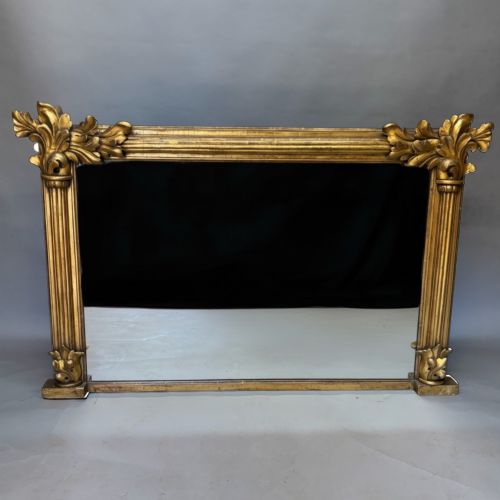
A vintage gilded overmantel mirror brings proportion and reflected light to a high chimney breast.
Vintage Gilded Overmantel Mirror
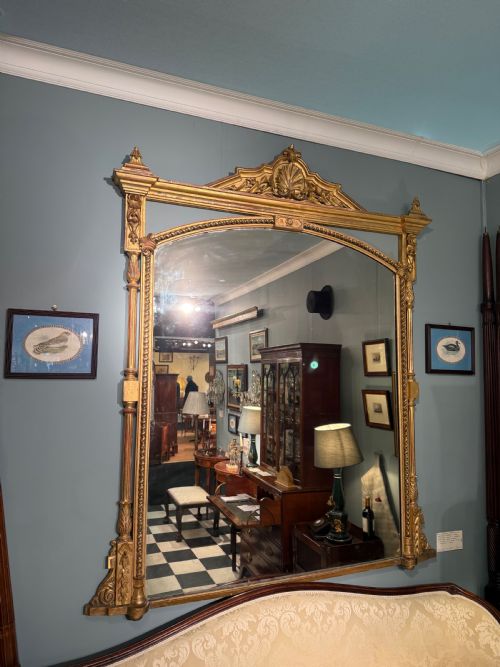
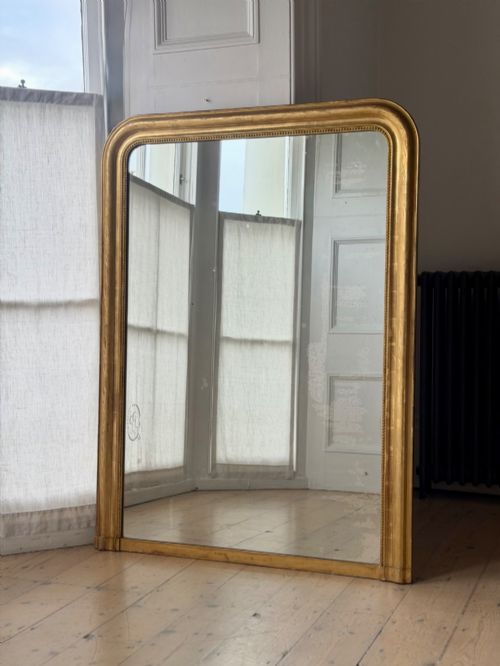
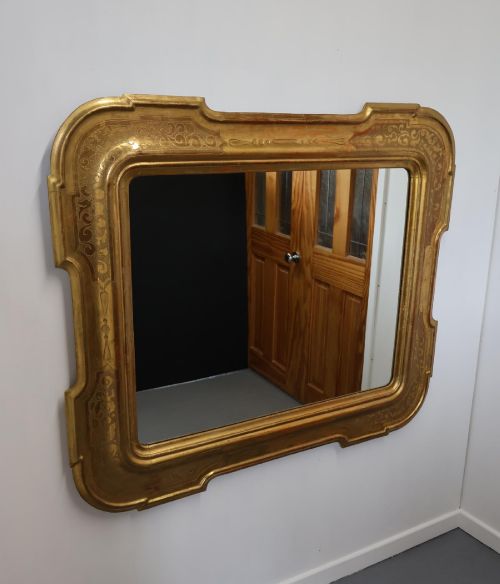
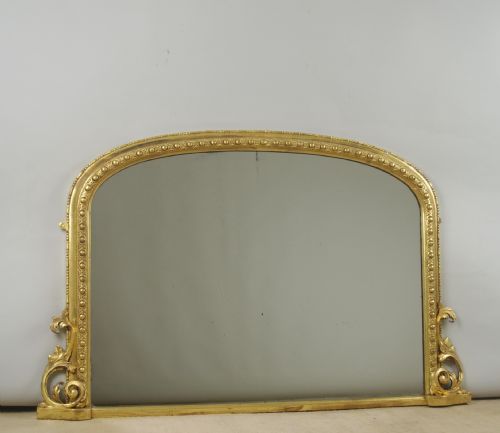
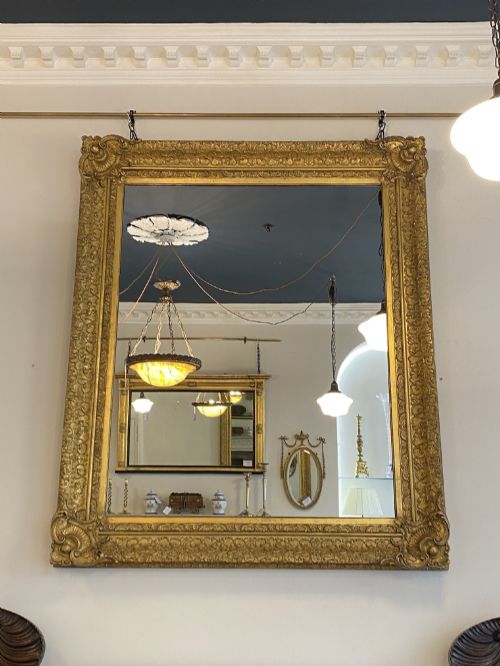
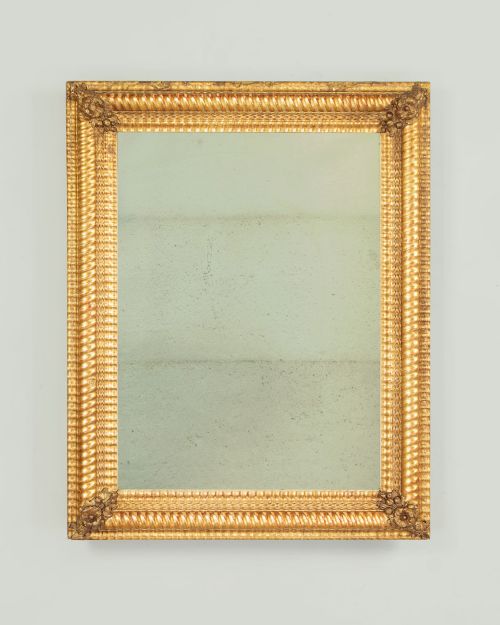
A vintage gilded overmantel mirror sits above a fireplace, designed to fill the generous wall space between the mantelpiece and the cornice. These large wall pieces arrive in various regional profiles, from restrained classical arched tops to exuberant Rococo revival shapes.
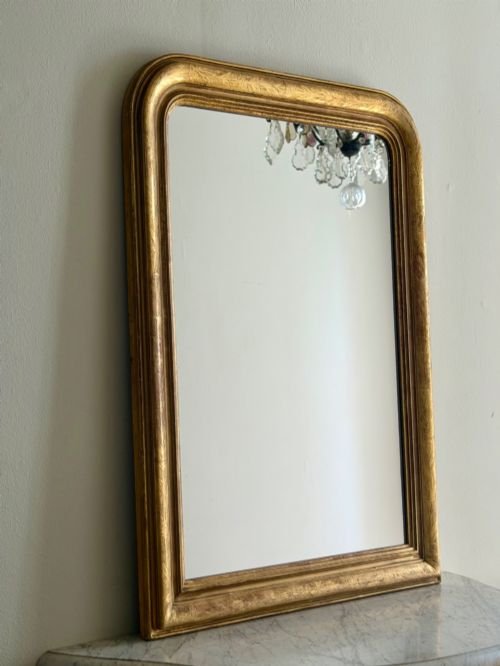
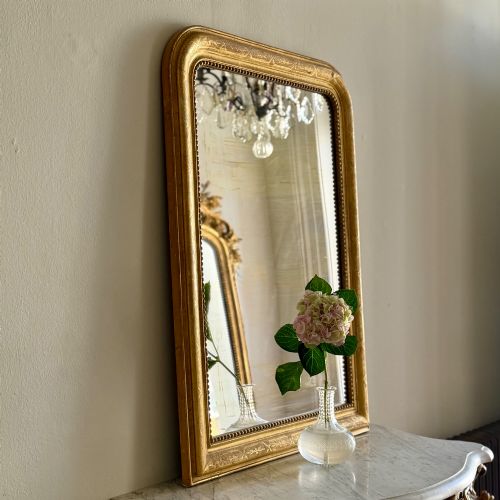
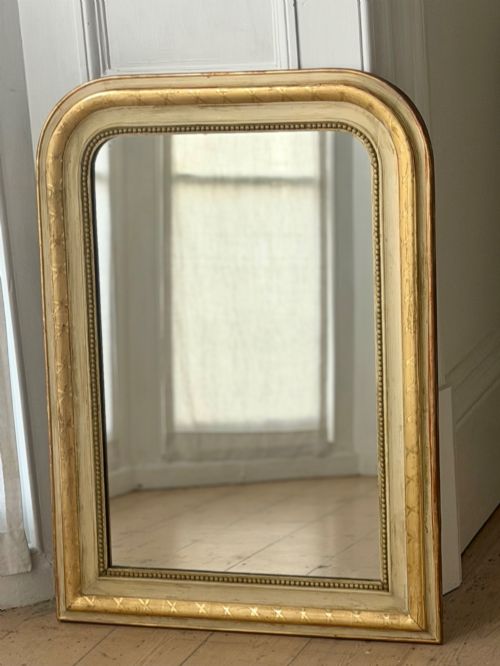
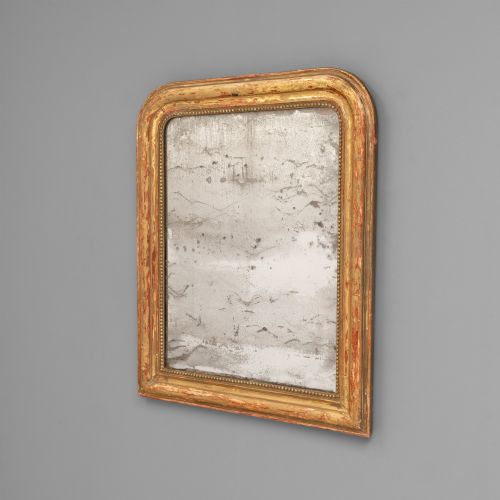
The selections here span the eighteenth, nineteenth, and early twentieth centuries, drawing heavily on French and English traditions. Buyers encounter Louis Philippe rectangular plates with softened upper corners alongside heavily carved Victorian and Edwardian giltwood frames.
Materials and construction
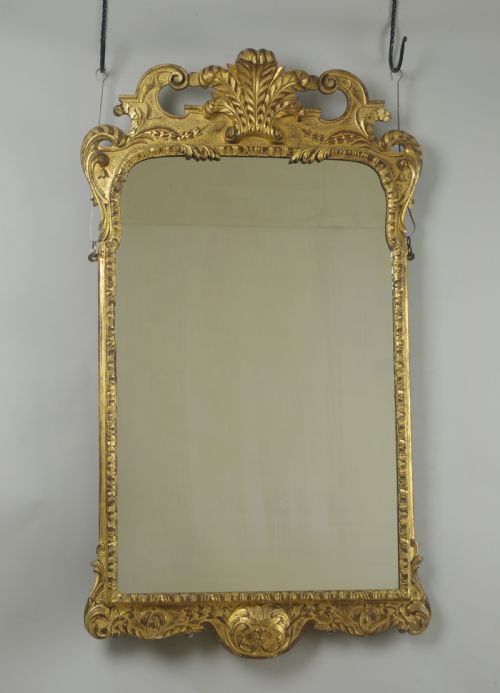
Makers built the foundational wooden carcass using timber such as pine or mahogany, layering plaster gesso over the joins to receive intricate carved detailing. Artisans then applied thin sheets of gold leaf or gilt paint to the prepared surface.
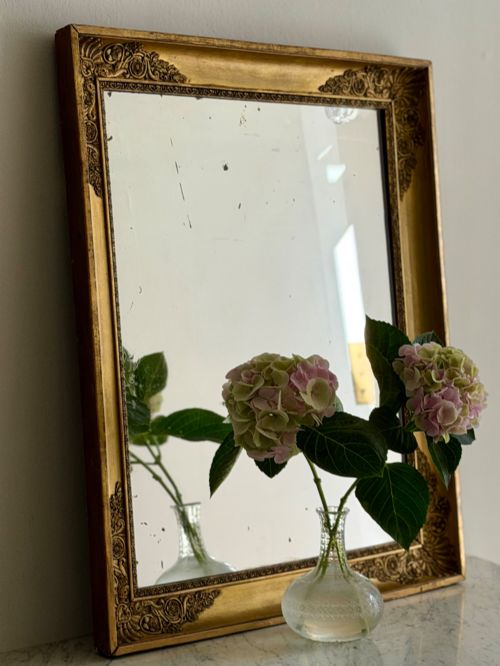
Early plates utilise mercury glass, which exhibits characteristic foxing and dark speckles, whilst later examples incorporate modern bevelled mirror glass or replacement plates.
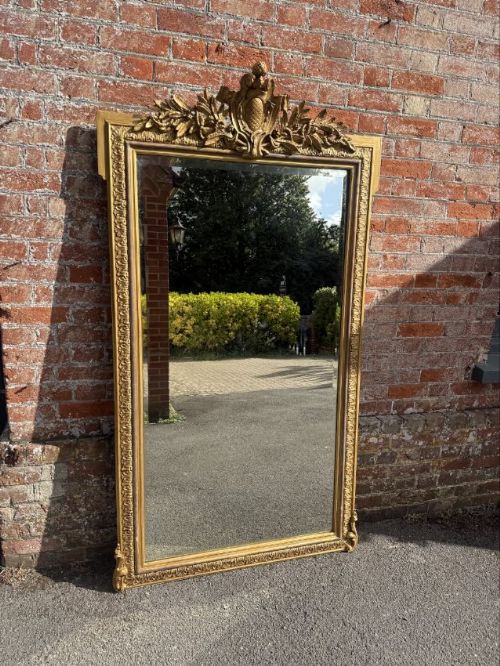
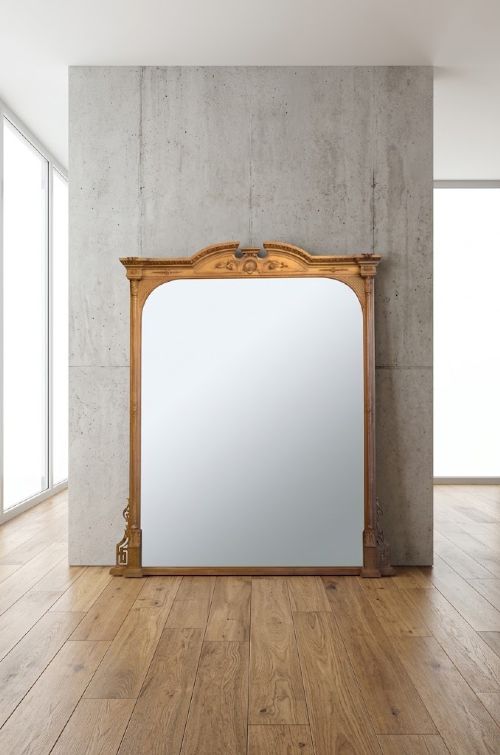
Certain frames incorporate playful ribbon crests carved at the very top, offering a lighter touch to monumental nineteenth-century proportions.
Assessing quality and craftsmanship
Quality rests in the crispness of the gesso mouldings and the depth of the hand-carving beneath the gilding. Superior examples retain their original gold leaf layers and backboards, showing minimal restoration to the wooden framework.
The character of the glass plate dictates visual depth, with genuine period mercury plates offering a softer, more distorted reflection than newer replacements.
The Vintage Gilded Overmantel Mirror Glossary
- Overmantel mirror
- A large wall mirror specifically proportioned to hang directly above a fireplace mantel.
- Gesso
- A plaster mixture applied to a wooden frame as a smooth base for subsequent gilding.
- Mercury glass
- An early type of double-walled glass blown with a silvering mixture, prone to atmospheric spotting and foxing.
- Louis Philippe
- A nineteenth-century French style characterised by simple rectangular proportions and rounded upper corners.
- Parcel gilt
- A decorative technique where only specific raised portions of a painted or wood frame receive gold leaf.
- Trumeau
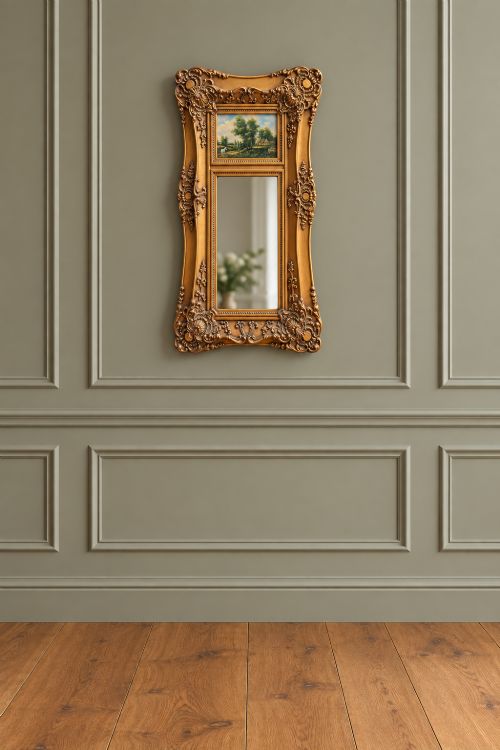
- A decorative wall mirror combined with a painted panel or oil painting above the glass plate.
Vintage Gilded Overmantel Mirror: Frequently Asked Questions
How do I hang a heavy overmantel mirror safely?
These substantial frames require secure fixing directly into structural masonry or heavy wall studs using heavy-duty brackets. Professional installation is essential given the considerable weight of timber, gesso, and thick glass.
Weight distribution must rest evenly on lower support brackets rather than relying solely on the hanging wire or top fixings.
What is the difference between an overmantel and a pier mirror?
An overmantel mirror is specifically proportioned in width and height to sit above a fireplace hearth. Pier mirrors were traditionally designed to hang on the narrow pier of wall space situated between two windows.
Whilst both styles utilise giltwood frames, pier mirrors tend to be narrower and taller than their fireplace counterparts.
How should I clean a vintage mirror plate?
Use a soft microfibre cloth slightly dampened with distilled water to gently remove dust from the glass surface. Avoid spraying liquids directly onto the glass, as moisture can seep behind the plate and accelerate foxing.
Harsh chemical cleaners must stay away from both the glass and the delicate gilt surfaces of the frame.
Why does old mirror glass look dark in places?
Dark spots and clouding, known as foxing, occur when atmospheric moisture reacts over decades with the backing materials behind the glass. This chemical ageing process creates the characteristic mottled appearance valued by collectors.
Original mercury glass naturally develops this patina over time as sealants degrade.