


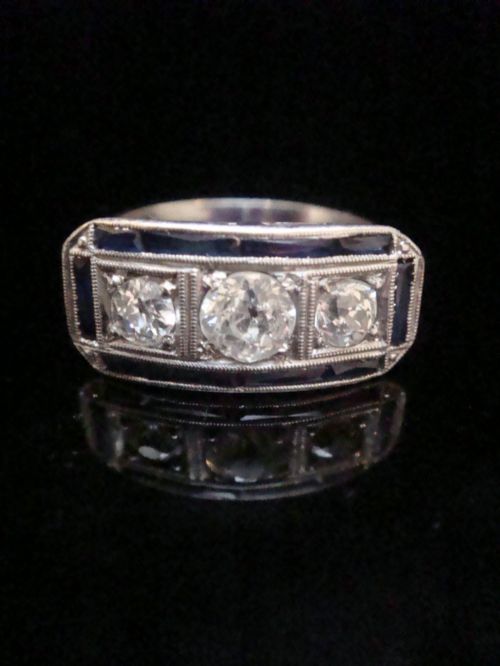


Vintage Geometric Ring
A vintage geometric ring brings sharp linear angles and brilliant stones straight from the 1920s and mid-century to your hand.
Vintage Geometric Ring
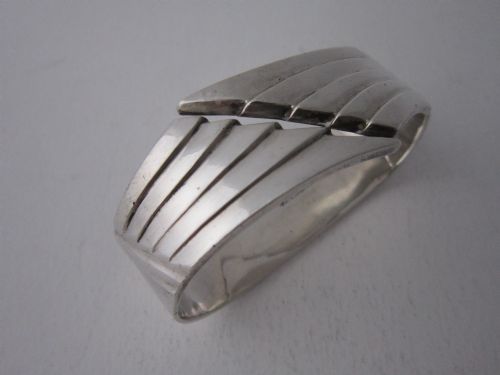
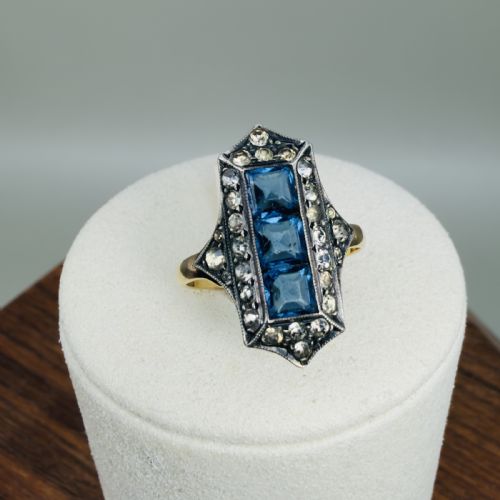
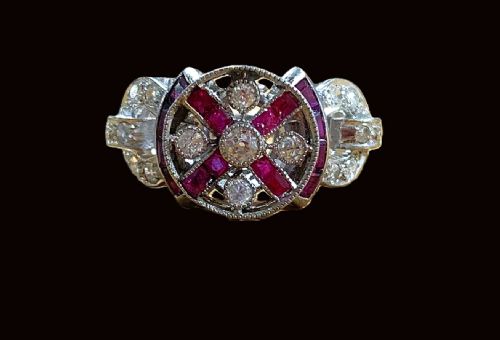
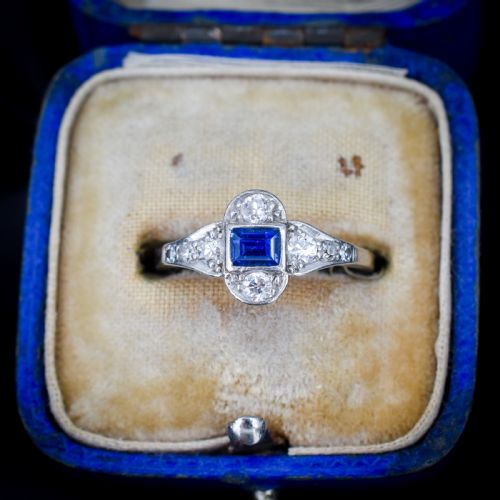
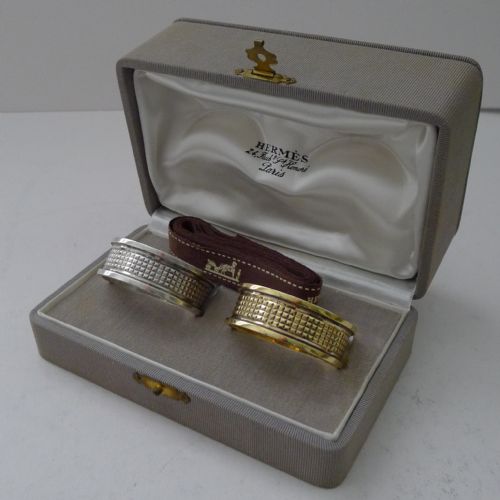
When you search for a vintage geometric ring, you encounter striking architectural designs shaped by twentieth-century modernism. The selection centres primarily on dress and engagement rings, alongside occasional napkin rings and clocks.
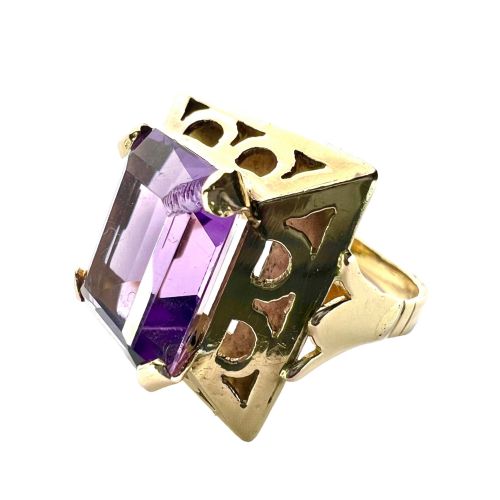
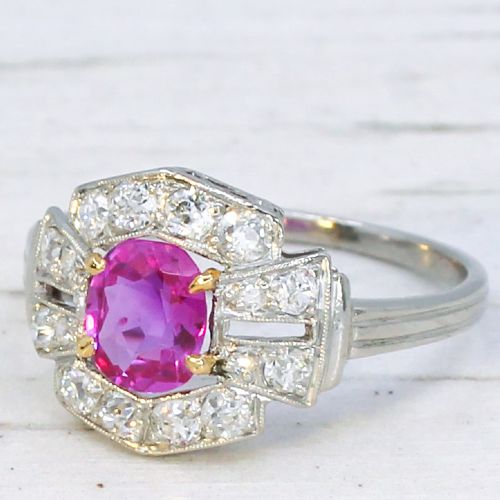
Most examples hail from the 1920s and 1930s Art Deco period, featuring symmetry, rectangular steps and clean angles. Mid-century and 1940s variations also appear, bringing bolder retro profiles and minimalist forms to the metalwork.
How they were made
Maker workshops utilised durable platinum and 18ct white or yellow gold to build sturdy foundations for intricate stone settings. Platinum allowed goldsmiths to form ultra-thin claws and delicate galleries without sacrificing structural integrity.
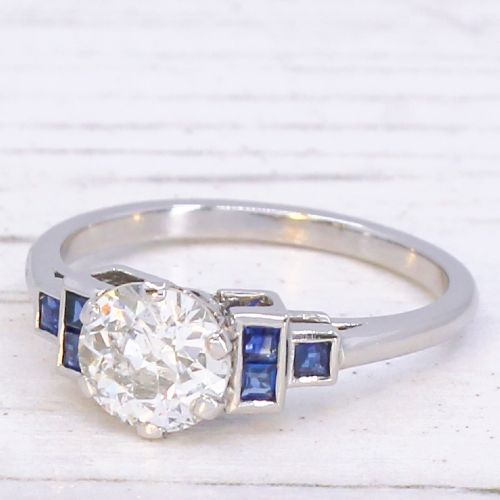
Gems were cut in specific calibrated steps, old cuts and transitions to fit flush within triangular, square and rectangular channels. Contrasting materials such as black onyx or blue sapphire were often paired with diamonds to emphasise the linear motifs.
The archive includes napkin rings, dress rings, engagement rings, clocks, and complete jewellery sets from multiple decades.
What varies in quality
The standard of a piece rests heavily on the precision of the stone setting and the crispness of the geometric lines. Hand-cut calibre stones that fit tight against one another demonstrate superior workshop skill compared to uneven gaps in lesser examples.
Design complexity and the quality of the central gems dictate the upper tier of the range. Original period pieces with untouched, matching diamond clusters and crisp hallmarks command greater attention than later reproductions.
R. E. Stone·Hermes, Paris·Randers Silver·Toni Cavelti
The Vintage Geometric Ring Glossary
- Calibre cut
- Stones shaped specifically to fit tightly into a geometric channel or pattern. This technique requires expert gem-cutting by hand.
- Old cut
- A diamond facet style popular before modern round brilliants were standardised. These stones feature smaller tables and larger culets.
- Tank ring
- A bold, chunky ring style developed during the 1940s. It takes inspiration from military vehicles with heavy geometric arches.
- Transition cut
- A diamond cut used between the 1930s and 1950s that bridges old mine cuts and modern round brilliants.
- Paste
- Hand-cut glass used as a gemstone substitute in period jewellery. It offers high clarity and brilliant light reflection.
Vintage Geometric Ring: Frequently Asked Questions
How do I style a vintage geometric ring?
Wear a single statement piece on your hand to let the sharp angles and stone clusters draw the eye without competition from other jewellery.
Pair platinum or white gold designs with simple modern clothing to highlight the architectural lines of the period metalwork.
Are these rings suitable for daily wear?
Many sturdy platinum and 18ct gold mountings stand up well to everyday use when treated with reasonable care.
Delicate bezel settings and antique stones require gentle handling during physical tasks to preserve the original metalwork.
What periods do these rings come from?
The pieces span from Edwardian times through the 1920s and 1930s Art Deco peak, stretching into 1940s and 1960s modernism.
Art Deco remains the dominant aesthetic, defined by symmetry, stepped shoulders and strong contrasting colour combinations.
How do I tell Art Deco from mid-century rings?
Art Deco pieces rely on intricate platinum filigree, calibre-cut sapphires, onyx accents and precise symmetrical repetition.
Mid-century and retro modern examples typically use heavier yellow gold, organic curves alongside straight lines, and bolder standalone stones.