





Vintage Geometric Persian Carpet
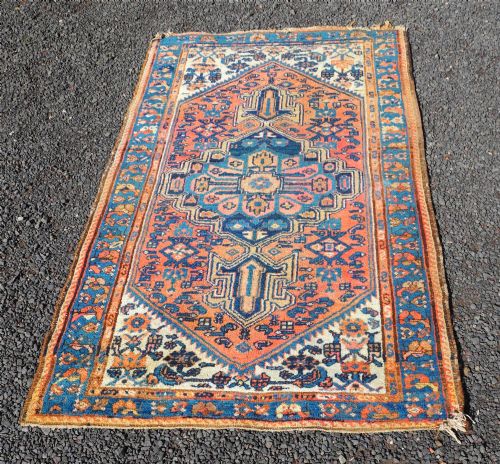
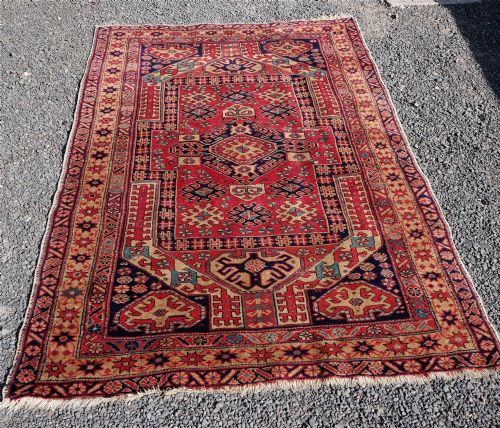
A vintage geometric persian carpet brings centuries of nomadic design tradition into a modern room through bold angular motifs.
Vintage Geometric Persian Carpet
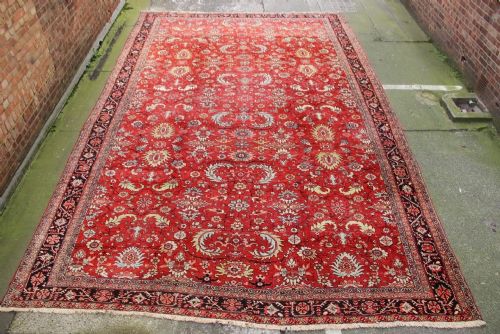
A vintage geometric persian carpet encompasses floor coverings created across Persian and adjacent regions, spanning periods from the nineteenth century through the mid twentieth century. Buyers seeking this phrase encounter formats ranging from large carpets and area rugs down to narrow hallway runners and square cushion covers.
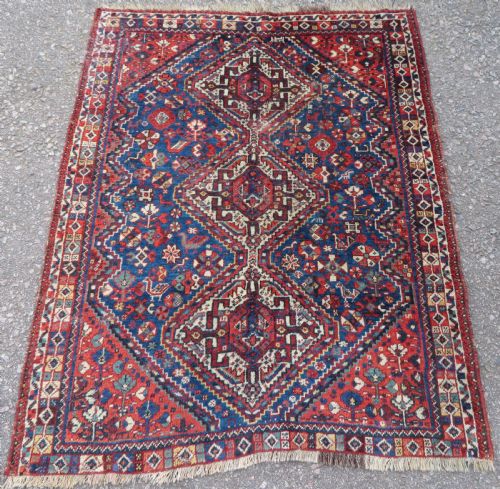
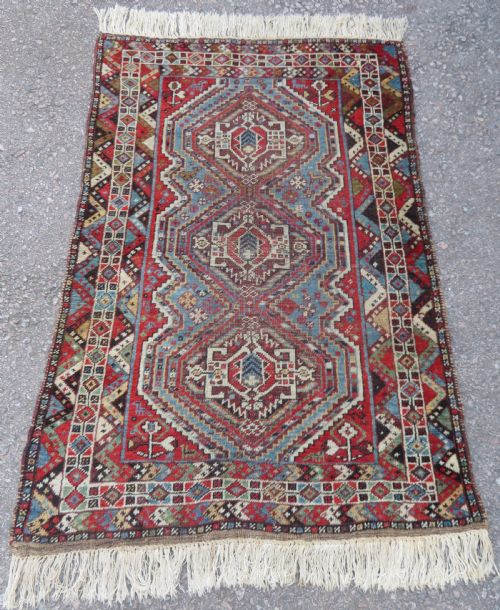
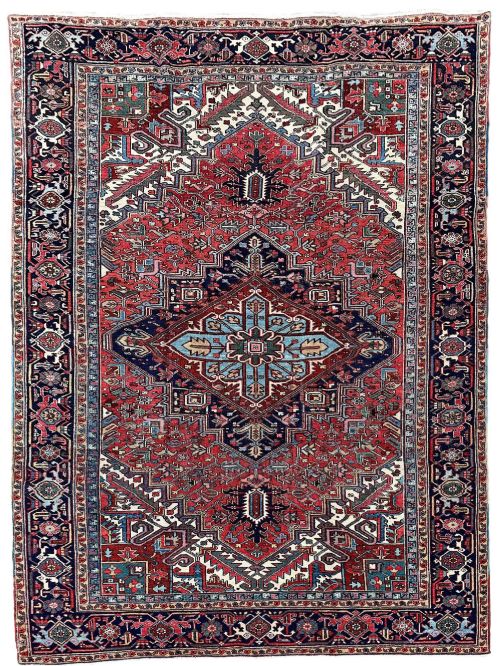
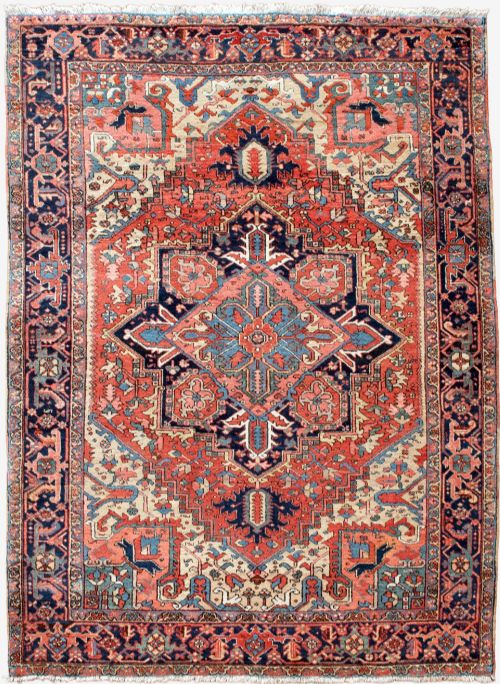
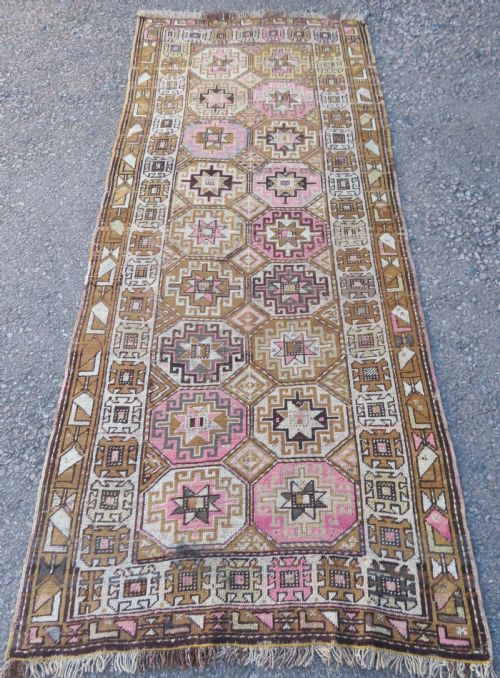
The aesthetic centres on traditional tribal and village artistry, featuring distinct regional formats such as Heriz, Hamadan, Afshar, Khamseh, and Baluch pieces. These items demonstrate structured layouts built upon repeated motifs, medallions, and angular field patterns rather than flowing floral arrangements.
Materials and construction
These textiles rely principally on wool, cotton, and camel hair foundations and pile yarns, frequently utilising hand-spun wool fibres that provide tactile depth. Artisans integrated natural dyes to achieve rich colour palettes, spanning warm reds and olive greens to deep navy grounds.
Construction relies on traditional hand-knotting techniques executed within tribal camps and village workshops across regions such as North West Persia and Western Afghanistan. The integration of durable materials ensures the dense pile withstands generations of domestic use.
Some nineteenth century nomadic creators repurposed saddle bags into compact floor cushions, preserving portable tribal art for modern domestic seating.
Assessing quality
Quality differences stem from the precision of the knotting and the complexity of the geometric layout executed by the weaver. Finer examples display crisp delineation in medallions and border systems, alongside superior resilience in the wool pile.
The integrity of the natural dyes and the balance of the overall composition distinguish finer regional outputs. Pieces maintaining structural soundness across foundation threads and selvedges represent the upper tier of surviving examples.
The Vintage Geometric Persian Carpet Glossary
- Medallion
- A central ornamental motif dominating the field of the carpet. This prominent geometric shape anchors the surrounding tribal patterns.
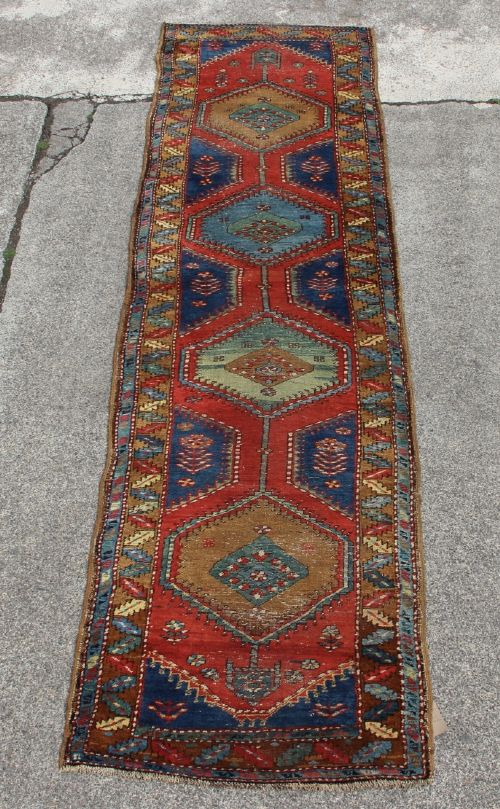
- Runner
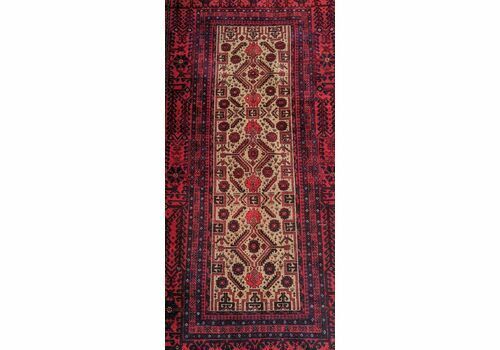
- A long, narrow carpet format designed specifically for hallways and corridors. These rectangular pieces accommodate restricted floor spaces while displaying continuous border designs.
- Natural Dyes
- Colourants derived from plant and mineral sources rather than synthetic chemicals. These traditional agents produce nuanced tones that age with considerable depth.
- Camel Hair
- Un-dyed fleece utilised in foundation or pile construction, providing distinct natural warmth and durability. This material introduces subtle textural variations to the woven surface.
- Tribal Rug
- A textile produced by nomadic or semi-nomadic groups working independently of urban workshop traditions. These items rely on transmitted family motifs and memory rather than mapped cartoons.
Vintage Geometric Persian Carpet: Frequently Asked Questions
How do I clean a vintage rug?
Gentle surface care and professional specialist washing preserve the natural wool fibres and traditional dyes. Regular light vacuuming without a beater bar prevents dust accumulation within the pile.
Harsh chemical treatments and immersion cleaning risk damaging the foundational cotton and wool. Consulting a specialist experienced in antique textiles ensures appropriate maintenance methods.
Where should I place a runner?
Narrow hallway runners suit corridors, entryways, and transitional domestic spaces where floor protection and visual warmth are required. Their elongated proportions guide movement through a home.
Placing an appropriate underlay beneath the piece prevents slipping and reduces friction against hard flooring surfaces. This extra layer supports the longevity of the foundation threads.
Are these rugs suitable for high traffic areas?
Durable wool pile and robust cotton foundations allow these traditional floor coverings to handle regular domestic activity. Dense hand-knotting provides natural resilience against everyday wear.
Placing items in moderate traffic zones balances aesthetic enjoyment with material preservation. Rotating the piece periodically ensures even exposure to light and footfall.
How do I identify regional tribal designs?
Distinguishing regional patterns involves examining specific palette choices, medallion structures, and border configurations characteristic of areas like Heriz or Baluchistan. Each weaving group maintained distinct structural habits.
Reference literature and comparative examination of known village pieces aid in recognising these stylistic markers. The specific handling of wool and dye tones often clarifies the geographic origin.