


Vintage Gents Pocket Watch
A vintage gents pocket watch is a classic timepiece of mechanical precision and pocket-sized utility that brings traditional horology straight to the modern waistcoat.
Vintage Gents Pocket Watch
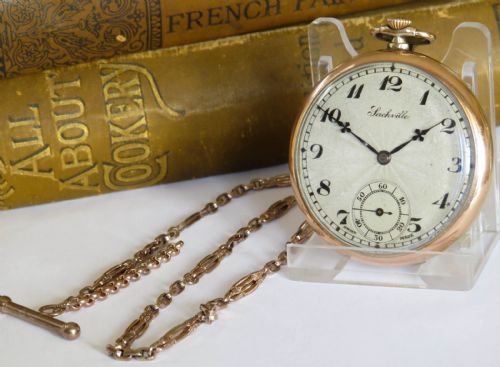
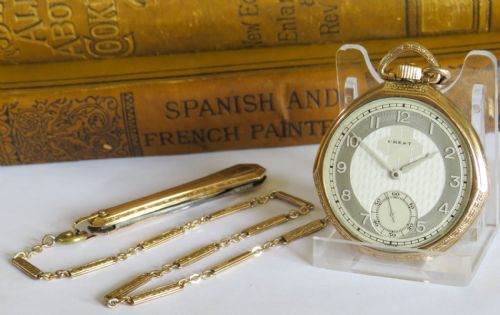
A vintage gents pocket watch spans eras from the Victorian period through the 1950s, capturing decades of portable timekeeping. You will frequently encounter specimens from the 1930s alongside pieces originating in the 1910s and 1920s.
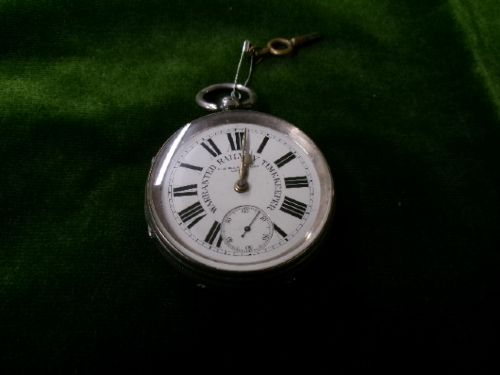
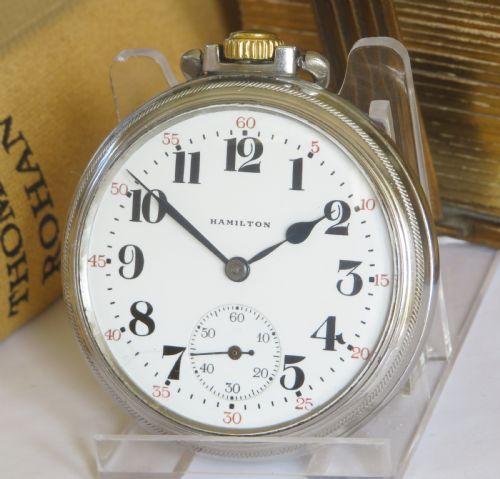
The selection ranges from sturdy railway timekeepers housed in silver to refined Art Deco designs and mid-century items. These portable clocks were designed to be carried securely in a pocket, often attached by a chain.
Makers and manufacturers represented in these designs include firms from Britain and Switzerland, offering everything from heavy sterling silver cases to gold filled housings.
Materials and construction
Cases utilise durable metals including sterling silver, gold plate, gold filled compositions, brass, and standard metal. Protective dials feature clear glass front covers shielding enamel faces marked with intricate numerals.
Movements rely on mechanical ingenuity, encompassing stem winding mechanisms and jewelled internal components developed by specialised watchmakers. Casing styles range from standard open faces to protective half hunter designs.
This selection spans periods from the 19th century through the 1950s, utilising sterling silver, gold plate, and glass.
Assessing quality and finish
Quality reveals itself in the fineness of the case materials, such as heavy sterling silver or solid gold, versus standard gold plate or base metal. Superior examples feature high jewel counts in the movement and crisp enamel dials.
The execution of the movement, from Swiss engineering to specific railway grade standards, dictates the horological merit of the piece. Preservation of the original components and accompanying chains or presentation boxes further distinguishes individual items.
Tavannes Crest·Hamilton·Smiths·Cyma·Meyer and Studeli·Zenith·Waltham·Phoenix Indestructible·Eastern Watch Case Co·Stauffer IWC
The Vintage Gents Pocket Watch Glossary
- Half hunter
- A pocket watch case featuring a small glass or open circle in the outer cover allowing the time to be read without opening the case.
- Stem winding
- A mechanism that allows the watch to be wound via the crown at the top rather than using a separate key.
- Enamel dial
- A fused glass powder face surface providing a smooth, durable background for painted numerals and minute tracks.
- Railway timekeeper
- A high-precision watch built to meet strict timing standards required for railway operations and scheduling.
- Gold filled
- A construction method where a thick layer of gold is mechanically bonded to a base metal core for enhanced durability.
Vintage Gents Pocket Watch: Frequently Asked Questions
How do I wind a vintage gents pocket watch?
Most specimens feature stem winding where you turn the crown clockwise between your thumb and forefinger until resistance is felt. Avoid over-winding to protect the internal mainspring.
Ensure you stop winding immediately the moment resistance increases to prevent any strain on the vintage mechanical components.
Can I wear a pocket watch daily?
These timepieces can be carried in a waistcoat or trouser pocket using a matching chain secured through a buttonhole or belt loop. Modern daily wear requires mindful handling away from strong magnetic fields and moisture.
Regular servicing by a qualified horologist keeps the mechanical movement running accurately for everyday use.
How do I date a pocket watch?
Dating relies on hallmarks stamped inside silver or gold cases, serial numbers matching manufacturer records, and stylistic clues from the dial and movement. Pieces from the Victorian era often feature British silver assay office marks.
Twentieth-century examples frequently show style markers from Art Deco or mid-century design periods.
What is a half hunter watch?
A half hunter design incorporates an outer metal cover with a central glass window, letting you glance at the hands without opening the front. This style protects the delicate dial beneath while offering quick time checks.
Hour markers are often engraved directly onto the outer metal bezel surrounding the glass aperture.