

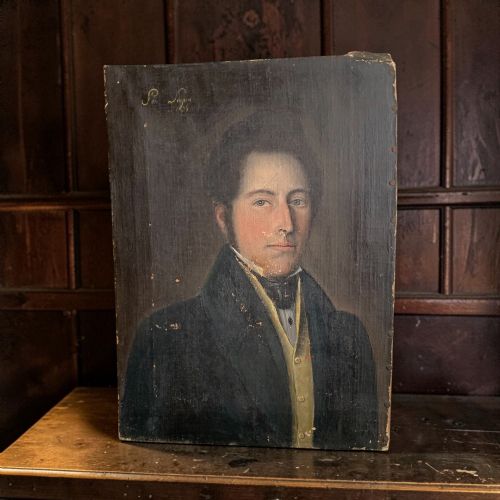


Vintage Gentleman Oil Portrait
A vintage gentleman oil portrait brings character to a room through centuries of painted likenesses.
Vintage Gentleman Oil Portrait
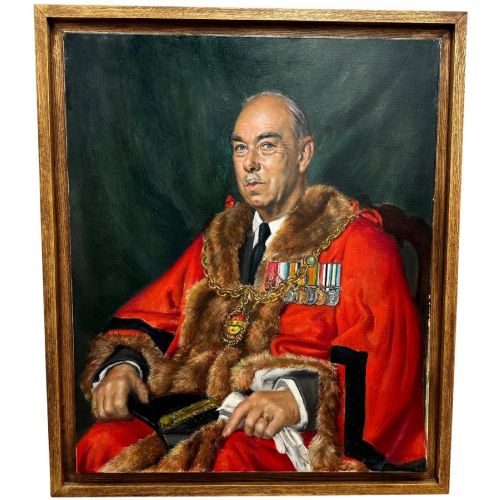
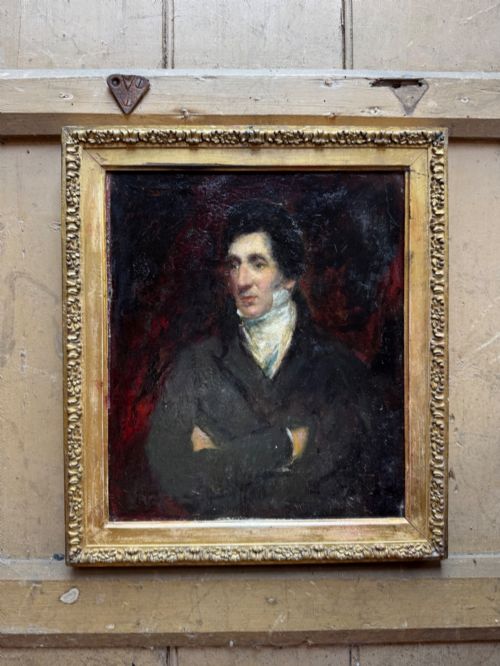
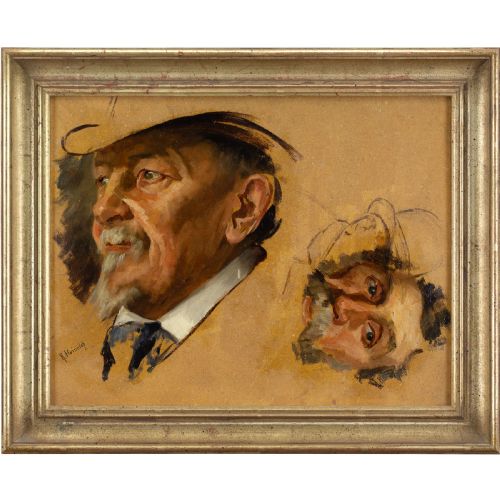
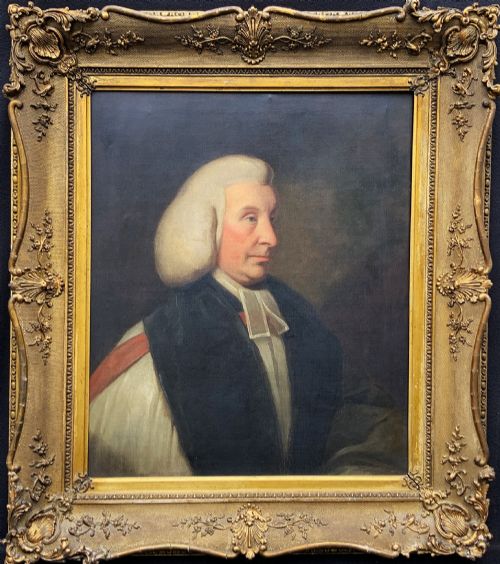
A vintage gentleman oil portrait captures male subjects across historical eras, ranging from strict 19th-century realism to early 20th-century character studies. Buyers search for these pieces to anchor a study, library, or hallway with a strong sense of personal history.
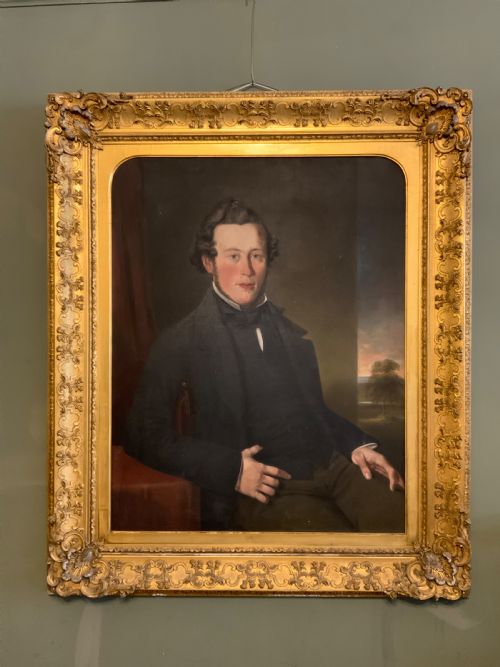
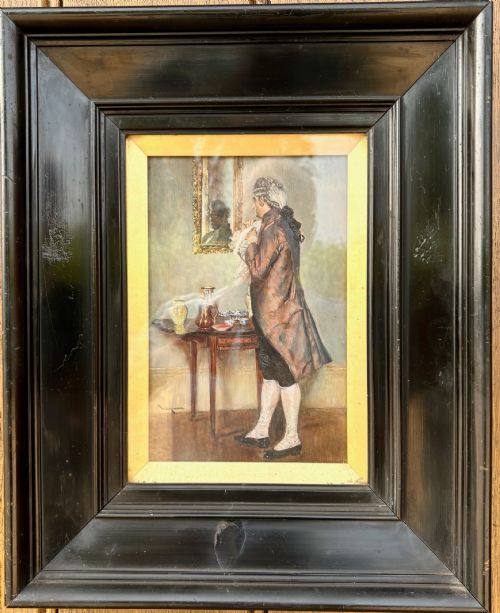
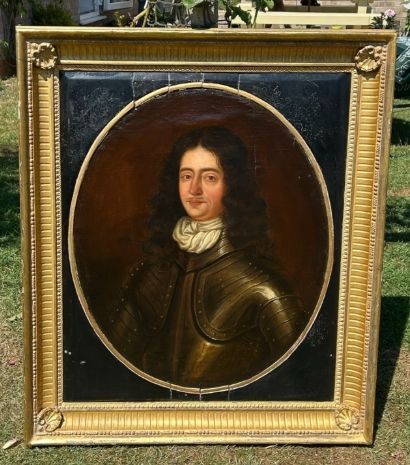
The selections on this page span diverse schools and centuries, including Regency depictions of seated sitters, Edwardian canvases, and mid-century works. Most examples present individual sitters rendered with varying degrees of formality, from aristocrats in armour to local merchants and literary figures.
Surviving works frequently display the aesthetic markers of their respective decades, whether through Victorian attire, Georgian waistcoats, or mid-century frames. Each canvas records a specific individual, often identified by name, profession, or title on the reverse or within the composition.
Materials and technique
The foundation of these works is typically woven canvas or wooden panel stretched and prepared with gesso grounds before the application of oil paint. Artists built up forms using layered pigments, balancing transparent glazes with opaque highlights to model the sitter's face and clothing.
Frames play a structural and aesthetic role, frequently constructed from wood with gilt or giltwood finishes that complement the warm palette of the central image. Over time, the oil medium undergoes natural craquelure, reflecting the ageing process of the underlying ground and varnish layers.
Listed examples feature subjects from the 17th century through to the mid-20th century, rendered on canvas, board, and panel.
Assessing quality and execution
Quality in a painted portrait rests upon the artist's ability to render anatomical structure, lighting, and psychological depth within the sitter's expression. Superior examples demonstrate confident brushwork in the hands, eyes, and fabrics, whereas weaker works rely on formulaic repetition without individual character.
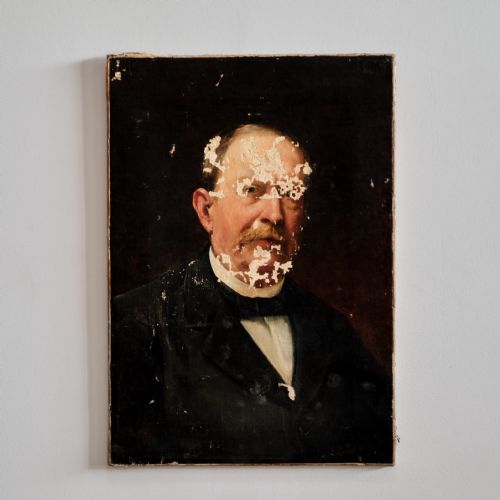
The preservation of the original surface condition heavily influences the standing of a piece, distinguishing untouched historical layers from heavy restoration or overpainting. Furthermore, documented provenance identifying the sitter, artist, or original collection elevates the historical weight of the artwork.
Bernard Hailstone·Robert Heinrich·W.D. Almond·John Watkins Chapman·Jules Rambo·Alfred John Bouchette·Rolinda Sharples·John McGhie·Arthur Spooner·Marcellus Laroon·Mary Beale·William Woodhouse·Charlotte Blakeney Ward·John A.A. Berrie·Frank C Harlow·Moussa Ayoub
The Vintage Gentleman Oil Portrait Glossary
- Oil on canvas
- A painting technique where oil-based pigments are applied to a stretched woven fabric support. This combination allows for rich blending and textured impasto application.
- Craquelure
- The fine network of microscopic cracks that forms across the surface of aged oil paint and varnish layers. It serves as a natural indicator of age in historical canvases.
- Giltwood
- Wood carved and coated with a thin layer of gold leaf or metallic powder. This material is standard for traditional portrait frames.
- Provenance
- The documented history of ownership and origin for an artwork. A clear chain of custody verifies the authenticity and identity of the depicted sitter.
- Academic Realism
- A style of painting governed by the strict standards of European art academies. It emphasises precise drawing, lifelike proportions, and smooth blending.
Vintage Gentleman Oil Portrait: Frequently Asked Questions
How do I identify the era of a portrait?
Examine the clothing, hairstyle, and facial hair of the sitter, as these elements strictly follow the fashion trends of the period in which the work was painted.
Additionally, inspect the stretcher frames, canvas type, and any inscriptions or labels on the reverse for clues regarding the date of creation.
Are these portraits always painted from life?
Many sitters sat directly for the artist, particularly in commissioned works for families, institutions, or civic leaders.
However, some historical pieces or posthumous tributes were executed using earlier sketches, photographs, or existing portraits as reference material.
How should I care for an oil portrait?
Keep the canvas away from direct sunlight, high humidity, and rapid temperature fluctuations to prevent the oil paint and wood support from warping or degrading.
Dust the surface gently with a dry, soft brush and avoid using liquid cleaners or chemical solvents on the paint layer.
What does a named sitter add to a piece?
Identifying the individual transforms a generic decorative object into a specific historical document connected to real biographies, professions, and events.
Portraits depicting named mayors, physicians, merchants, or military figures often attract deeper interest from collectors and historians.