
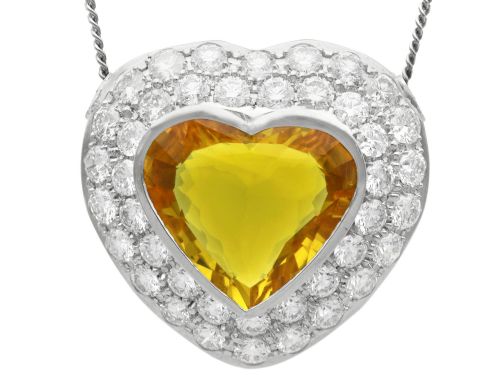
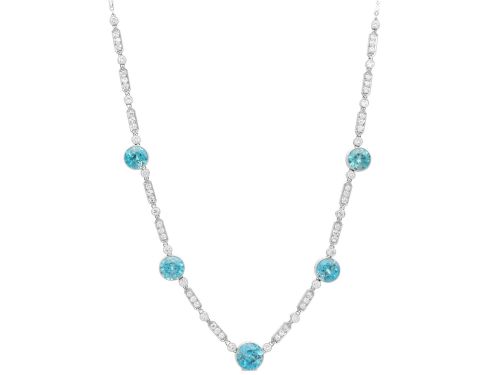
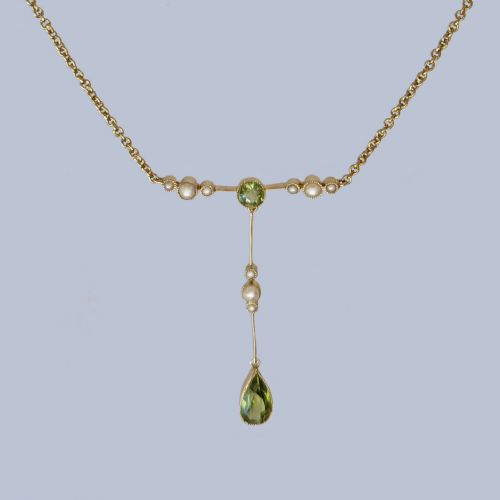
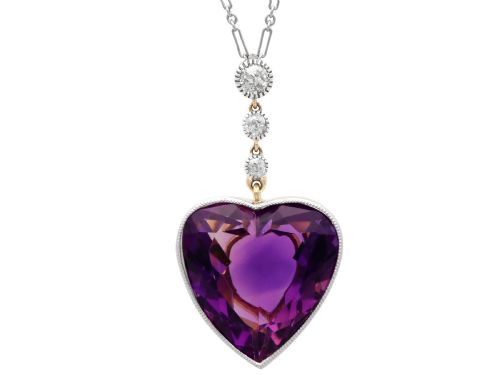
Vintage Gemstone Necklace Pendant
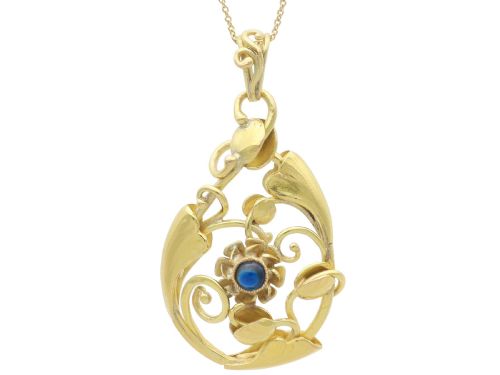
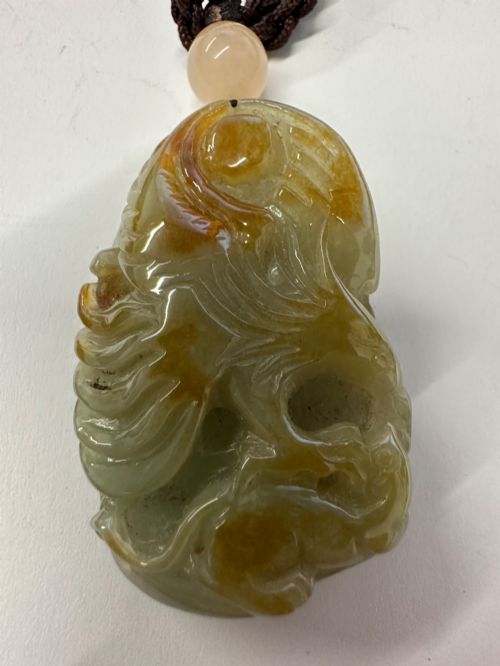
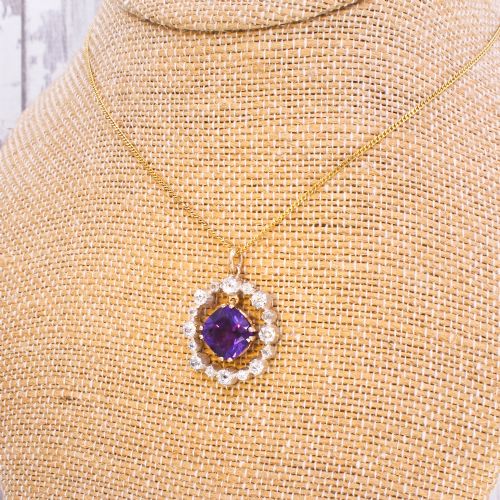
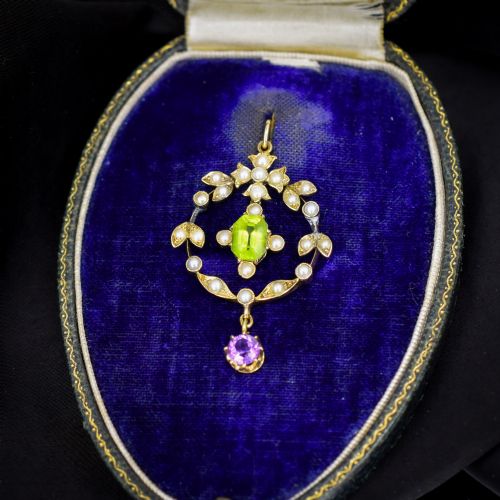
These vintage gemstone necklace pendant pieces bring together coloured stones and precious metals across the Victorian, Edwardian and mid-century periods.
Vintage Gemstone Necklace Pendant
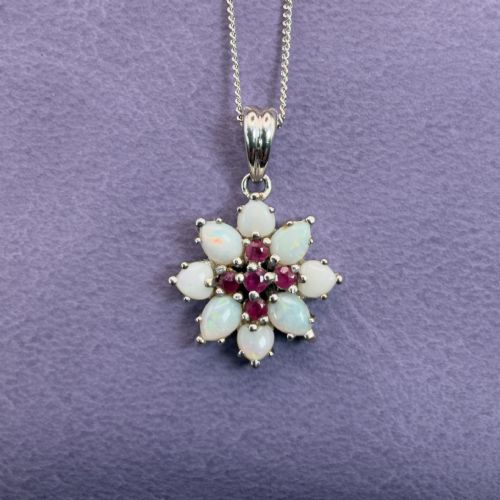
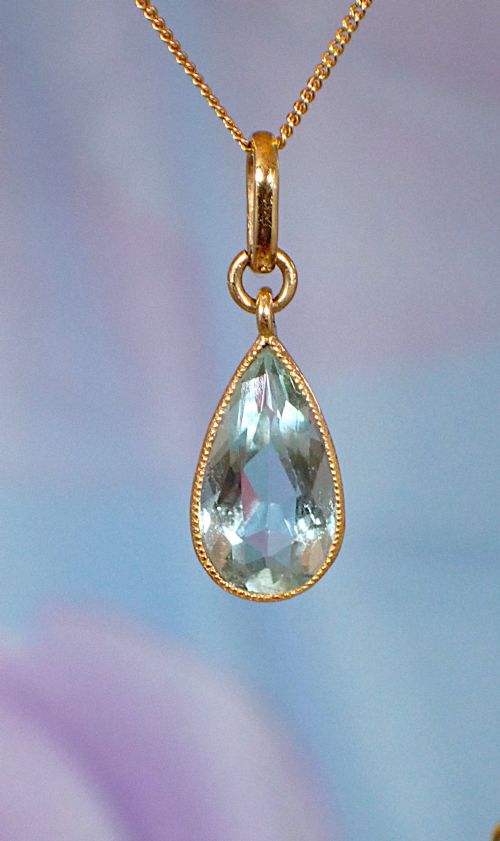
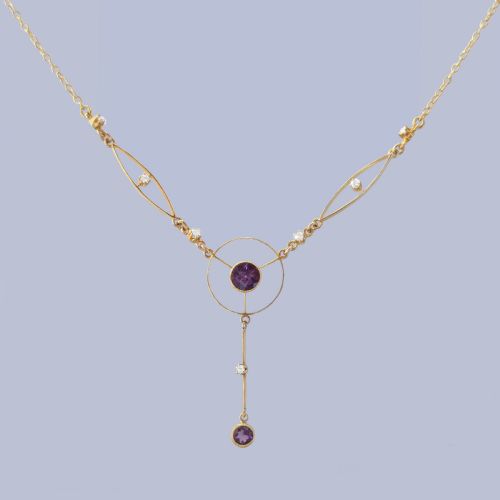
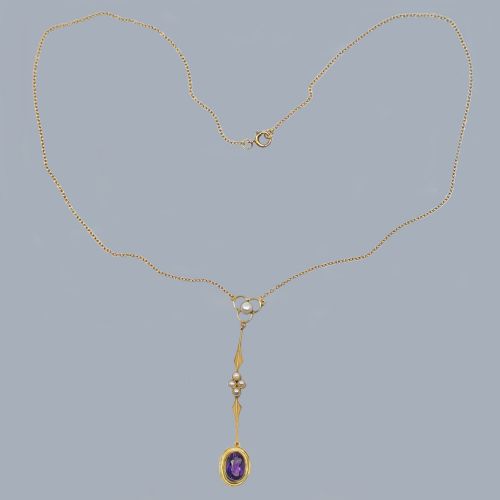
A vintage gemstone necklace pendant combines a suspended precious or semi-precious stone with a matching chain, spanning periods from the Victorian era through the Edwardian years and into the 1950s. The selection relies heavily on early twentieth-century designs, featuring distinctive forms such as lavaliers, drop necklaces and festoons.
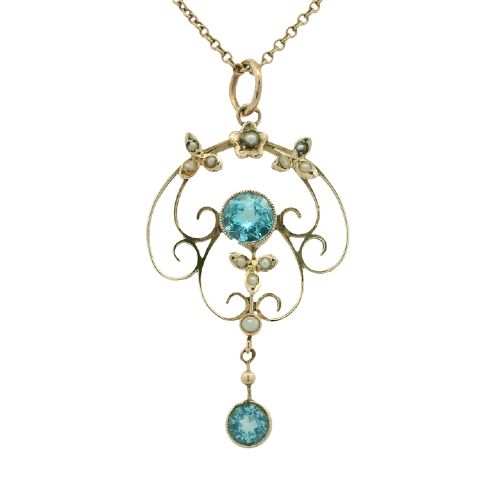
Makers utilised various gold purities alongside silver, mounting stones like amethyst, aquamarine, opal and pearl. These items range from delicate floral motifs of Art Nouveau to the geometric lines of Art Deco.
How they were made
Goldsmiths shaped mounts in 9ct, 15ct and 18ct yellow and rose gold, as well as platinum and sterling silver, often incorporating intricate filigree or wirework. Stones were hand-cut in shapes including oval, marquis and cabochon before being secured with claw settings or bezels.
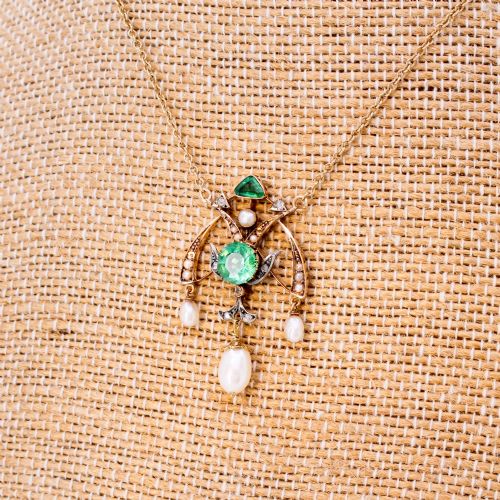
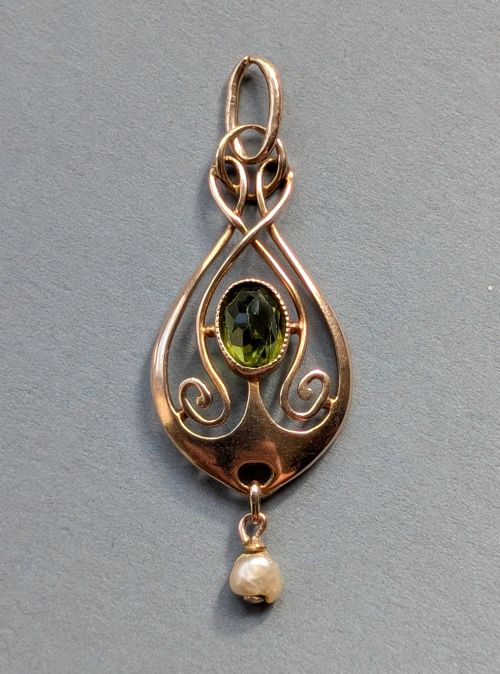
Pearls and seed pearls were frequently integrated as delicate accents using fine wire or seed-pearly stringing techniques. Articulated drops and lavalier designs allowed the central gemstones to move freely when worn.
One unexpected Edwardian design takes the form of an amethyst and pearl insect fly charm pendant.
What varies in quality
The choice of materials dictates much of the distinction, shifting from silver and 9ct gold up to higher-purity 15ct and 18ct gold or platinum. Weight and size of central stones, such as substantial aquamarines, amethysts or opals, separate standard productions from more ambitious pieces.
The complexity of the metalwork, including hand-beaten silver elements, detailed filigree, and the integration of old-cut diamonds alongside primary coloured stones, defines the upper tier of craftsmanship.
S Blanckensee & Son·Amy Sandheim·Mary Thew
The Vintage Gemstone Necklace Pendant Glossary
- Lavalier
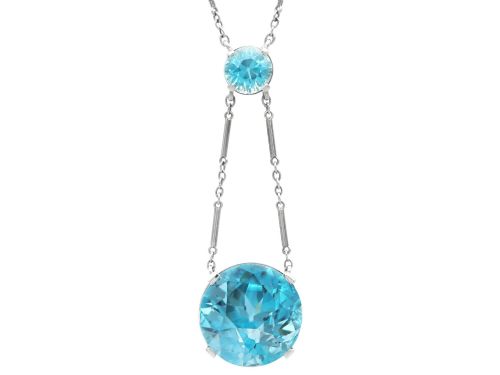
- A pendant featuring a primary gemstone suspended from a smaller stone or central drop, popular during the Edwardian period. This configuration typically hangs below a delicate chain.
- Festoon
- A necklace style featuring chains, swags and suspended drops arranged in a garland effect. This layout often incorporates pearls and opals to create movement across the collar.
- Cabochon
- A gemstone shaped and polished with a smooth, convex surface rather than faceted edges. This cut is frequently applied to opals, moonstones and sapphires.
- Paste
- A heavy, highly refractive type of glass used to simulate gemstones in historic jewellery. It is cut and polished by hand in older pieces.
- Old Cut
- A hand-faceted diamond cut predating modern brilliant standards, characterised by a smaller table and larger culet. These stones appear frequently in Edwardian and Victorian settings.
Vintage Gemstone Necklace Pendant: Frequently Asked Questions
How do I identify an Edwardian pendant?
Edwardian pendants are characterised by delicate use of platinum and low-carat yellow gold, frequently incorporating aquamarines, amethysts and seed pearls. The motifs draw heavily from floral garlands and symmetrical lace patterns.
Makers of this era focused on airy, lightweight structures rather than the heavy gold settings of the Victorian period. Look for fine millgraining along the metal edges and old-cut diamond highlights.
What is a gemstone doublet?
A doublet is a composite stone made by fusing two separate sections together, commonly utilised with opals to enhance visual depth and durability. The upper portion consists of precious opal while the lower base provides structural support.
This technique allowed makers to produce striking play-of-colour in larger formats during the early and mid-twentieth century. They require careful handling to avoid moisture penetration between the bonded layers.
How should I care for antique pearl pendants?
Antique pearls set in gold or silver require gentle handling because organic materials are sensitive to chemicals, perfumes and cosmetics. Wiping them with a soft cloth after wearing helps preserve their natural lustre.
Avoid submerging pearl and gemstone pendants in liquid cleaning solutions, as moisture can weaken historical adhesives or silk threading. Store them separately to prevent scratching from harder diamonds or gold chains.