




Vintage Garden Feature
A vintage garden feature brings character to an outdoor space through weathered stone, heavy cast iron, and centuries of exposure.
Vintage Garden Feature
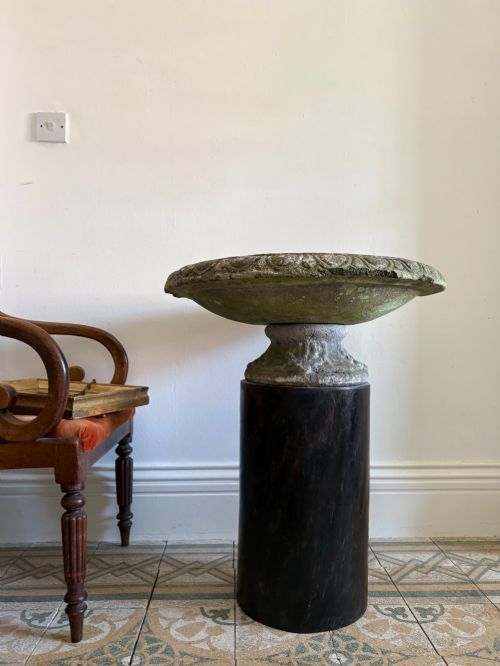
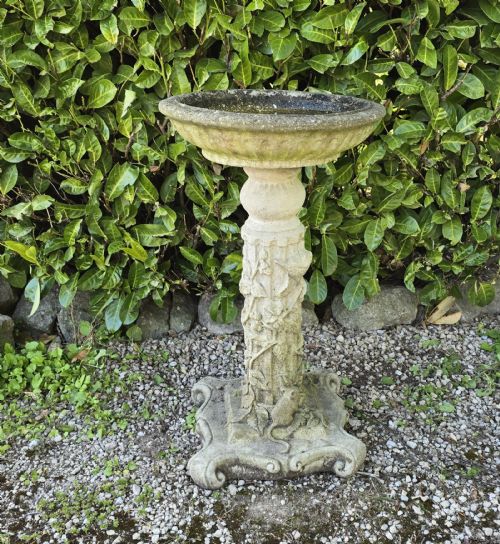
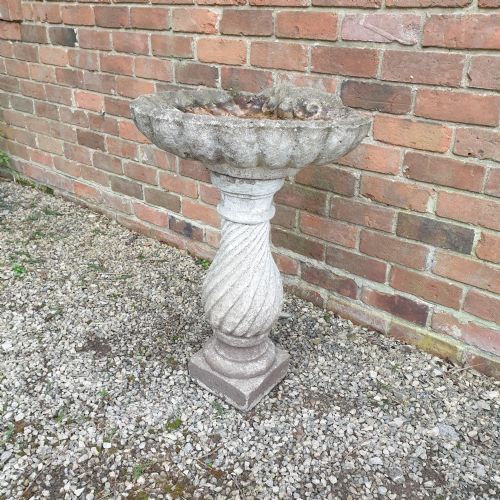
A vintage garden feature encompasses architectural salvage, bird baths, stone planters, and statues gathered from centuries of outdoor use. When searching for a vintage garden feature, buyers encounter functional agricultural items and decorative ornaments alike, ranging from staddle stones to lead sculptures.
The pieces available span from the eighteenth century through the Victorian and Edwardian eras into the mid-twentieth century. Reconstituted stone, sandstone, cast iron, and lead are the primary materials that define these objects, often softened by natural moss accumulation.
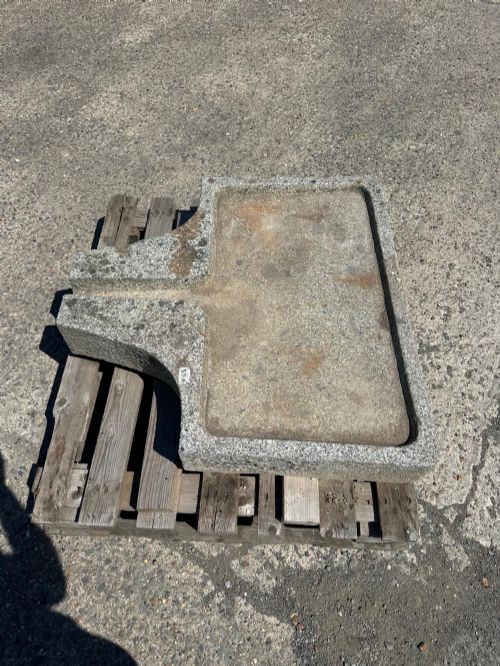
Rustic vernacular items such as millstones and granite presses appear alongside neoclassical birdbaths and Victorian lead planters. Each piece carries the distinct patina of age, showing how functional objects transitioned into decorative elements in gardens.
Materials and construction methods
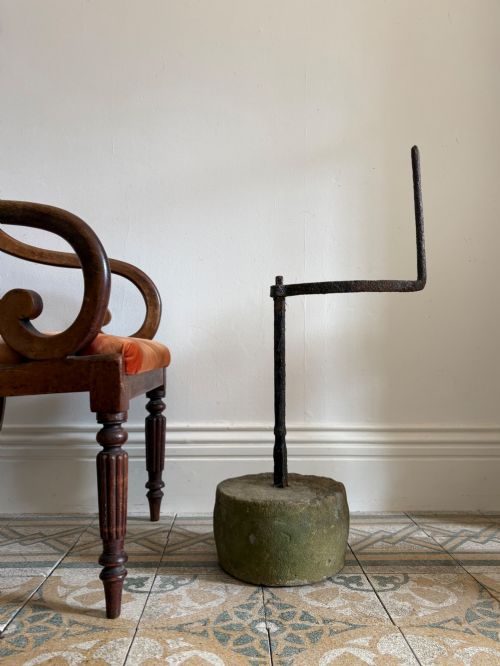
The construction of these pieces relies heavily on durable materials capable of withstanding prolonged outdoor exposure. Cast iron components were formed in foundry moulds, while wrought iron elements required hot forging by blacksmiths.
Periods represented range from the 18th century through Victorian and Edwardian eras to the 1950s.
Assessing quality in garden antiques
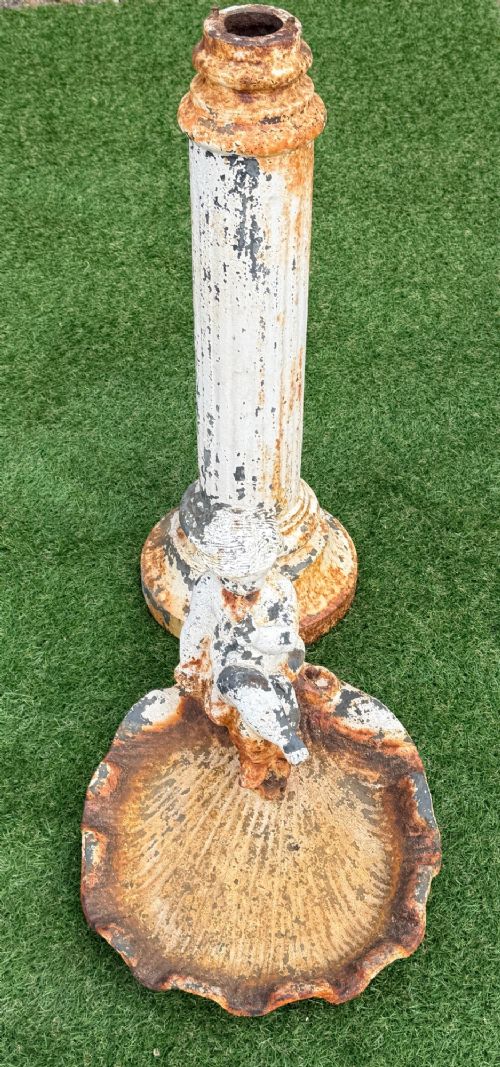
Quality in a vintage garden feature rests upon the depth of weathering and the integrity of the material. Heavy cast iron pieces show crisp casting detail in elements like shell forms and urns, while stone items display natural mineral variations and authentic lichen growth.
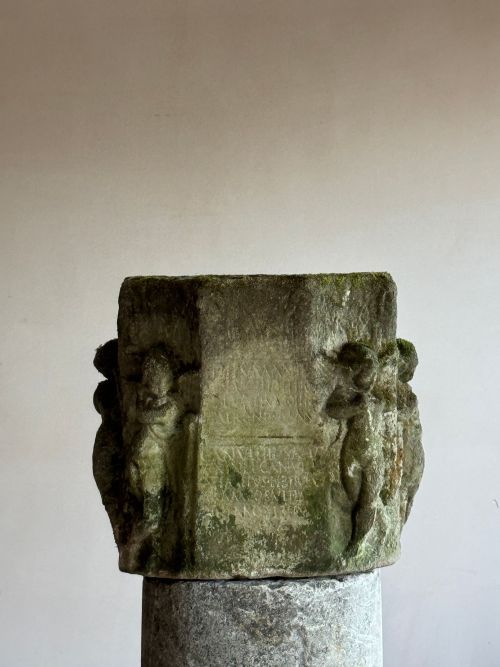
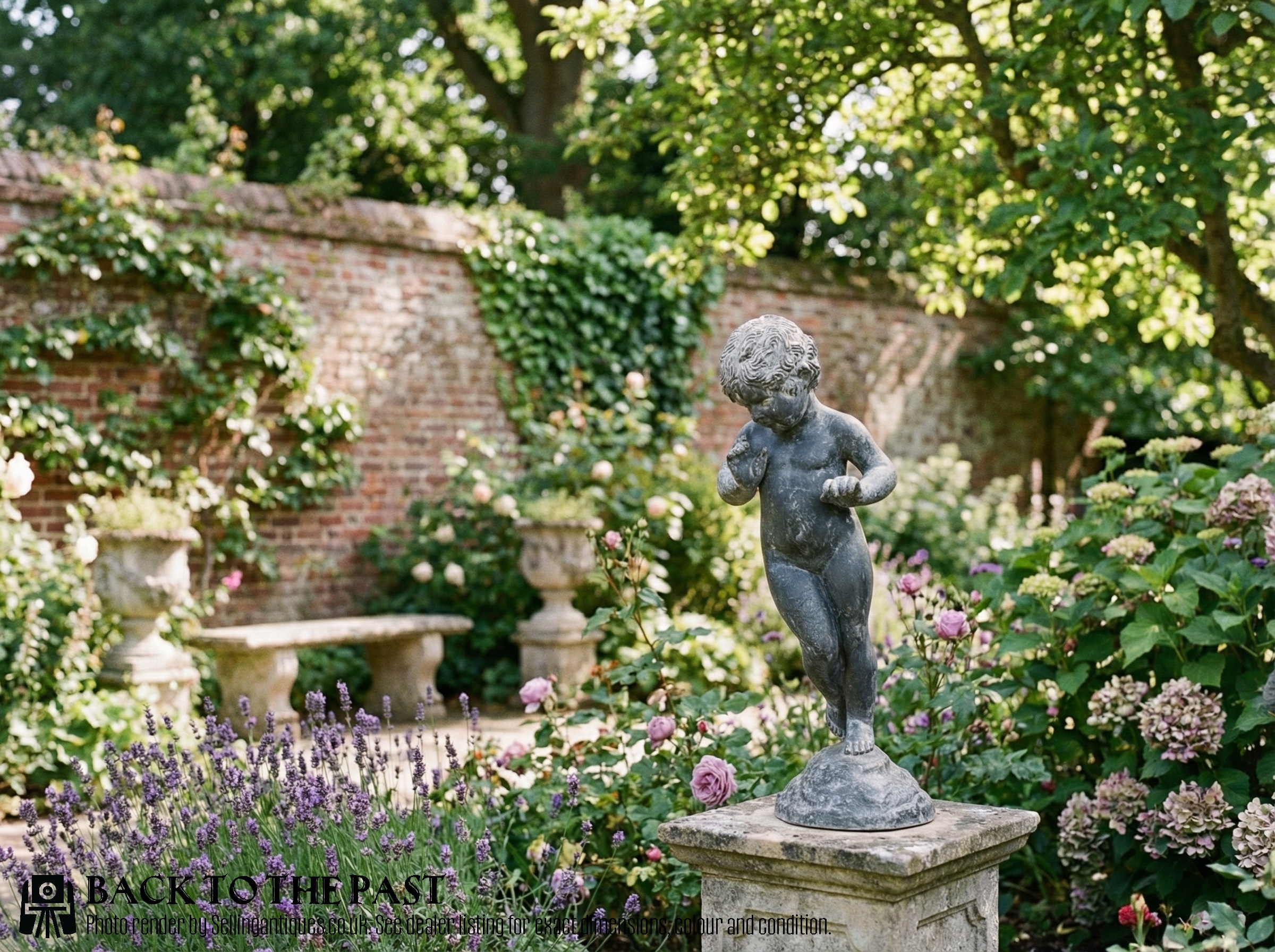
The proportion and sculptural merit of figures, such as lead putti or neoclassical birdbaths, separate standard utility items from finer artistic works. Original fixings, forged iron handles, and untouched patination elevate the standing of architectural salvage.
The Vintage Garden Feature Glossary
- Staddle stone
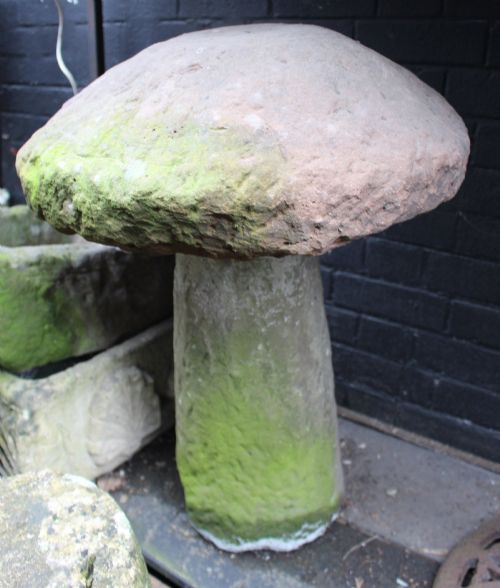
- A mushroom-shaped stone support originally used to elevate granaries off the ground to prevent damp and vermin. These now serve widely as decorative garden pillars.
- Millstone
- A heavy circular stone used in pairs for grinding grain or minerals. Examples often feature a central eye and forged iron handling fixtures.
- Putto
- A figure of a small chubby male child, frequently winged, used extensively in classical and Victorian garden statuary and lead ornaments.
- Architectural salvage
- Building components and decorative elements rescued from structures slated for demolition. This category includes everything from iron hay racks to ceiling roses.
Vintage Garden Feature: Frequently Asked Questions
How do I care for antique lead garden ornaments?
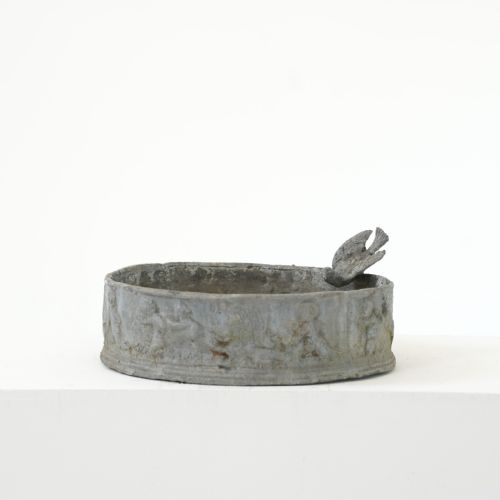
Lead ornaments require very little maintenance because the metal naturally forms a protective grey oxide layer over time. Avoid using harsh chemical cleaners or abrasive wire brushes that strip away this desirable historical patina.
Ensure that lead planters and bird baths are positioned on stable, level ground to prevent warping or stress fractures. During freezing winter conditions, keep hollow vessels drained to prevent ice expansion from splitting the metal.
Are staddle stones frost resistant?
Genuine antique staddle stones are carved from hard stones such as granite, sandstone, or Purbeck stone. These dense materials withstand winter frost exceptionally well due to their low moisture absorption rates.
Positioning them directly on soil or grass is standard practice, though placing a small gravel drainage layer underneath helps prevent prolonged contact with standing water.
How do I identify Victorian cast iron?
Victorian cast iron pieces usually display crisp decorative moulding and considerable heft. Look for evidence of sand casting textures on the undersides or concealed areas of urns, bird baths, and architectural brackets.
Over time, genuine iron develops a stable surface rust layer beneath traditional painted finishes. This deep oxidation differs markedly from the flaky red corrosion seen on modern steel alloys.
Where should I place a heavy stone millstone?
Millstones make striking focal points when laid flat into a lawn or integrated into gravel pathways. Because they often exceed several hundred kilograms, site preparation requires a compacted hardcore and sand base to prevent uneven sinking.
Elevating a millstone slightly on stone blocks also highlights its profile and prevents grass from encroaching across the face.