




Vintage Gaming Chest
A vintage gaming chest combines social entertainment and functional craftsmanship, offering everything from traditional parlor games to fitted decanter bars for your home.
Vintage Gaming Chest
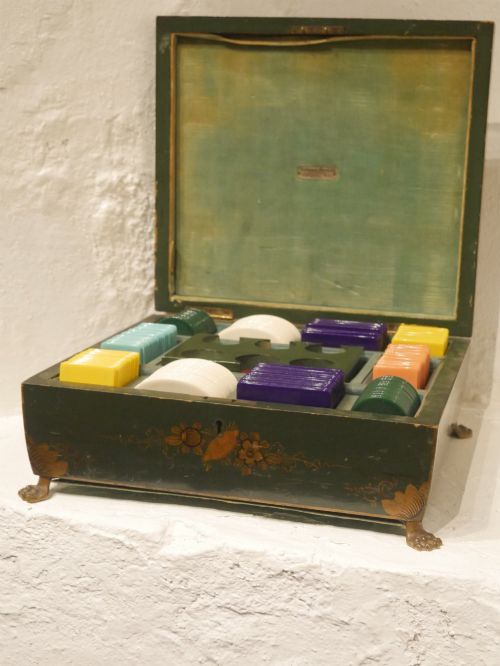
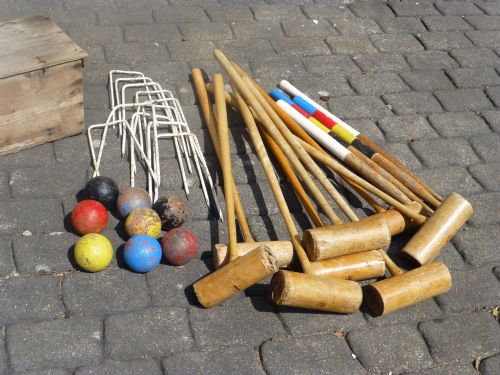
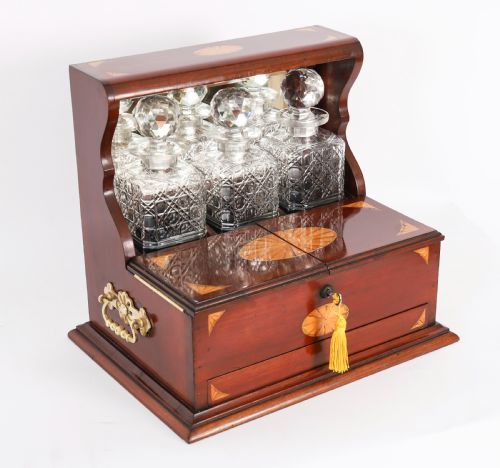
When you search for a vintage gaming chest, you encounter a specialised form of antique box designed to house pastimes and spirits together. These pieces bring together varied pursuits, ranging from croquet sets in pine boxes to elaborate compendiums incorporating cut glass decanters.
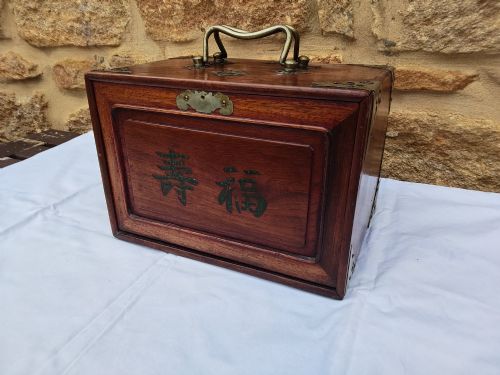
The examples available here span the Victorian and Edwardian eras, alongside Chinese export pieces from the early twentieth century. You will frequently find oak or mahogany cases, often fitted with compartments for games, counters, and glassware.
These items reflect the entertaining habits of past centuries, combining a dry bar with parlour amusements. They serve as both functional containers and striking decorative objects for a reception room or study.
How they were made
Cabinetmakers constructed these chests using durable timbers such as oak, mahogany, and satinwood, frequently employing brass for hinges, mounts, and locking mechanisms. The interiors often feature fitted compartments lined to protect delicate components.
Game pieces and accessories within these sets utilise traditional materials like bone, bamboo, and cut glass. For outdoor pastimes, robust woods such as pine provided sturdy housing for lawn game equipment.
Vintage Gaming Chest Retail Price Guide 2026
Typical asking prices for vintage gaming chest among the pieces listed under this phrase on Sellingantiques today, from the lower quarter to the upper quarter. They describe what is for sale here now, not the wider market.
Current listings feature pieces spanning the Victorian and Edwardian periods alongside Chinese export items from the nineteen-twenties.
What varies in quality
The distinction between standard pieces and finer examples rests on the complexity of the interior arrangement and the quality of the materials utilised. Superior chests integrate multiple functions, such as combining a secure tantalus with a comprehensive games compendium.
Craftsmanship in the cabinetwork, including satinwood inlay and heavy brass hardware, elevates a piece. Complete sets retaining their original bone components and cut crystal decanters represent a higher standard of survival and production.
The Vintage Gaming Chest Glossary
- Tantalus
- A locking drink cabinet that displays decanters while preventing unauthorised access to the contents. This device typically secures the stoppers beneath a metal bar.
- Compendium
- A single fitted box containing a variety of different games and pastimes. These multi-purpose containers usually house cards, counters, and boards for several distinct activities.
- Decanter box
- A specialised container designed to hold glass bottles for spirits securely during transport or stationary use. They often feature partitioned interiors lined with velvet or leather.
- Mah Jong
- A tile-based game originating in China, played with sets traditionally carved from bone and bamboo. These tiles are housed in dedicated wooden chests.
- Crest
- A decorative brass escutcheon or plaque set into the lid of a box, often bearing initials or a family emblem.
Vintage Gaming Chest: Frequently Asked Questions
What is a vintage gaming chest?
A vintage gaming chest is a fitted wooden box designed to hold equipment for indoor or outdoor pastimes, frequently incorporating a tantalus or dry bar.
These pieces date from the Victorian and Edwardian periods, as well as early twentieth-century Chinese export workshops, serving both decorative and entertaining functions.
How were these boxes used?
Households used these chests to entertain guests during parlour evenings or social gatherings by providing immediate access to spirits and games.
Owners would keep them in a drawing room or study, unlocking the cabinet to serve drinks and retrieve components for cards, board games, or lawn activities.
What materials are common in these chests?
The primary structures utilise hardwoods such as oak, mahogany, satinwood, and pine, paired with brass for structural and decorative hardware.
Internal elements and game pieces frequently incorporate cut glass, bone, and bamboo, reflecting the diverse manufacturing origins of the contents.
How do I date a gaming chest?
Dating relies on the predominant style of the cabinetwork, the wood species used, and the accompanying hardware. Victorian and Edwardian examples show distinct joinery methods and decorative motifs.
Makers often integrated contemporary tastes in brasswork and inlay, helping to place pieces within specific nineteenth or early twentieth-century decades.