
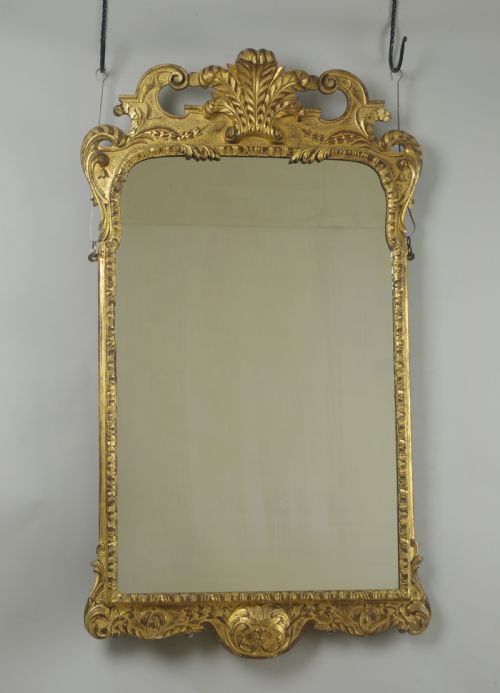
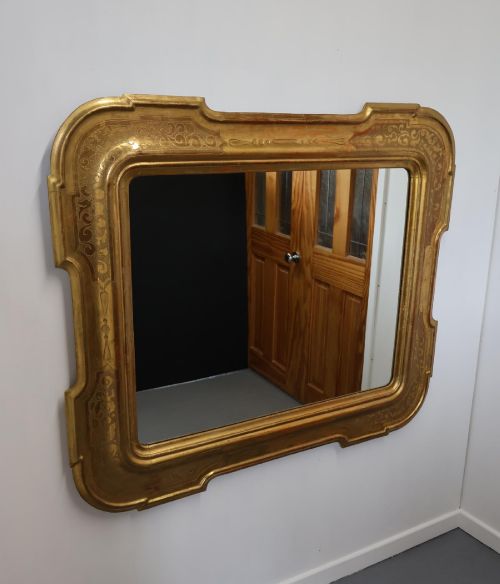
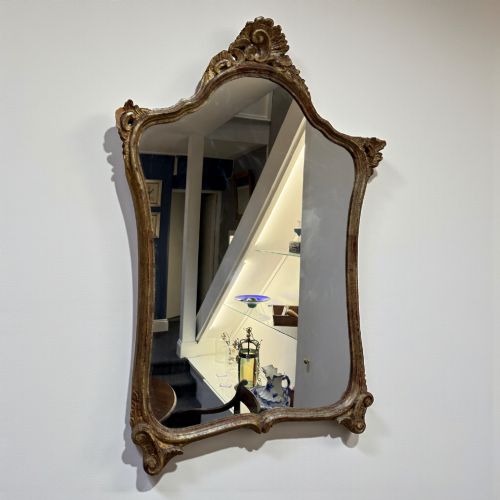
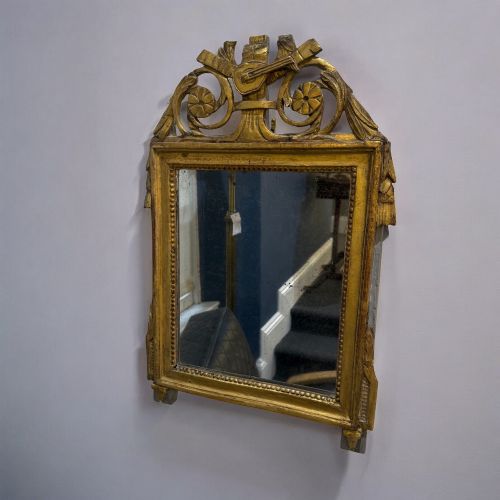

Vintage French Wall Hanging
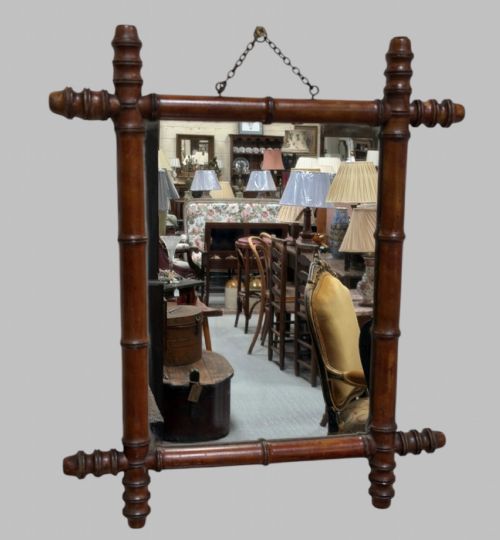
These vintage french wall hanging pieces span mirrors, tapestries and carved panels that bring texture and history directly to interior walls.
Vintage French Wall Hanging
A vintage french wall hanging most frequently takes the form of a gilded mirror, an upholstered tapestry or an architectural panel originating from the nineteenth or eighteenth centuries.
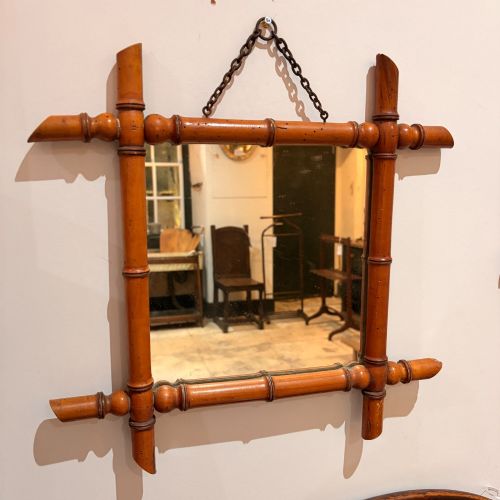
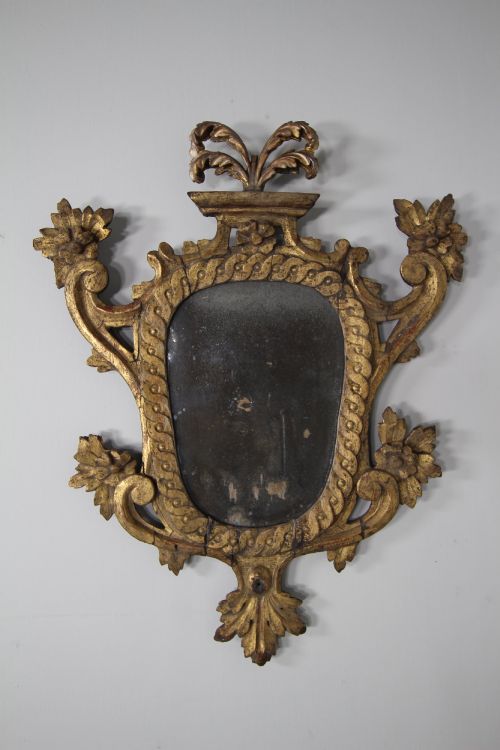
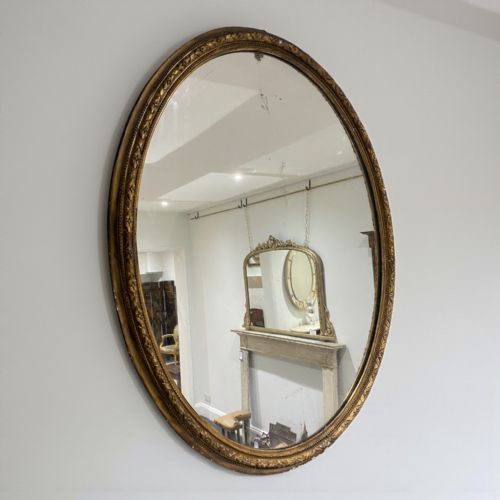
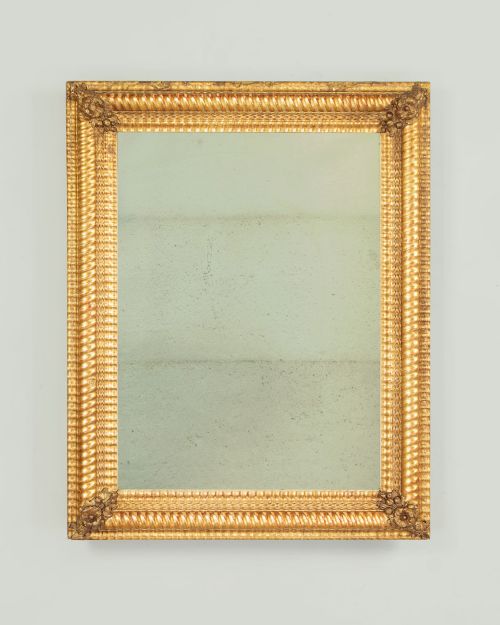
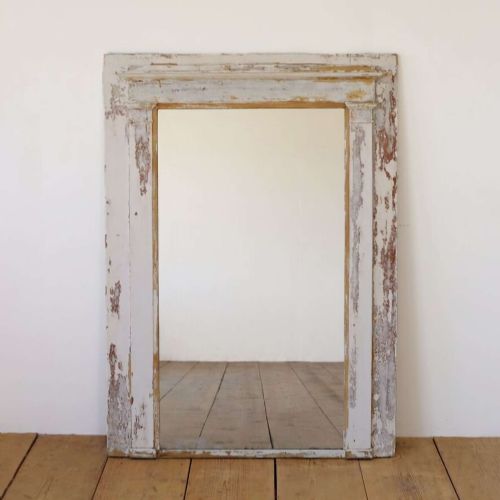
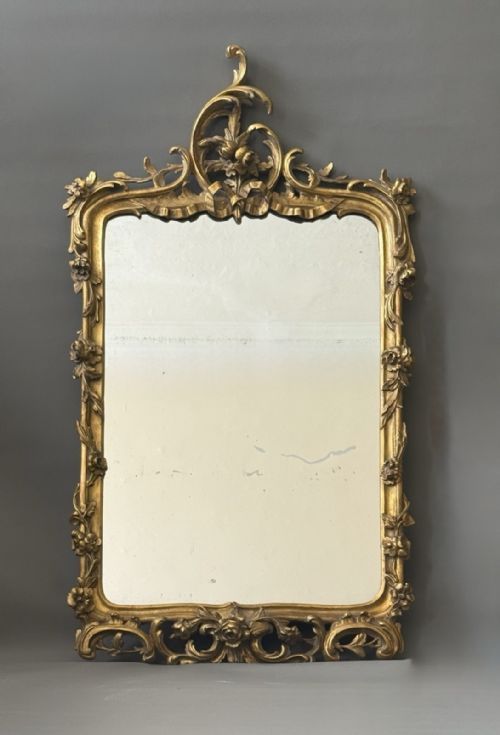
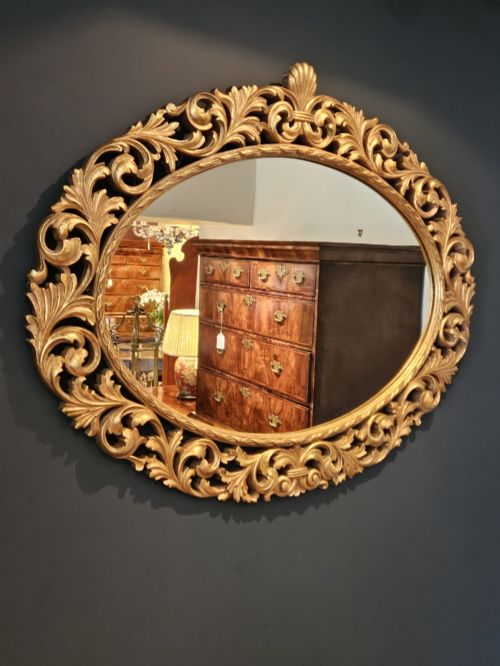
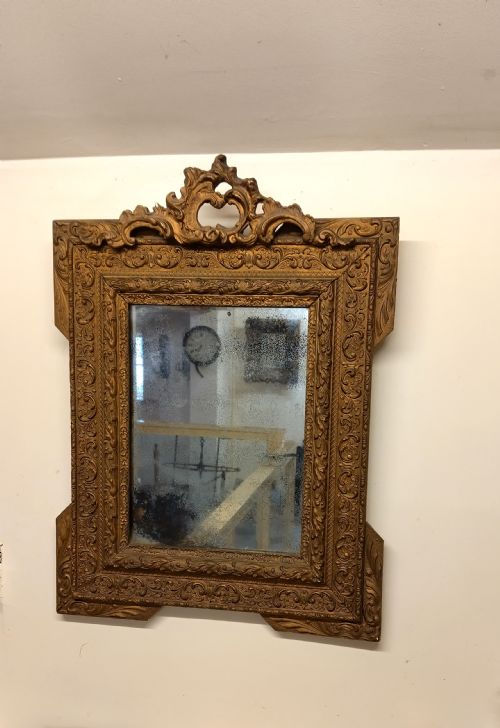
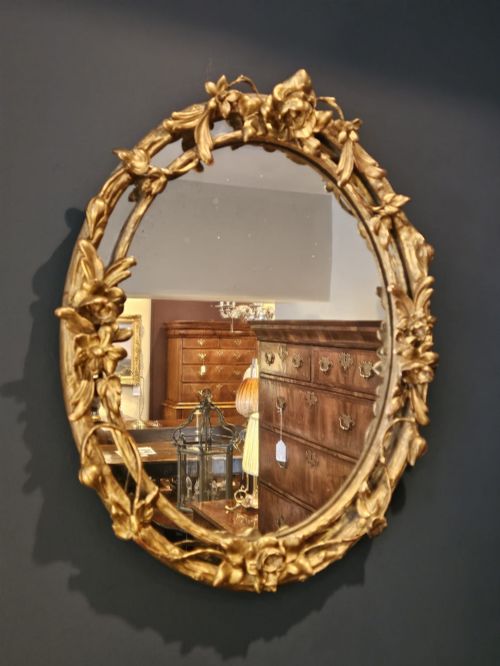
Mirrors dominate the selection, appearing in carved giltwood, gesso and oak frames shaped by French Rococo or Victorian revival aesthetics.
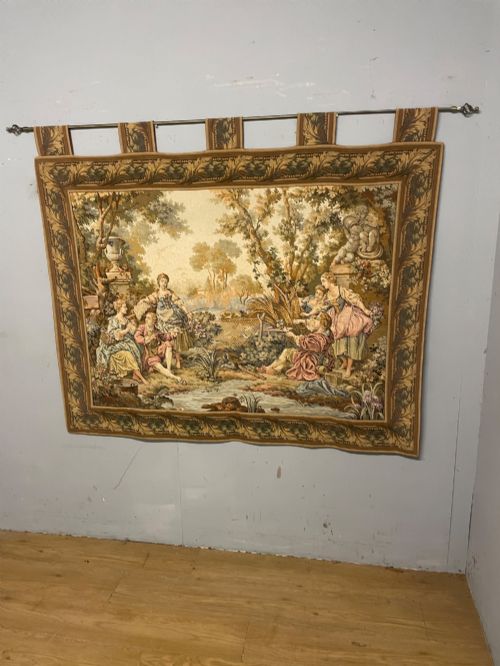
Textile works also feature prominently, ranging from large verdure tapestries to needlework fragments and toile panels mounted for display.
Materials and construction methods
Carved timber, gesso and gold leaf construct the heavy frames of the mirrors, often combined with antique glass plates.
Woven wool, silk and linen form the tapestries and textile panels, utilising traditional needlework and loom techniques.
Wrought iron, bronze and pressed brass provide durable framing and structural support for architectural ironwork and metal screens.
A painted tradesman sign from Rombas hangs alongside palace tapestries, proving that everyday French commerce shares space with grand chateaux.
Distinctions in construction and design
Depth of hand-carving in wood and gesso separates master workshops from standard production pieces, particularly in floral and scroll motifs.
Complexity of the loom work and richness of the dyed wools define the superior textile panels.
Condition of the original gilding and survival of antique mirror glass dictate the integrity of the framed works.
Raymond Subes
The Vintage French Wall Hanging Glossary
- Giltwood
- Timber coated with a thin layer of gold leaf. This finish often shows natural wear that reveals the reddish bole underneath.
- Gesso
- A plaster mix applied to wood frames before gilding. It provides a smooth base for intricate relief moulding.
- Verdure tapestry
- A textile depicting lush landscapes and foliage. These panels frequently include stylized trees, plants and birds.
- Toile
- A cotton or linen fabric printed with pastoral scenes in a single colour. It typically covers walls or forms decorative panels.
- Faience
- Tin-glazed earthenware produced in Europe. Pieces display hand-painted pigments over an opaque white glaze.
Vintage French Wall Hanging: Frequently Asked Questions
How do I hang a heavy antique mirror?
Heavy mirrors require secure wall fixings distributed evenly across the timber backing or iron brackets. Professional wall anchors suited to the specific wall type ensure safe support for carved frames.
Position the piece at eye level to balance the room proportions, avoiding direct moisture sources that could damage the antique glass or gesso.
How are antique tapestries cleaned?
Textiles require gentle surface dust removal using a soft brush rather than rigorous vacuuming. Professional conservation cleaning is necessary for deeper soil removal.
Keep woven panels away from direct sunlight to prevent fading of the natural wool and silk dyes over time.
What defines Rococo Revival style?
Rococo Revival design embraces asymmetrical scrolls, organic plant motifs and shell shapes. This nineteenth-century movement reinterprets eighteenth-century French decorative arts with deeper relief carving.
Frames from this period display exuberant floral garlands and dynamic serpentine outlines.
Can antique glass plates be replaced?
Original mirror plates often exhibit foxing, dark spots and minor silvering loss due to age. Many collectors value these signs of authenticity rather than replacing the glass.
When structural safety demands a replacement, modern glass is cut to fit the historic rebate of the wooden frame.