




Vintage French Side Chests
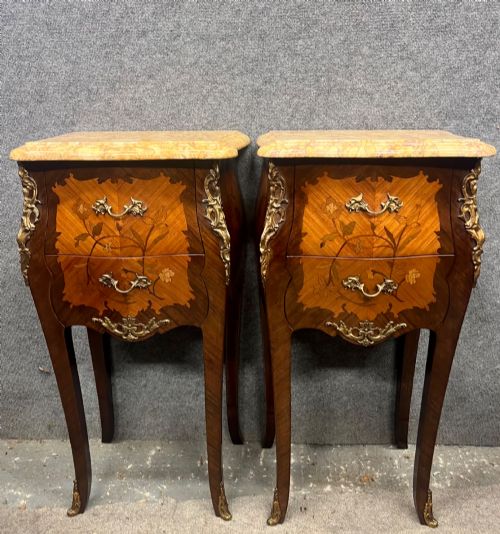
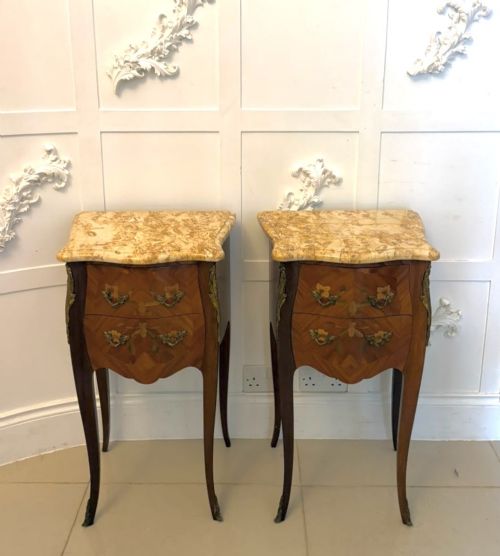
Vintage french side chests bring continental elegance to interiors, offering compact storage topped with marble and detailed in rich timbers.
Vintage French Side Chests
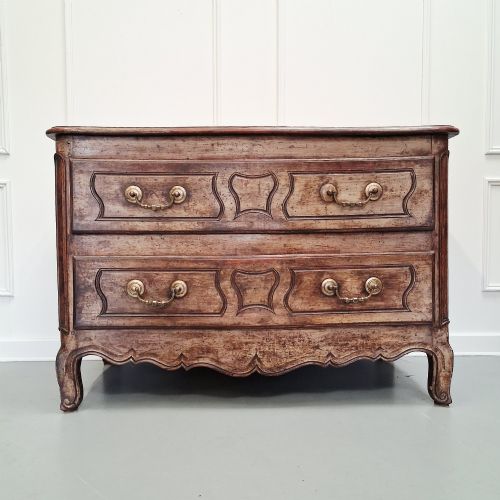
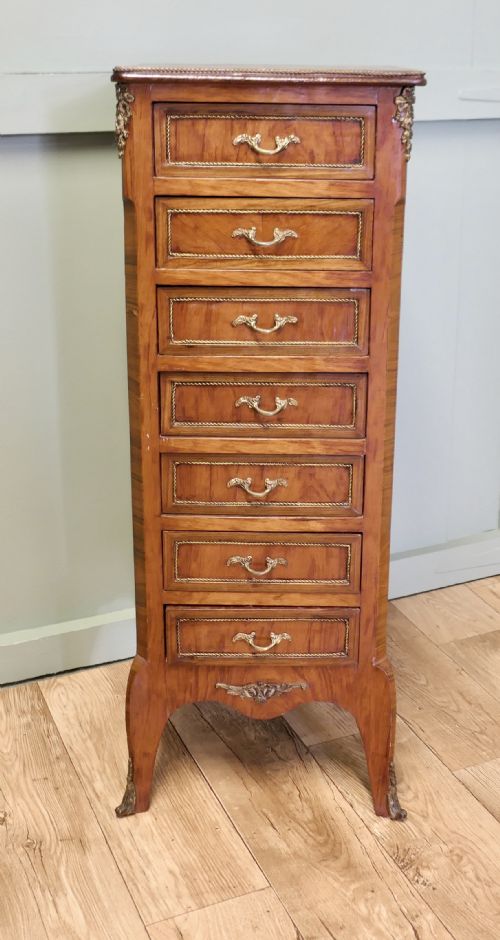
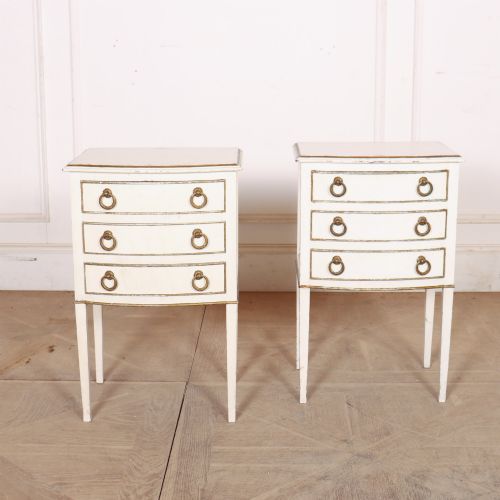
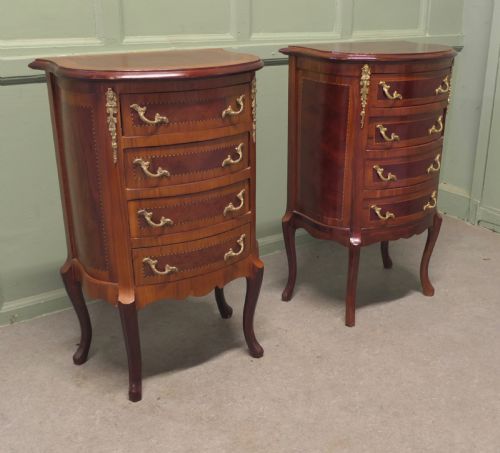
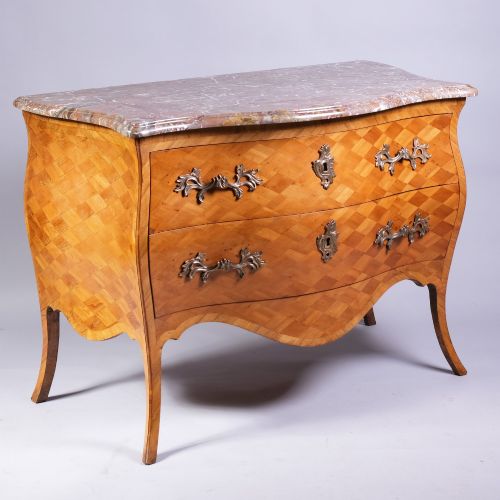
Vintage french side chests encompass commodes, bedside cabinets, and small chests of drawers originating from various periods including the eighteenth century up to the 1930s. Buyers searching for vintage french side chests will find pieces ranging from compact bedside tables to larger commodes designed for domestic storage.
How they were made
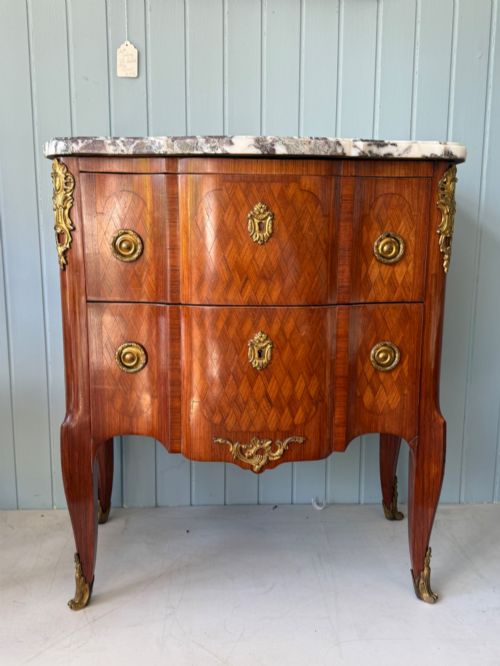
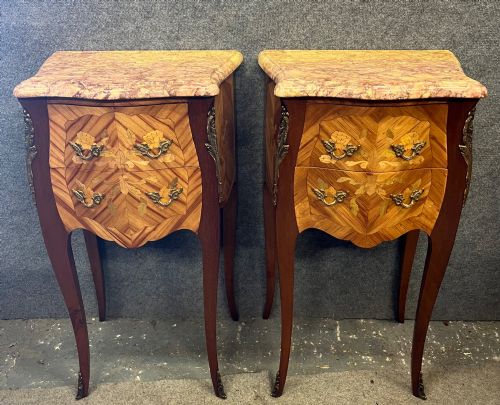
Cabinet makers utilised solid woods such as walnut, mahogany, elm, and cherrywood alongside exotic veneers like kingwood and rosewood for marquetry and parquetry patterns. Surfaces were frequently completed with fitted marble tops, including grey and scagliola varieties.
Metal mounts in brass, bronze, and ormolu were cast and applied to corners, handles, and feet to accent the structural lines of the furniture. These traditional joining and decorative methods give the chests their enduring stability.
Several bedside cabinets arrive with secret compartments designed for midnight letters.
What varies in quality
The refinement of the timber work and the complexity of inlaid marquetry distinguish finer examples from simpler provincial pieces. Hand-cut veneers and detailed parquetry patterns require skilled labour that elevates the status of a chest.
The weight and finish of the marble tops and the crispness of the cast ormolu and brass mounts also separate standard items from exceptional ones. Integration of curved serpentine or bombe fronts demands advanced carpentry techniques.
The Vintage French Side Chests Glossary
- Commode
- A low chest of drawers or cabinet, typically dating from the eighteenth or nineteenth century. They often feature decorative marble tops and intricate veneer work.
- Marquetry
- The art of applying pieces of veneer to a structure to form decorative patterns and pictures. Craftsmen use various coloured woods to achieve tonal depth.
- Ormolu
- Gilded bronze mounts applied to furniture for decorative effect. This technique was widely utilised during the eighteenth and nineteenth centuries.
- Bombe
- A bulging, outward-curving shape found on the front and sides of certain cabinets. This silhouette requires specialised bending of wood and veneer.
- Parquetry
- A geometric mosaic of wood pieces used for decorative floors and cabinet surfaces. It relies on precise angles and contrasting timber grains.
Vintage French Side Chests: Frequently Asked Questions
What is a commode?
A commode is a low chest of drawers or cabinet designed for domestic storage. In the context of french furniture, these pieces often feature marble tops and decorative veneer work.
They function well as bedside tables or accent pieces in living areas, providing both surface area and enclosed drawer space.
How do I identify Louis XV style?
Louis XV style furniture is characterised by curved lines, cabriole legs, and asymmetrical rococo ornamentation. Pieces from this tradition often incorporate floral marquetry and ormolu mounts.
Revival pieces from later periods replicate these ornate characteristics using similar traditional construction methods and timber selections.
Where were these chests used?
These chests were originally placed in bedrooms, boudoirs, and reception rooms of grand homes and provincial residences. Their compact dimensions made them versatile for various interior spaces.
Today, they serve similar functions as bedside cabinets, lamp tables, or decorative storage units in modern homes.
Are marble tops original?
Marble tops on french chests were commonly integrated into the original design, particularly for commodes and bedside cabinets, to provide a durable and waterproof surface. Different types of marble, such as grey and scagliola, indicate the period and style of the piece.
These stone slabs are typically heavy and rest directly upon the wooden carcass of the cabinet.