

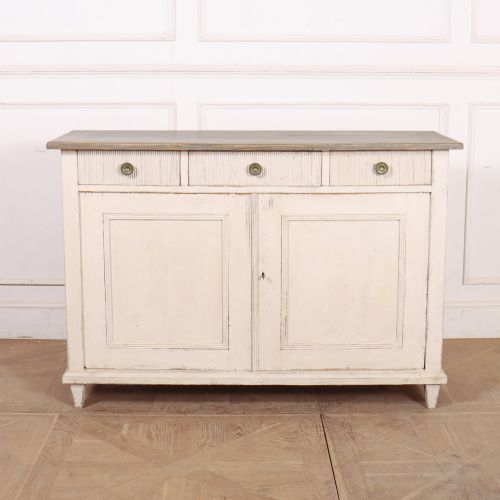
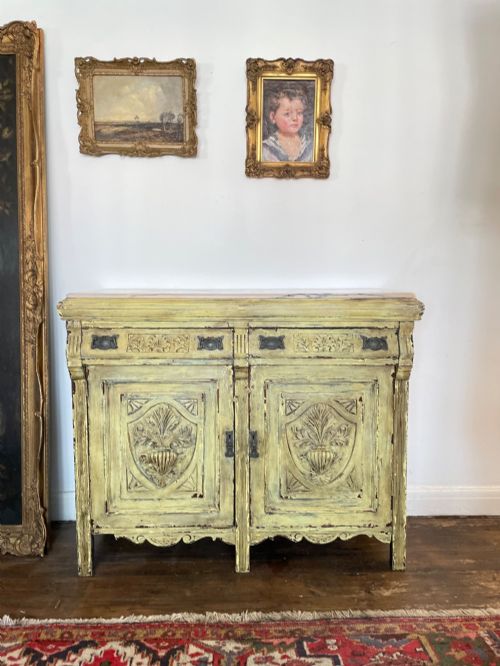
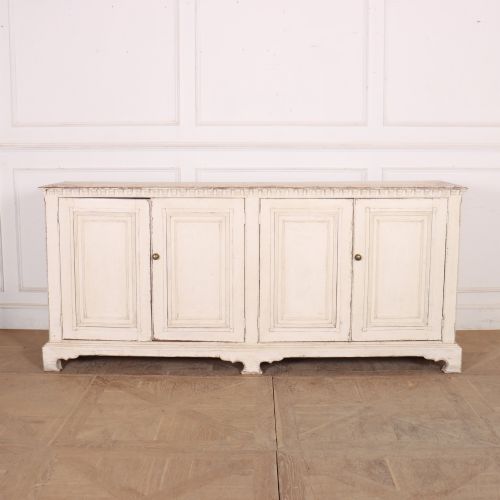
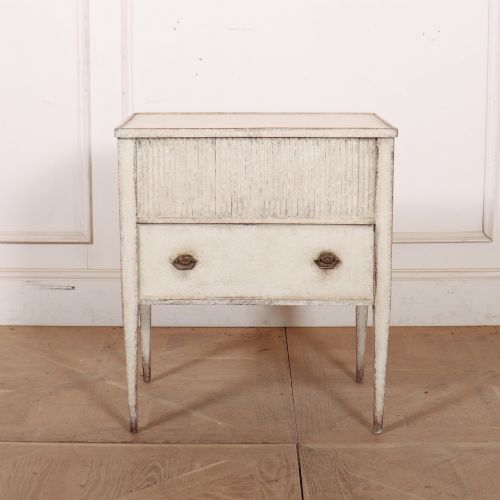
Vintage French Painted Cupboard
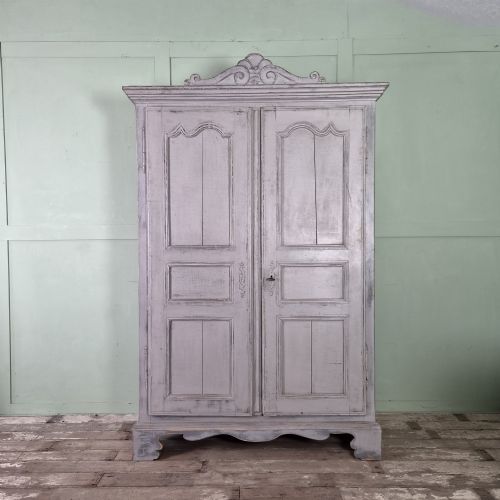
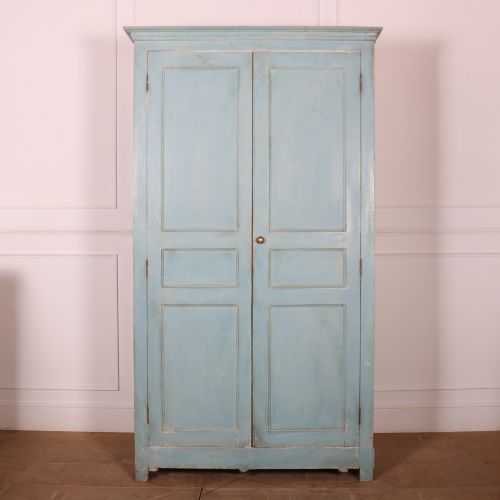
A vintage french painted cupboard brings provincial character and practical storage to a room through weathered pigment and traditional timber construction.
Vintage French Painted Cupboard
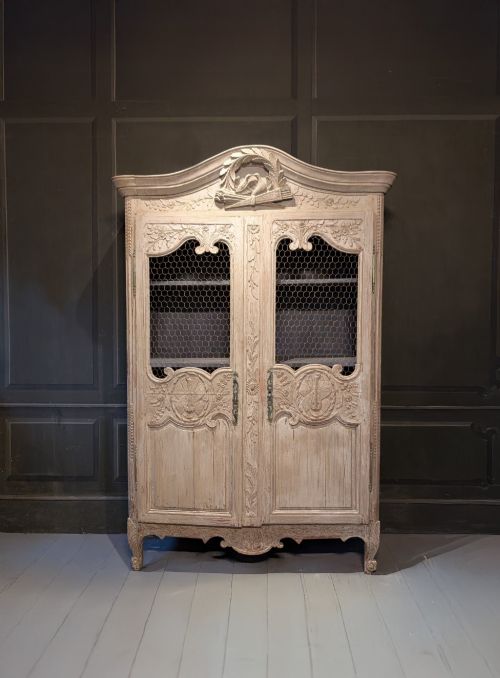
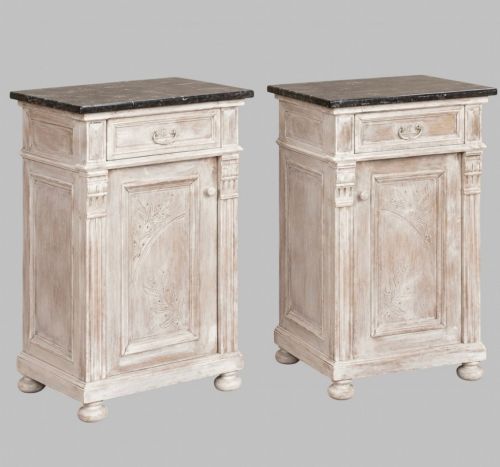
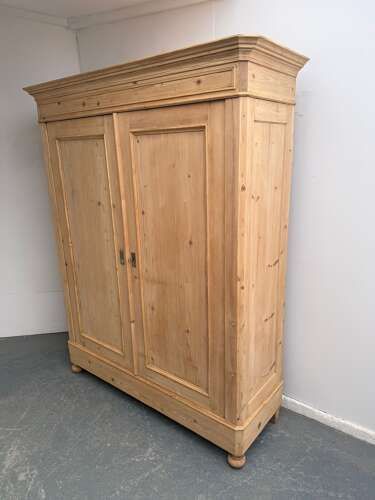
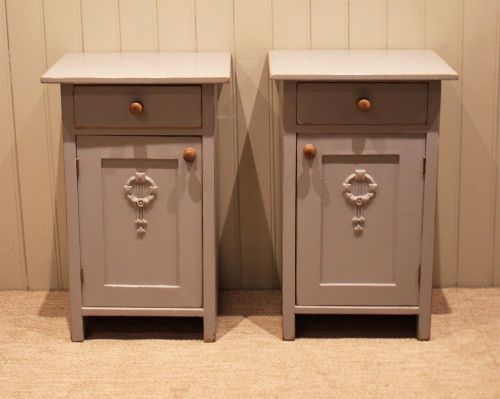
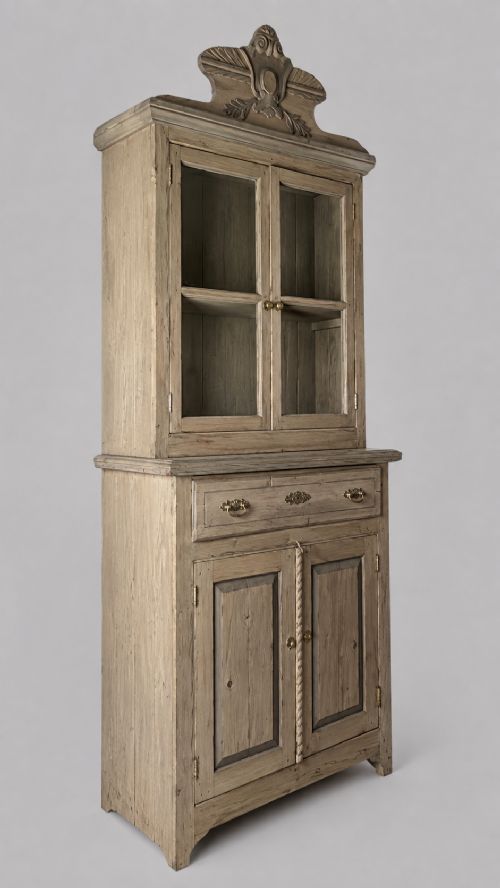
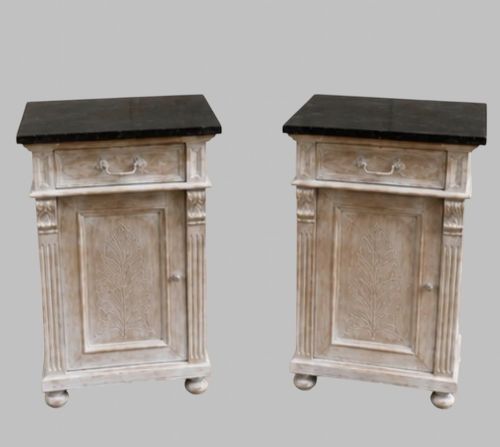
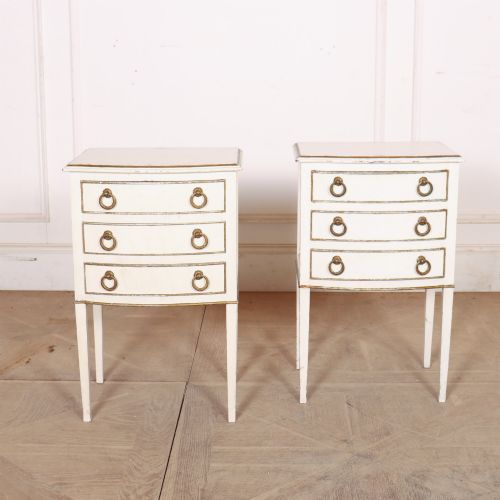
A vintage french painted cupboard encompasses a diverse group of domestic storage furniture originating from rural and provincial settings. Buyers frequently encounter smaller bedside pieces alongside larger storage cupboards, armoires, and linen presses.
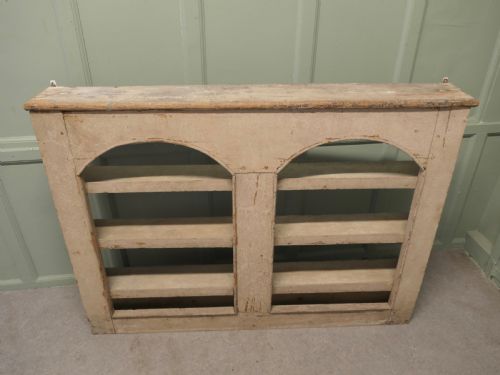
The material foundation rests primarily on solid pine and other regional woods, often finished in layers of aged paint. Regional variations span French provincial forms to alpine wedding cupboards and glazed vitrines.
Pieces range from eighteenth-century examples to later nineteenth-century interpretations, reflecting the utility of country houses and chateaux. Storage cupboards, sideboards, and confituriers form the core of what collectors select for daily use.
Materials and construction
Makers utilised native timber, notably solid pine, combined with iron hardware, brass accents, and occasional marble tops. Construction relies on traditional joinery techniques suited to daily domestic demands in provincial workshops.
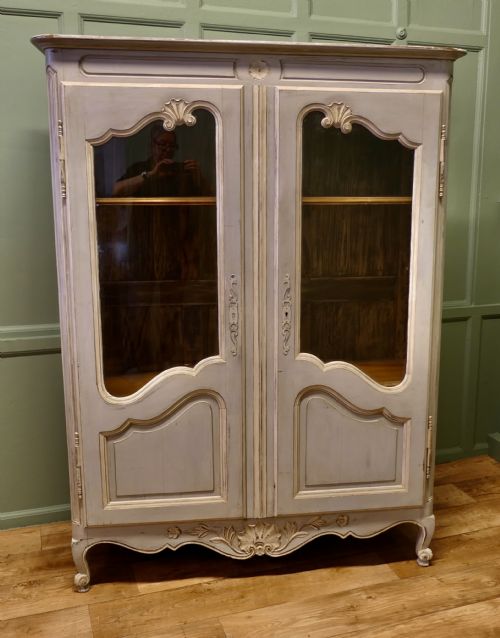
Surface finishes rely on historical paint layers, which developed patinas through decades of household wear and repeated overpainting. Glazed doors incorporate glass panes, while display cabinets and bookcases feature carved wooden detailing.
Vintage French Painted Cupboard Retail Price Guide 2026
Typical asking prices for vintage french painted cupboard among the pieces listed under this phrase on Sellingantiques today, from the lower quarter to the upper quarter. They describe what is for sale here now, not the wider market.
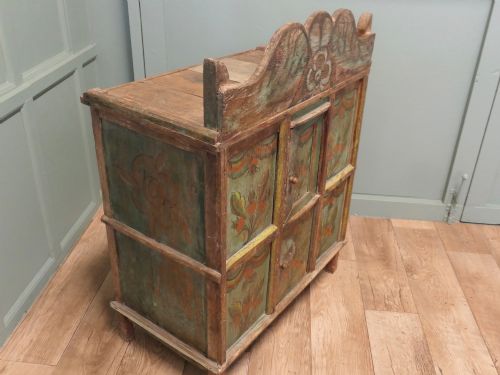
Alpine wedding cupboards carried painted symbols of prosperity and union, destined to hold the bride's linen dowry for generations of rural family life.
Assessing the craftsmanship
Quality rests upon the integrity of the original timber frame and the authenticity of the surface finish. Pieces retaining early or original paint layers command greater interest than later refinished surfaces.
Proportion and scale dictate the visual success of each piece, from modest bedside cabinets to imposing armoires. Structural soundness in the doors, hinges, and internal shelving separates utilitarian items from finer decorative examples.
The Vintage French Painted Cupboard Glossary
- Armoire
- A tall wardrobe or double-door cupboard used traditionally for storing garments and household linens. These substantial pieces often feature carved details and panelled doors.
- Confiturier
- A small jam cupboard designed originally to store preserves and provisions in provincial French kitchens. They typically stand at a lower height with a single door and drawer.
- Vitrine
- A glazed display cabinet intended for showcasing ceramics, books, or glassware behind glass panels. These feature frames designed to offer clear visibility of the interior contents.
- Buffet
- A low side cabinet or sideboard utilised for serving food and storing dining equipment. They frequently incorporate marble tops or timber surfaces above enclosed storage compartments.
- Vernis Martin
- A simulated Japanese lacquer technique developed in eighteenth-century France using resin varnishes. It appears on high-status decorative furniture alongside gilt mounts.
Vintage French Painted Cupboard: Frequently Asked Questions
How do I date a painted cupboard?
Dating relies upon examining construction methods, tool marks on the timber, and the composition of the underlying paint layers. Hand-cut joints and forged iron hardware generally point to earlier provincial manufacture.
Changes in proportion and stylistic flourishes, such as rococo carvings or neoclassical lines, further anchor a piece within the eighteenth or nineteenth century.
Are these pieces suitable for modern kitchens?
These cupboards integrate easily into contemporary interiors by providing functional storage with distinct aesthetic character. Their varied scales accommodate kitchen linens, dry goods, or dinnerware.
Care should be taken to monitor humidity levels in kitchen spaces to protect aged timber and historic paint surfaces from moisture damage.
What is the difference between a confiturier and a bedside cabinet?
A confiturier is a taller provincial storage piece originally built for food preservation in the kitchen, featuring a single door and internal shelving. Bedside cabinets are significantly more compact items designed to sit beside a bed.
While both utilise pine and painted finishes, their original domestic functions dictate their distinct heights and proportions.
How should I care for historic painted finishes?
Preserving aged paint requires avoiding harsh chemical cleaners and modern detergents that can strip fragile historical pigments. Dusting with a soft, dry cloth maintains the surface without abrasion.
Applying microcrystalline wax can protect exposed timber sections, but painted surfaces generally require minimal intervention to retain their authentic patina.