





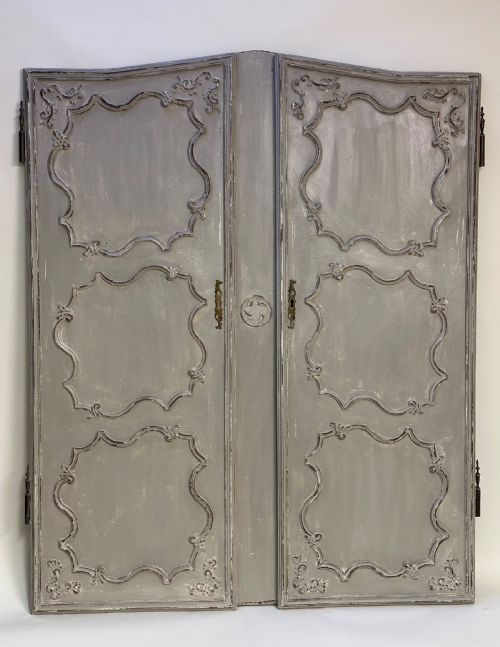
Distressed Grey Armoire
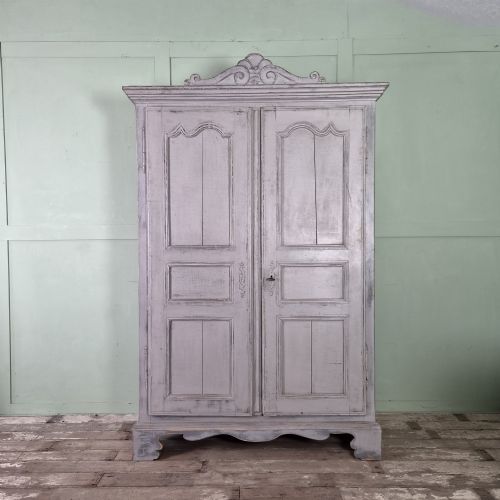
A distressed grey armoire brings utility and softened painted texture to a room, offering generous interior storage behind tall panelled doors.
Distressed Grey Armoire
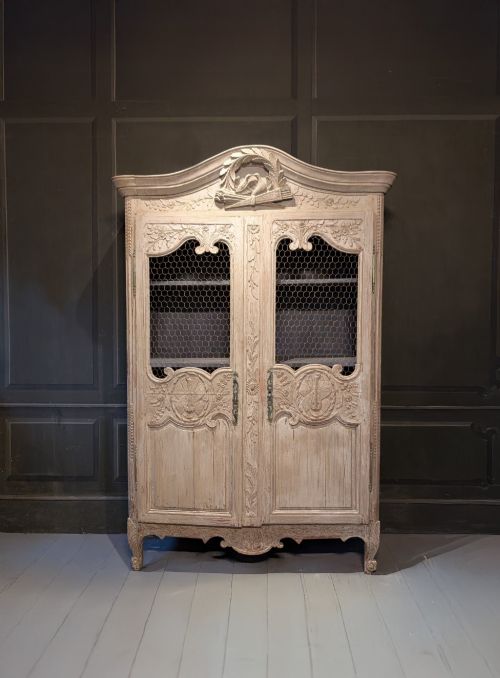
A distressed grey armoire encompasses large storage cupboards, linen presses and vitrines finished in muted paint with aged patination. When searching for a distressed grey armoire, buyers encounter pieces spanning the eighteenth century through to the early twentieth century, reflecting various European regional traditions.
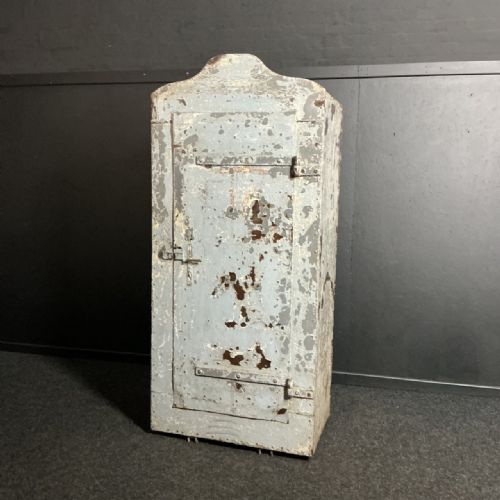
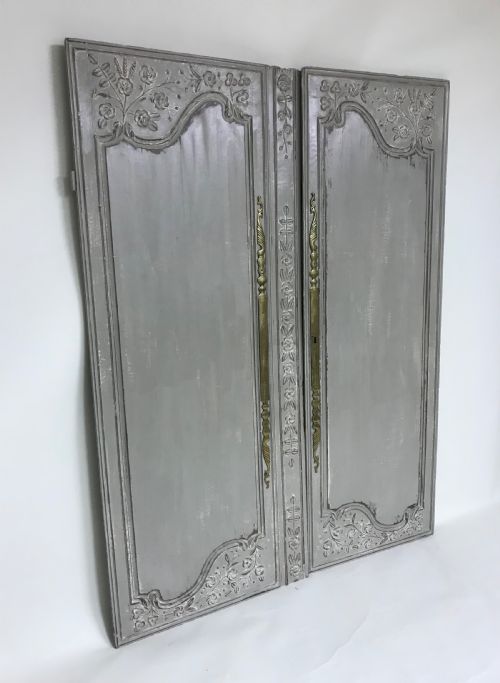
The selection ranges from robust Georgian pine storage cupboards and eighteenth-century French and Swedish linen presses to nineteenth-century Rococo display cabinets and industrial steel cupboards. Architectural elements such as paired French carved or panelled doors also appear alongside traditional freestanding wardrobes.
French Provincial and Gustavian influences dominate the aesthetic, favouring soft grey colourways with weathered surfaces that expose underlying wood or previous layers of paint. These forms suit contemporary interiors while retaining the proportion and presence of their original domestic contexts.
Construction and materials
Construction relies primarily on solid timber such as pine and walnut, joined using traditional methods suited to large case furniture and tall doors. Iron and brass hardware, including hinges and latches, provide structural reinforcement and functional operation.
Distressed Grey Armoire Retail Price Guide 2026
Typical asking prices for distressed grey armoire among the pieces listed under this phrase on Sellingantiques today, from the lower quarter to the upper quarter. They describe what is for sale here now, not the wider market.
Listings feature pine, walnut, painted wood and steel across pieces spanning the eighteenth century to the 1920s.
Assessing quality and craftsmanship
Quality rests in the balance of proportions, the integrity of the timber frame and the authenticity of the painted surface. Finer examples display harmonious architectural mouldings and hand-carved detailing that remain crisp beneath layers of historic paint.
The character of the distressing distinguishes superior pieces, where surface wear arises from genuine age and use rather than artificial treatment. Original hardware, well-fitted doors and stable internal shelving elevate the standing of an armoire or cupboard.
The Distressed Grey Armoire Glossary
- Armoire
- A large tall wardrobe or cupboard enclosed by doors, traditionally used for storing garments and household linens. These pieces often feature interior shelving or hanging space.
- Vitrine
- A glass-fronted cabinet or bookcase designed for displaying precious objects and ceramics. The glazed doors protect contents while allowing full visibility.
- Gustavian
- The Swedish interpretation of French neoclassical design, characterised by pale painted finishes, restrained carving and functional elegance. This style emerged during the late eighteenth century.
- Rococo
- An ornate European style of the eighteenth century featuring asymmetrical scrollwork, naturalistic curves and delicate ornamentation. Furniture from this tradition exhibits elaborate decorative carving.
- Provincial
- Denotes furniture made in the regions outside the capital, often displaying simpler construction and local stylistic interpretations. These pieces combine practical utility with rustic charm.
Distressed Grey Armoire: Frequently Asked Questions
What is a distressed grey armoire?
A distressed grey armoire is a large storage cupboard or wardrobe finished in a weathered grey paint. These pieces provide substantial interior storage while introducing a soft, aged decorative element to a room.
They originate from various periods including the eighteenth and nineteenth centuries, drawing on French, Swedish and Georgian design traditions.
How do I style a grey armoire?
A grey armoire functions effectively as a focal point in a bedroom, hallway or living space for linen and general storage. Its neutral painted finish complements both contemporary minimalist interiors and traditional rustic settings.
Pair the piece with natural wood textures and soft textiles to enhance the weathered character of the painted surface.
Are these armoires made of solid wood?
Most traditional examples utilise solid timbers such as pine and walnut for the frame, panels and internal shelving. Some industrial variants incorporate painted steel construction.
Construction methods reflect the period of origin, employing traditional joinery to support large doors and heavy case bodies.
How can I tell the period of an armoire?
Dating relies on examining construction techniques, hardware, moulding profiles and the nature of the painted finish. Georgian and eighteenth-century pieces often display hand-cut joinery and proportions distinct from later nineteenth-century or 1920s examples.
Surface wear and paint layering also offer clues to the age and history of the piece.