



Vintage French Ottoman
These vintage french ottoman options bring classic seating and footstools into your home, combining decorative woodwork with soft upholstery.
Vintage French Ottoman
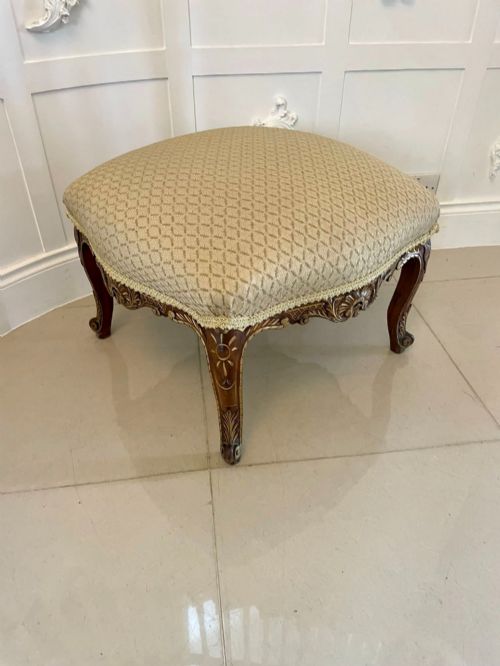
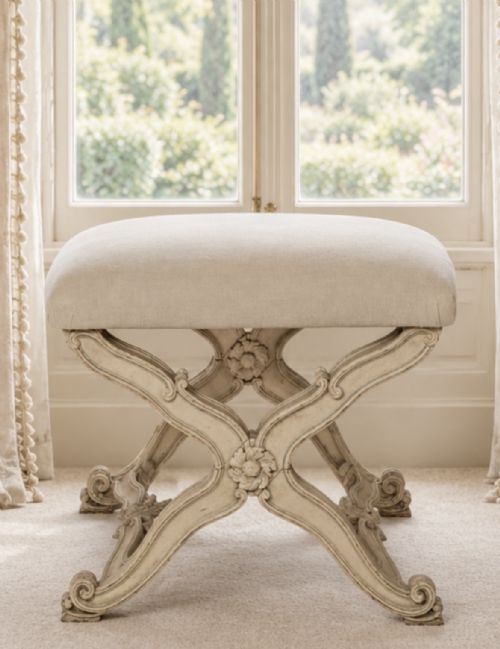
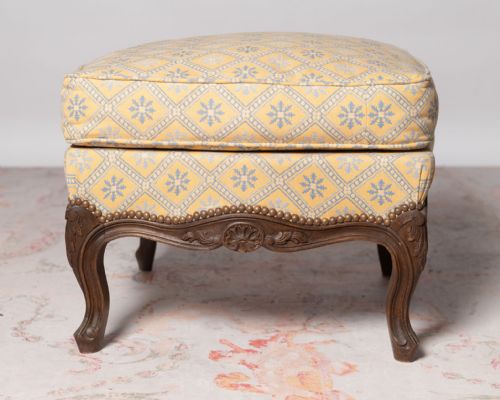
When you search for a vintage french ottoman, you are looking at low upholstered seating and footstools originating from the nineteenth and early twentieth centuries. These pieces appear in forms such as footstools, long stools, daybeds, and window seats, often reflecting historical design idioms like Louis XV and Rococo revival. They serve practical functions as footrests or auxiliary seats while adding traditional character to a room.
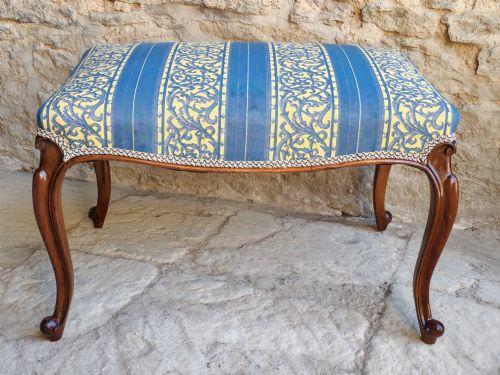
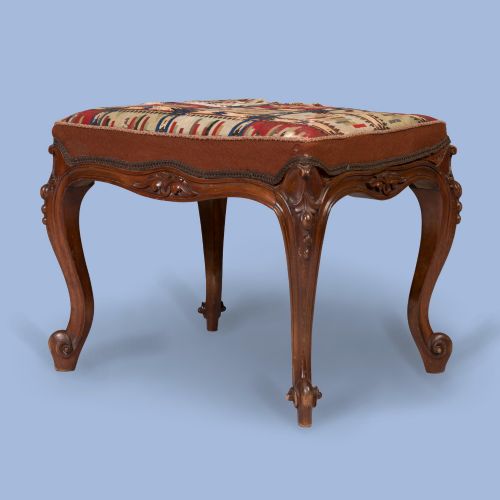
The versions most commonly found here are walnut or painted wood stools featuring cabriole legs and needlework, tapestry, or plain fabric upholstery. Many items date from the nineteenth century or the decades around nineteen hundred, showing regional continental influences alongside Victorian adaptations. Buyers select them to complement traditional interiors with authentic period woodwork and textile coverings.
How they were made
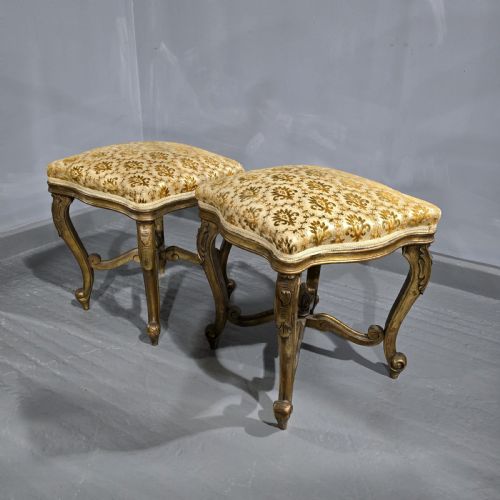
Craftsmen built these frames using traditional hardwoods such as walnut, beech, mahogany, and cherry, often shaping the timber with carved decorative details. Giltwood and painted finishes appear frequently, applied to wooden structures shaped in styles from Regency to Victorian Rococo. Joinery relied on sturdy construction methods suited to supporting weight on low frames.
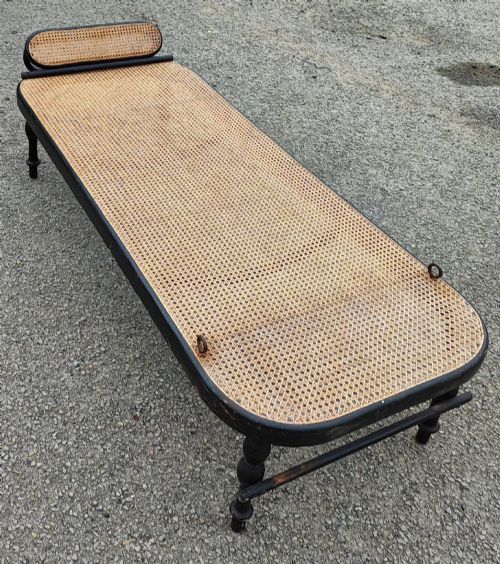
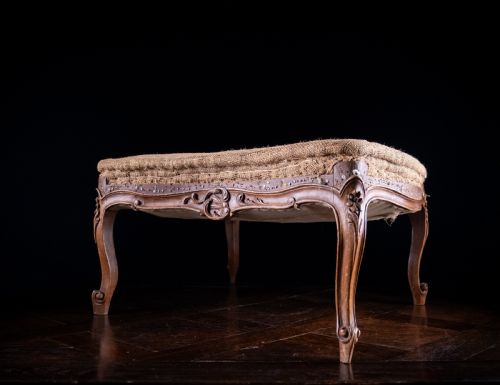
Upholstery involved textiles like velvet, linen, fabric, and needlework tapestries stretched over padding. Some pieces remain ready for re-upholstery, allowing buyers to finish the seating with custom fabrics. Caning also appears on specific long stool and day bed variations.
Listings feature walnut, giltwood, and painted wood structures paired with velvet, linen, and needlework upholstery across the nineteenth and early twentieth centuries.
What varies in quality
The distinction between standard and superior pieces rests on the crispness of the wood carving and the choice of primary materials. Walnut and giltwood frames with deep, detailed relief work represent a higher standard of craftsmanship than simpler painted or plain wood alternatives. The integrity of the original timber frame dictates the foundational worth of the item.
Upholstery presentation and historical cohesion also determine distinction within this category. Pieces retaining period needlework tapestries or specialist fabric finishes display a higher degree of preserved authenticity. The fluidity of cabriole leg shaping and balanced proportions separate ordinary furniture from finer salon pieces.
The Vintage French Ottoman Glossary
- Cabriole leg
- A furniture leg that curves outward and then tapers inward, typical of eighteenth-century and revival seating styles. This shape mimics animal legs and provides sturdy support without heavy stretchers.
- Giltwood
- Wood that has been treated with gold leaf or a gold-coloured finish. This technique highlights decorative carvings on formal frames.
- Needlework
- Hand-stitched textile work used historically for durable furniture upholstery. It often displays floral or geometric patterns on period stools.
- Day bed
- A long seating unit designed for reclining, functioning as both a seat and a small bed. These items often feature upholstered surfaces paired with wooden frames.
Vintage French Ottoman: Frequently Asked Questions
What is a vintage french ottoman?
A vintage french ottoman or stool is a low upholstered seat or footrest produced in continental styles during the nineteenth or early twentieth centuries.
These pieces combine carved wooden frames in walnut, beech, or giltwood with textile covers like tapestry, velvet, or linen.
How were these stools used?
Historically, they functioned as footstools before armchairs, or as moveable seats in salons, bedrooms, and drawing rooms.
Longer variants served as window seats or day beds for resting during the day.
How do I identify the period?
Period identification relies on wood types, leg shapes, and stylistic revival markers such as Louis XV curves or Victorian walnut carving.
Dates range from Regency examples through the late nineteenth century up to nineteen thirty.
Can I reupholster a vintage stool?
Many pieces allow for new fabric to match modern interior schemes, and some listings explicitly offer frames ready for upholstery.
Retaining original needlework or tapestry is common for collectors who value historical textiles.