

Vintage French Marquetry Tables
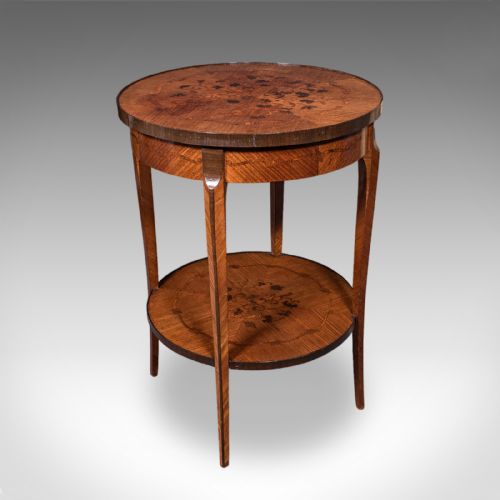
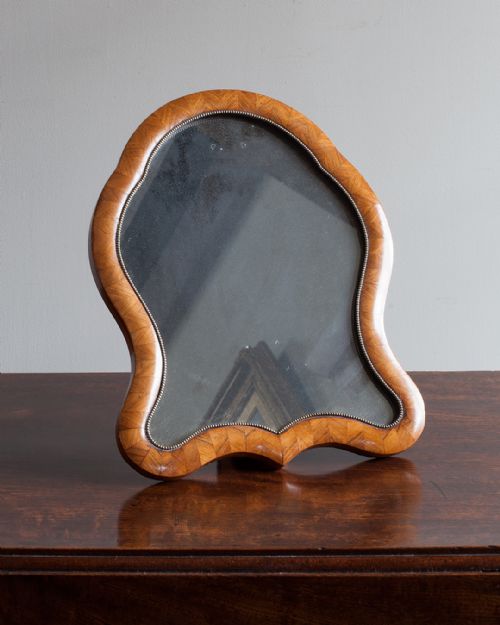
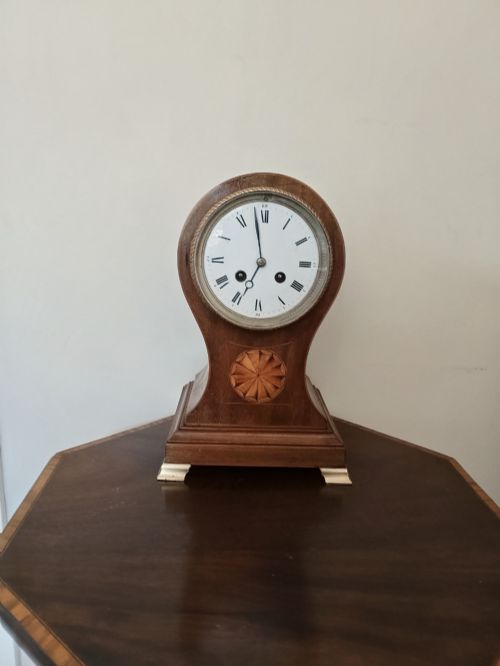
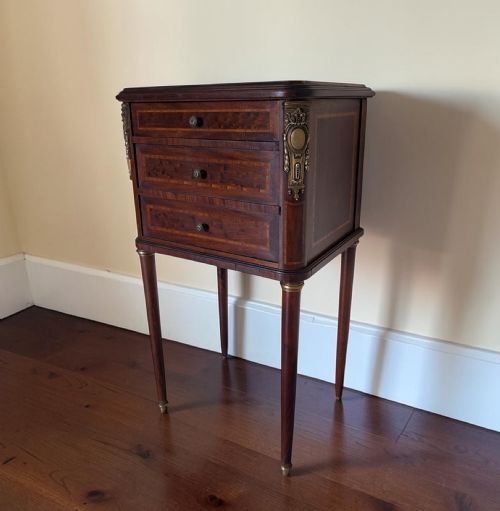
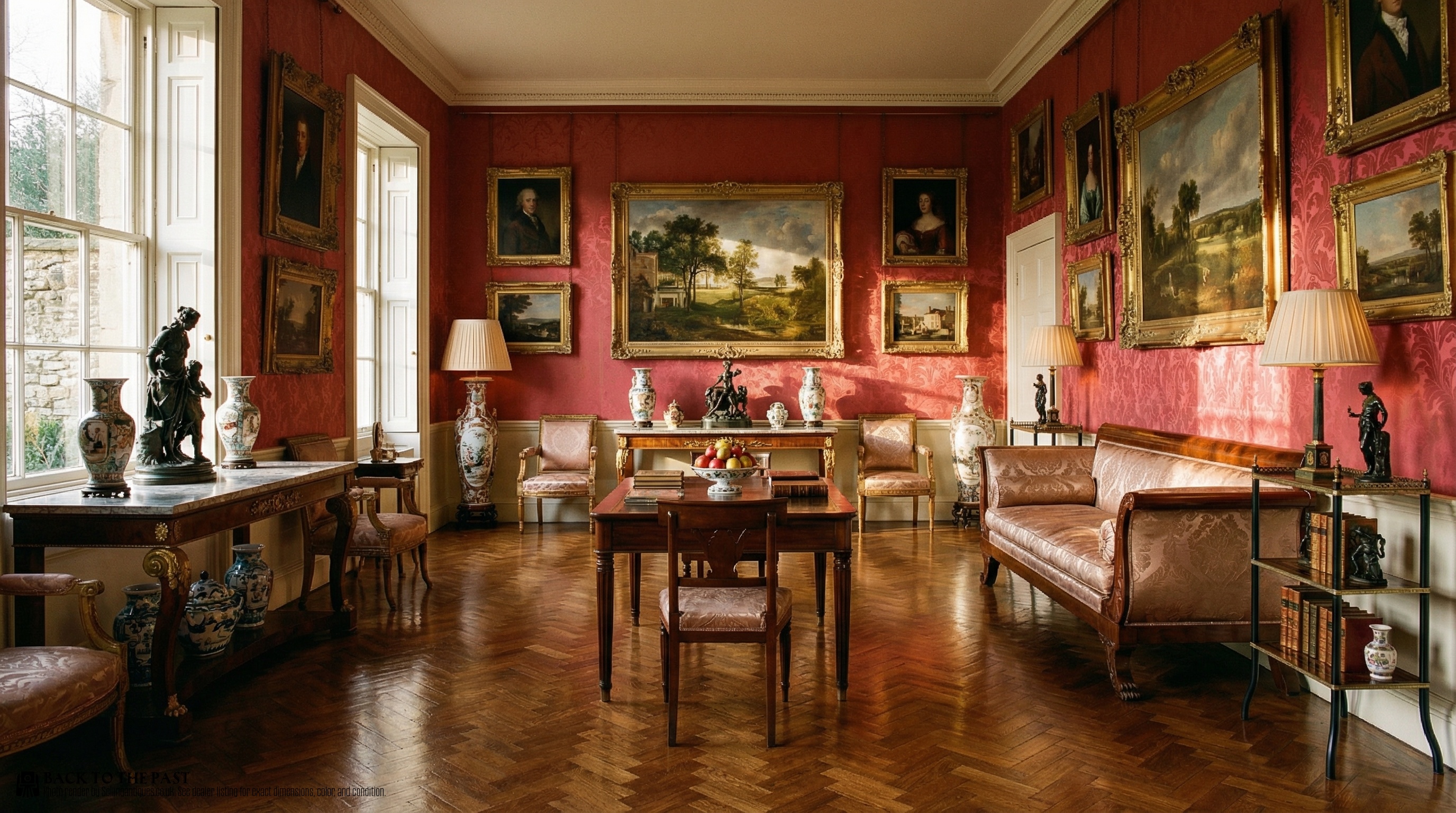
These vintage french marquetry tables bring together intricate wood veneers and fluid revival forms to anchor a principal room.
Vintage French Marquetry Tables
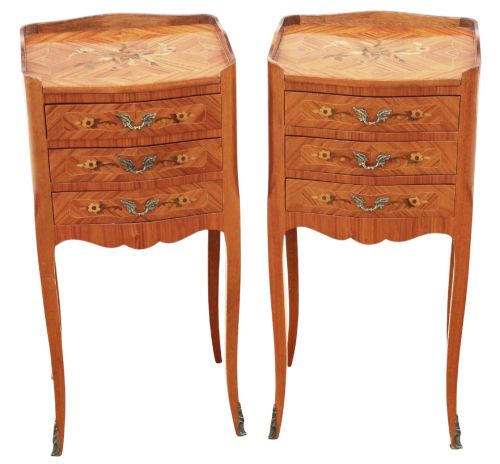
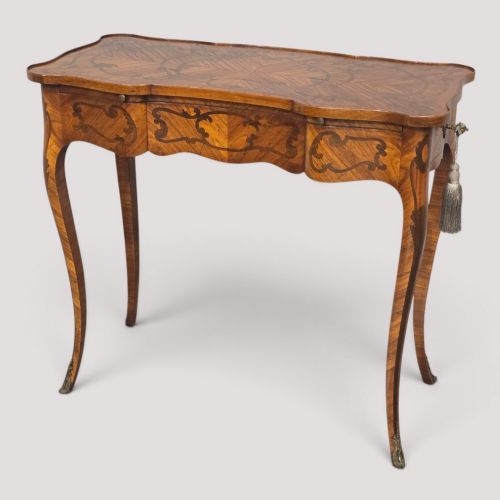
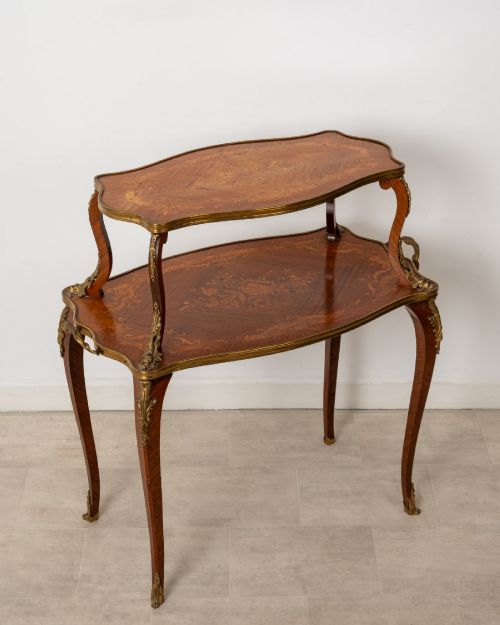
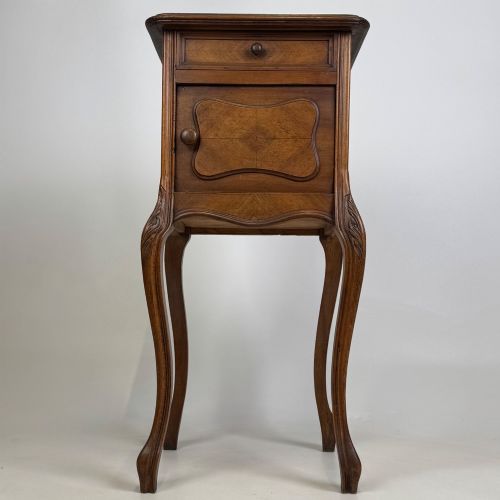
When you search for vintage french marquetry tables, you encounter a selection spanning the nineteenth century through the early twentieth century. The forms range from bedside cabinets and compact nightstands to freestanding centre tables, writing desks, and tiered étagères.
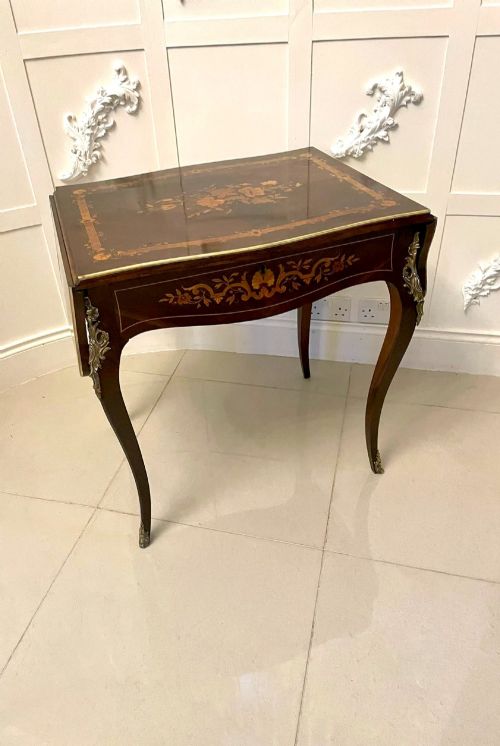
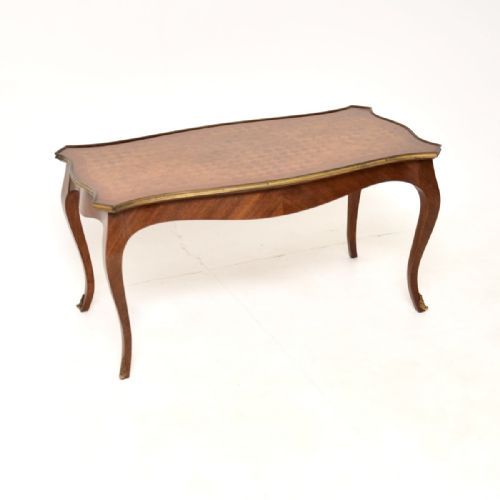
Louis XV revival and Rococo styles dominate the selection, bringing serpentine fronts, cabriole legs, and mounted metal details to domestic furniture. Smaller occasional pieces and coffee tables appear frequently alongside paired bedside chests.
The aesthetic draws heavily on eighteenth-century court design while serving functional roles in twentieth-century interiors. Most surviving examples utilise decorative timber veneers arranged in floral or geometric patterns across the top surface.
Materials and construction methods
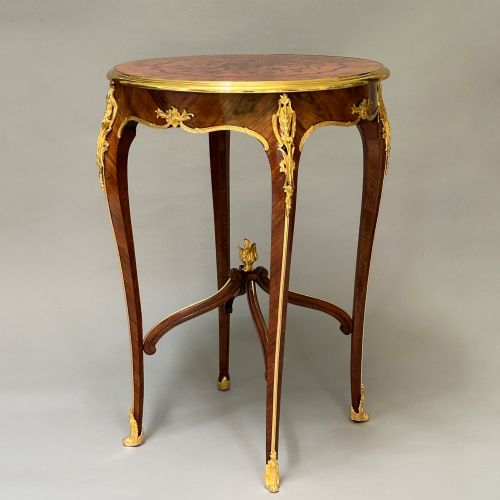
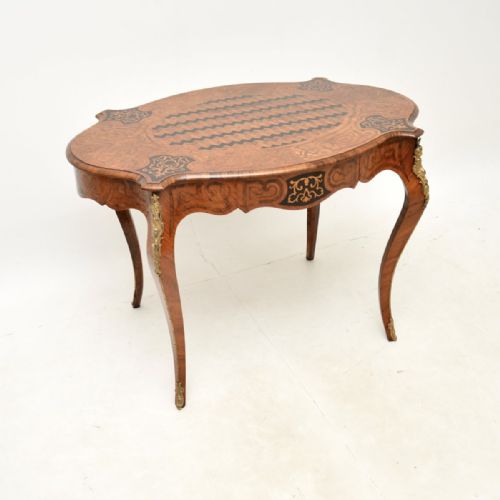
Cabinet makers built these pieces using solid wood carcasses overlaid with fine veneers including kingwood, rosewood, walnut, mahogany, and satinwood. Artisans cut contrasting timbers by hand to form intricate pictorial or geometric marquetry and parquetry designs.
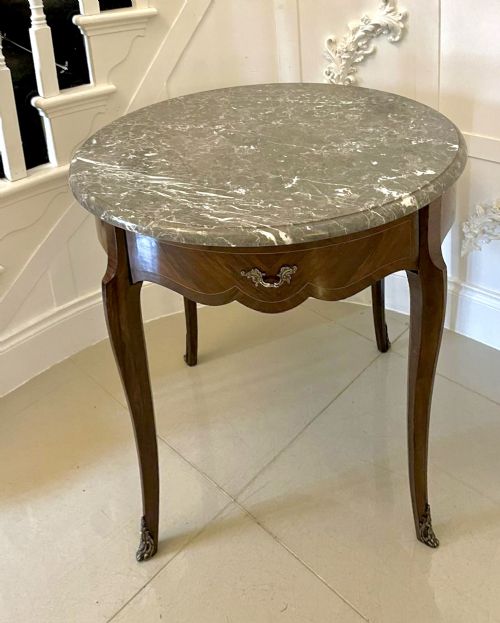
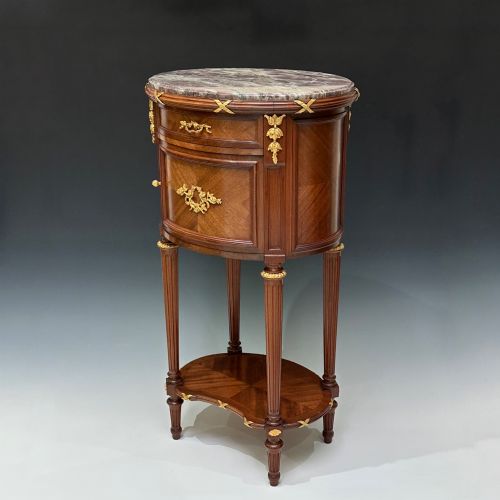
Mounts in cast brass and ormolu were chased and applied to protect vulnerable corners and accentuate the curving outlines of the legs and apron. Many items incorporate inset marble slabs to the upper surface, particularly upon bedside cabinets and smaller lamp tables.
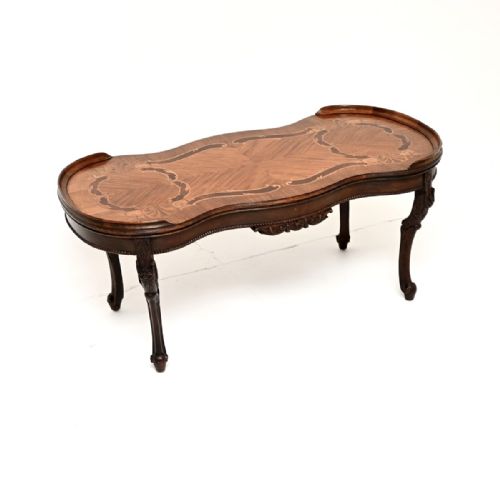
The listings feature walnut, kingwood, rosewood, and mahogany veneers alongside marble tops and cast ormolu mounts.
Distinguishing quality and execution
The hierarchy among these pieces rests upon the crispness of the hand-cut veneer work and the depth of the timber figuring. Superior examples display seamless joins within the marquetry panels and substantial cast ormolu mounts rather than stamped sheet metal.
Structural integrity reveals itself in the weight of the timber carcass and the precise alignment of drawers and tiered shelves. Pieces associated with noted workshops demonstrate a finer standard of internal joinery and more ambitious timber selection.
François Linke·Émile Gallé
The Vintage French Marquetry Tables Glossary
- Marquetry
- A decorative technique where small pieces of tinted or textured wood veneer are arranged into pictorial designs on a wooden backing. It differs from parquetry through its use of pictorial or floral motifs rather than geometric grids.
- Ormolu
- Gilded bronze mounts applied to the corners, legs, and aprons of furniture. The finish provides a bright metallic contrast against dark exotic timbers.
- Étagere
- An open tiered display table with multiple shelves supported by slender uprights. These pieces function well for small objects or lamps.
- Bureau Plat
- A freestanding writing desk featuring a rectangular top and one or more drawers in the frieze. They typically display extensive veneer work across all visible sides.
- Kingwood
- A dense, richly grained exotic timber utilised extensively in nineteenth-century cabinet making. Its dark purple-brown tones provide a striking contrast in patterned veneers.
Vintage French Marquetry Tables: Frequently Asked Questions
How do I date a marquetry table?
Dating relies upon stylistic markers such as the presence of Louis XV revival curves versus simpler early twentieth-century lines. Material choices and construction methods within the drawer linings also offer chronological clues.
Evidence in these listings spans from the mid nineteenth century into the 1930s. Comparing the timber veneer types helps narrow down the decade of production.
Where should I place an étagere?
Tiered étagères suit corners or wall spaces where vertical display is beneficial without occupying substantial floor area. Their multi-level design accommodates small collections or lighting.
These pieces work effectively in sitting rooms or studies. The open shelves keep the floor plan feeling light.
Are marble top tables practical?
Inset marble slabs offer a durable surface for bedside use or serving drinks. The stone resists moisture and heat better than polished wood veneer.
Original marble tops often feature moulded edges matching the contour of the wooden frame. They add considerable weight and stability to smaller lamp tables.
What is the difference between parquetry and marquetry?
Marquetry employs veneers to create pictures of flowers, urns, or landscapes. Parquetry arranges geometric shapes like cubes, squares, or chevrons into repeating patterns.
Both techniques appear across nineteenth-century French tables. Frequently, makers combined both methods on a single piece.