


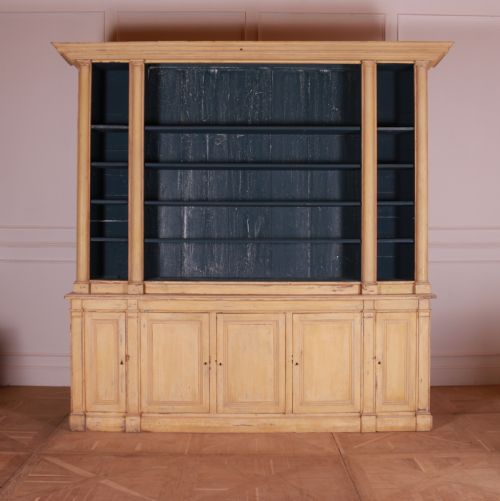

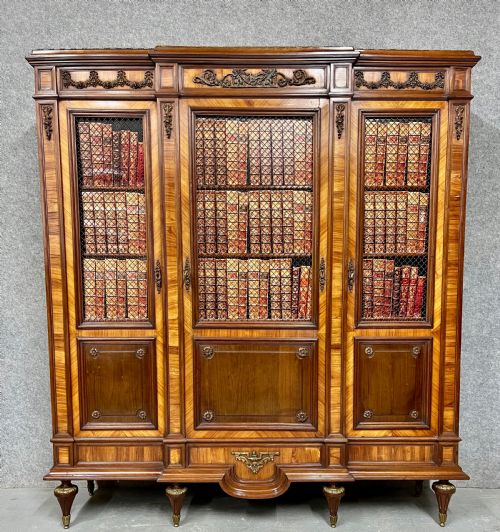

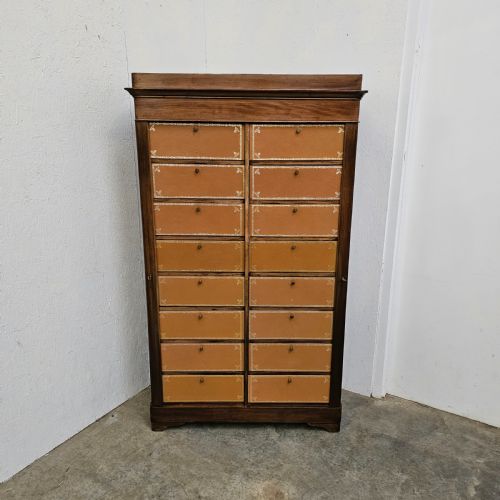


Vintage French Library Cabinet
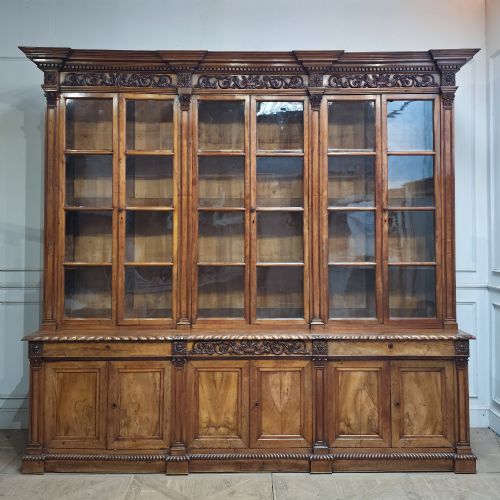
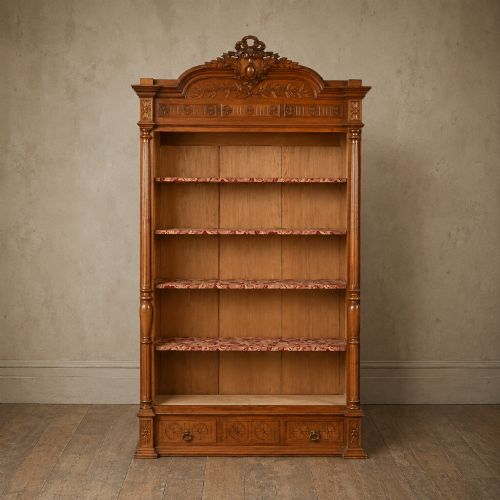
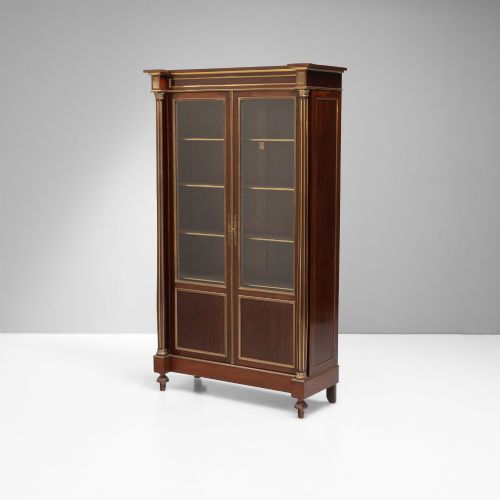
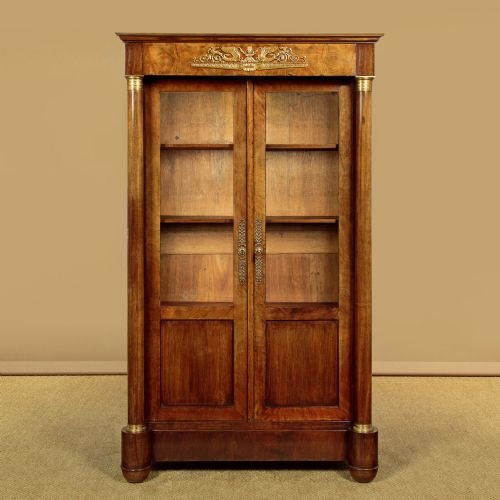
A vintage french library cabinet brings serious architectural presence and timeless storage into a room, offering both display and organisation.
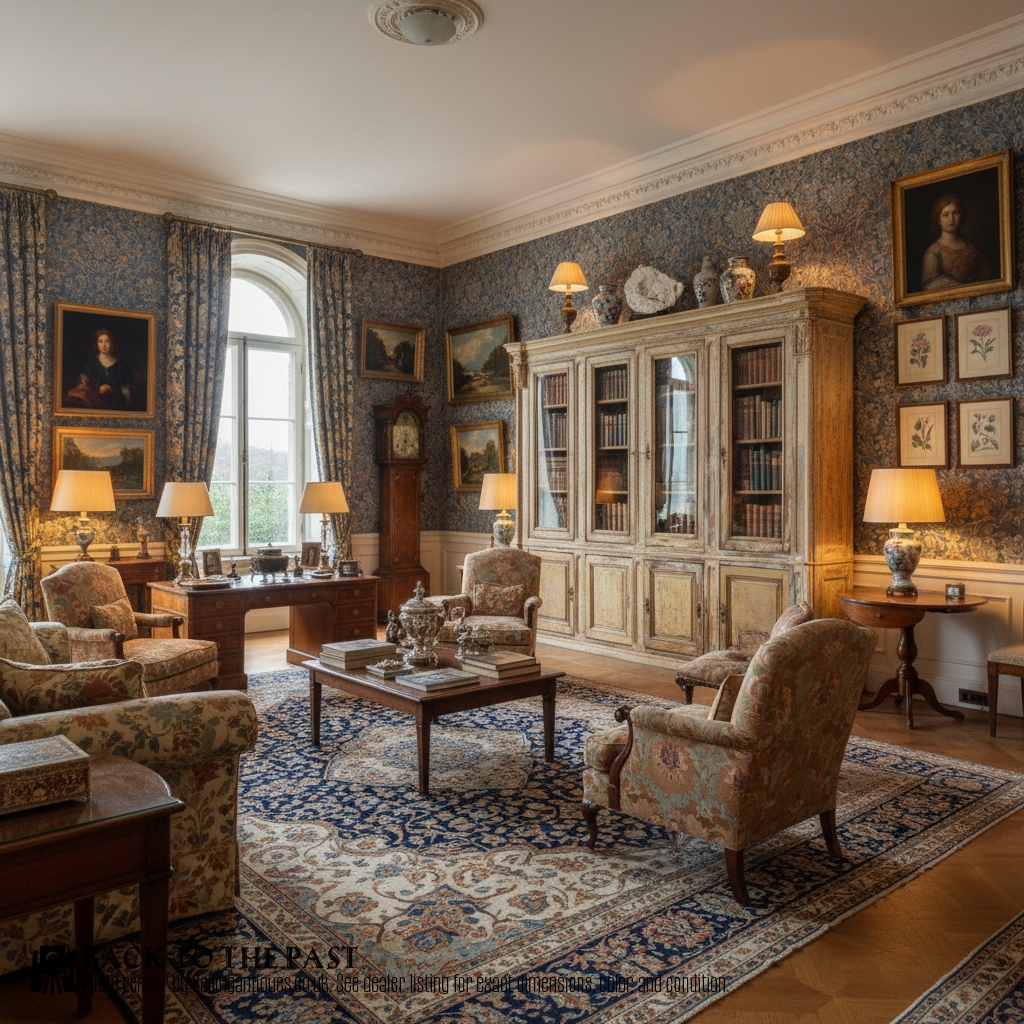
Vintage French Library Cabinet
When searching for a vintage french library cabinet, buyers encounter robust pieces designed to house substantial collections of books and papers. The examples on this page span the nineteenth century, nineteen-twentieth, and Victorian periods, showcasing traditional forms from bookcases and display cabinets to desks and writing tables.
Beyond standard bookcases, the selection incorporates specialised library furniture such as cartonnieres, filing cabinets, and side tables. These diverse formats reflect the varied needs of historic study rooms, solicitors' offices, and grand domestic libraries.
How they were made
Cabinet makers utilised heavy hardwoods such as walnut, mahogany, kingwood, and pine as the structural foundation for these large pieces. Solid wood construction provided the durability required to support heavy shelves laden with volumes.
Decorative refinement came through applied details including brass mounts, ormolu accents, and glazed doors. Leather inserts and tooled surfaces were frequently integrated into writing components and specialised storage units like cartonnieres.
Surface finishes varied from original painted surfaces to polished wood grains that highlighted the natural figure of walnut and mahogany. Carved details defined revival styles, drawing upon classical and continental design vocabulary.
Vintage French Library Cabinet Retail Price Guide 2026
Typical asking prices for vintage french library cabinet among the pieces listed under this phrase on Sellingantiques today, from the lower quarter to the upper quarter. They describe what is for sale here now, not the wider market.
An unusual book-table brings hidden silk-work into the library, proving scholars occasionally needed a textile distraction.
What varies in quality
The distinction between standard utility pieces and superior examples rests upon timber selection and joinery execution. Premium pieces utilise richly figured veneers or dense solid woods like walnut and kingwood paired with precise cabinetry.
Decorative metalwork significantly influences overall execution quality. Finer cabinets feature crisply cast brass or ormolu mounts rather than plain or later replacement hardware, demonstrating greater care in original workshop production.
The Vintage French Library Cabinet Glossary
- Cartonniere
- A multi-tiered piece of furniture with filing compartments designed for sorting papers and documents. These units frequently feature leather-bound storage boxes within a structured housing.
- Ormolu
- Gilded bronze ornamentation applied to furniture for decorative effect. This technique was widely utilised during revival periods to emulate eighteenth-century luxury standards.
- Breakfront
- A cabinet design where the central section projects forward from the flanking outer sections. This architectural arrangement creates depth and visual rhythm across large library bookcases.
- Kingwood
- A dense, richly figured exotic wood prized for fine veneering work in cabinet making. Its dark purple-brown heartwood displays striking lighter grain patterns.
Vintage French Library Cabinet: Frequently Asked Questions
How do I date a piece?
Dating relies on observing construction methods, timber choices, and stylistic markers recorded across the Victorian and nineteenth-century periods. Stylistic revivals such as Louis XVI or French Empire offer clear visual clues to the era of manufacture.
Hardware styles, joint construction, and the presence of specific materials like ormolu or tooled leather further assist in placing a cabinet within its historical window.
Where were these cabinets used?
Historically, these furnishings occupied grand home libraries, studies, institutional reading rooms, and legal offices across France and continental Europe. They served both as utilitarian storage for expanding book collections and as symbols of scholarly status.
Smaller variants, including cartonnieres and writing tables, functioned closely with administrative tasks, keeping correspondence and documents organised in professional settings.
How do I care for solid wood?
Maintaining these pieces involves keeping them away from direct heat sources and drastic humidity shifts that can affect historic timber. Regular dusting with a soft, dry cloth preserves the polished surface of walnut and mahogany.
Leather components, where present, benefit from minimal exposure to sunlight and gentle cleaning to prevent drying or cracking over time.