



Vintage French Glass Clock
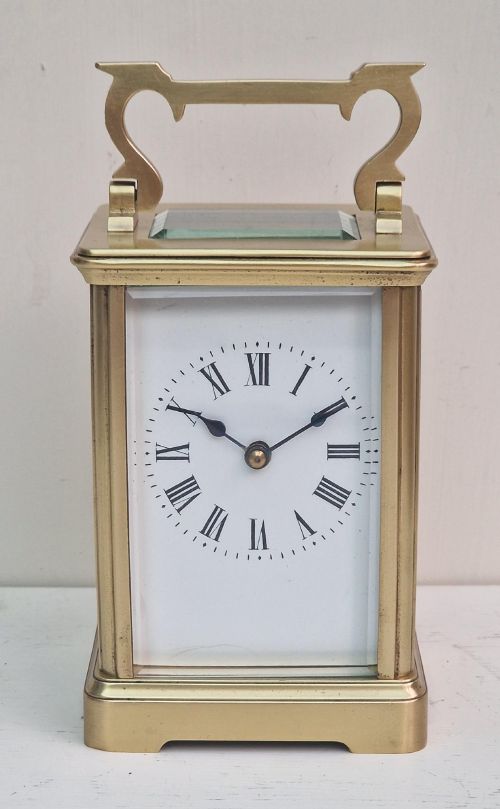
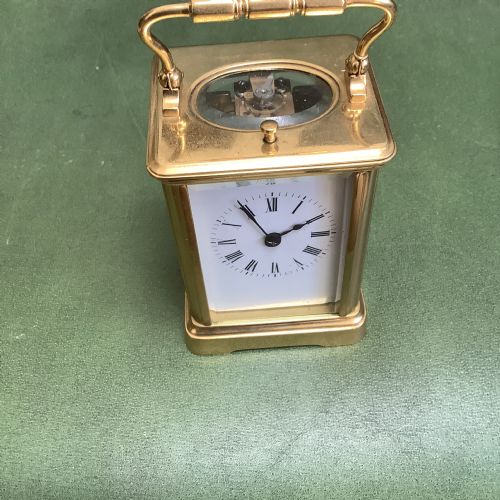
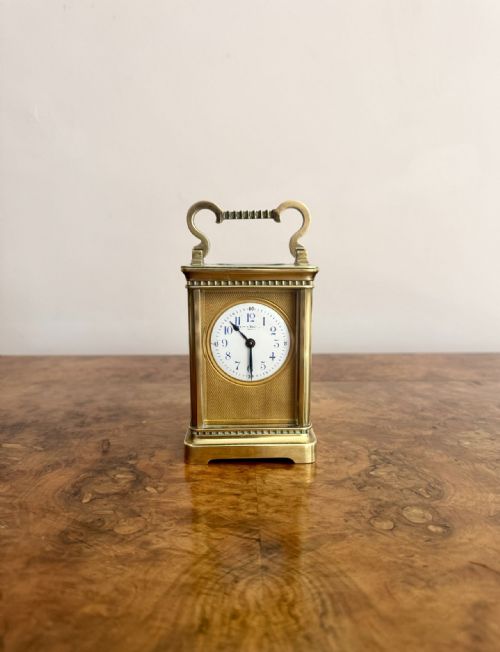
A vintage french glass clock combines heavy bevelled panels with precision brass framing, offering a transparent view into mechanical movement.
Vintage French Glass Clock
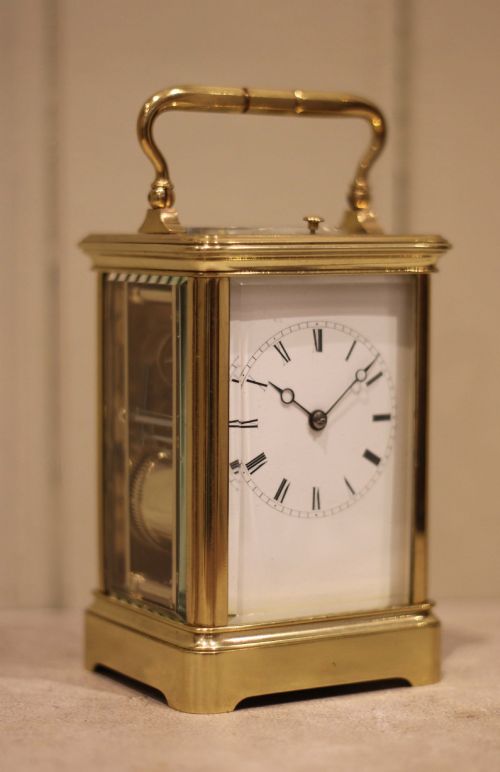
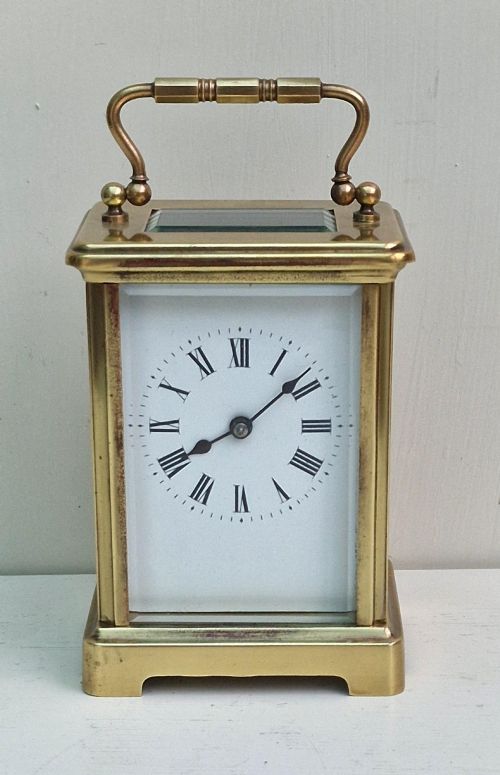
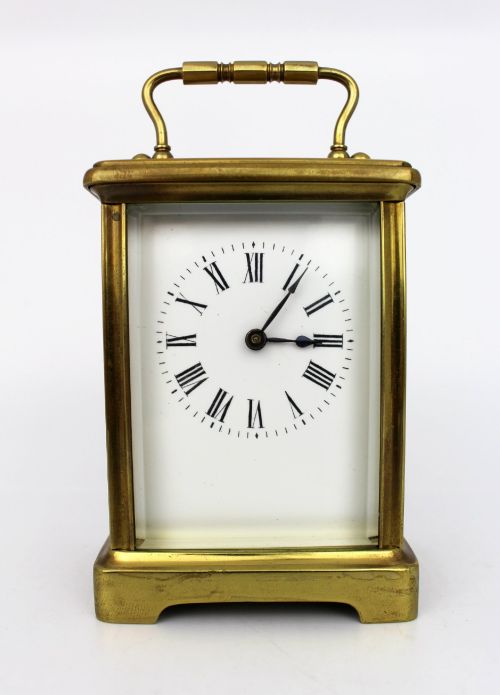
When you search for a vintage french glass clock, you encounter heavy brass and crystal structures designed to display mechanical interiors from every angle. The selection centres on four glass mantel clocks and portable carriage clocks originating from the nineteenth and early twentieth centuries.
Mantel pieces utilise crystal panels held within brass or gilt frames, often housing mercury or pendulum escapements. Carriage variants offer a more compact form, encased in bevelled glass panes with integrated swing handles for travel.
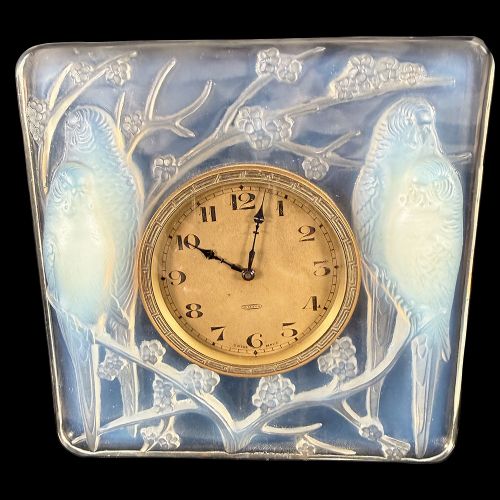
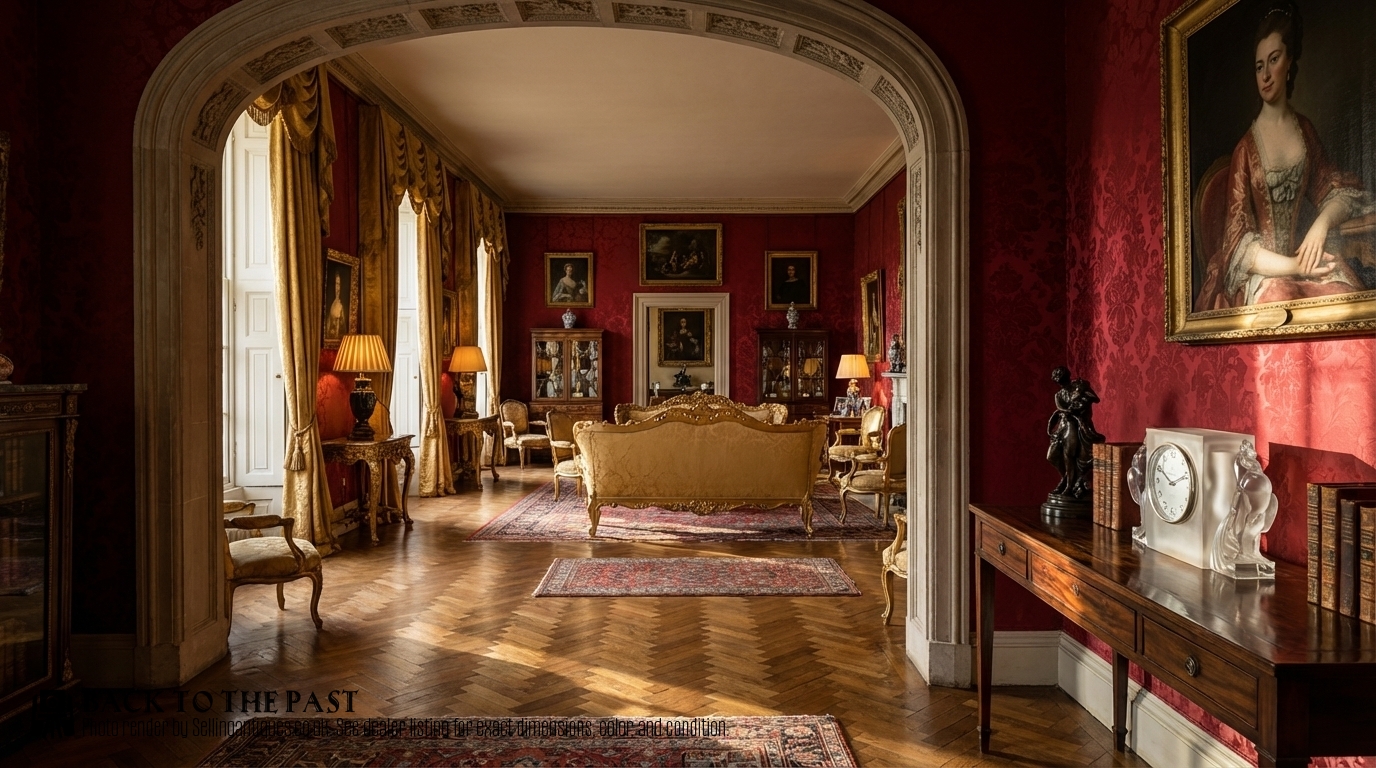
Art Deco examples introduce opalescent moulded glass featuring figurative motifs like love birds. These pieces reflect specific periods spanning the Victorian era through the nineteen-twenties.
Materials and construction
Heavy brass and gilt bronze provide the structural framework for glass panels, joined by threaded fixings or cast bezels. Enamel dials feature painted Roman or Arabic numerals, paired with finely pierced hands.
Thick plate glass undergoes bevelling along the edges to catch the light and fit securely into metal channels. Specialised works incorporate steel pivots, brass gear trains, and platform escapements driven by coiled springs or pendulums.
Listings feature brass, gilt brass, and ebonised wood alongside opalescent glass from the Victorian period through the Art Deco era.
Separating the ordinary from the exceptional
The weight of the brass housing and the thickness of the bevelled glass panes establish the physical substance of the piece. Crisp engraving upon the gilt case indicates superior workshop output.
Complexity of the internal mechanism dictates the grade, particularly strike and repeat functions or alarm complications. Signed plates on the movement or backplate confirm the original maker and raise the standard.
R Lalique·Duverdrey and Bloquel·Samuel Marti et Cie·Drocourt·L Epee
The Vintage French Glass Clock Glossary
- Carriage clock
- A portable timekeeper originally designed for travelling, enclosed in a brass frame with glass panels and a folding handle on top.
- Four glass clock
- A mantel timepiece encased in glass on all four vertical sides, allowing light to pass directly through the central movement.
- Platform escapement
- The miniature regulating assembly containing the balance wheel and hairspring, fitted directly to carriage clocks.
- Opalescent glass
- A translucent milky glass that diffuses light and displays subtle shifts in colour, used prominently in decorative Art Deco pieces.
- Repeating movement
- A mechanical function that chimes the hours and quarters on demand when a lever or button is pressed.
Vintage French Glass Clock: Frequently Asked Questions
How do I wind a carriage clock?
Insert the winding key into the square arbor located on the backplate or underside of the movement. Turn clockwise until firm resistance indicates the mainspring is fully tensioned.
Avoid over-winding to prevent strain on the internal gear train. Ensure the key matches the arbor size precisely to avoid stripping the metal.
What is a crystal regulator?
A crystal regulator is a tall mantel clock constructed with thick bevelled glass panels held in a heavy brass frame. The dial is typically exposed with an open-centre design revealing the swinging pendulum.
These pieces were produced primarily in France during the late nineteenth century. They rely on refined mechanical movements designed for stable domestic placement rather than travel.
How do repeat strikes work?
A repeating mechanism sounds the last hour and quarter-hour when the user depresses a button or lever on top of the case. This allowed owners to check the time in darkness.
An auxiliary train within the movement releases the correct number of hammer strikes independently of the running gear. It represents a higher grade of mechanical complexity.
How should I clean the glass panels?
Wipe the exterior glass gently using a soft lint-free cloth dampened with a mild glass cleaner. Prevent any liquid from seeping past the brass bezels and into the movement.
Polish the surrounding brass frame with a dry microfiber cloth rather than harsh liquid brass cleaner. Chemical solutions can damage delicate enamel dials and corrode internal steel parts.