


Vintage French Garden Table
A vintage french garden table brings enduring utility and continental charm to patios and sunrooms, uniting robust iron frames with classic stone or timber surfaces.
Vintage French Garden Table
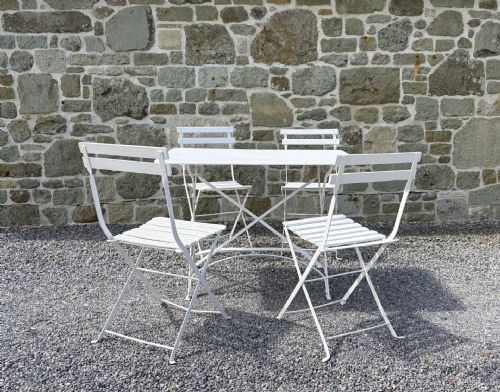
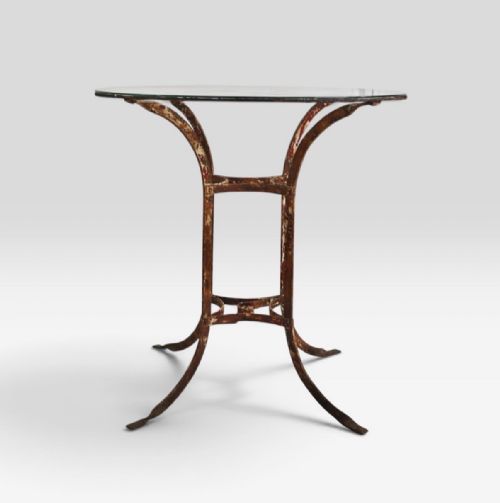
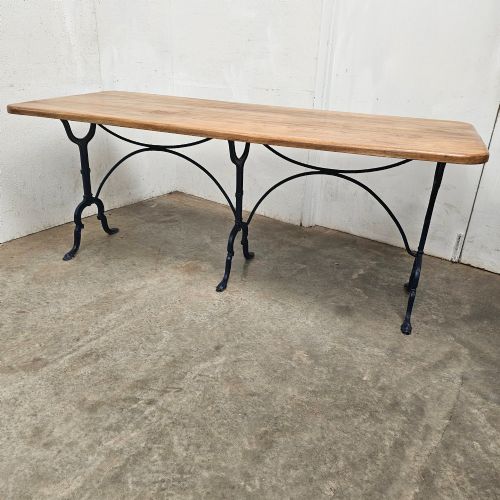
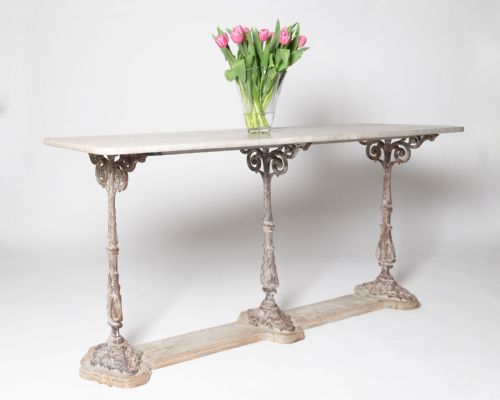
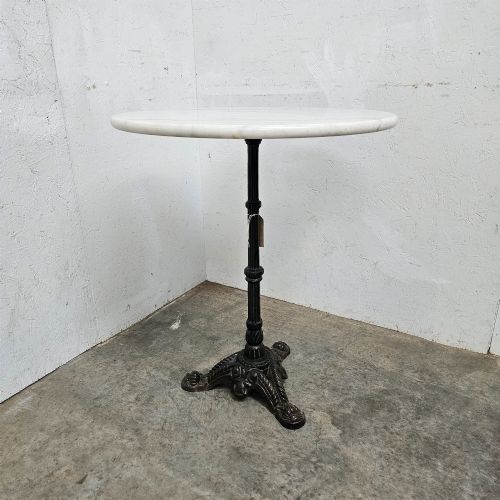
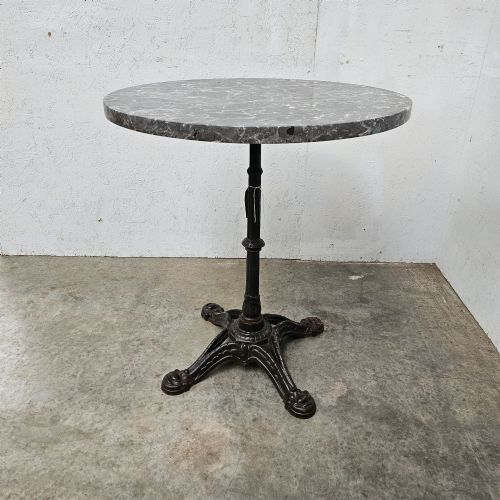
A vintage french garden table comprises sturdy outdoor furniture pieces built for domestic gardens, cafes, and orangeries across various decades. Buyers seeking a vintage french garden table encounter diverse formats ranging from compact round café setups to long elm boards.
The inventory on this page spans distinct forms including bistro tables, console tables, and folding metalwork designs. These surfaces originate from periods such as the nineteenth century, Edwardian era, and the nineteen-twenties.
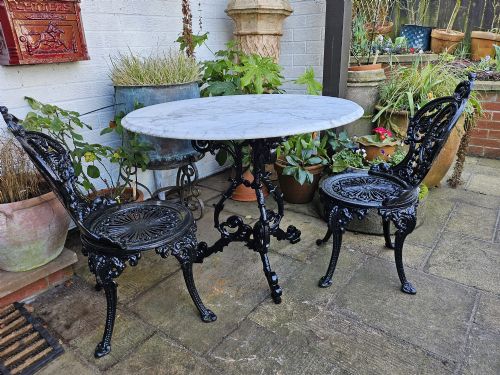
Regional styles like French Provincial, French Bistro, and French Country predominate among these offerings. Buyers frequently select pieces combining iron bases with marble, wood, or zinc tops for alfresco dining or conservatory use.
How they were made
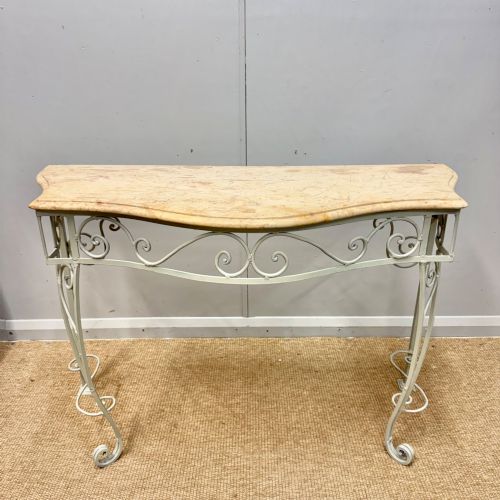
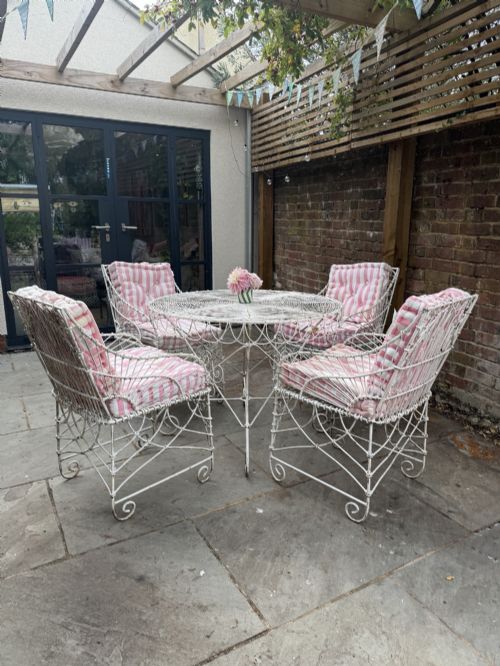
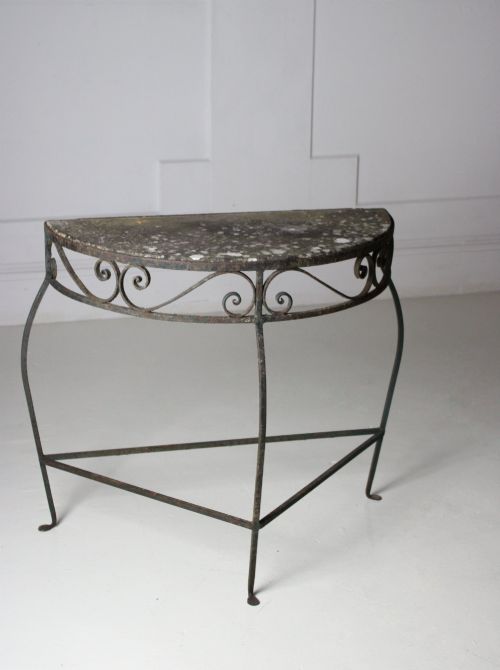
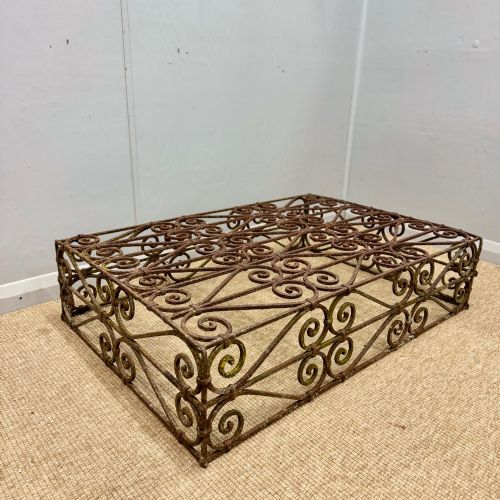
Makers constructed these tables utilising heavy metals such as cast iron and wrought iron for structural bases and scrolling frames. These durable metal components often feature painted or verdigris finishes developed through decades of exposure.
Top surfaces combine functional timber varieties like oak and elm with hard-wearing stone including marble and zinc. Artisans joined these diverse materials to withstand outdoor conditions while maintaining refined interior aesthetics.
Some folding models still retain the stubborn stiffness of a century spent chasing shade around French gravel courtyards.
What varies in quality
Quality differences emerge in the weight and complexity of the ironwork, distinguishing standard utility pieces from more ornate architectural examples. Finely cast bases and intricate strapwork demonstrate superior craftsmanship compared to simpler commercial frames.
The selection and integrity of the top surface significantly influence the character of each piece. Intact marble slabs and dense native timber planks retain greater visual distinction than weathered replacement panels.
The Vintage French Garden Table Glossary
- Bistro table
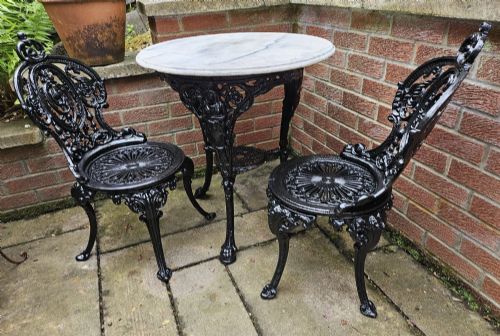
- A small café table typically designed for compact spaces. These pieces often feature a central cast iron pedestal supporting a round marble or wooden top.
- Gueridon
- A small round table supported by a single central column or pedestal. This traditional French form frequently appears with decorative painted iron bases.
- Verdigris
- A green patina that forms naturally on copper, brass, or bronze surfaces over time. It provides tangible evidence of age and atmospheric exposure.
- Console table
- A table designed to stand against a wall, frequently featuring a rectangular marble slab. These pieces served both interior reception rooms and sheltered outdoor verandas.
- Strapwork
- Ornamental metalwork formed of flat strips arranged in geometrical patterns. This technique strengthens garden furniture while creating decorative structural details.
Vintage French Garden Table: Frequently Asked Questions
Where were these tables used?
These pieces served outside in Parisian pavement cafés, domestic gardens, and sheltered potting sheds. Their robust construction allowed them to withstand regular public use and changing weather conditions.
Over time, many of these utilitarian tables transitioned into conservatories, kitchens, and interior dining spaces. Their versatile proportions suit modern breakfast rooms just as well as traditional garden patios.
Can I leave my table outside?
Most of these tables utilise weather-resistant metals like cast iron and treated wood built for outdoor existence. However, protecting vulnerable marble tops and older painted finishes during harsh winter months preserves their condition.
Regular maintenance helps retain the original verdigris and painted patinas developed over decades of use. Storing them under cover during freezing weather prevents cracking in stone and timber components.
How do I date a metal garden table?
Dating relies on examining the casting techniques, fastener types, and decorative ironwork styles specific to periods like the nineteenth century or nineteen-twenties. Heavier cast components and distinct floral motifs often point toward earlier Victorian production.
Later pieces from the twentieth century frequently incorporate folding mechanisms or simpler industrial steel frames. Comparing the wear patterns on the metal base provides further clues to its age.
What is the difference between bistro and garden tables?
Bistro tables generally feature compact round tops supported by a central iron pedestal to maximise seating capacity in tight spaces. They were historically commercial items used outside Parisian drinking establishments.
Garden tables often include rectangular formats, trestle supports, or folding legs intended for domestic lawns and terraces. These larger variations accommodated family dining rather than quick roadside refreshments.