

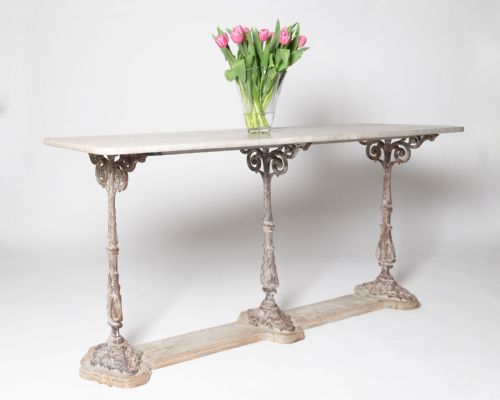

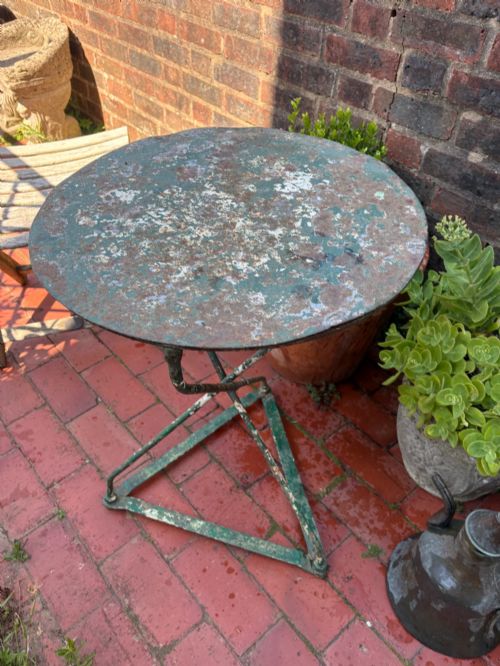


Rustic French Bistro Table
These rustic french bistro table pieces are practical, time-worn items built for daily use in domestic and commercial settings.
Rustic French Bistro Table
A rustic french bistro table brings everyday utility from nineteenth and early twentieth century France into contemporary spaces. These items combine the simple forms of French Country and French Provincial design with durable commercial construction.
The versions most commonly met on this page span the nineteenth century up through the nineteen-twenties and nineteen-thirties. They appear in forms ranging from folding vineyard and vendange tables to round gueridon styles and long dining surfaces.
Makers utilised materials suited to both indoor and outdoor service, resulting in pieces that transition easily between kitchen, dining room, and garden settings. Their character stems from decades of genuine service rather than applied decoration.
Materials and construction
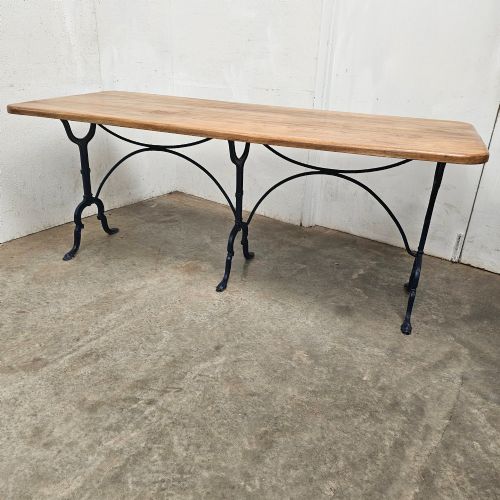
Construction relies on a combination of sturdy hardwoods and robust metals designed to withstand heavy commercial use. Oak, elm, cherry, and walnut form the wooden tops, paired with bases of cast iron, wrought iron, and steel.
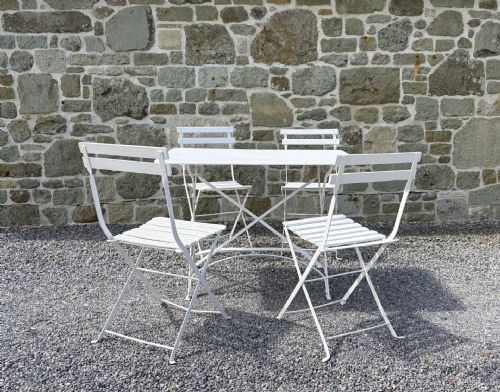
Many examples incorporate folding mechanisms for easy storage and transport between indoor spaces and pavement seating. Paint finishes, often weathered and original, protect the metalwork and woodwork while contributing to the distinctive visual character.
Listings feature items spanning the nineteenth century through the nineteen-thirties, incorporating timber varieties such as oak, cherry, elm, and walnut.
Separating top examples
Quality rests in the integrity of the original joints and the balance between timber tops and heavy metal bases. Superior examples retain their original painted surfaces and working folding mechanisms without excessive replacement timber.
The selection of woods like elm or cherry rather than standard softwoods elevates an item. Proportion and the smoothness of the original hardware distinguish standard utility furniture from finer workshop production.
The Rustic French Bistro Table Glossary
- Gueridon
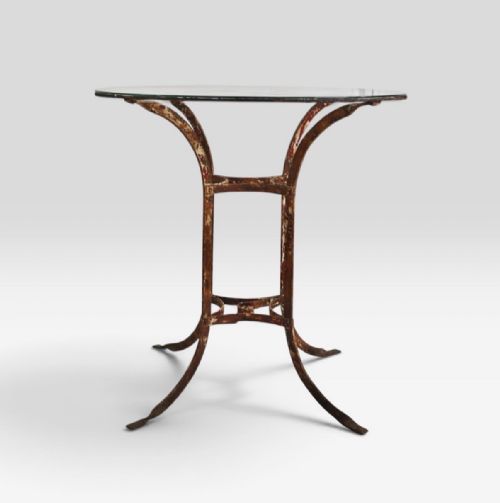
- A small round table on a single central pillar or pedestal base. These French tables often feature cast iron supports and painted wooden tops.
- Vendange table
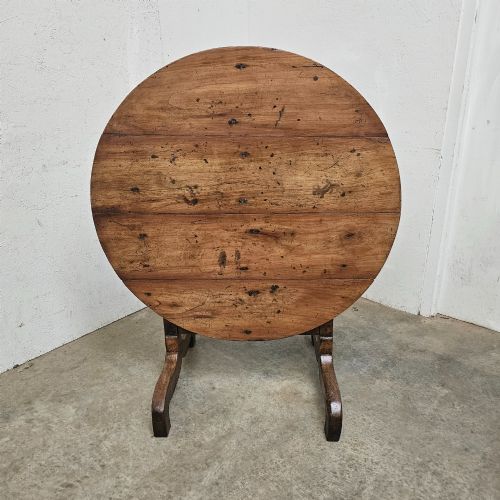
- A traditional folding table used during the grape harvest in French vineyards. They typically feature oak and cherry construction with clever folding mechanisms.
- Arras table
- A style of nineteenth century French garden furniture featuring distinctive slatted metalwork and sturdy iron framing. They were built to withstand outdoor use in cafes and gardens.
- Strap work
- A decorative technique utilising flat bands of metal riveted together. This construction method provides exceptional strength to the underframes of industrial metal tables.
- French Provincial
- A style originating from regional cabinet makers outside Paris. It combines practical utility with unpretentious local forms and native hardwoods.
Rustic French Bistro Table: Frequently Asked Questions
How do I date a bistro table?
Dating relies on examining construction methods, fastener types, and the wear patterns on both the wood and metal components. Nineteenth-century examples often display hand-forged ironwork and pegged wooden joints.
Later pieces from the twentieth century utilise rolled steel, modern fixings, and machine-cut timber. Original paint layers and patination also provide clues to the age and active history of the piece.
Are folding tables sturdy?
Yes, the folding mechanisms on these tables were engineered for heavy daily use in commercial cafes and vineyards. The iron and steel hinges are robustly built to lock securely into position.
Over decades of use, the joints may develop minor play, but the fundamental structure remains solid. Proper maintenance of the moving parts ensures they continue to function reliably.
Can I use these tables outside?
Many of these pieces were originally constructed for outdoor cafe terraces and garden settings. Iron, steel, and durable hardwoods like oak handle exterior environments well when treated with appropriate care.
Wooden tops benefit from regular protection against prolonged moisture. Storing folding tables under cover during harsh winter months preserves the original timber and painted finishes.
How should I clean the original paint?
Cleaning requires a gentle approach to preserve the historic patination and flaking layers of paint. Warm water and mild soap remove surface dirt without damaging the underlying pigment.
Harsh chemical solvents and abrasive scourers must be avoided entirely as they strip away the character. Applying a clear microcrystalline wax can seal fragile painted metal surfaces against further wear.