

Vintage French Desk Clock
A vintage french desk clock brings mechanical precision and distinct styling to a room, ranging from brass carriage clocks to Art Deco bakelite pieces.
Vintage French Desk Clock
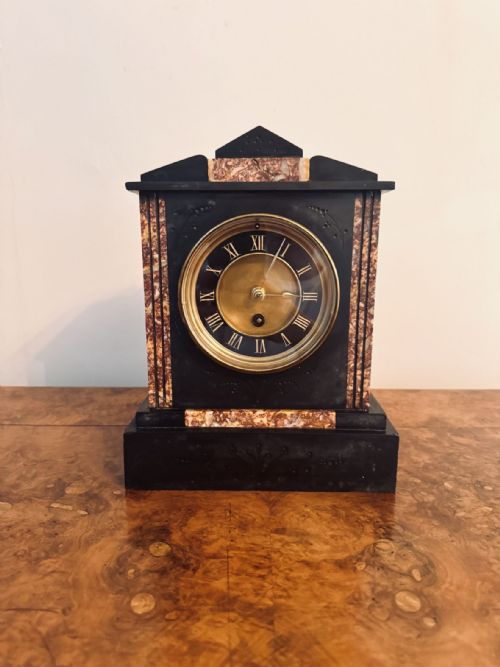
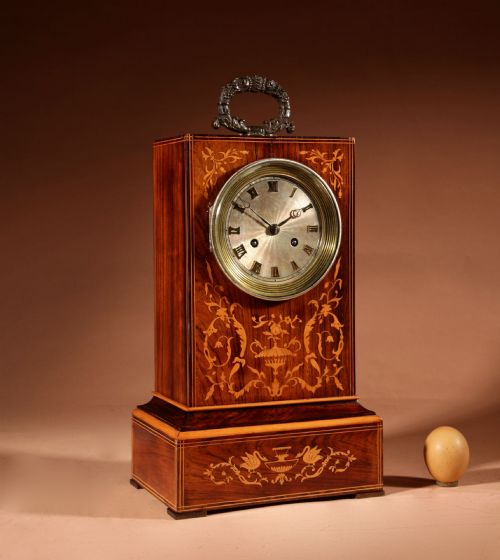
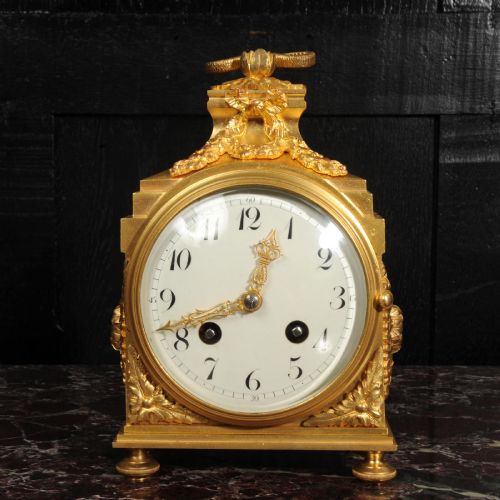
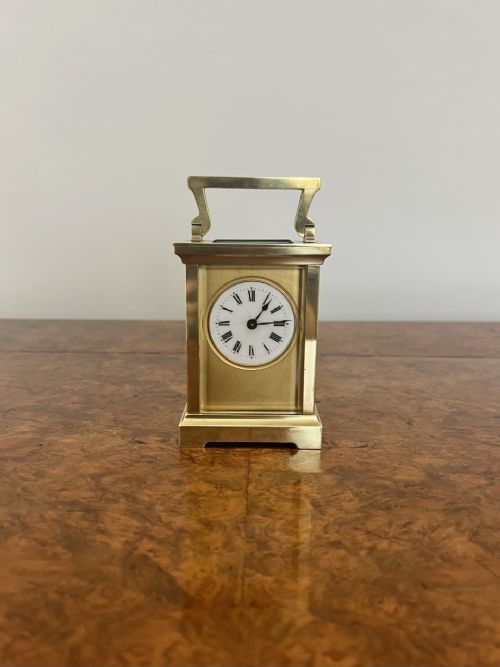
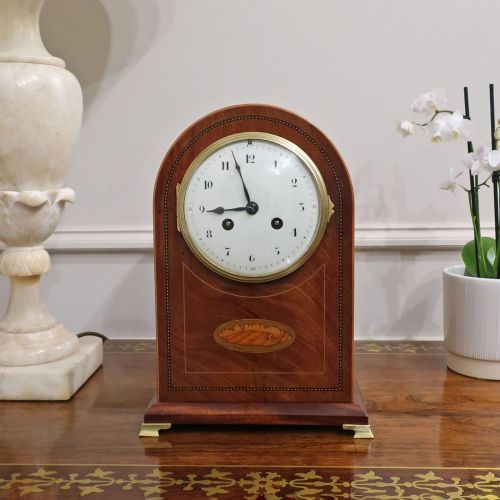
A vintage french desk clock encompasses portable timepieces and small mantel pieces originating from the nineteenth and early twentieth centuries. When searching for a vintage french desk clock, buyers encounter brass carriage designs, porcelain mounted timepieces, and decorative mantel variants from periods including Victorian, Edwardian, and Art Deco.
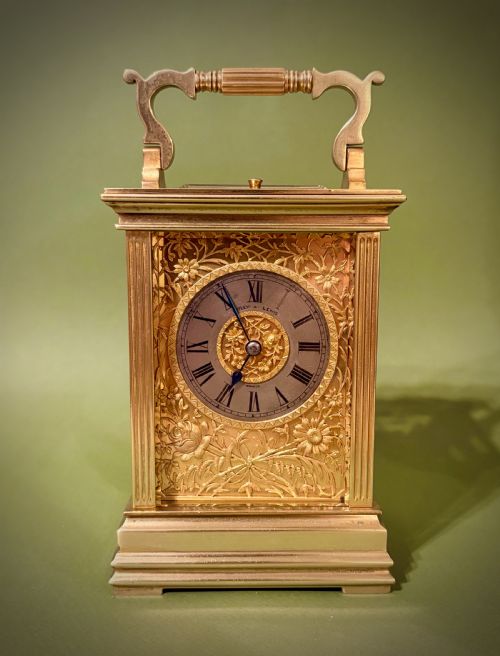
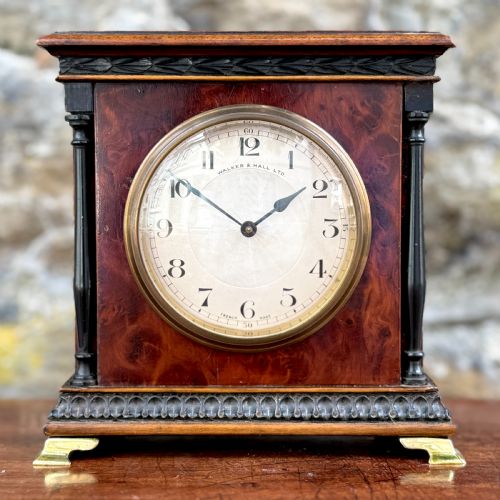
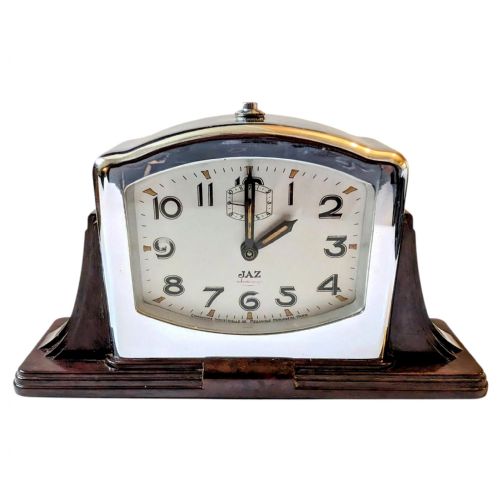
The selection ranges from traditional repeating carriage clocks housed in gilt engraved brass cases to modernist Bakelite or chrome creations from the 1920s and 1930s. Makers and retailers such as Henri Jacot, Jaz, and Walker and Hall contribute to the varied forms available within this category.
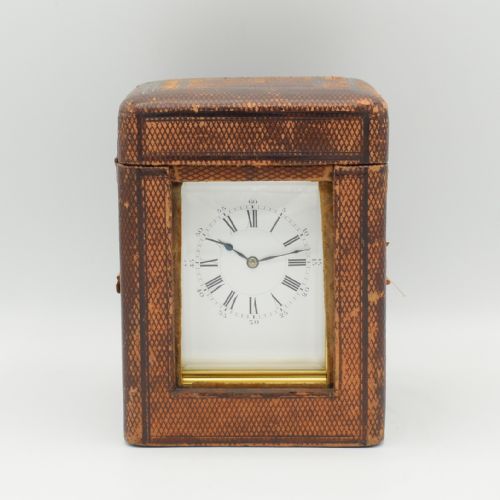
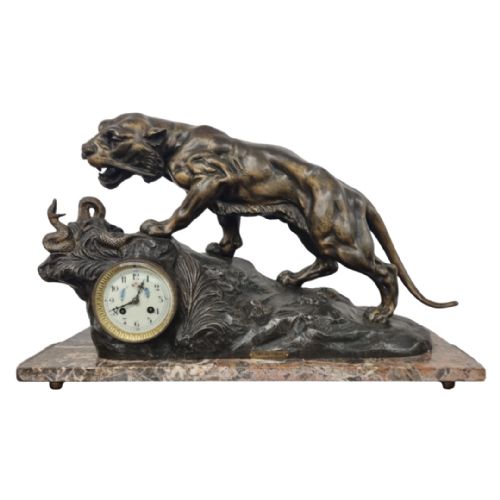
Objects span from miniature travel timepieces with original leather cases to larger sculptural works featuring ormolu, marble, glass, and mahogany. These pieces reflect the evolving decorative tastes of French horology across decades of industrial and artistic change.
Materials and construction
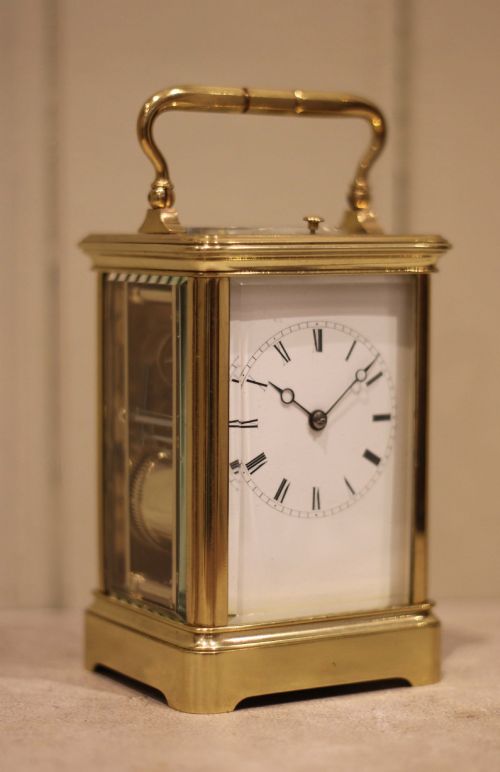
Makers utilised heavy metals including brass, gilt bronze, ormolu, and gilt brass to form durable structural cases, frequently incorporating bevelled glass panels to reveal the intricate internal movements. Leather protected these items during travel, while luxury examples integrated porcelain mounts and hand-engraved details.
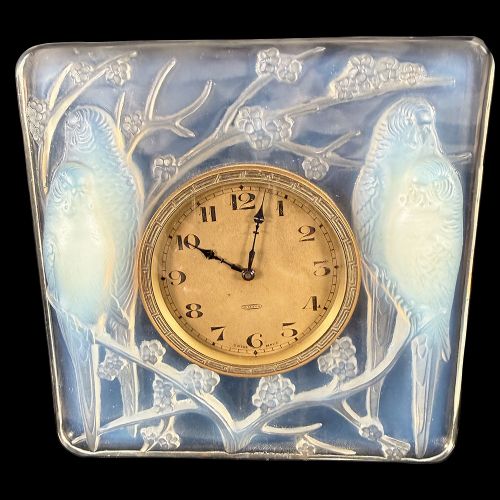
Later twentieth-century production introduced alternative substances such as opalescent glass, Bakelite, walnut, and chrome to satisfy Art Deco aesthetic demands. Movements relied on mechanical eight-day mechanisms, striking systems, and occasionally electric or Swiss configurations.
Surviving travel cases remind us that Victorian gentlemen insisted on taking ticking timepieces on bumpy carriage rides.
Distinguishing quality
The standard of a timepiece rests upon the crispness of the case casting, the depth of hand engraving on gilt brass, and the integration of specialised components like repeating or chiming mechanisms. Pieces bearing signatures from renowned makers or bearing original travel cases command higher regard.
Material choice also dictates grade, shifting from standard brass construction to elaborate ormolu figural mounts, hand-painted porcelain dials, or moulded opalescent glass by notable designers.
Henri Jacot·Jaz·Walker and Hall·R Lalique·Antoine Redier·Duverdrey and Bloquel
The Vintage French Desk Clock Glossary
- Carriage clock
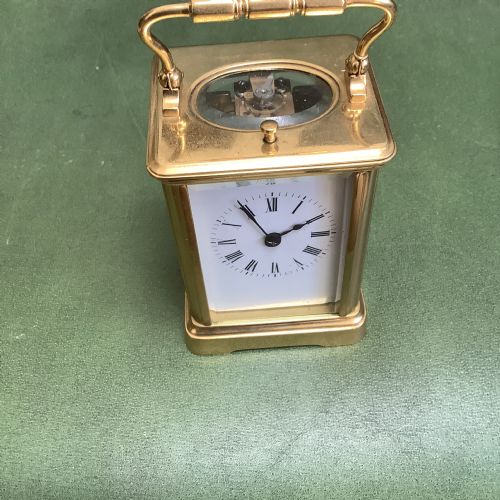
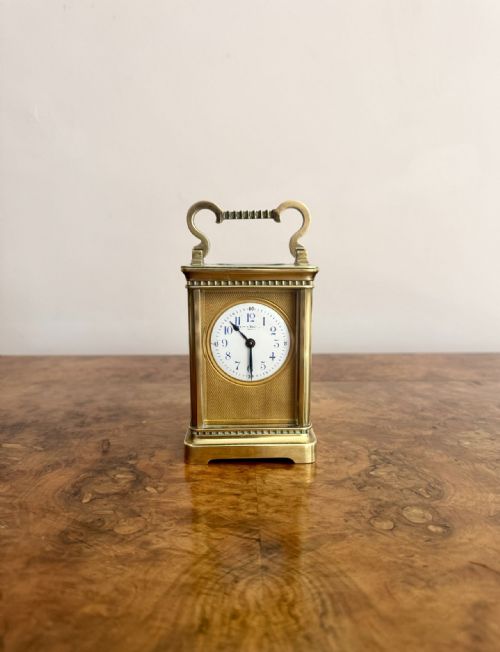
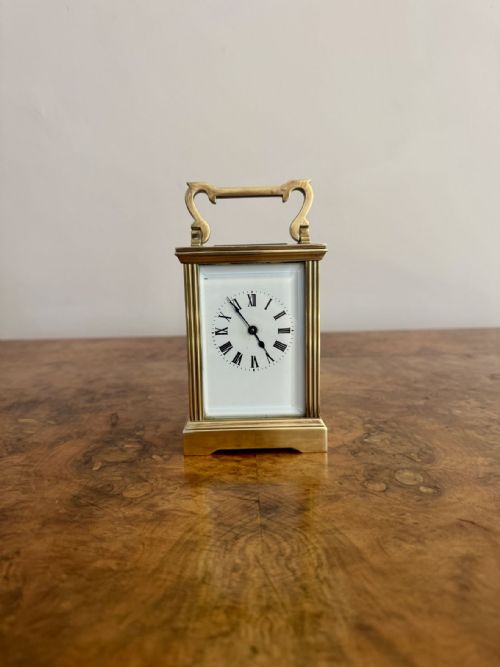
- A small, spring-driven clock designed for travel, typically featuring a rectangular brass case with glass panels and a swing handle on top. These portable timepieces originated in France during the nineteenth century.
- Ormolu
- Gilded bronze or brass applied to clock cases and decorative objects to provide a rich golden finish. The technique was widely utilised in French decorative arts.
- Repeating movement
- A mechanism that sounds the hours and quarters upon demand when a lever or cord is activated by the user. It is frequently found in high-grade carriage clocks.
- Bakelite
- An early form of synthetic plastic utilised in twentieth-century clock production. It allowed for moulded streamline designs during the Art Deco period.
- Pendule d'Officier
- A military-style desk or travel clock featuring a distinctive square or architectural case configuration. These originated for officers on campaign.
Vintage French Desk Clock: Frequently Asked Questions
What is a carriage clock?
A carriage clock is a portable mechanical timepiece housed in a brass and glass case, originally built for travellers in the nineteenth century.
These clocks feature a folding handle on top and often run on an eight-day spring movement.
How do I wind an antique clock?
Winding requires a matching key inserted into the arbours on the backplate or dial face, turning gently until resistance is felt.
Care must be taken not to overwind the mainspring, which can cause internal damage.
What is a repeating mechanism?
A repeating mechanism sounds the last hour and quarter-hour when a button or cord is pressed on the case.
This complication allowed owners to check the time in the dark without turning on a light.
How do I identify an Art Deco clock?
Art Deco clocks display geometric symmetry, streamlined shapes, and materials like Bakelite, chrome, and opalescent glass.
They emerged around the 1920s, moving away from ornate Victorian styling towards industrial modernity.