


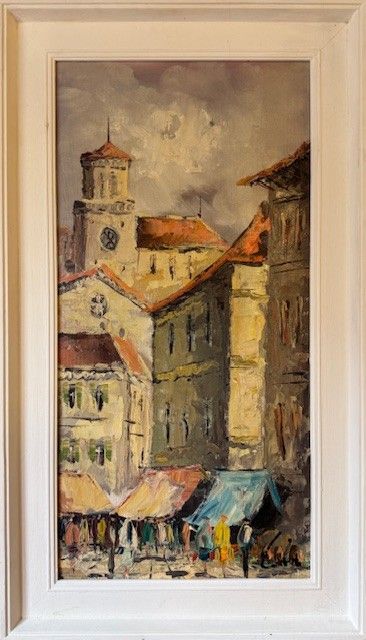


Vintage French Cityscape Painting
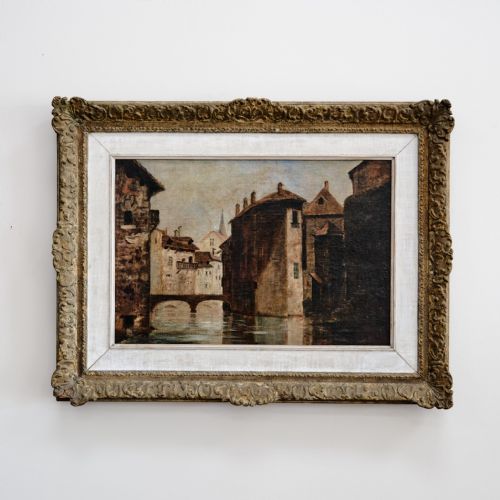
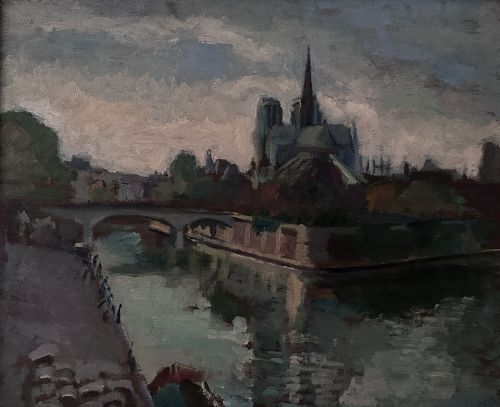
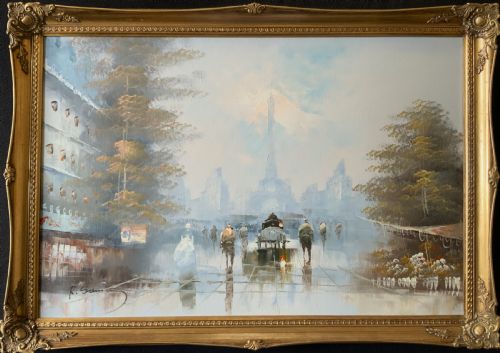
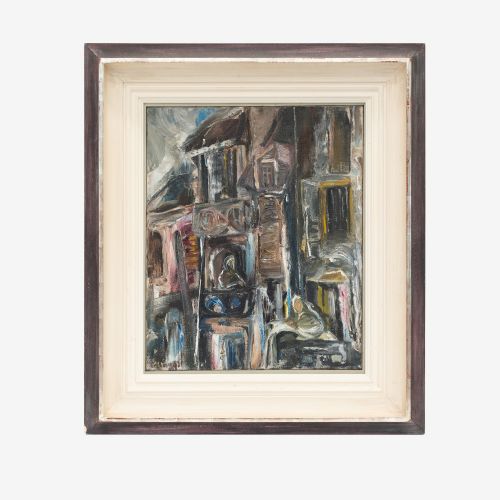
A vintage french cityscape painting brings the atmosphere of Parisian streets and historic monuments directly into a room through textured brushwork.
Vintage French Cityscape Painting
A vintage french cityscape painting captures urban views, rivers, and street scenes across various twentieth-century decades and the nineteenth century. Buyers seek these works to bring historic French architecture and bustling market squares into domestic spaces.
The selection on this page leans heavily toward mid-century interpretations and earlier impressionist or post-impressionist renderings on canvas or board. Common subjects include views of Notre Dame, the Eiffel Tower, the Seine, and Parisian street scenes.
These works range from panoramic riverside views to intimate winter scenes of Montmartre and provincial towns outside the capital. Each piece reflects the distinct light and architectural character of France during its respective period.
What varies in quality
The strength of a vintage french cityscape painting depends upon the handling of light and perspective, which brings depth and movement to architectural forms. Superior examples demonstrate a confident control of tone that captures the specific atmosphere of a Parisian morning or evening.
Material preservation also influences the overall standard, particularly the stability of the oil paint on canvas and the condition of the wooden frame. Works that maintain their original surface texture without excessive restoration command greater appreciation.
The documented styles range from 19th-century French school to mid-century modernism and impressionism.
Lilian Colbourn·Caroline Burnett·Paul-Jean Anderbouhr·Victor Gabriel Gilbert·Gabriel Dauchot·Ron Folland·Merio Ameglio·Claude Jousset·Antoine Bouvard Senior·Eduard Leon Cortes·Noel Harry Leaver·Charles Clement Calderon·Letitia Marion Hamilton
The Vintage French Cityscape Painting Glossary
- Oil on Canvas
- Pigment mixed with drying oil applied to a woven fabric support. This combination allows for rich colour blending and textured brush application.
- Post-Impressionism
- An art movement extending beyond impressionism that places greater emphasis on geometric forms and expressive use of colour. Artists working in this style often prioritized personal emotional response over naturalistic depiction.
- Gilded Wood
- Timber frames coated with a thin layer of gold leaf or metallic powder. This finish adds reflective warmth around the perimeter of the artwork.
- Oil on Board
- Pigment applied directly to a rigid wooden panel rather than flexible fabric. This substrate offers a firm surface favoured for smaller or more immediate outdoor sketching.
Vintage French Cityscape Painting: Frequently Asked Questions
What periods do these paintings cover?
The works span from the nineteenth century through several decades of the twentieth century, including the 1910s, 1920s, 1930s, 1940s, 1950s, and 1960s. Each era introduces distinct stylistic approaches to urban French scenes.
Earlier pieces often align with nineteenth-century academic or impressionist traditions, while mid-century examples embrace bolder expressionist or modernist interpretations.
How should I frame an unframed canvas?
Selecting a frame that matches the period of the artwork helps maintain its historical integrity. Wooden frames with gilded details were commonly paired with mid-century and impressionist French works.
Ensure the strainer or stretcher bars of the canvas fit securely within the rebate of the frame without putting pressure on the painted surface.
What materials are most common?
Oil paint on canvas is the predominant medium across the collection, offering durability and rich textural possibilities. Some artists utilised wooden boards or paper supports for watercolours and pastels.
Frames are constructed from wood, frequently accented with gold leaf or painted finishes that complement the warm tones of the cityscapes.
How do I identify a Parisian street scene?
Key identifiers include recognizable landmarks such as Notre Dame, the Eiffel Tower, the River Seine, and distinctive Haussmann-style architecture with wrought-iron balconies. Figures strolling along quays or gathering in market squares frequently populate the foreground.
artists often inscribed titles or locations on the reverse of the canvas or board, providing specific context for the depicted street or bridge.