

Vintage French Bedside Drawers
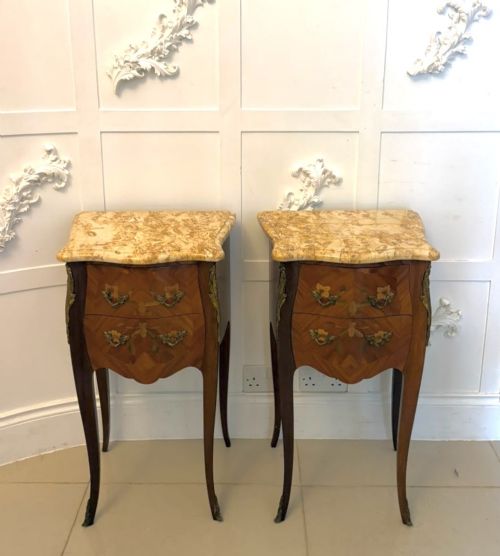
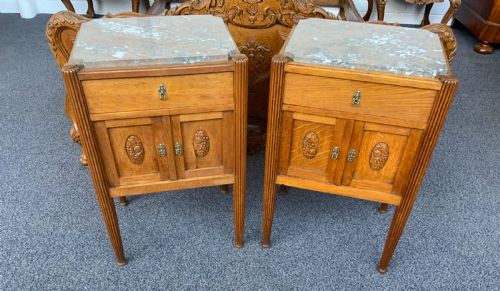
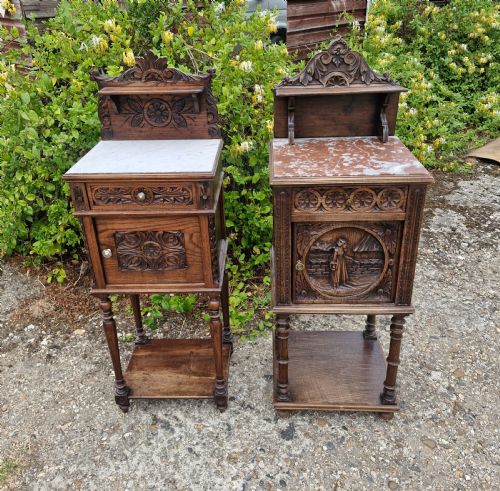
Vintage french bedside drawers bring practical bedside storage with distinct continental character, offering marble tops, marquetry inlay and carved timber to a bedroom scheme.
Vintage French Bedside Drawers
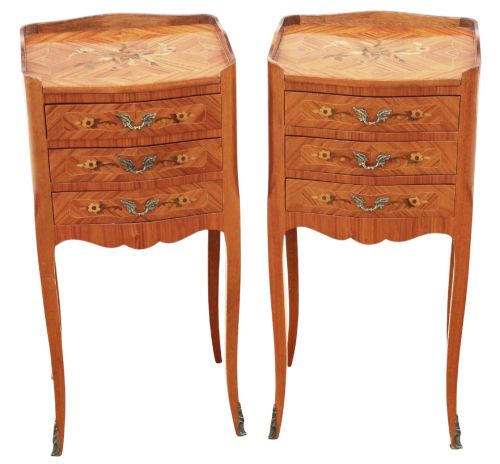
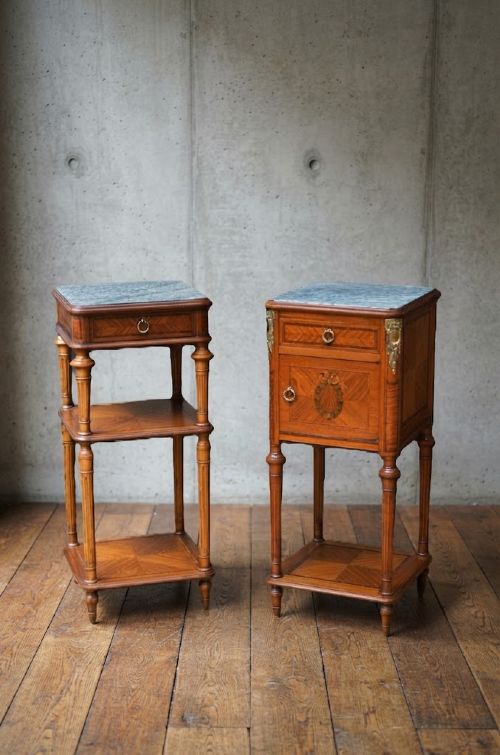
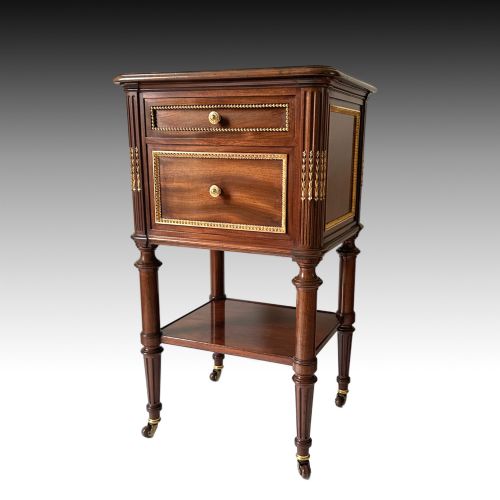
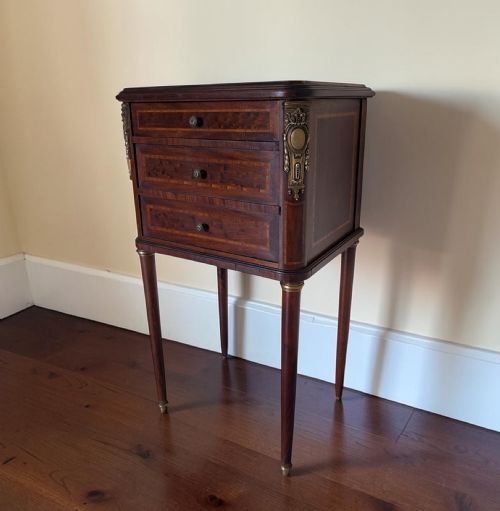
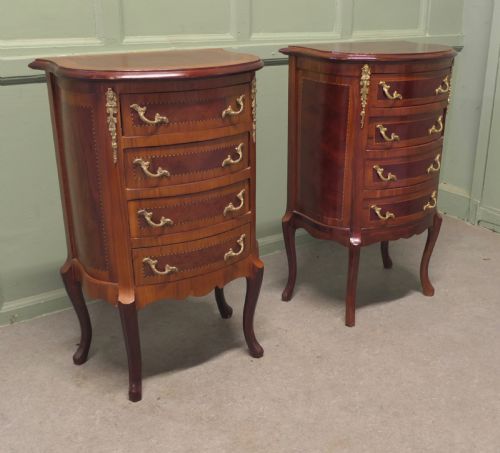
Vintage french bedside drawers encompass a variety of compact bedside tables, cabinets, and chests originating from the nineteenth and twentieth centuries. Pieces range from early nineteenth century commodes and nineteenth century mahogany cabinets to nineteen twenties oak, walnut, and kingwood designs.
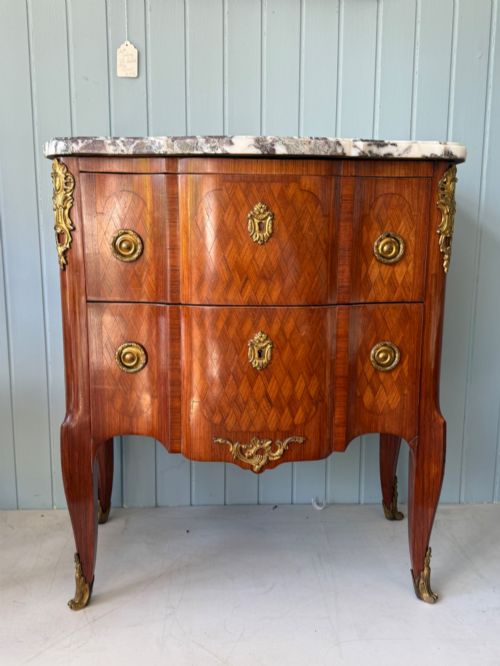
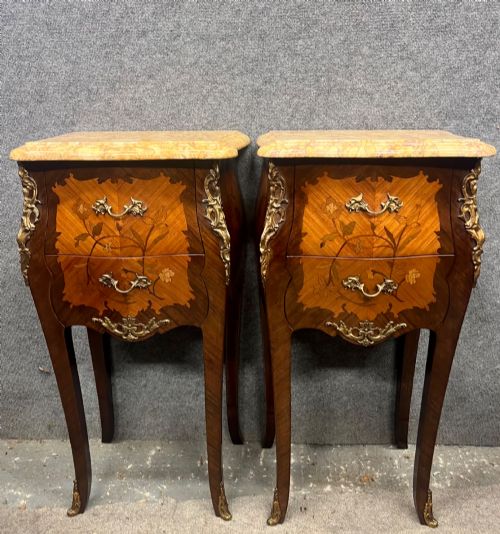
Buyers encounter forms spanning serpentine and bow front shapes, marble topped bedside cabinets, and occasional lamp tables. stylistic influences include louis xv and louis xvi revivals, french provincial, and art deco designs.
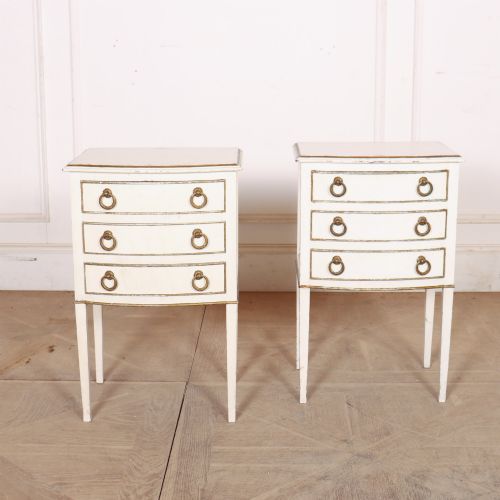
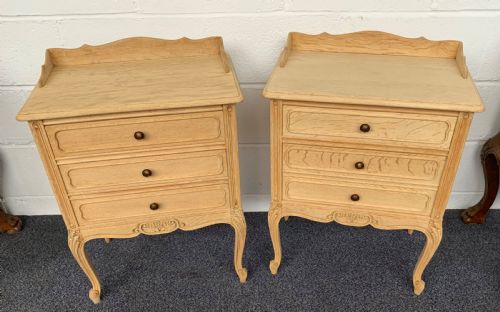
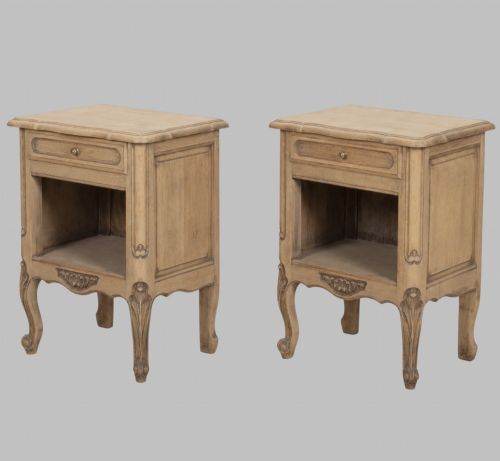
The selection frequently includes matched pairs alongside single items, offering options for symmetrical bed arrangements or singular accent pieces next to a bed.
Materials and construction methods
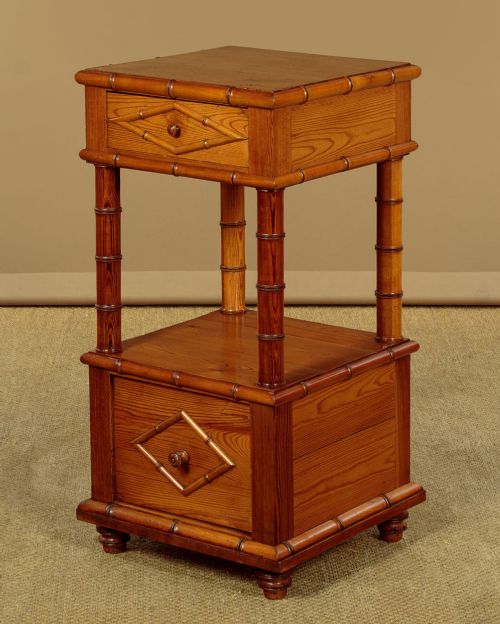
Cabinet makers utilised a range of timbers including walnut, mahogany, oak, satinwood, kingwood, and fruitwood, often applying marquetry or parquetry veneers to create geometric and floral patterns. Faux bamboo carving also appears on nineteenth century examples.
Many cabinets incorporate inset marble tops, adding a durable and decorative surface, while decorative hardware and mounts utilise brass and ormolu to accent the timber frames.
Vintage French Bedside Drawers Retail Price Guide 2026
Typical asking prices for vintage french bedside drawers among the pieces listed under this phrase on Sellingantiques today, from the lower quarter to the upper quarter. They describe what is for sale here now, not the wider market.
Several pieces feature faux bamboo framing, proving that Victorian cabinet makers possessed a distinct enthusiasm for botanical imitation.
Distinctions in construction and finish
The degree of refinement in timber selection and inlay work separates standard utility pieces from more ambitious cabinet making. Crispness of carving, precision in marquetry patterns, and the integration of ormolu mounts indicate the standard of production.
Condition of the materials, such as the integrity of marble slabs and the stability of veneered surfaces, influences the character and preservation of each piece.
The Vintage French Bedside Drawers Glossary
- Marquetry
- Decorative veneer work arranged in pictorial or floral patterns across the surface of the timber. This technique showcases the skill of the cabinet maker through intricate wood selections.
- Ormolu
- Gilded bronze mounts applied to furniture for decorative accent. It provides a bright metallic contrast against dark woods like mahogany and walnut.
- Bombe
- A swelling, outward curving furniture shape characteristic of certain continental periods. This profile requires advanced timber bending and shaping techniques.
- Parquetry
- Geometric wood veneer patterns arranged in repetitive shapes such as cubes or triangles. It creates a structured, architectural surface texture.
- Serpentine
- A wave shaped furniture front that curves inward centrally and outward at the sides. This contour adds fluidity and movement to cabinet designs.
Vintage French Bedside Drawers: Frequently Asked Questions
Are these cabinets sold as pairs?
Many listings offer matched pairs suitable for placing on either side of a bed. Single cabinets also appear frequently for asymmetrical room layouts.
Buyers looking for uniformity should check descriptions for references to pairs or near pairs.
What wood types are common?
Common timbers include walnut, oak, mahogany, kingwood, and fruitwood. Veneers with marquetry or parquetry patterns frequently decorate the surfaces.
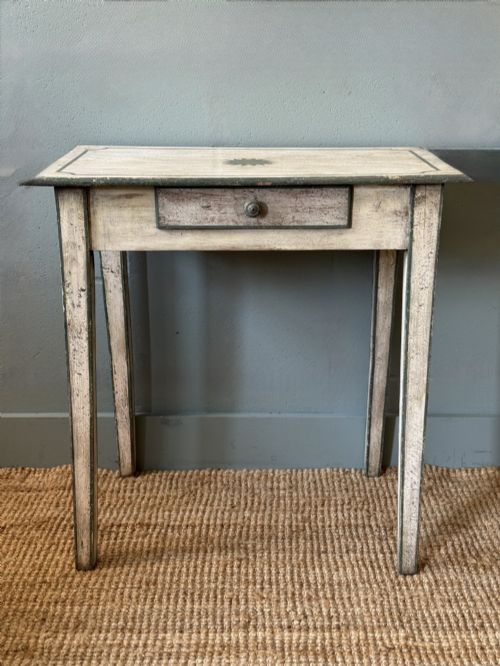
Some pieces feature painted finishes or bleached oak treatments dating to the twentieth century.
Do they include marble tops?
A significant portion of nineteenth and early twentieth century cabinets incorporate fitted marble tops. These provide a hardwearing surface above the drawer compartments.
Colour and veining of the marble vary by piece and period.
How do I identify the period?
Periods are identified through structural styles, such as louis xv revival curves, art deco geometric lines, or nineteenth century proportions. Timber choices and decorative techniques also indicate the era of manufacture.
Dates range from the nineteenth century through the nineteen fifties.