





Vintage French Art Deco
When you search for vintage french art deco, you encounter striking domestic objects, seating and lighting defined by the geometric rigour of the interwar decades.
Vintage French Art Deco
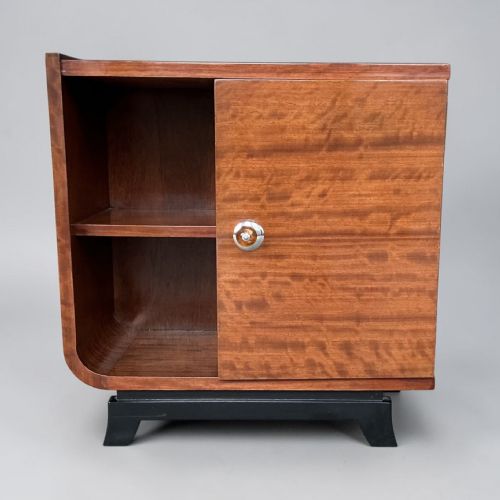
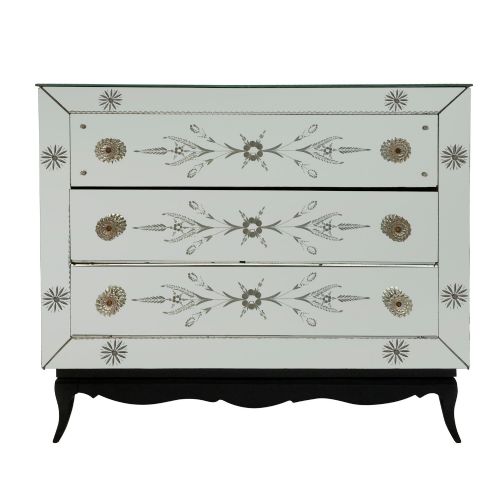
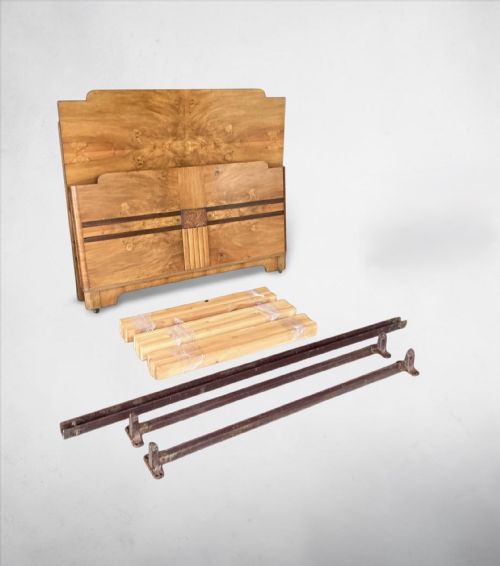
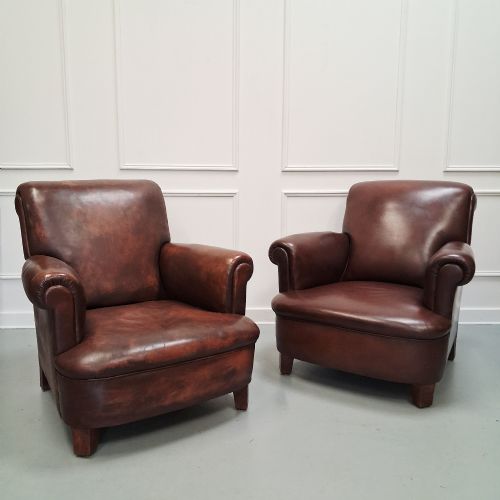
Vintage french art deco spans large furniture like sideboards, side cabinets, dining tables and writing desks, alongside seating forms including club armchairs and beds. These utilitarian and domestic items are frequently rendered in rich timbers such as walnut and rosewood.
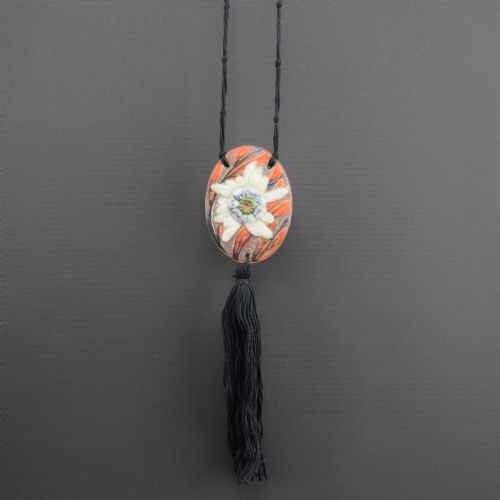
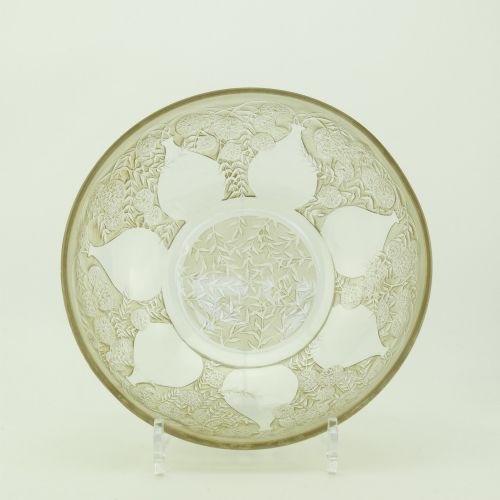
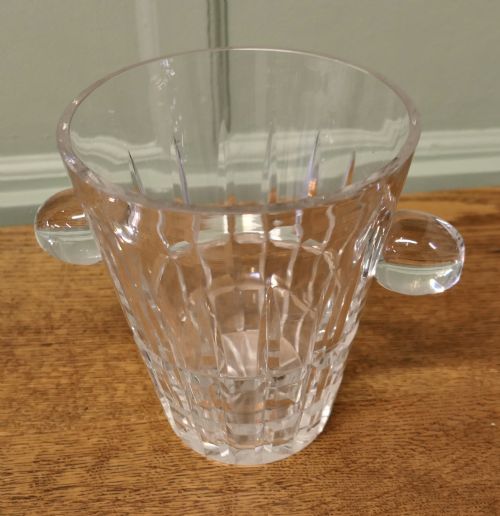
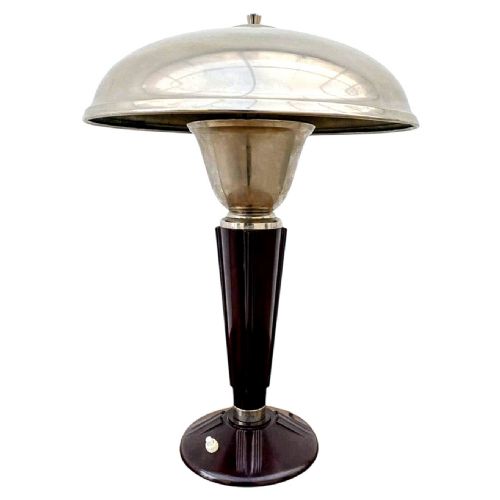
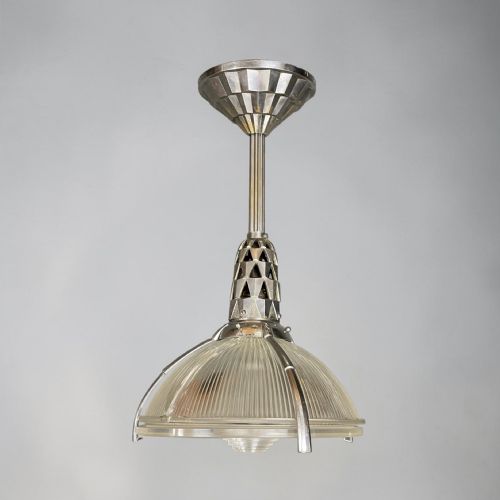
The category extends to decorative arts and lighting, encompassing frosted glass vases, sculptural table lamps, pendant lights and bronze or spelter animal and dancer figures. Silver plate cocktail shakers, ice buckets and bar carts also populate this selection.
Most examples originate from the 1920s and 1930s, capturing the modernist aesthetic that emerged in France between the wars. Pieces lean towards symmetrical geometry, streamlined silhouettes and refined surface ornamentation.
What varies in quality
Quality rests upon the purity of the design line and the integrity of the materials employed, distinguishing bespoke studio pieces from standard commercial production. Master makers and silversmiths achieved superior weight, balance and subtlety in surface detail.
Condition of the original finish, whether polished wood, patinated bronze or intact silver plate, dictates the visual authority of a piece. Finer examples retain their original glass shades, hardware and maker signatures without later intervention.
Materials recorded across the inventory include glass, frosted glass, leather, walnut, marble, brass, metal and wood.
Argy Rousseau·Rene Lalique·Eileen Grey·Pierre le Faguays·Raymond Subes·Christofle·Irénée Rochard
The Vintage French Art Deco Glossary
- Spelter
- A zinc alloy frequently used as a substitute for bronze in decorative figures and lamp bases, often given a cold-painted or bronze-like finish. It offers lighter weight and sharper casting details for mass-produced interwar ornaments.
- Pate de verre
- A glass-making technique where crushed glass is packed into a mould and fused in a kiln, producing dense objects with mottled colouration and tactile surfaces. This method was championed by notable French glass artists.
- Club chair
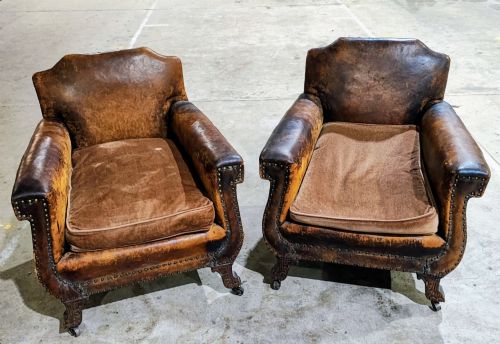
- A deep, low-slung armchair upholstered in thick leather, built for comfort and durability during the early twentieth century. French interpretations feature rounded profiles and rich patination.
- Bakelite
- An early synthetic plastic valued for its smooth finish and rich colour range, utilised in desk lamps and decorative objects. It represents the technological modernization of domestic goods during the period.
Vintage French Art Deco: Frequently Asked Questions
How do I identify genuine vintage french art deco furniture?
Look for characteristic materials like walnut veneers, rosewood and fruitwood combined with clean geometric lines. The construction generally reflects interwar French cabinet-making standards.
Examine the hardware and joinery for period accuracy. Unsigned pieces still reveal their age through the weight of the timber and the restraint of the ornamentation.
Where were these pieces originally used?
They furnished Parisian apartments, country chateaux, offices and commercial spaces of the 1920s and 1930s. Bar carts and cocktail shakers were central to the era's sophisticated entertaining culture.
Desks and sideboards served functional roles in domestic interiors, while bronze sculptures and glass vases acted as focal points on mantelpieces and tables.
How do I care for leather club chairs?
Maintain the leather by applying appropriate natural balms to prevent drying and cracking over time. Keep them away from direct sunlight and heat sources to preserve the original hide.
Regular dusting with a soft cloth protects the patina. Avoid harsh chemical cleaners that strip the vintage finish.
What is the difference between bronze and spelter figures?
Bronze is a heavy copper and tin alloy that accepts patination deeply and holds fine chisel work. Spelter is a zinc-based alternative that is lighter and more brittle.
Figures cast in bronze generally command greater permanence and detail. Both metals were widely used for decorative dancer and animal sculptures.