




Vintage French Architectural Salvage
Vintage french architectural salvage brings genuine character into a room through fragments of chateaux, country houses and urban buildings.
Vintage French Architectural Salvage
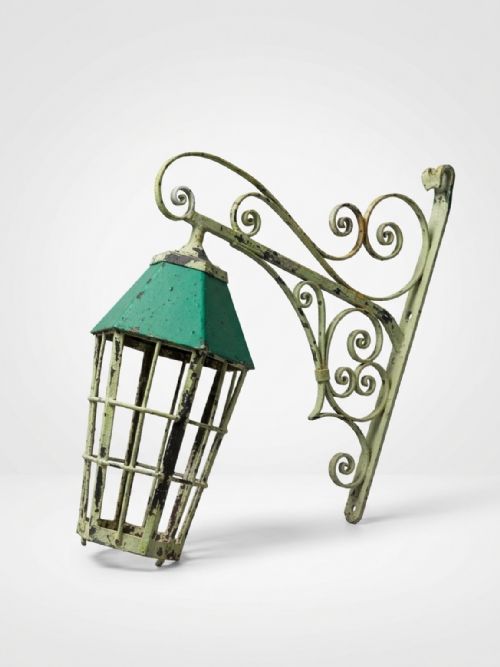
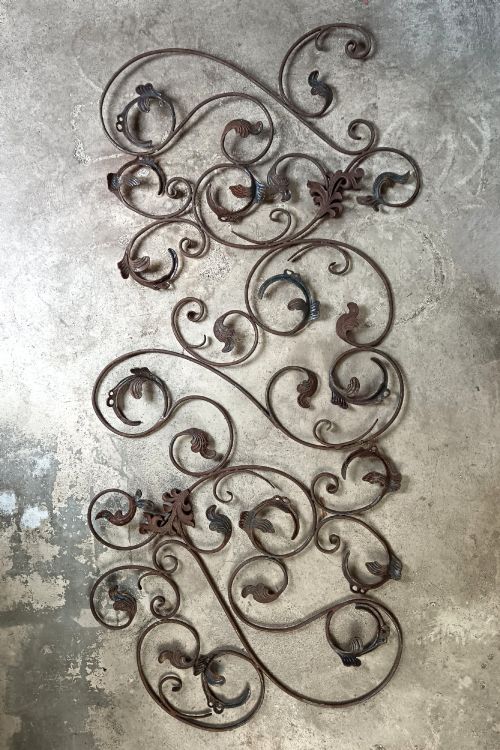
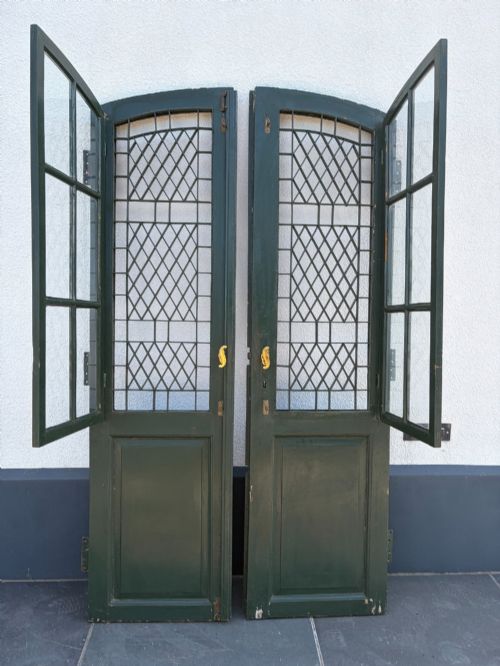
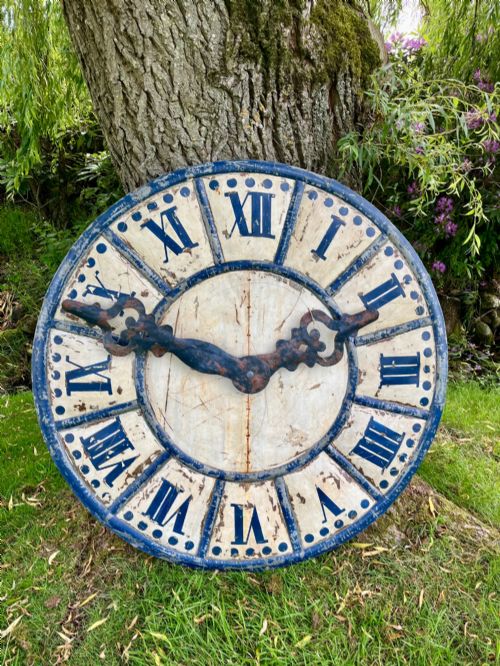
Vintage french architectural salvage encompasses physical elements rescued from historic buildings, ranging from heavy timber doors and carved wooden panels to delicate iron scrollwork and cast iron balustrade panels. These pieces carry the visible patina of age, often bearing layers of original paint or weathered metal surfaces that tell the story of their origin.
Originating predominantly from French provincial settings and chateaux, these objects bridge the gap between historic preservation and interior design. They serve practical roles as functional doors and wall brackets, or act purely as decorative wall reliefs, panels and theatrical columns within modern spaces.
How vintage french architectural salvage was made
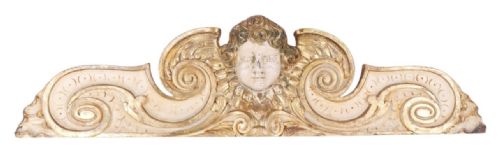
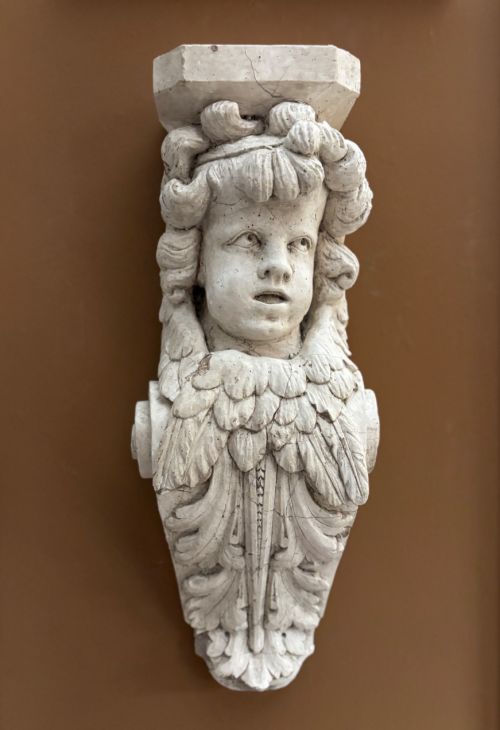
Traditional craftsmanship relies heavily on hand-carved wood such as walnut, cherrywood and pine, shaped by artisans to form intricate over-door carvings, cherubs, putto wall corbels and decorative panels. Carpenters and joiners utilised solid timber construction for large architectural elements like armoire doors and shutters, employing historic joinery techniques suited to each period.
Metal components draw on diverse foundry and smithing traditions, utilising wrought iron for scroll panels and rails, cast iron for decorative balustrade panels and figures, and bronze or brass for door pull handles and hardware. Artisans also worked with plaster and gesso to mould large wall corbels and decorative architectural reliefs.
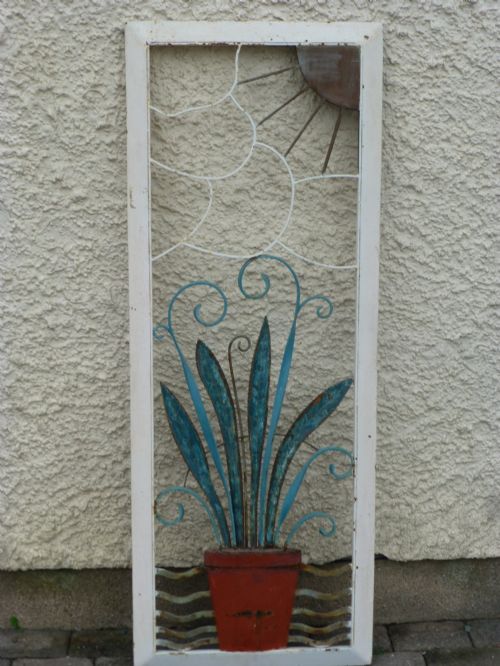
Surfaces frequently show traditional finishing methods, notably applied paint layers over wood or metal, alongside natural weathering on exterior ironwork and unpainted wood surfaces. Skilled metalworkers also executed fine bronze and ironwork, as seen in reclaimed garden and door screens from the early twentieth century.
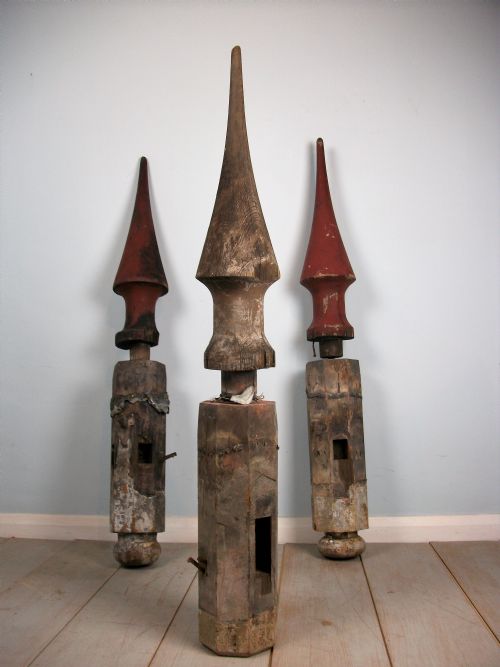
Listings span multiple centuries, incorporating seventeenth-century ironwork, eighteenth-century carved panels and finials, alongside twentieth-century Art Deco bronze and iron elements.
What varies in quality in vintage french architectural salvage
The degree of hand-carved detail and artistic execution distinguishes standard joinery from exceptional sculptural work, particularly on wooden panels, corbels and figures where the hand of the maker is clearly visible. Pieces featuring sophisticated motifs, such as cherubs or bespoke iron scrollwork, display a superior level of design ambition.
Material integrity and the preservation of original surfaces dictate the distinction between ordinary remnants and high-grade salvage, with intact layers of original paint, uncompromised patination, and robust structural timbers holding greater visual weight. The presence of specialised metals like bronze and crystal in hardware or intricate casting work elevates the stature of an object.
Completeness and scale play a vital role, as matching pairs of doors, unseparated sets of shutters, or cohesive trios of finials retain their architectural context more effectively than isolated fragments. The complexity of the original application, whether a grand chateau door or a simple wall bracket, naturally influences the presence and impact of the piece.
Raymond Subes
The Vintage French Architectural Salvage Glossary
- Corbel
- A structural or decorative bracket projecting from a wall to support a weight, often carved from wood or cast in plaster.
- Finial
- A distinct decorative ornament finishing the peak of a spire, roof, or architectural furniture element.
- Balustrade
- A row of repeating balusters supporting a rail, frequently found in cast iron for architectural screening.
- Putto
- A figure of a small infant, commonly winged, depicted in classical art and architectural carvings.
- Pelmet
- A framework placed above a window or door to conceal fittings, often carved or painted in historic interiors.
Vintage French Architectural Salvage: Frequently Asked Questions
How do I hang a heavy wooden panel?
Large carved wooden panels and architectural fragments require robust wall fixings anchored directly into structural masonry or heavy studwork to support their substantial weight safely. Using professional mirror plates or concealed metal batten systems ensures the piece remains flush and secure against the wall.
Because these historic items often lack modern hanging hardware, consulting a professional installer is recommended to assess the rear structure of the timber before mounting.
Can antique exterior salvage be used indoors?
Exterior elements such as wrought iron scroll panels, stone or plaster corbels, and exterior shutters adapt seamlessly to interior spaces as decorative focal points or room dividers. They introduce architectural depth and historic texture to plain modern plaster walls.
Care should be taken to stabilize flaking paint or active rust before bringing exterior items inside, ensuring they suit a domestic living environment without shedding debris.
How do I date french architectural pieces?
Dating relies heavily on observing the material composition, tool marks left by woodworking or casting, and the stylistic vocabulary of the period, such as Baroque curves or Art Deco geometry. Historic nail types, joint construction, and the nature of the underlying paint layers also provide reliable chronological clues.
Comparing construction methods with dated examples from the same region helps narrow down whether a piece originates from the eighteenth, nineteenth, or early twentieth century.