



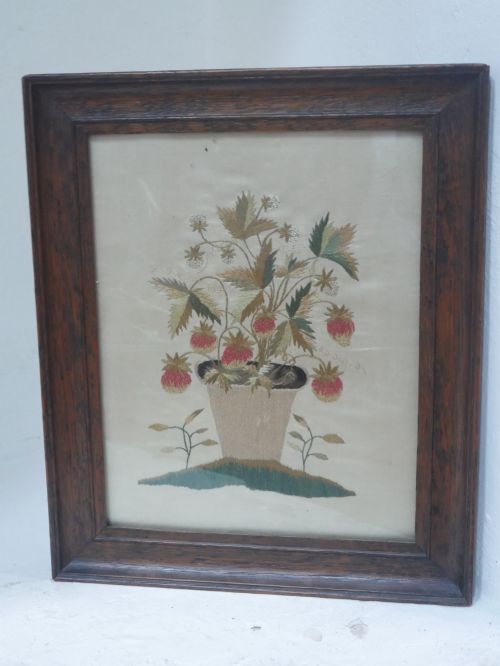
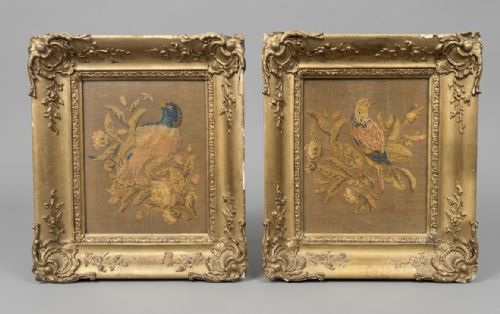


Vintage Framed Tapestry Picture
These vintage framed tapestry picture examples bring centuries of textile art into modern interiors through needlework, woolwork and embroidery.
Vintage Framed Tapestry Picture
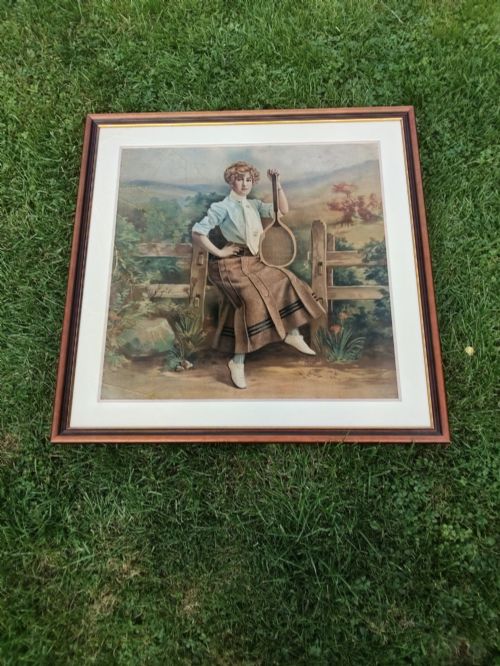
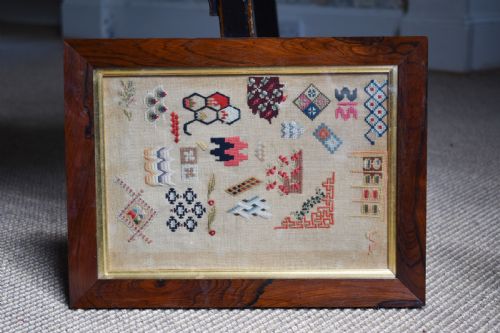
A vintage framed tapestry picture represents a diverse category of historical needlework, wall art and textile panels preserved behind glass within protective surrounds. Buyers seeking a vintage framed tapestry picture will encounter varied artistic expressions ranging from educational samplers to pictorial woolwork and intricate beadwork fragments.
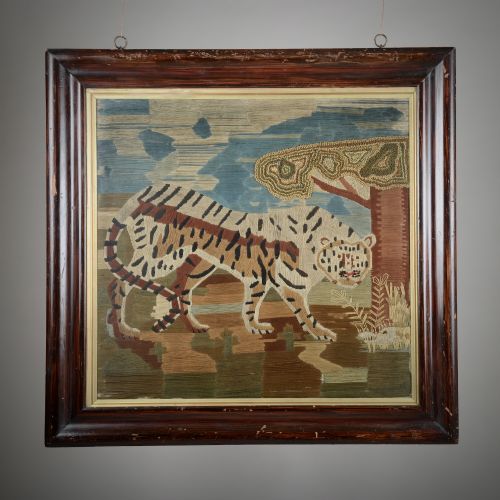
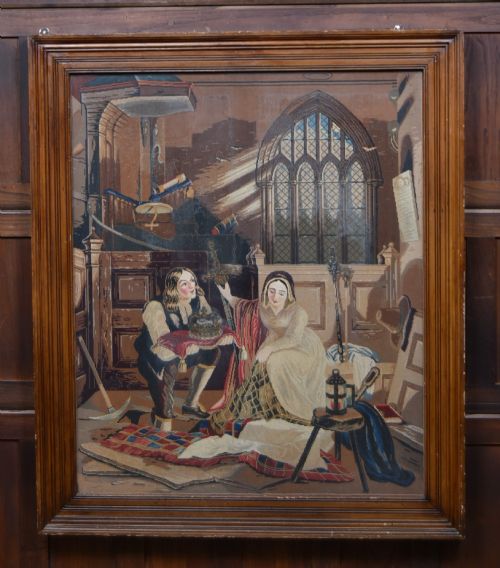
The selections span multiple centuries, with pieces originating from the seventeenth, eighteenth and nineteenth centuries alongside later Victorian and Edwardian examples. Common forms include botanical studies, animal depictions such as tigers and horses, historical scenes, and traditional maps worked in textile media.
Makers and makers' hands include young scholars creating signed samplers as well as skilled artisans producing detailed gros-point wool pictures and needlework panels. These works capture domestic and decorative textile traditions across Georgian, Victorian, Gothic Revival and French Empire aesthetics.
Materials and construction methods
Makers utilised natural textile fibres including wool, silk, linen and canvas as the primary grounds for stitching intricate designs. Woolwork and gros-point techniques provided durable textures for pictorial subjects, whilst finer silk threads allowed for delicate shading in portraiture and bird depictions.
Frames play a crucial structural and aesthetic role, constructed from wood with period treatments including gilt wood and birds eye maple. Glazing protects the delicate textile surfaces from environmental dust and handling whilst allowing the historical needlework to remain visible.
Construction methods vary from tightly stretched canvas panels secured within oval or rectangular frames to cushion covers repurposed as wall art. Stitching techniques encompass crewel work, beadwork and traditional sampler alphabets executed by hand.
Vintage Framed Tapestry Picture Retail Price Guide 2026
Typical asking prices for vintage framed tapestry picture among the pieces listed under this phrase on Sellingantiques today, from the lower quarter to the upper quarter. They describe what is for sale here now, not the wider market.
The selection includes pictorial woolwork depicting tigers, horses and historical figures alongside traditional educational samplers.
Factors that distinguish quality
The sophistication of the needlework design and the precision of the stitching dictate the visual impact of each piece. Finer gauge threads and complex colour blending in wool or silk elevate pictorial works above simpler, block-colour compositions.
The preservation of the textile material and the integrity of the original frame determine the overall historical value. Original period frames, such as gilt wood or birds eye maple enclosures, complement the textile art better than later replacements.
Documentation adds significant context, particularly when needlework samplers retain legible signatures, dates and makers' ages. Pieces that record specific historical subjects or named makers demonstrate greater narrative depth.
The Vintage Framed Tapestry Picture Glossary
- Sampler
- A piece of needlework produced as a demonstration or test of skill in various stitches, often featuring alphabets, numbers and motifs. They frequently include the maker's name and age.
- Gros-point
- A type of heavy needlepoint embroidery stitched on coarse canvas using wool yarn. This technique produces durable, textured surfaces ideal for pictorial tapestries.
- Crewel work
- Embroidery executed with wool yarn on a fine linen or cotton twill fabric. It employs a variety of traditional stitching styles to create flowing floral and animal designs.
- Gilt wood
- Wood that has been coated with a thin layer of gold leaf or gold paint. This finish was commonly applied to decorative picture frames during the eighteenth and nineteenth centuries.
- Birds eye maple
- A figure in maple wood resembling small, swirling eyes caused by local disruptions in grain growth. It was highly prized for decorative picture framing during the nineteenth century.
Vintage Framed Tapestry Picture: Frequently Asked Questions
How do I date a needlework sampler?
Many samplers include embroidered dates and the maker's age or name directly within the textile design. When a date is absent, stylistic indicators such as the lettering style, border motifs and framing materials help narrow down the period.
Examining the back of the frame can also reveal older paper backings, construction nails or dealer labels that provide clues to the approximate age of the piece.
What is the difference between a tapestry and a sampler?
A tapestry picture typically depicts a pictorial scene, portrait or landscape using woven or embroidered threads to create a complete visual narrative. These were primarily designed as decorative wall art.
In contrast, a sampler serves as a showcase of various embroidery stitches and patterns, historically created by learners to demonstrate technical proficiency in needlework.
How should I care for antique needlework?
Antique textiles require protection from direct sunlight to prevent the fading of wool, silk and linen threads. Maintaining a stable indoor humidity level prevents the degradation of both the fabric and the wooden frame.
Keep framed pieces behind glass to shield the delicate stitches from dust and airborne pollutants, and avoid hanging them in damp environments.
What subjects appear in vintage tapestry pictures?
The subjects range widely across different centuries, encompassing floral studies, animals such as horses and tigers, and literary or historical depictions. Map samplers and classical portraits also occur frequently within nineteenth-century production.
Religious motifs, medieval-style compositions and allegorical scenes reflect the changing aesthetic preferences of the Georgian and Victorian eras.