
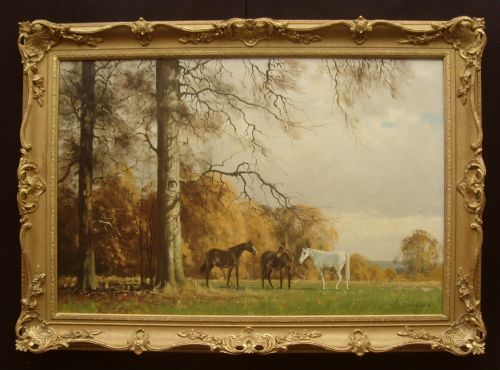
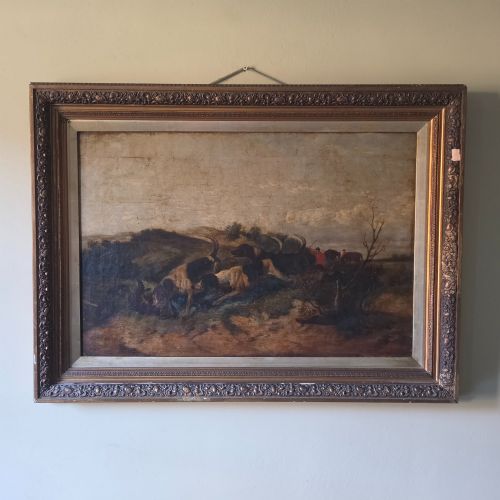
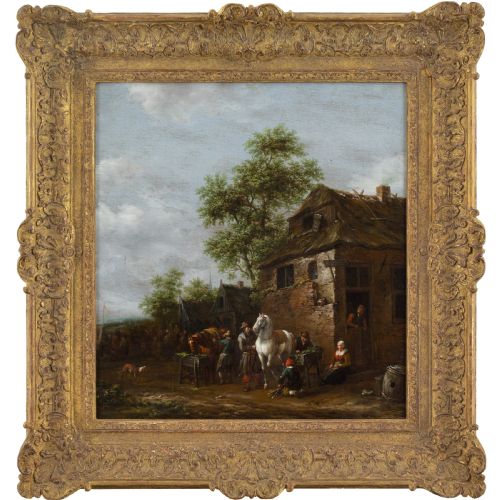
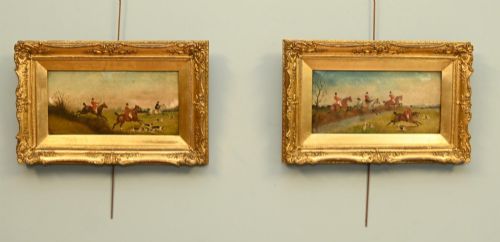
Vintage Framed Equestrian Artwork
Vintage framed equestrian artwork captures the enduring power of horses through centuries of oil paintings, watercolours, prints and pastels.
Vintage Framed Equestrian Artwork
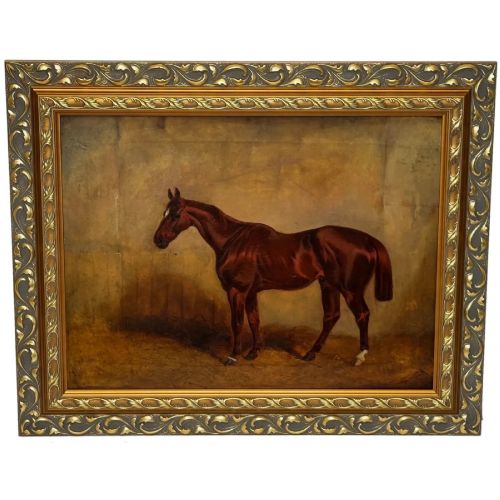
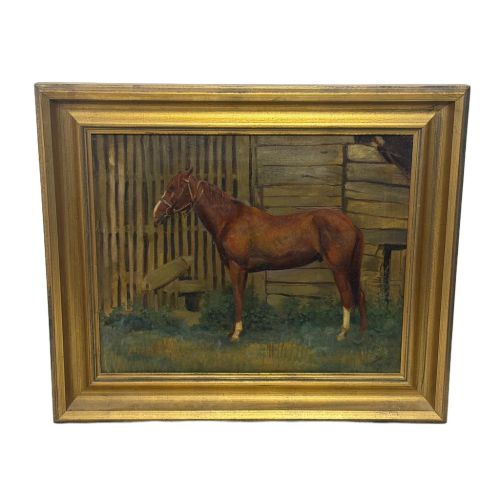
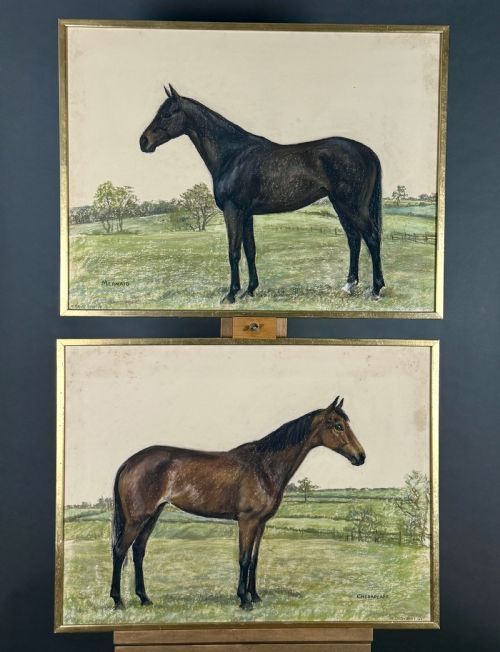
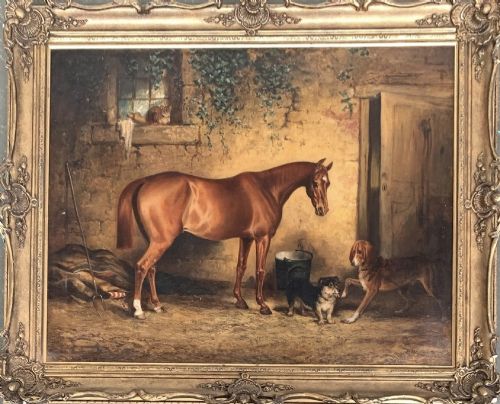
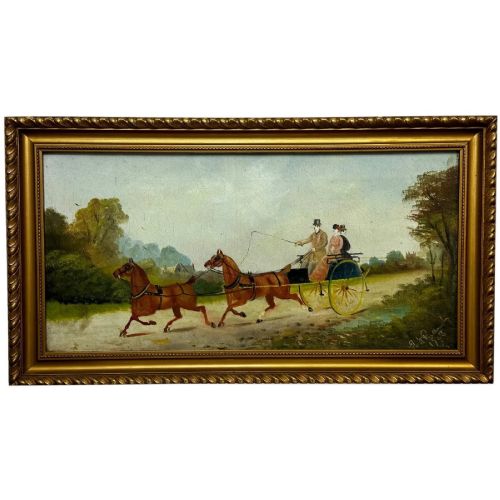
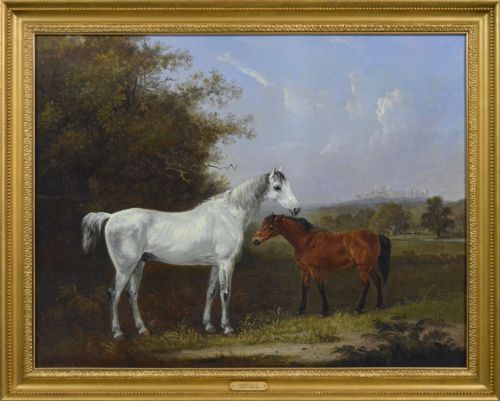
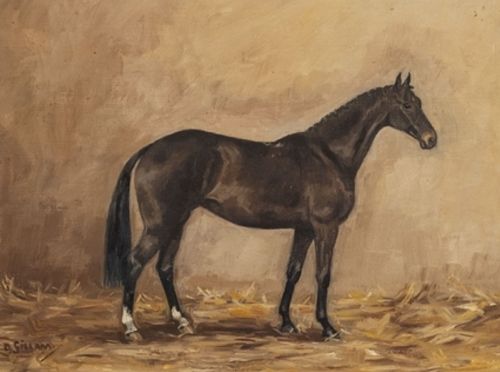
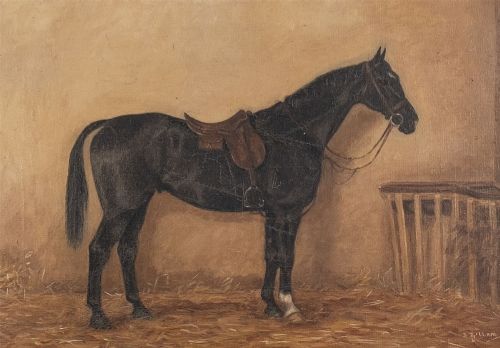
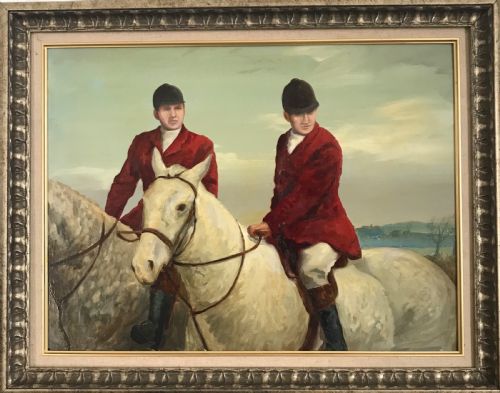
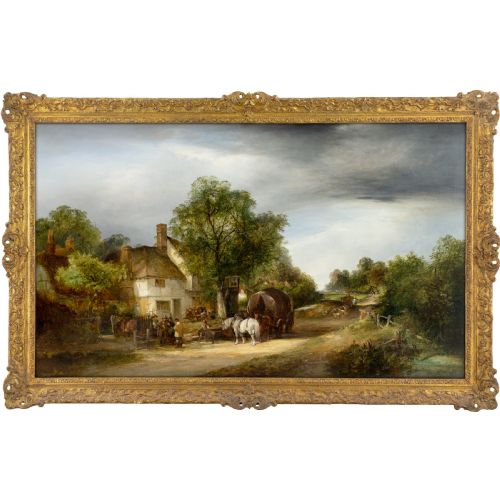
Vintage framed equestrian artwork encompasses pieces depicting horses, racing, hunting and stable scenes from periods spanning the seventeenth century through to the mid-twentieth century. Buyers searching for vintage framed equestrian artwork encounter framed prints, delicate watercolours, pastels on paper and substantial oil paintings set within period timber or giltwood surrounds.
Origins stretch from British realists and Victorian sporting painters to continental European schools. Pieces appear in various formats, from individual portraits of named champions to pairs of coaching studies and expansive hunting landscapes.
Materials and technique
Artists utilised oil paint on canvas or wooden panel to build rich, textured depictions of horses and riders, often employing glazes to catch the sheen of a coat or the light in a stable. Watercolours and pastels on paper offer a lighter touch, capturing swift movement in field sports and racing.
Frames play an integral structural and aesthetic role, constructed from wood with giltwood mouldings or simpler oak profiles that protect the paper or canvas beneath glass. Prints were produced through lithography, drypoint and engraving, transferring ink onto paper to disseminate popular sporting imagery.
Listings feature works executed in oil paint, watercolour, pastel, lithograph and drypoint across the nineteenth and twentieth centuries.
Factors of distinction
Anatomical precision and the artist's ability to render the muscle structure, movement and expression of the horse separate standard illustrative work from exceptional portraiture. The handling of light across hide, landscape and stable interior dictates the visual depth of painted pieces.
The originality of the framing and the preservation of the paper, canvas or panel maintain the integrity of the piece. Works retaining their period wooden or giltwood surrounds and clear artist signatures or historical attributions hold distinct visual authority.
William Joseph Shayer Senior·Kurt Meyer-Eberhardt·Thomas Smythe·Frederick Albert Clark·Henry Barraud·Philip Rideout
The Vintage Framed Equestrian Artwork Glossary
- Mezzotint
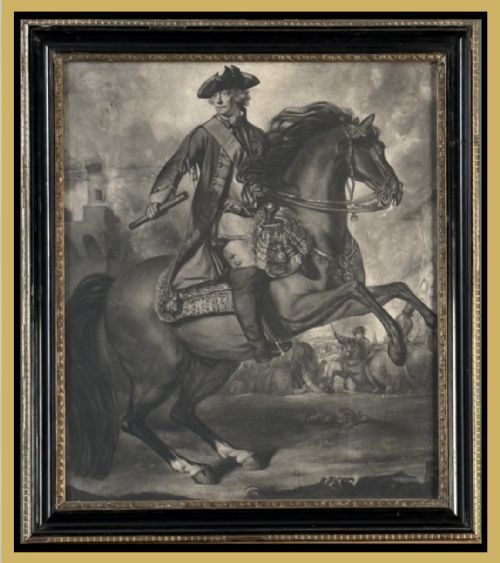
- A printmaking process where the copper plate is roughened to achieve rich tonal gradations. This technique allows for subtle shadows and highlights particularly suited to portraiture.
- Drypoint
- An intaglio printmaking technique where an image is scratched directly onto a metal plate with a sharp needle. The resulting burr holds ink to create soft, velvety lines.
- Giltwood
- Wood that has been treated with a thin layer of gold leaf or gilt finish. Frames finished in this manner provide a reflective border popular in Victorian and Edwardian presentation.
- Lithograph
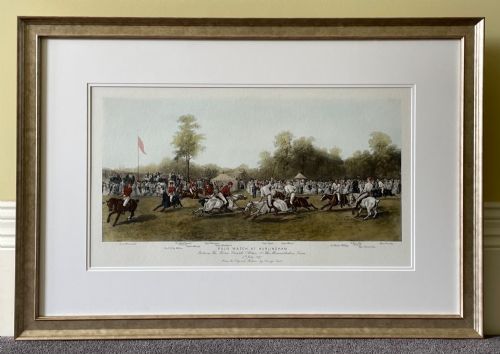
- A print produced from a flat stone or metal plate treated to retain ink only in the desired design areas. It became a primary method for reproducing popular sporting scenes in the nineteenth century.
Vintage Framed Equestrian Artwork: Frequently Asked Questions
What subjects do these artworks show?
The pieces depict racehorses, hunters, polo matches, fox hunting scenes and stable portraits alongside coaching watercolours and pastoral landscapes.
Subjects range from named historical champions to generic studies of horses in motion or at rest.
How are these pieces usually framed?
Many works retain their period wooden or giltwood frames, which complement the traditional nature of equine art.
Some prints and watercolours are presented beneath glass within original timber or moulded surrounds.
How do I identify the age of a piece?
Age is determined through material indicators such as the type of paper, canvas preparation, framing construction and pigment composition.
Signatures, dates inscribed on the reverse and stylistic markers from periods like the Victorian era or mid-century also provide chronological context.
Were these works created as originals or prints?
The selection includes both unique hand-painted oils, watercolours and pastels alongside mechanical or hand-pulled print iterations.
Print formats encompass lithographs, engravings and mezzotints after established painters.