
Vintage Framed Art
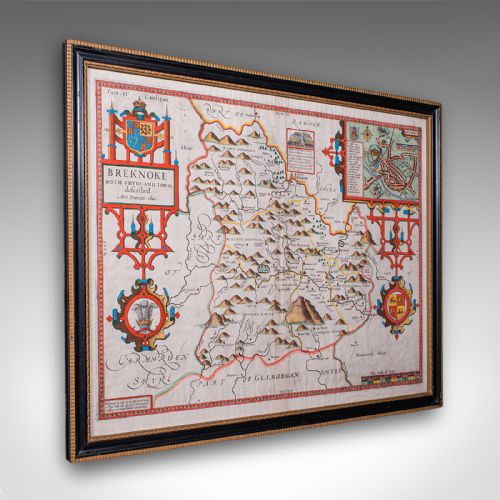
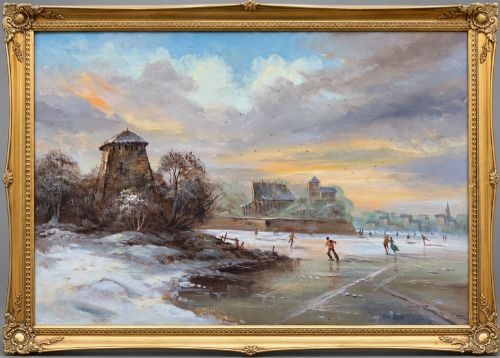
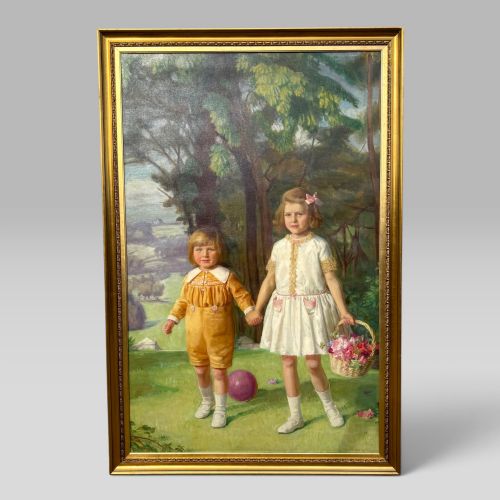
Vintage framed art brings together historic paintings, drawings, and prints enclosed in period surrounds from the eighteenth century to the mid-twentieth century.
Vintage Framed Art
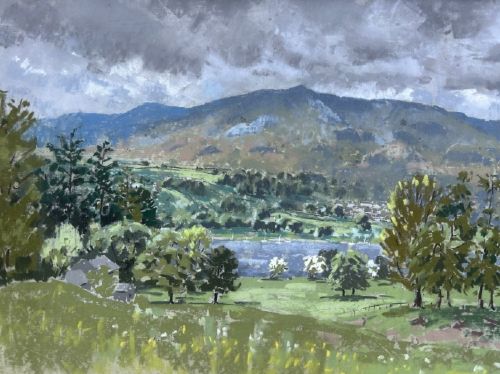
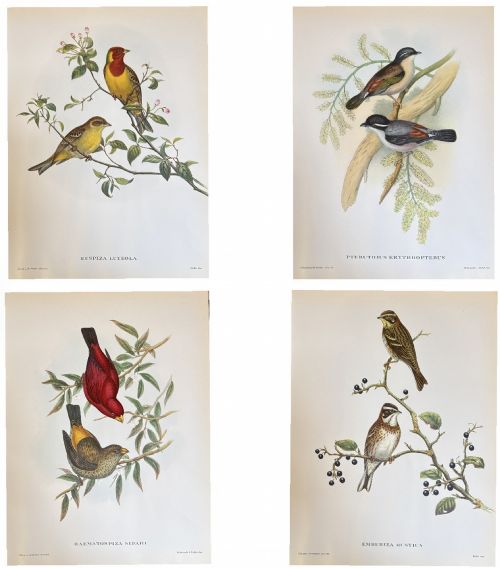
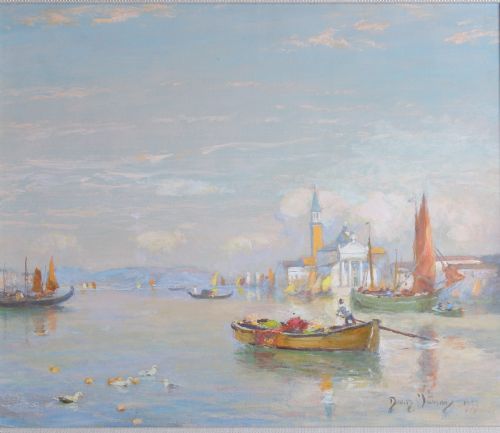
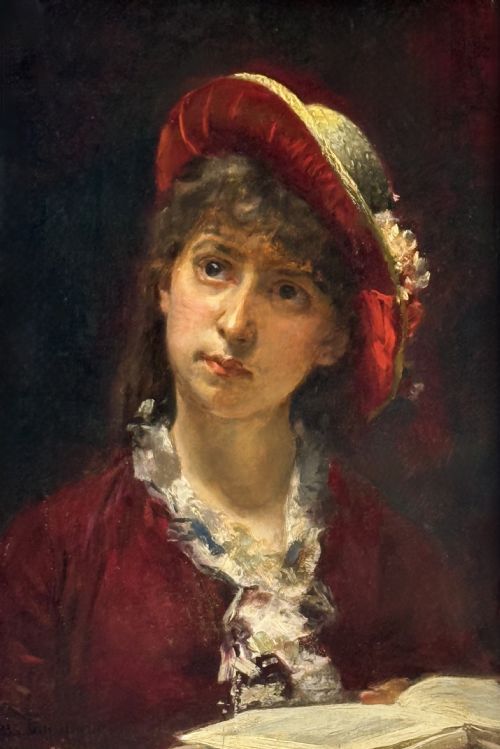
When you search for vintage framed art, you encounter a varied selection of wall pieces spanning the eighteenth, nineteenth, and twentieth centuries. These encompass oil paintings on canvas or board, watercolours, pastel drawings, and prints.
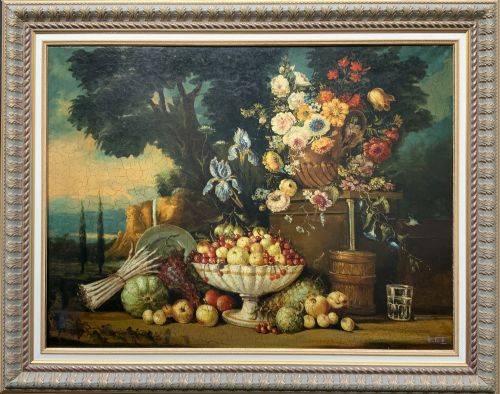
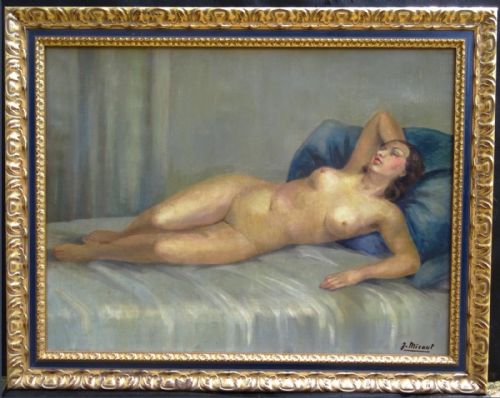
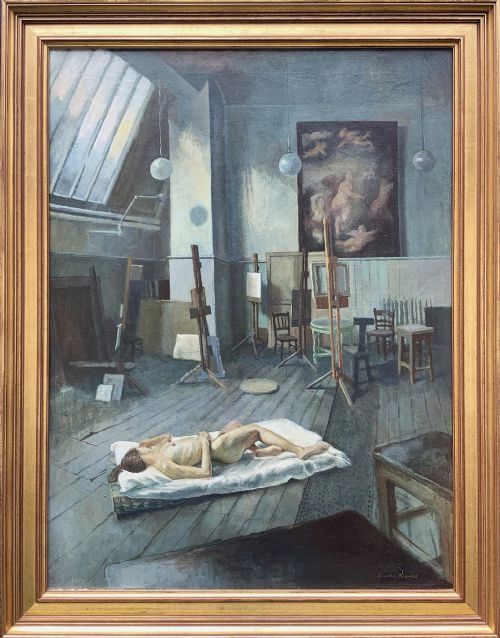
The assortment includes portraits of beauties and military officers, pastoral landscapes, marine scenes, and still lifes. Works reflecting the Dutch School, Art Deco, and Mid-Century Modern movements appear frequently alongside Victorian and Edwardian examples.
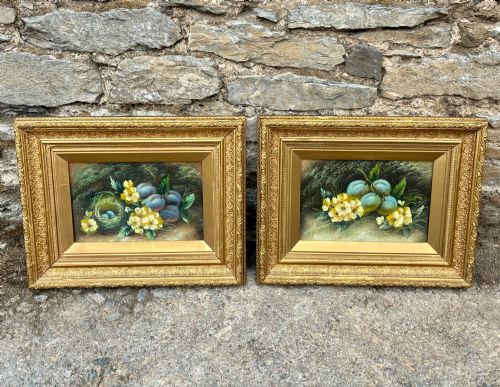
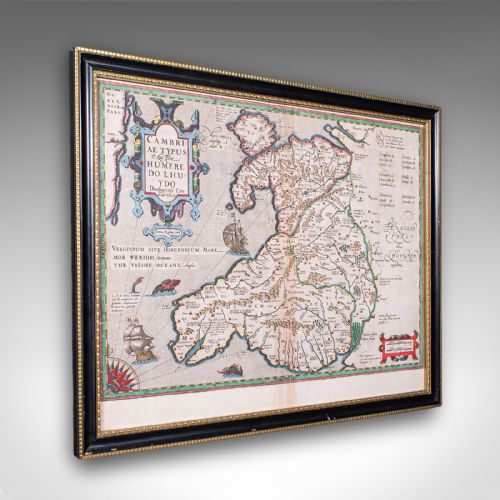
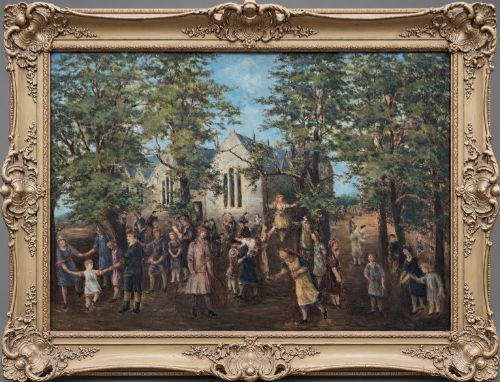
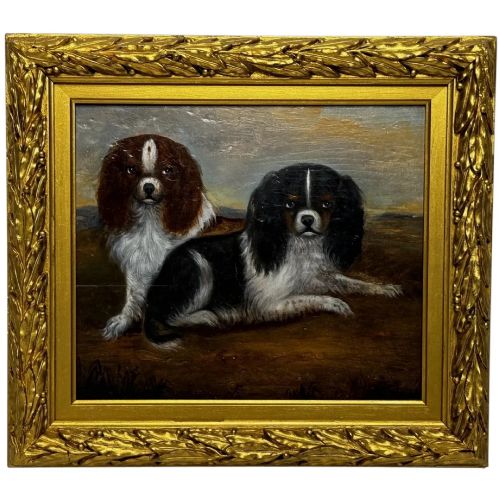
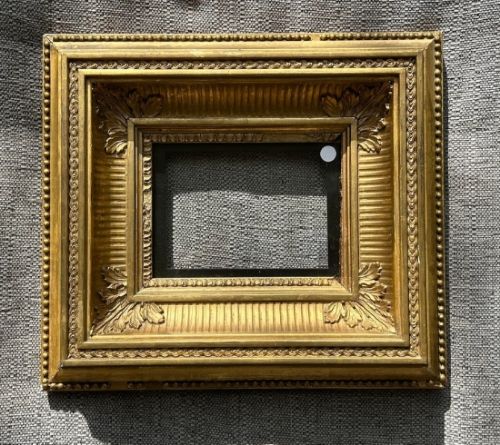
Many of these works remain in their original surrounds, such as deep giltwood and gesso fluted hollow picture frames, or glazed timber housings. The combination of the historic image and its period mount defines the category.
Materials and construction
The physical objects rely on traditional artist supports including canvas, paper, parchment, board, and silk. Pigments take the form of oil, watercolour, pastel, ink, and gouache, applied by hand to capture fine detail.
Protective surrounds utilise wood, brass, gilt, and gold leaf, often finished with carved gesso or glass glazing. Hand-stitched elements and silk work also feature in specific decorative textile pieces.
Makers constructed frames from timber, applying intricate gilt details to complement the aesthetic of the enclosed artwork. Glazing protects delicate watercolours and pastel drawings on paper from atmospheric damage.
Several charming watercolours depict delicate flower fairies nestled among botanical illustrations.
Assessing quality and execution
The distinction between standard and superior pieces rests upon the surety of the draughtsmanship and the handling of the medium. Skilled oil paintings display depth in tone and texture, whereas watercolours rely on controlled washes and precise line work.
The relationship between the artwork and its surround influences the integrity of the piece. Original period frames that harmonise with the age and scale of the painting elevate the overall historical coherence.
Condition plays a part in evaluation, specifically regarding the preservation of the painted surface, the stability of the canvas or paper, and the intact state of giltwood mouldings.
Jason and Joseph Kohn·Deidre Daines·Angus Rands·Sir David Murray·Agnes Augusta Talboys·Marjorie L Davies·Fred Yates·Lionel Ellis·William Langley·K. Howitt·GM Avondale·Thomas Rowden·Sushila Singh·Jacob Kramer·Francesco Guardi·Henry Barraud·Walter Robin Jennings·Willem J Palman
The Vintage Framed Art Glossary
- Gesso
- A plaster-like mixture applied to wood frames as a base for gilding or painting. It allows craftsmen to carve intricate decorative details before applying gold leaf.
- Watercolour
- A painting method in which the paints are made of pigments suspended in a water-based solution. Artists use translucent washes on paper to create luminous effects.
- Giltwood
- Wood that has been covered with a thin layer of gold leaf or gold paint. It provides a reflective, ornate finish popular in nineteenth-century picture frames.
- Dutch School
- A designation referring to artists working in the Netherlands during the seventeenth century and later. These painters focused on landscapes, maritime scenes, and domestic interiors with realistic light.
- Pastel
- A dry art medium in the form of a stick, consisting of powdered pigment and a binder. Works executed in this medium require glass glazing for protection against smudging.
Vintage Framed Art: Frequently Asked Questions
How do I date a piece?
Examine the style of the artwork, the materials of the support, and the construction techniques of the frame. Handwritten notes on the reverse or signatures often provide clues to the active period of the artist.
Changes in artistic movements, such as the shift from Victorian portraiture to Mid-Century Modern abstraction, help narrow down the decade of creation.
Are original frames important?
Original surrounds maintain the historical context and aesthetic balance intended for the artwork. A period giltwood or timber mount complements the palette and age of the painting.
Matching the frame to the era of the image ensures authenticity and preserves the visual integrity of the piece.
How should I hang these artworks?
Select wall space away from direct sunlight and excessive moisture to protect paper supports, watercolours, and wooden frames. Ensure the hanging hardware matches the weight of the framed piece.
Allow adequate spacing between different styles, such as balancing oil paintings with delicate pastels or illustrated prints.
What is the difference between oil and watercolour?
Oil paintings utilise pigments suspended in drying oils on canvas or board, offering rich textures and deep colour layering. They are generally more robust and do not require glass protection.
Watercolours use water-soluble pigments on paper, creating translucent effects. They must remain glazed behind glass to prevent moisture and dust damage.