





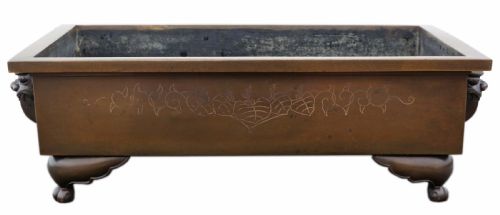


Vintage Foot Basin
These vintage foot basin examples are heavy metal and ceramic vessels designed for personal ablutions, offering deep utility and classical form for modern interiors.
Vintage Foot Basin
A vintage foot basin serves as a deep, wide vessel originally intended for washing feet or managing domestic water tasks in bedrooms and dressing rooms. Buyers searching for a vintage foot basin encounter a variety of forms, spanning earthenware, creamware, and heavy sheet iron or copper.
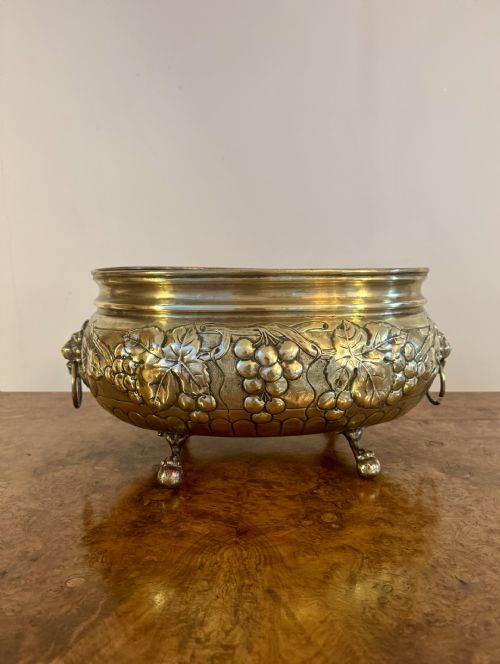
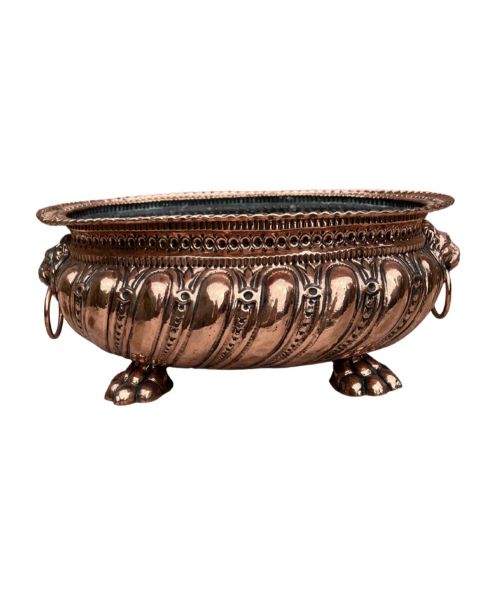
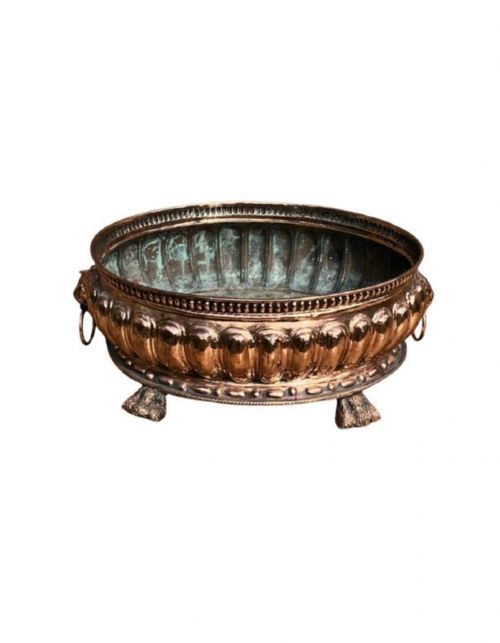
The materials and styles range from Regency transfer-printed ceramics to Victorian copper and brass containers, often repurposed today as planters or display bowls. Pieces from this selection carry the weight of the nineteenth century, including glazed ceramic sanitaryware and riveted metal boilers.
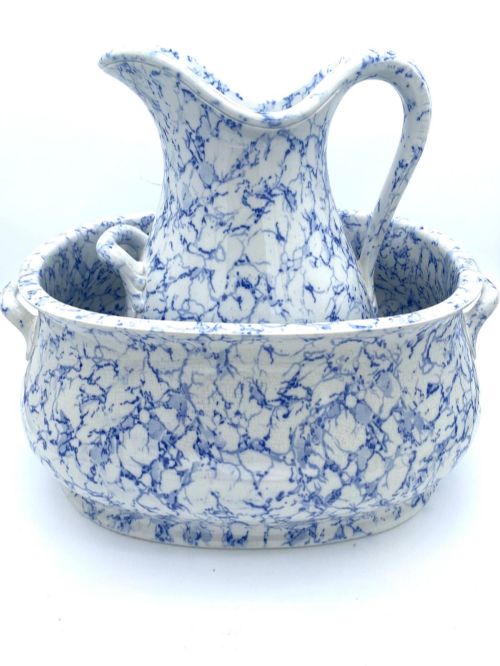
Makers such as Minton and Copeland produced notable ceramic examples featuring intricate transfer prints in blue and white. Alongside these, heavy metal vessels from the eighteenth and nineteenth centuries demonstrate the robust construction required for daily domestic utility.
Materials and construction
Copper and brass dominate the metal offerings, frequently shaped with riveted seams, hand-beaten surfaces, or applied repoussé decoration. Sheet iron also appears, occasionally finished with a scrumbled paint effect to mimic more expensive materials.
Ceramic examples rely on earthenware, creamware, and pearlware, shaped by hand or mould before receiving cobalt blue transfer printing or hand-painted details. These ceramic bodies require thick walls to withstand hot water and regular handling.
Vintage Foot Basin Retail Price Guide 2026
Typical asking prices for vintage foot basin among the pieces listed under this phrase on Sellingantiques today, from the lower quarter to the upper quarter. They describe what is for sale here now, not the wider market.
Some nineteenth-century metal basins feature hand-beaten animal heads, ensuring your houseplants take water with a hint of menagerie majesty.
Judging quality in these vessels
Quality rests upon the integrity of the material thickness, the clarity of transfer printing on ceramics, and the crispness of hand-tooled details on metalwork. Thicker gauges of copper and heavy earthenware demonstrate durability and superior original manufacture.
The presence of maker marks, such as those from Minton or Copeland, elevates a piece, as does the survival of original surface patination and handles. Superior examples maintain structural soundness without excessive repair, displaying honest wear from their period of use.
Minton·Copeland
The Vintage Foot Basin Glossary
- Transfer printing
- A decoration technique where an engraved metal plate transfers a design onto tissue paper, which is then pressed onto the ceramic body before glazing. This method allowed for intricate blue and white patterns to be produced consistently.
- Repoussé
- A metalworking technique where the artisan hammers the metal from the reverse side to create a raised design in relief on the front. It frequently appears on brass and copper planters.
- Pearlware
- An earthenware body perfected in the late eighteenth century containing a small amount of cobalt in the glaze to give the surface a bluish-white tint. It bridges the gap between creamware and later white stonewares.
- Scrumbled
- A decorative paint finish involving the layering of opaque or translucent colours to create a mottled or textured appearance on metal or wood. This technique mimics the grain of high-end timber or aged stone.
Vintage Foot Basin: Frequently Asked Questions
How were these basins originally used?
These vessels functioned primarily for personal hygiene, serving as portable baths for washing the feet in bedrooms before plumbed bathrooms became common.
Servants would fill the heavy ceramic or metal containers with warm water and place them beside a dressing table or washstand.
Can I use a vintage foot basin as a planter?
Many buyers repurpose these deep vessels as planters or indoor garden containers due to their generous proportions and waterproof metal or glazed ceramic construction.
Their substantial size accommodates large houseplants or floral arrangements while adding period character to a room.
How do I distinguish earthenware from metal basins?
Earthenware and creamware bodies present an opaque, glazed ceramic surface that feels cool and dense, often decorated with blue transfer prints. Metal basins utilise copper, brass, or sheet iron, frequently displaying riveted joints, patination, and handles.
Ceramic examples require careful handling to avoid chipping, whereas metal pieces tolerate more robust environments.
What periods do these basins represent?
The available selection spans from the eighteenth century through the Victorian era and into the mid-twentieth century. Earlier examples showcase Georgian and Regency ceramic designs, while later pieces feature Victorian copper and brass work.