





Vintage Folk Textile
A vintage folk textile brings domestic storytelling and regional stitchwork into a room, offering tactile warmth and historical pattern through wall hangings and embroidered panels.
Vintage Folk Textile
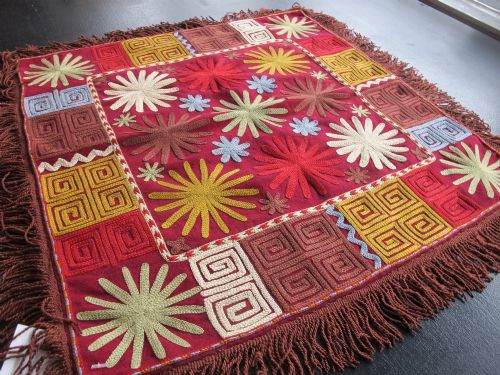
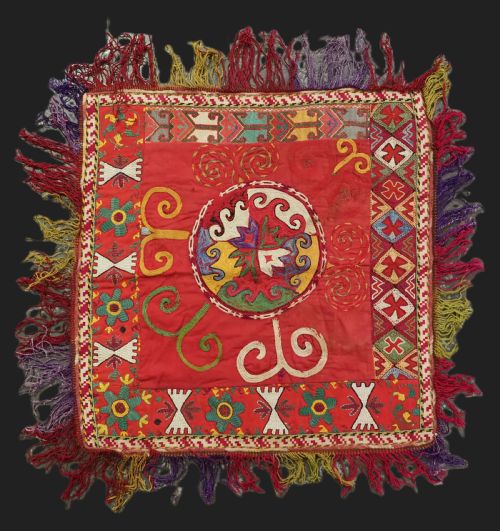
When searching for a vintage folk textile, collectors encounter domestic handwork, tribal embroideries, and regional wall hangings created across Central Asia, Europe, and America. These pieces range from densely worked Uzbek suzanis and Lakai ilgiches to Scandinavian rya rugs, Romanian tapestries, and stitched samplers.
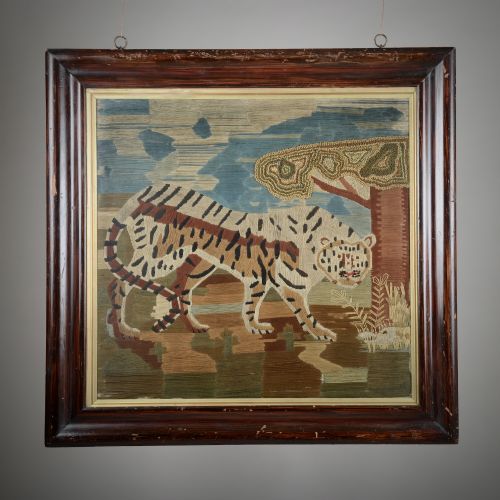
The selections on this page lean heavily toward Central Asian tribal textiles, particularly silk-on-cotton suzanis and dowry embroideries from around nineteen hundred. Alongside these, buyers find European needlework, American hooked rugs, and various carved wooden implements associated with textile production.
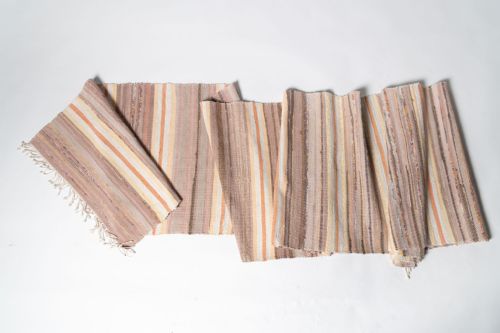
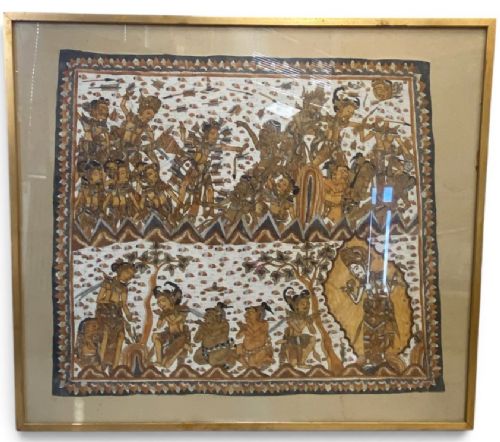
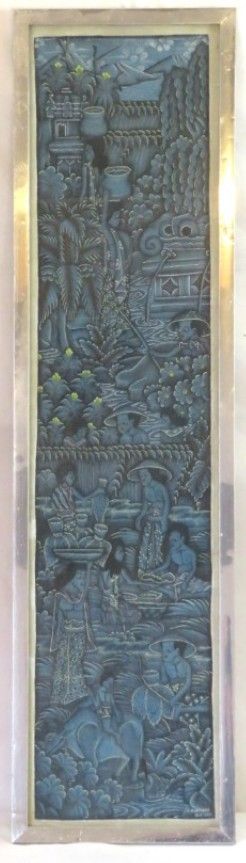
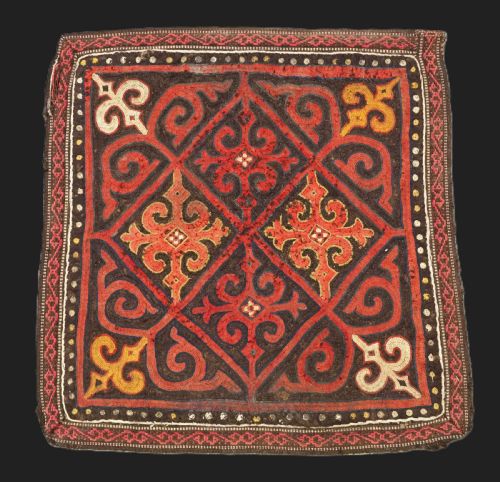
Most items function as wall art, textiles, and tapestries designed to bring organic pattern and traditional motifs into domestic spaces. The forms vary from large palace-scale wall hangings to compact felt panels and framed needlework.
How they were made
Makers utilised natural fibres including wool, cotton, silk, linen, and felt, working by hand to construct ground fabrics and apply surface decoration. Embroideries deploy fine silk threads stitched onto woven cotton or wool foundations, often utilising specialised regional local stitches.
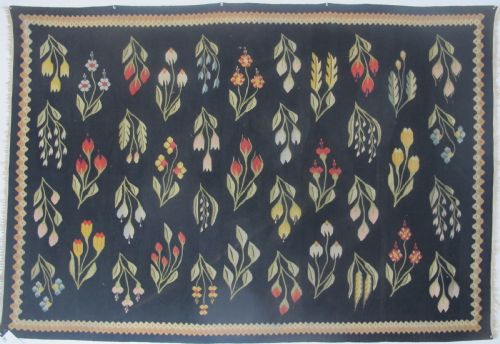
Weaving techniques vary from flat-weave kilims and knotted rya constructions to intricate tapestry methods and hooked rug fabrication. Supporting wooden tools such as distaffs and bobbin winders reflect the manual preparation behind these textiles.
Vintage Folk Textile Retail Price Guide 2026
Typical asking prices for vintage folk textile among the pieces listed under this phrase on Sellingantiques today, from the lower quarter to the upper quarter. They describe what is for sale here now, not the wider market.
Materials recorded across the inventory include wool, cotton, silk, glass, wood, linen, hardwood, and metal.
What varies in quality
Quality rests on the density of the work, the precision of the needlework, and the clarity of the design composition. Fully embroidered suzanis and densely packed tribal panels require substantial labour and display superior visual impact compared to sparser examples.
The saturation and preservation of natural dye colours also influence the character of each piece. Intact edges, balanced proportions, and expressive regional motifs elevate individual textiles within their specific tradition.
The Vintage Folk Textile Glossary
- Suzani
- An embroidered tribal wall hanging originating from Central Asia, typically worked in silk on a cotton or wool ground. These large textiles were traditionally made as part of a bride's dowry.
- Ilgich
- A specific type of Central Asian dowry embroidery used for hanging on yurt walls. They often display geometric or tribal motifs unique to groups such as the Lakai.
- Rya
- A traditional Scandinavian knotted pile rug or wall hanging with a long, soft pile. Originally utilised for warmth, later examples emphasise decorative folk design.
- Sampler
- A piece of needlework produced by an individual to demonstrate skill in various stitches and lettering. They frequently include dates, names, and domestic motifs.
- Distaff
- A handheld wooden tool used to hold wool or flax during spinning. Antique examples often feature carved folk art details.
Vintage Folk Textile: Frequently Asked Questions
What is a suzani?
A suzani is a large, hand-embroidered textile from Central Asia created with silk thread on cotton or wool foundations.
Nomadic and settled communities produced these pieces for domestic decoration and ceremonial use, particularly as part of a dowry.
How were folk textiles used?
These textiles served practical and decorative functions within traditional homes, acting as wall hangings, coverlets, and floor coverings.
Many nomadic pieces insulated yurt interiors while displaying protective symbols and regional identity through pattern.
How do I hang a textile?
Textiles can be mounted safely by using a non-damaging sleeve stitched to the reverse and supported by a wooden rod.
Alternatively, smaller framed pieces and panels hang directly from standard wall fixings without taking weight on the fabric.
How old are these pieces?
The listings on this page span from the eighteenth century through the nineteenth century and into the early twentieth century.
Most dated examples cluster around nineteen hundred and the Edwardian period, reflecting traditional village and tribal production.