
Vintage Folk Art
Vintage folk art brings together hand-carved wooden animals, painted country furniture and naive oil paintings made by unschooled makers for everyday use.
Vintage Folk Art
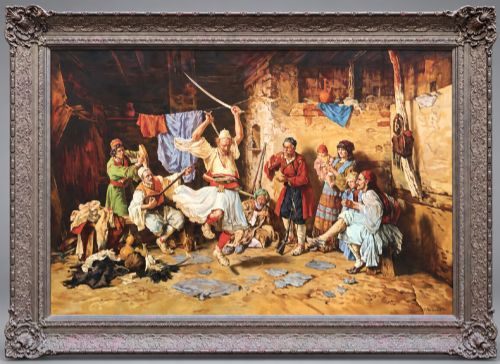
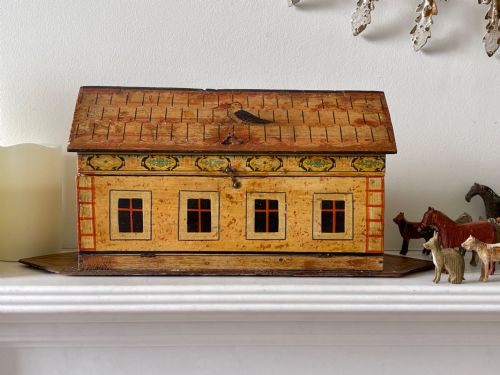
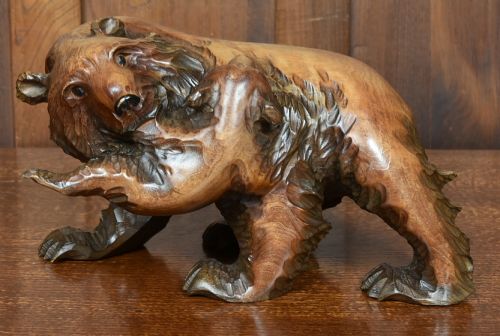
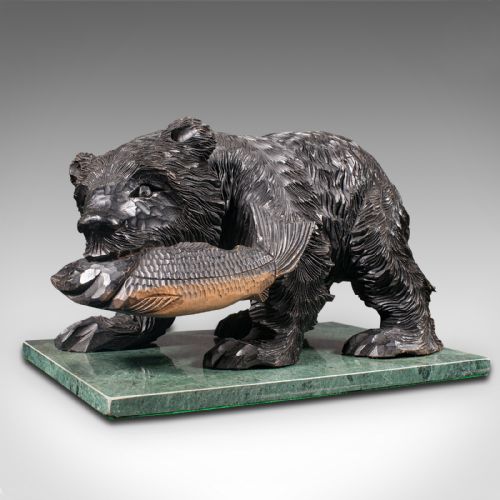
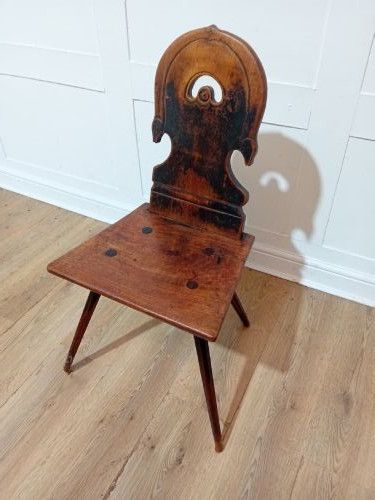
Vintage folk art encompasses utilitarian objects, models and naive paintings created outside the formal academy by local makers. When searching for vintage folk art, buyers encounter items ranging from carved wooden animals and decoy ducks to country furniture and embroidered textiles.
The selection spans centuries, featuring pieces from the eighteenth, nineteenth and early twentieth centuries. Common regional variations include Scandinavian painted trunks, English treen toys and Japanese wood carvings.
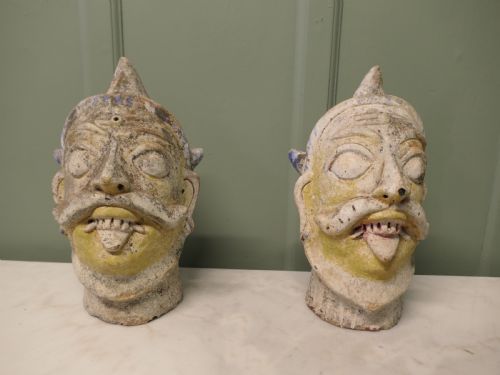
Domestic items such as chip-carved boxes, naive portraits and shellwork jars form the core of these listings. Each piece reflects the domestic or regional traditions of its maker rather than a standardised factory output.
How they were made
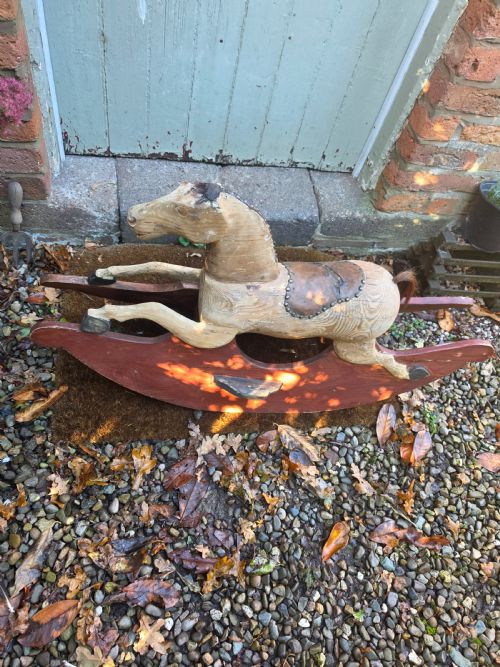
Makers utilised readily available local materials such as pine, hardwood, iron and wool. Wood is carved, chipped or whittled into figures, boxes and benches.
Surfaces frequently show layers of original paint, hand-forged iron strapwork or detailed embroidery. Shellwork and tramp art rely on patient assembly using simple household adhesives and nails.
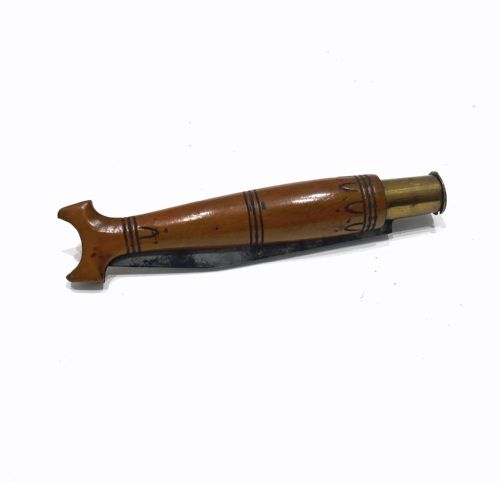
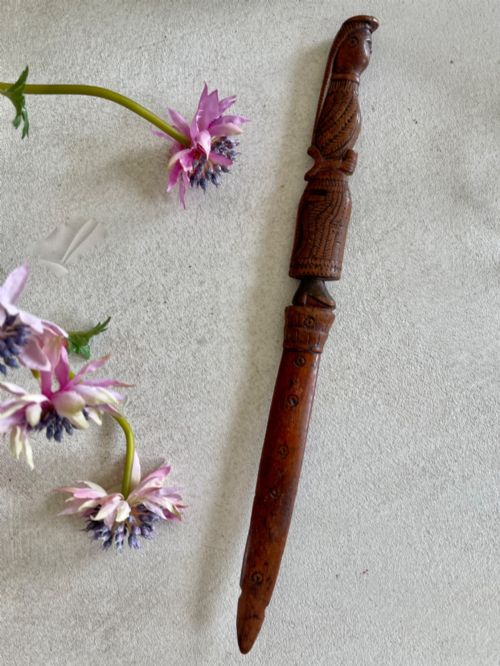
A nineteenth-century carving of a Highland bagpiper shares space with a wooden gnome holding a match striker.
What varies in quality
Quality rests upon the strength of the design and the integrity of the surface finish. Pieces retaining their original unpainted or painted state hold greater visual punch than those stripped down or heavily restored.
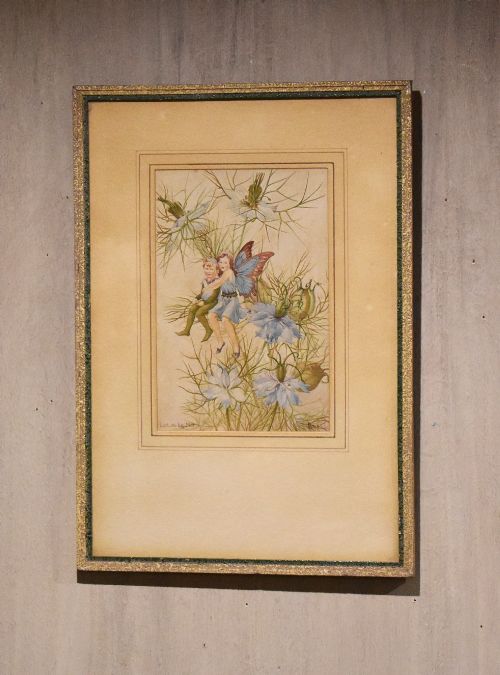
The confidence of the carving or painting dictates the tier of the piece. Naive work succeeds when the maker captures character through proportion and line, rather than technical precision.
R.D. Roberts·J Brown·Holley Bros
The Vintage Folk Art Glossary
- Naive art
- Art produced by a self-taught maker lacking formal academic training. This style prioritises expressive forms and personal perspective over strict anatomical or spatial accuracy.
- Treen
- Small handmade wooden objects for domestic use. Examples include boxes, rattles and small household implements shaped by local turners and carvers.
- Tramp art
- A decorative style where self-taught makers carved discarded wooden cigar boxes into layered geometric patterns using pocket knives.
- Decoy
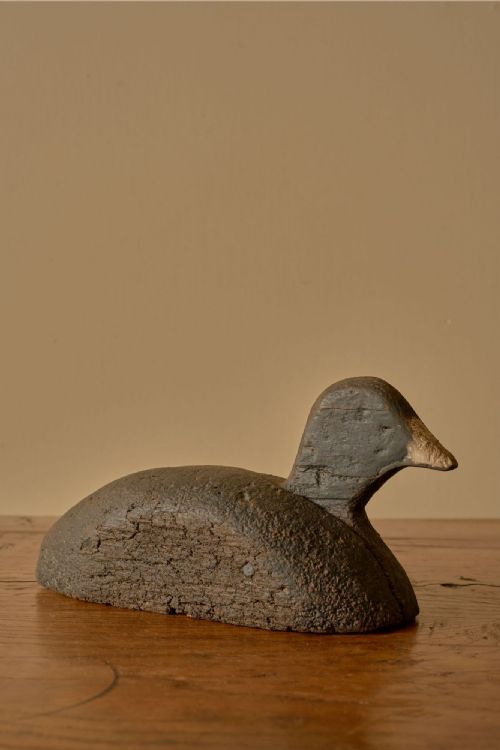
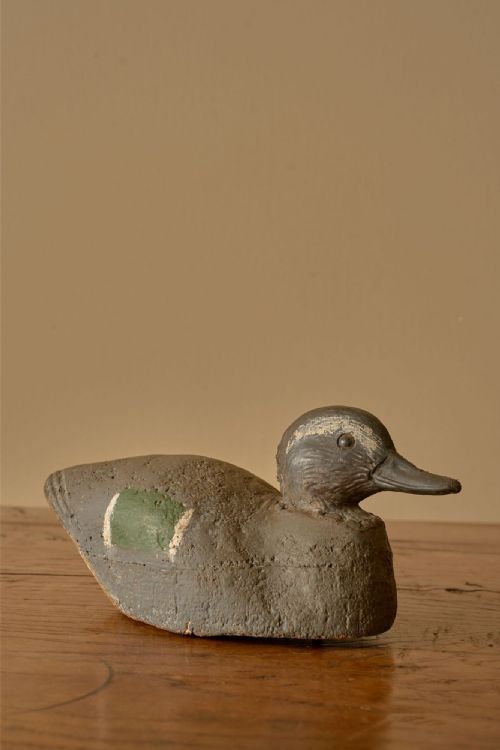
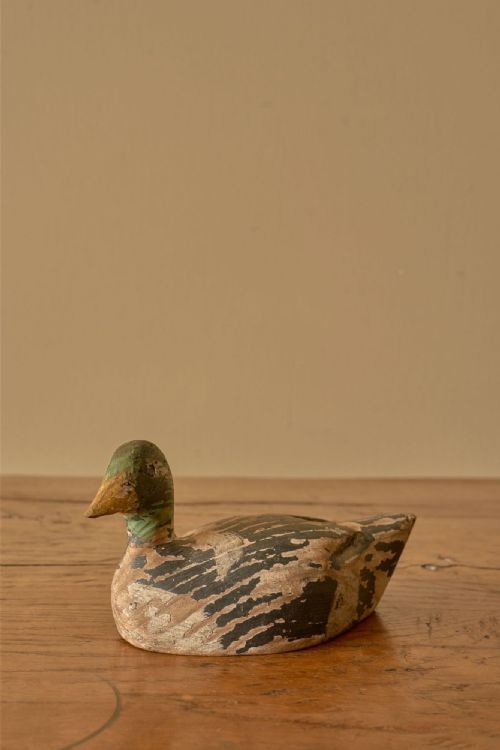
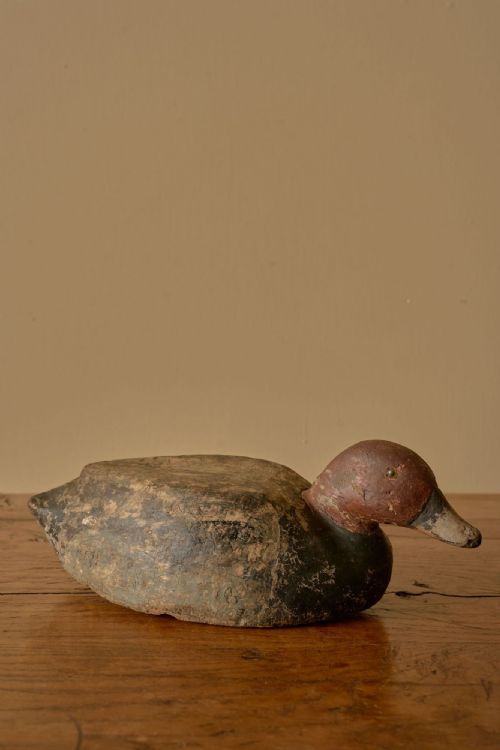
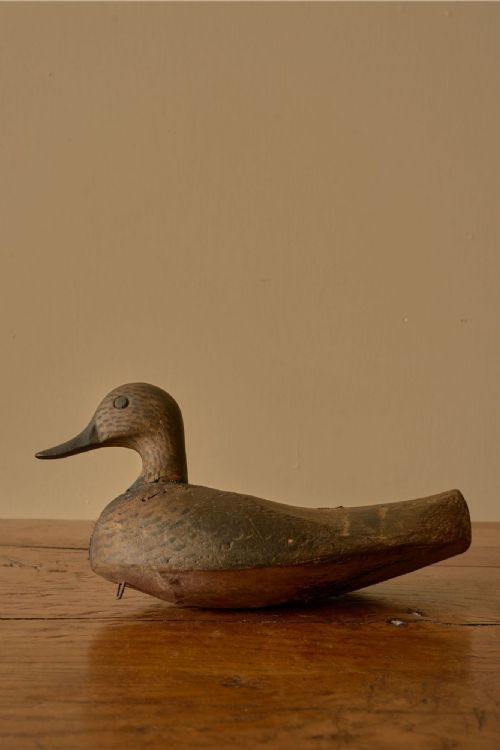
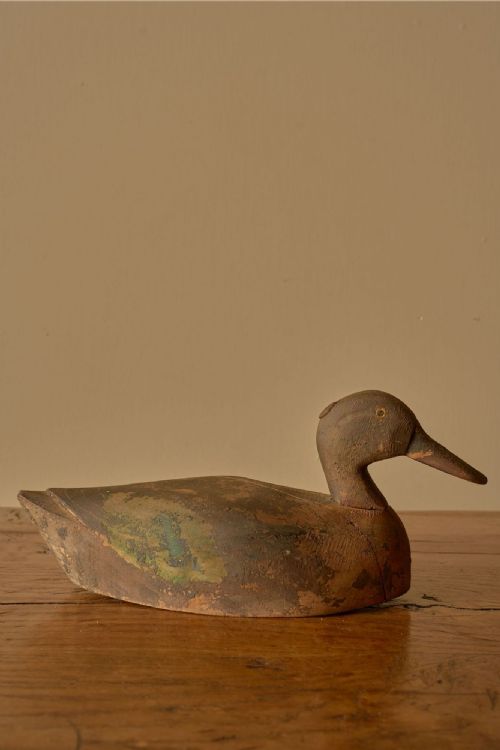
- A carved or painted wooden animal used traditionally by hunters to attract waterfowl or pigeons. These working objects are now collected for their sculptural qualities and weathered paint.
- Woolie
- A picture embroidered predominantly in wool yarn by sailors during long voyages. They often depict naval ships or portrait subjects using varied stitch techniques.
Vintage Folk Art: Frequently Asked Questions
What defines vintage folk art?
Vintage folk art consists of utilitarian or decorative objects made by traditional craftsmen or untrained artists. These pieces draw on regional motifs and practical needs.
Materials range from carved pine and oak to wool, glass and iron. The category values personal expression and regional character over mass-produced uniformity.
How were decoy ducks used?
Decoy ducks were placed on water or marsh edges by hunters to lure wild birds within range. Makers shaped them from wood and applied realistic painted patterns.
Today, these decoys serve as decorative sculptures. Collectors look for untouched original paint surfaces and expressive carving.
How do I date folk art?
Dating relies on material analysis, tool marks, construction methods and stylistic clues. Eighteenth-century pieces often feature hand-forged ironwork and heavy pine construction, while later twentieth-century items incorporate different resins and machine-cut elements.
Signatures, dates inscribed into the wood, and historical context help narrow down the period of origin. Comparing surface wear across similar items confirms the likely era.
Where should I display folk art?
Folk art suits rustic, contemporary or traditional interiors due to its unpretentious aesthetic. Placed on side tables, shelves or hung on walls, items like painted trunks, textile hangings and naive portraits add texture to a room.
Protect delicate items such as shellwork and woolies from direct sunlight and high humidity. Stable indoor environments preserve painted surfaces and organic materials.