

Vintage Folk Art Animals
When you handle vintage folk art animals, you meet the hand of makers who shaped wood, canvas and metal with direct observation.
Vintage Folk Art Animals
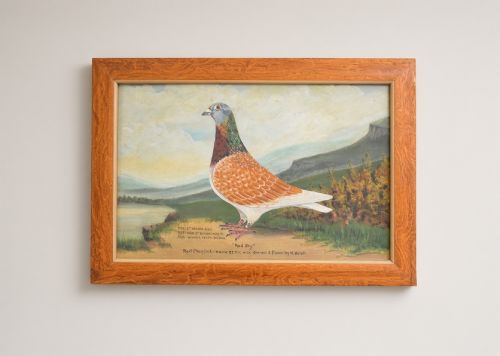
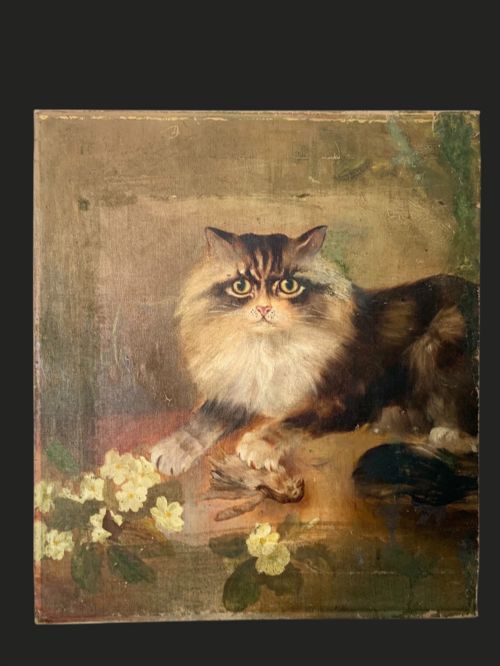
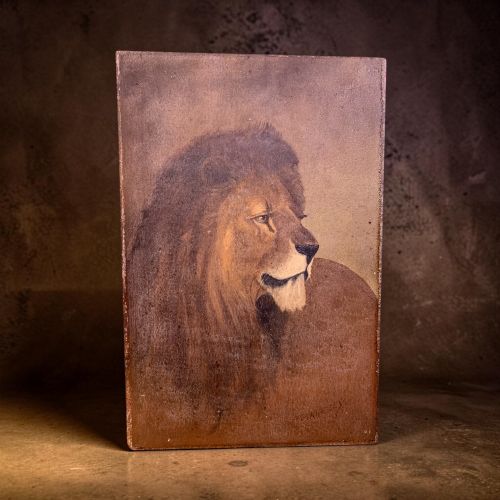
Vintage folk art animals span carved wooden sculptures, oil paintings and painted toys produced from the nineteenth century into the mid-twentieth century. You encounter regional traditions ranging from Japanese woodcarvings to European carousel figures and naive school portraits.
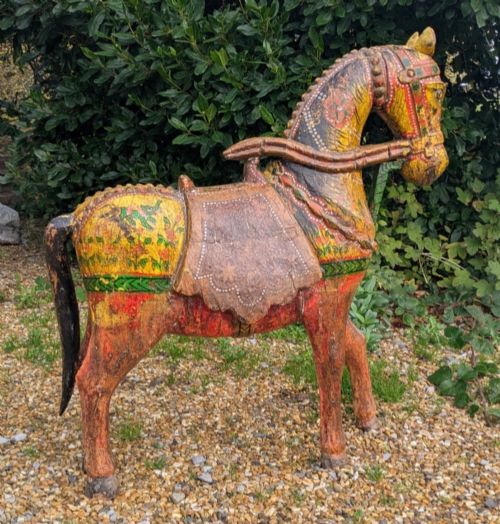
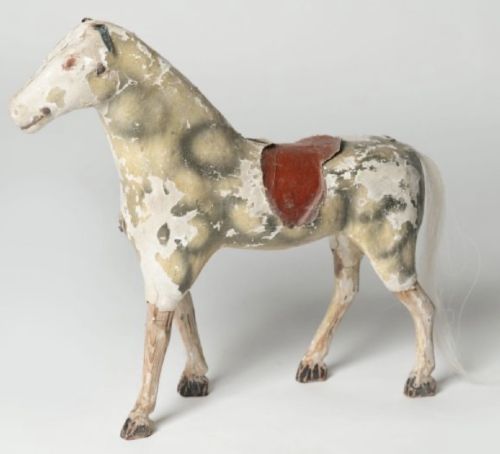
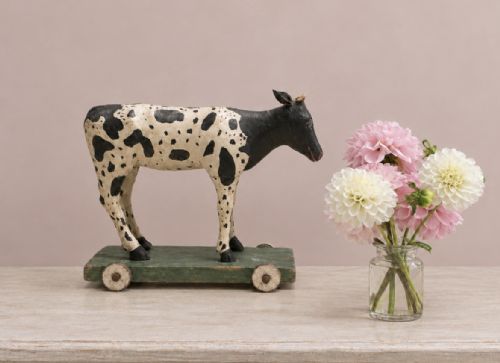
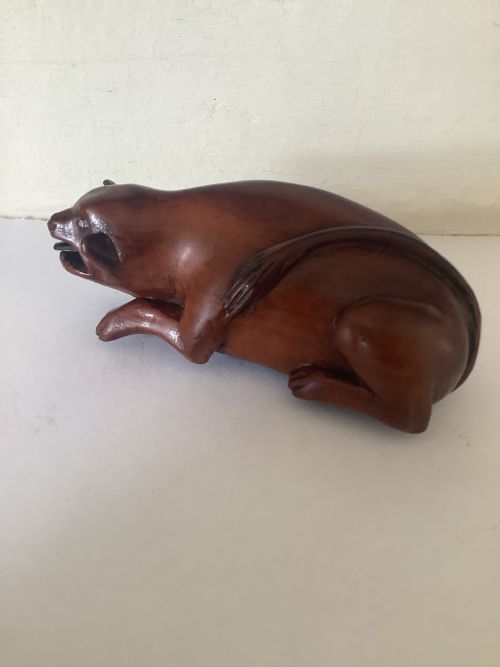
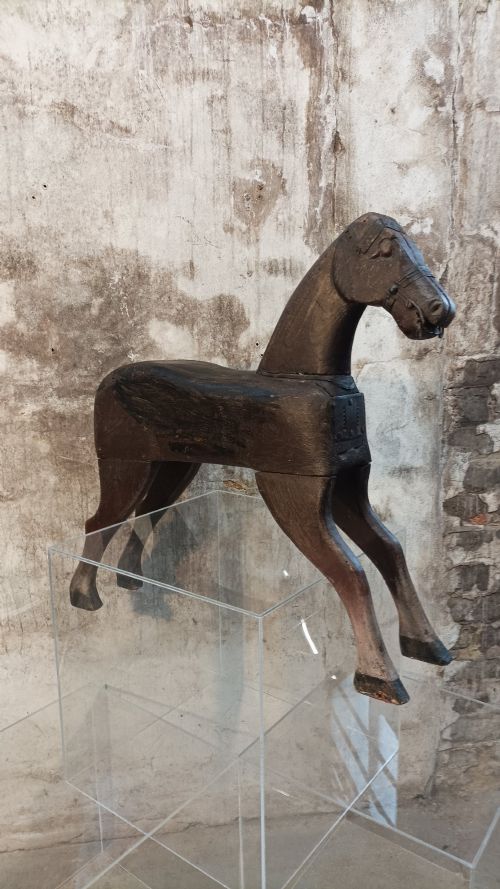
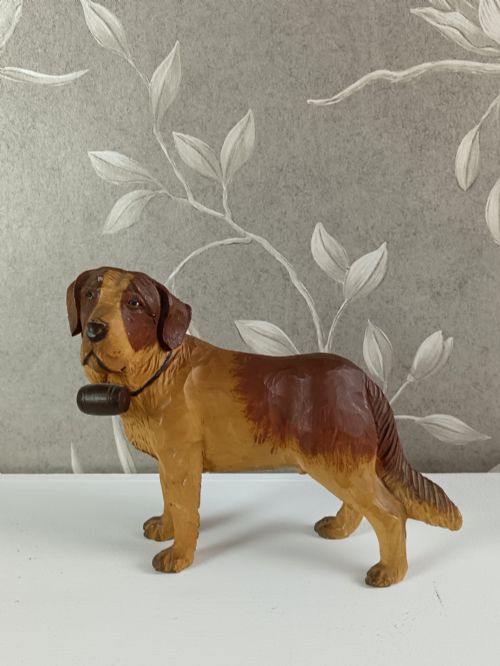
The objects take many forms, including articulated dogs, painted horses on wheels, ceramic cats and carved bears. These pieces reflect vernacular traditions rather than academic training, bringing immediate character to an interior.
How they were made
Makers carved sculptures from woods such as fruitwood, cedar, linden and hardwood, often finishing the surfaces with oil paint, pigment or plain polish. Some pieces incorporate metal mechanisms, glass eyes or stud fastenings to give movement.
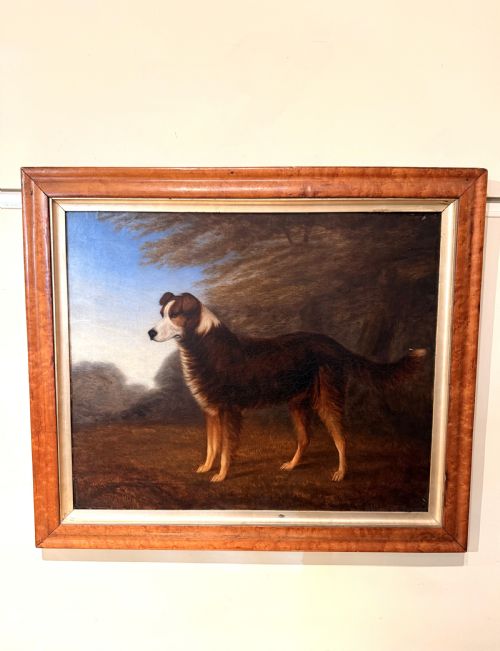
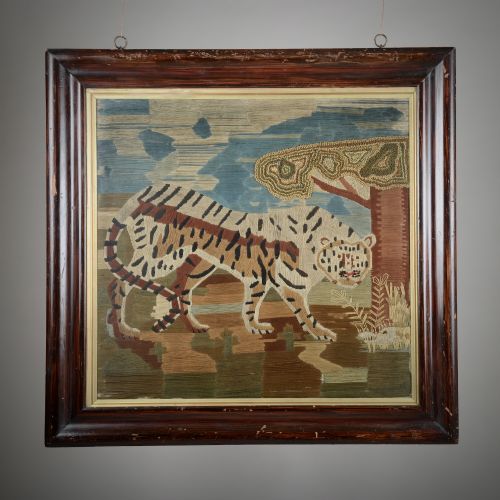
Two-dimensional works rely on oil paint on canvas or mixed media on paper, capturing subjects with simple lines and direct brushwork. Artisans also utilised terracotta, ceramic, paper mache and whalebone depending on the regional workshop.
Vintage Folk Art Animals Retail Price Guide 2026
Typical asking prices for vintage folk art animals among the pieces listed under this phrase on Sellingantiques today, from the lower quarter to the upper quarter. They describe what is for sale here now, not the wider market.
The listings show materials spanning carved wood, oil paint, terracotta, ceramic, paper mache and whalebone across the nineteenth and twentieth centuries.
What varies in quality
Quality rests in the vigour of the carving and the expressiveness of the form, distinguishing spirited vernacular work from routine manufacturing. A sculpture with strong gesture and original surface holds greater presence.
The integrity of the original paint and the complexity of any mechanical parts, such as opening mouths or wheels, determine the success of the piece. Handling wear tells the history of the object rather than diminishing its appeal.
The Vintage Folk Art Animals Glossary
- Naive school
- Art produced by artists without formal academic training, prioritising direct expression over strict proportion. This approach defines many portraits of dogs, cats and farm animals.
- Black Forest carving
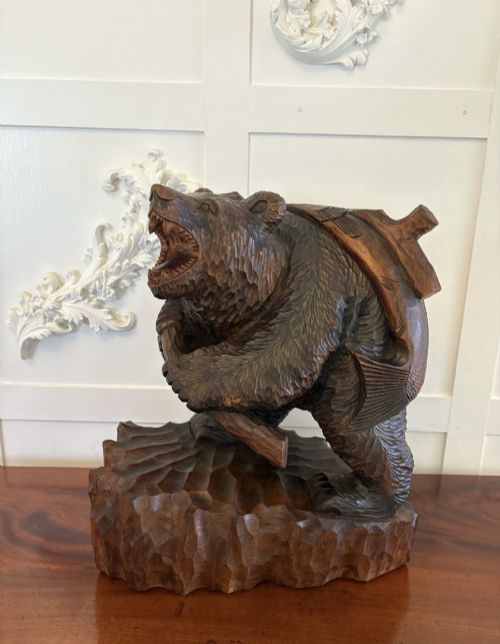
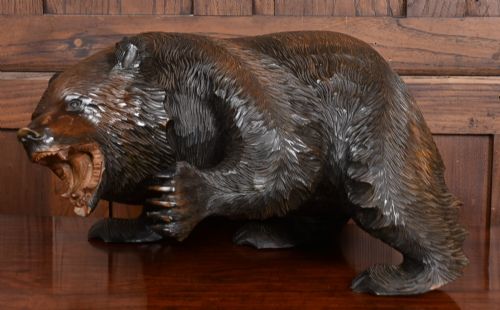
- Woodwork originating from the mountainous regions of central Europe, often depicting bears and dogs with detailed fur textures. These carvings range from small figures to walking sticks and furniture.
- Kibori Kuma
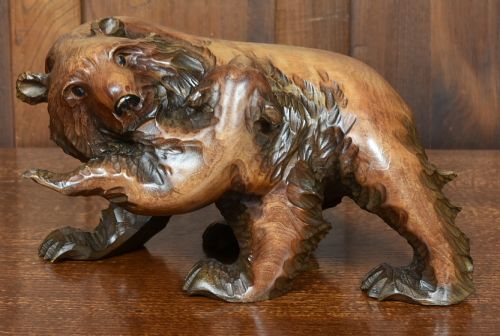
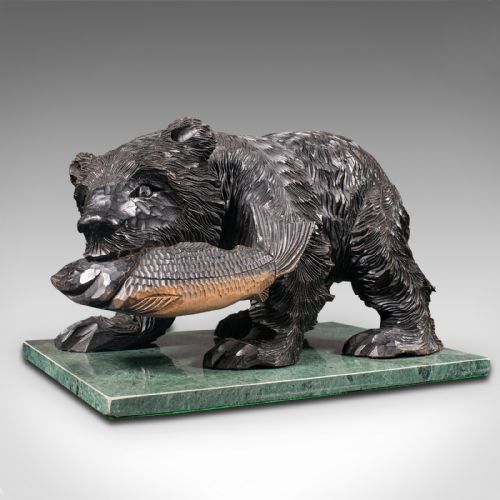
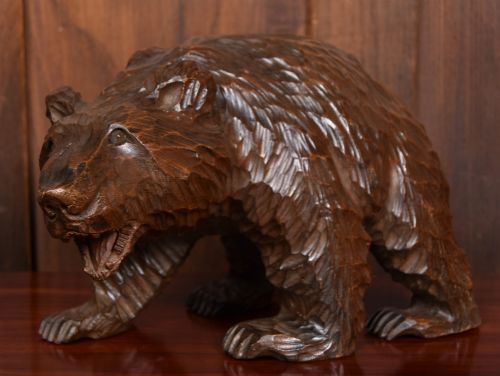
- Japanese woodcarved bears originating from Hokkaido, typically rendered with textured coats and holding fish or cubs. They form a distinct category within international folk art.
- Carousel figure
- Carved wooden animals such as pigs, horses and lions made for fairground rides. These pieces show robust construction and dynamic poses suited to movement.
- Primitive
- A descriptive term for early or vernacular works created outside mainstream stylistic conventions. Such pieces display unpretentious materials and straightforward construction.
Vintage Folk Art Animals: Frequently Asked Questions
How do I date antique wooden animal carvings?
Dating relies on tool marks, the type of timber utilised, and the wear patterns on any applied paint. Comparative study of regional styles also helps place a piece within the nineteenth or early twentieth century.
Examine the construction methods and fixings, as handmade nails or screws often indicate earlier periods of manufacture.
Are painted surfaces original on these figures?
Original paint frequently shows craquelure, fading and accumulated dirt consistent with age. Ultraviolet light and close inspection under magnification help reveal subsequent overpainting.
Retained original pigment adds significantly to the character and historical integrity of a folk art sculpture.
Where should I place folk art animals at home?
These sculptures and paintings suit placement on plain wooden surfaces, mantels or within bookcases where their forms stand out. Their varied scales allow them to sit comfortably alongside contemporary or traditional interiors.
Keep pieces away from direct sunlight and extreme temperature fluctuations to protect painted surfaces and organic materials.
What defines Japanese woodcarved bears?
Japanese carved bears, known as Kibori Kuma, emerged in Hokkaido during the Meiji period and combined local woodworking traditions with European chalet carving influences. They typically depict bears with textured coats holding fish or resting.
Makers utilised regional timbers like cedar and hardwood, leaving distinct chisel marks across the fur.