



Vintage Folding Vanity
A vintage folding vanity offers clever compartments and pivoting glass for morning routines, bringing period craft to modern dressing spaces.
Vintage Folding Vanity
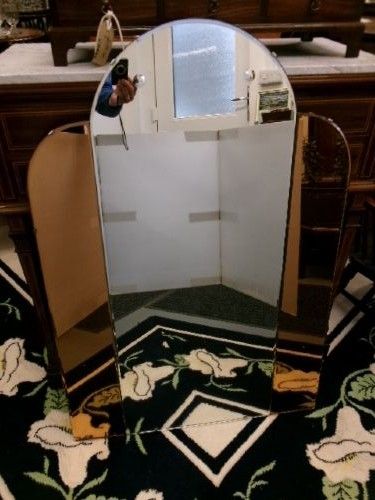
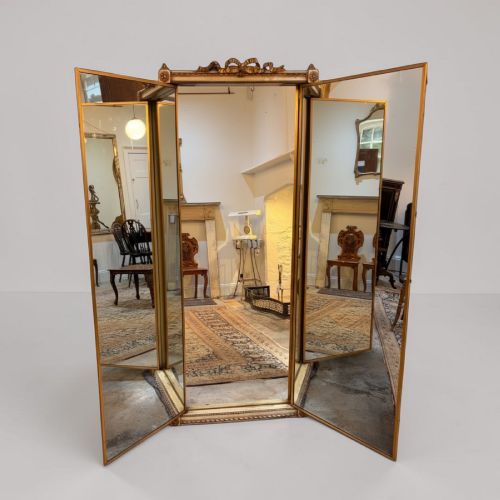
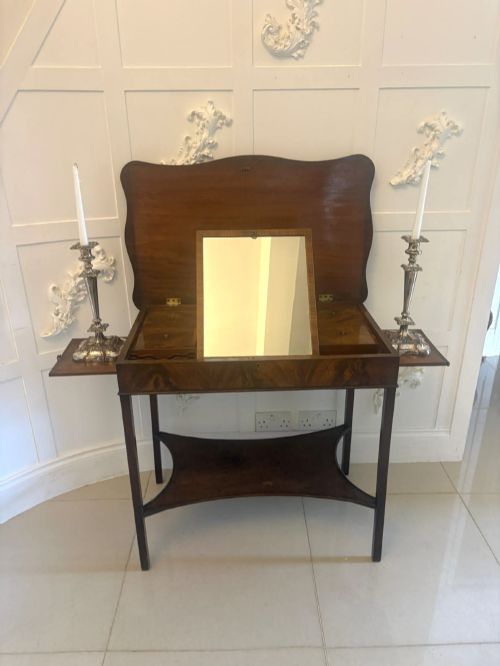
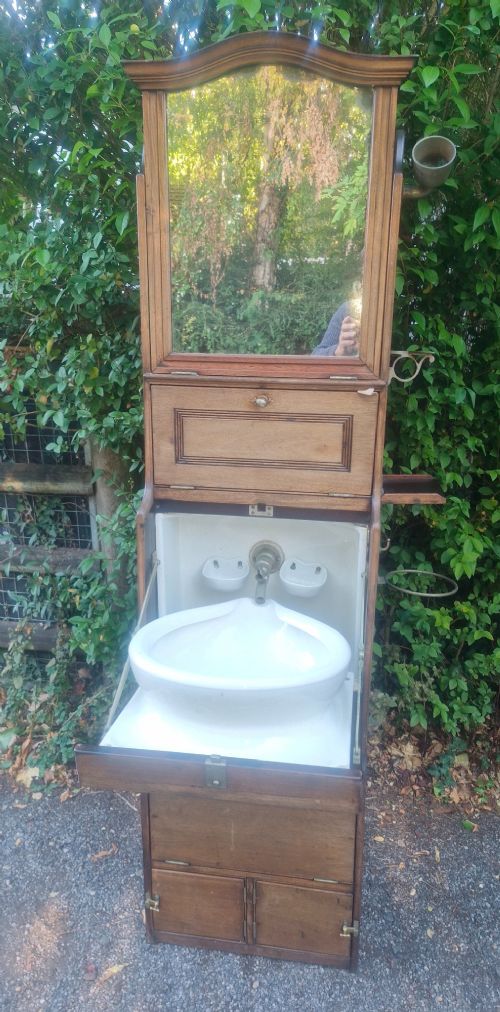
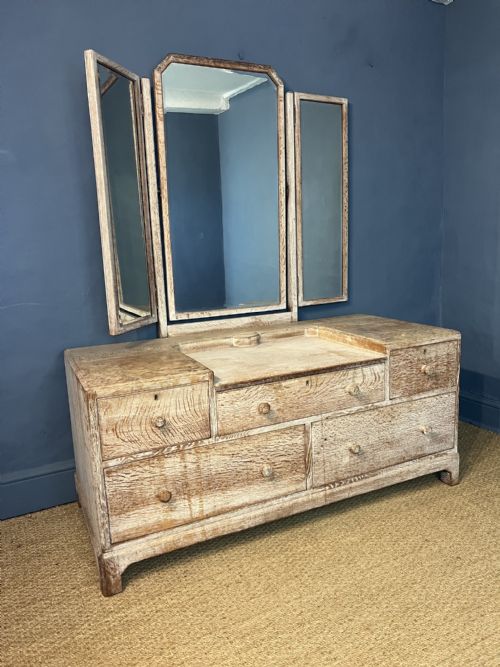
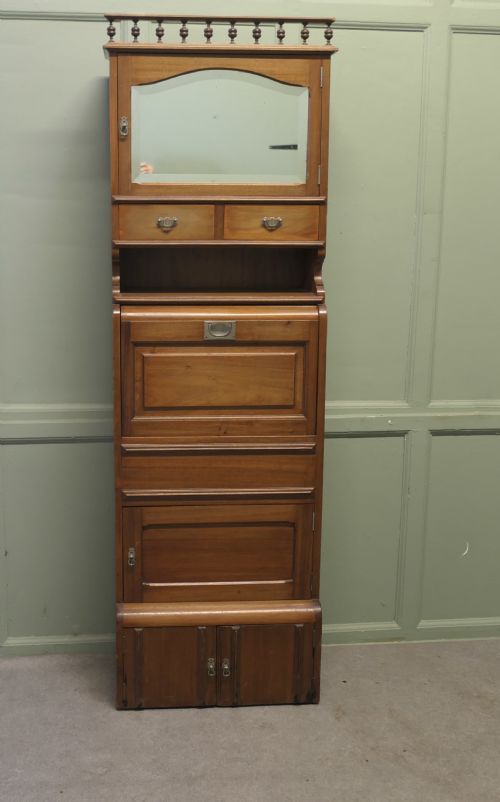
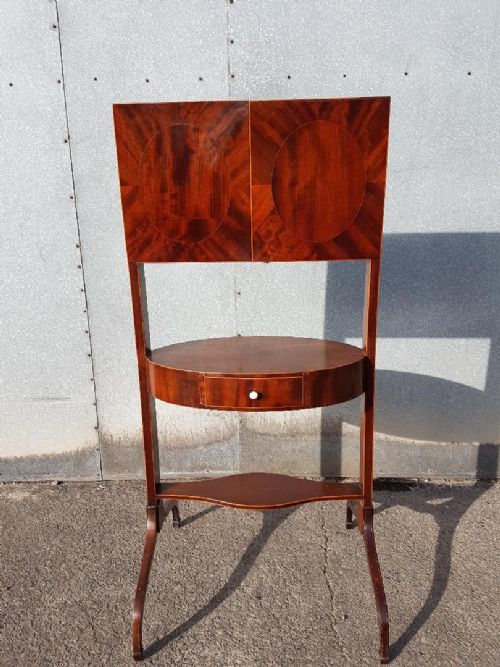
When you search for a vintage folding vanity, you encounter pieces designed for personal grooming that use hinges, leaves, or screens to conceal glass and storage. The selection spans compact portable campaign kits, washstands with built-in basins, and multi-panel dressing screens.
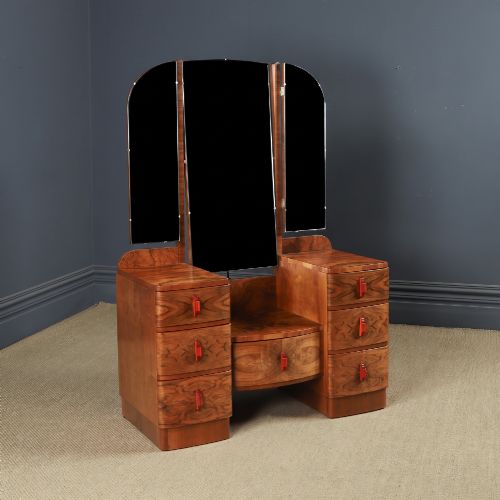
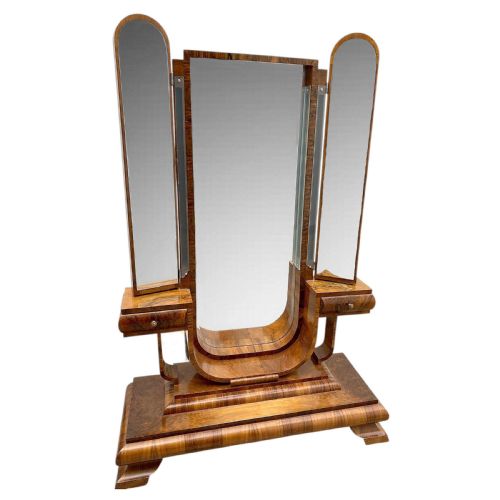
The objects originate across several eras, running from Georgian and Victorian portable boxes through Edwardian maritime pieces to Art Deco walnut dressing tables. French revival styles appear frequently alongside British campaign equipment.
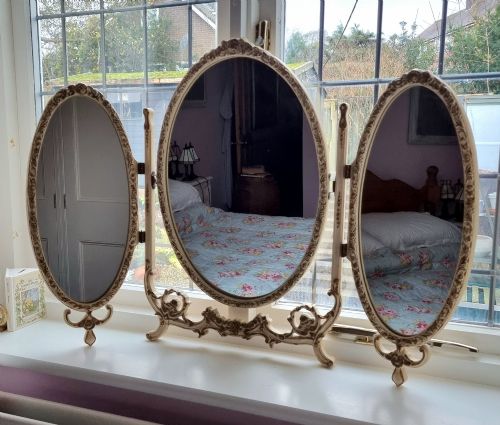
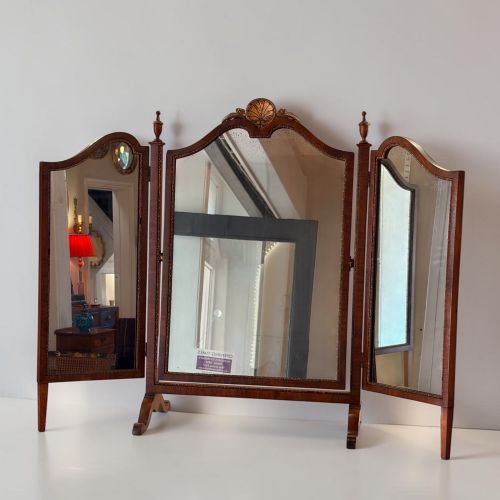
You are most likely to meet triptych mirrors, fold-out tables, and inlaid travelling mirrors that pack down flat for transport or tidy storage. These pieces combine functional utility with decorative cabinet-making.
Materials and construction methods
Cabinet-makers relied on dense hardwoods such as mahogany, walnut, oak, and teak to withstand the rigours of travel and daily use. These timbers were often selected for their figured grain and enhanced with boxwood or brass stringing.
Movable elements depended on brass hinges, catches, and locking mechanisms that allowed mirrors to angle and lids to secure tightly. Glass plates were bevelled and set into frames or supported by pivoting arms.
Vintage Folding Vanity Retail Price Guide 2026
Typical asking prices for vintage folding vanity among the pieces listed under this phrase on Sellingantiques today, from the lower quarter to the upper quarter. They describe what is for sale here now, not the wider market.
Some travel mirrors packed away into miniature leather cases, ensuring gentlemen could maintain a clean shave while bobbing about on the waves.
Judging the standard of manufacture
Quality rests on the precision of the joints and the integrity of the folding mechanisms. Finer examples exhibit tight dovetail construction, smooth hinge operation, and heavy gauge brass fittings that show no wobble when extended.
The choice of timber veneer also separates standard items from exceptional ones. Figured walnut and well-matched mahogany grain indicate a higher tier of workshop production, whereas plain secondary woods suggest utilitarian manufacture.
Heals
The Vintage Folding Vanity Glossary
- Campaign style
- Furniture designed to dismantle or fold for military transport. These pieces feature recessed brass handles and corner brackets to prevent snagging.
- Triptych mirror
- A three-panel glass arrangement where the outer wings hinge inward. This design allows the user to view profiles from multiple angles.
- Cheval glass
- A full-length mirror hung in a frame that permits it to swing. The term derives from the French word for horse.
- Washstand
- A piece of furniture built to hold a basin and jug for washing. Some incorporate folding leaves and concealed compartments for toiletries.
Vintage Folding Vanity: Frequently Asked Questions
How do I maintain the brass hinges?
Keep the metal clean with a dry microfibre cloth and avoid harsh chemical polishes that strip original patination. A light application of microcrystalline wax protects the brass from tarnishing further.
Check the screws periodically to ensure they remain snug in the wood. Overtightening can strip the historic holes, so turn them only until resistance meets your hand.
Can I use these mirrors daily?
These folding mirrors suit everyday grooming if handled with care. The vintage silvering on the glass can be delicate, so keep them away from excessive bathroom humidity.
Support the folding wings with your hand rather than letting them drop on their hinges. This prevents strain on the original joints and keeps the frame aligned.
How do I date an Edwardian piece?
Look for lighter timbers such as satinwood or inlaid mahogany alongside more slender proportions than Victorian equivalents. Edwardian workshops often utilised machine-cut dovetails alongside hand finishing.
Check for maker stamps or retail labels inside drawers or on the backboards. Registration numbers can also narrow down the year of manufacture.
Where should I place a dressing screen?
A dressing screen functions well as a room divider or a decorative backdrop behind a modern basin. Ensure the floor is level so the panels fold and rest evenly without twisting the hinges.
Position the screen away from direct sunlight to prevent the timber finish from fading unevenly. Leave a small gap from the wall to allow air circulation.