




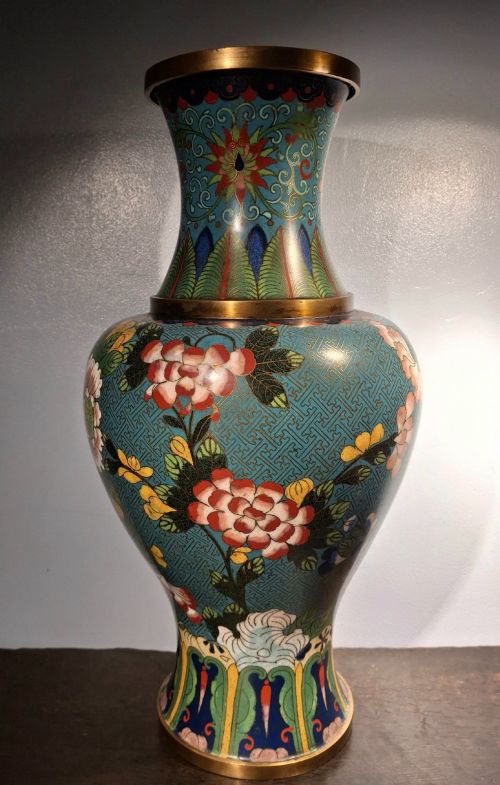
Vintage Flower Urns
These vintage flower urns and related vessels span ceramic, glass and metal forms designed to hold botanical displays.
Vintage Flower Urns
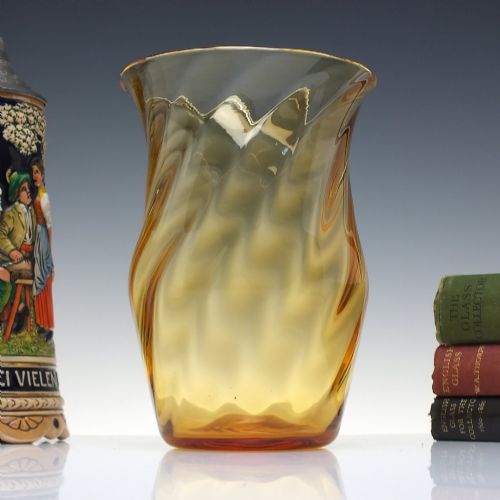
When searching for vintage flower urns, buyers encounter a diverse selection of vessels, planters, jardiniere stands and botanical paintings created across the nineteenth and twentieth centuries. The pieces range from heavy French wrought iron garden planters and solid copper jardinieres to delicate porcelain vases and glass vessels produced during the Art Nouveau and Art Deco periods.
The objects frequently take the form of baluster vases, posy vessels and classical garden urns on pedestals. Materials span earthenware, crystal, cloisonne enamel and repousse copper, accompanied by occasional tables and plant stands designed to display them.
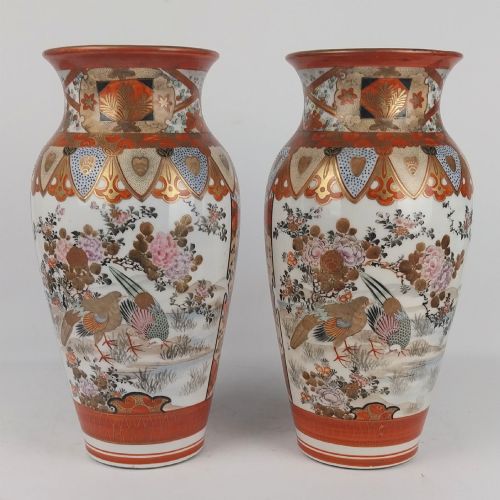
Origin points are equally broad, encompassing English crystal, French planters, Japanese Kutani and Imari wares, and Chinese cloisonne. Buyers are most likely to meet ceramic and metal vases alongside plant supports originating from the Victorian and Edwardian eras through to the 1930s.
Materials and construction methods
Metals such as copper, bronze, pewter and wrought iron appear frequently, often shaped by hand through repousse work or cast in detailed moulds. Artisans utilised enamel, gold leaf and applied glazes to finish metallic and ceramic surfaces.
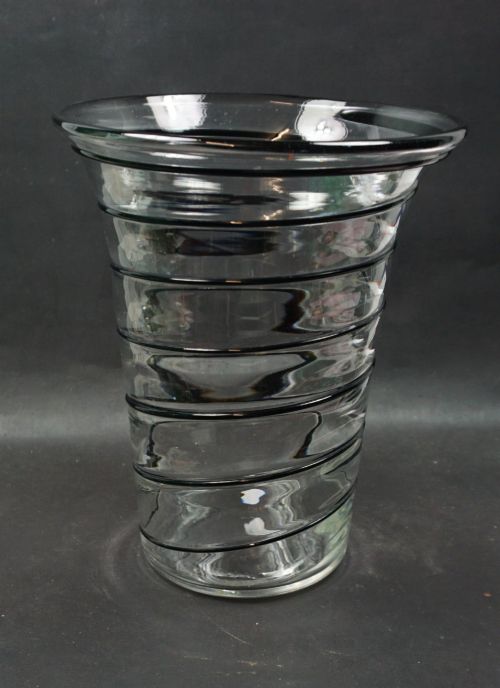
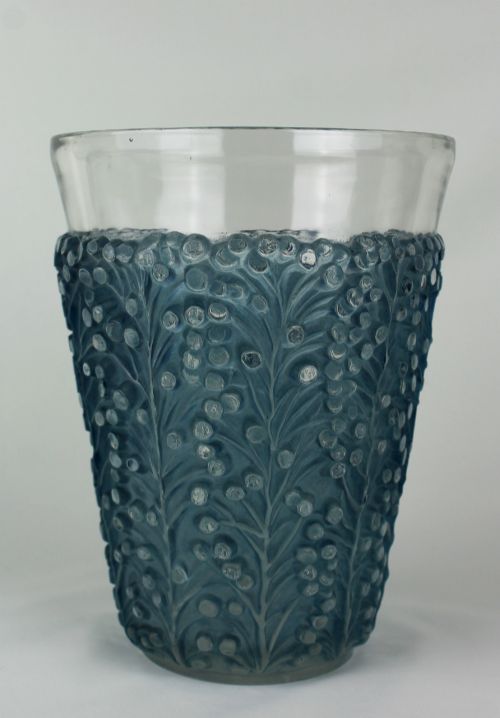
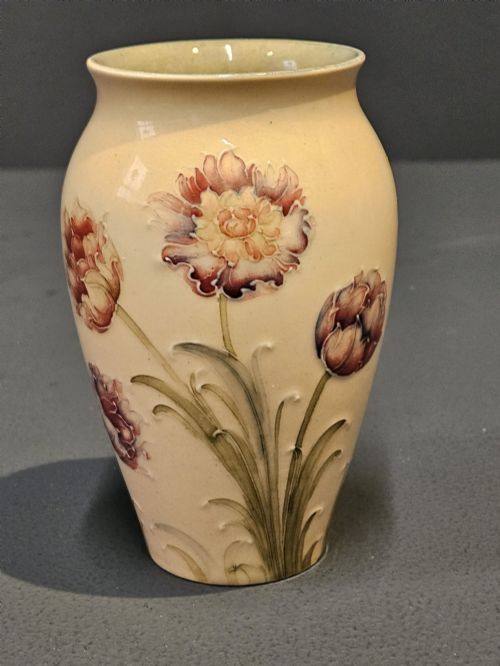
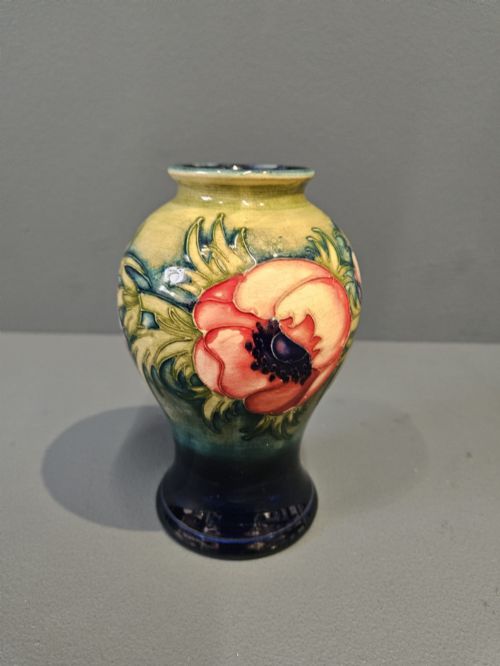
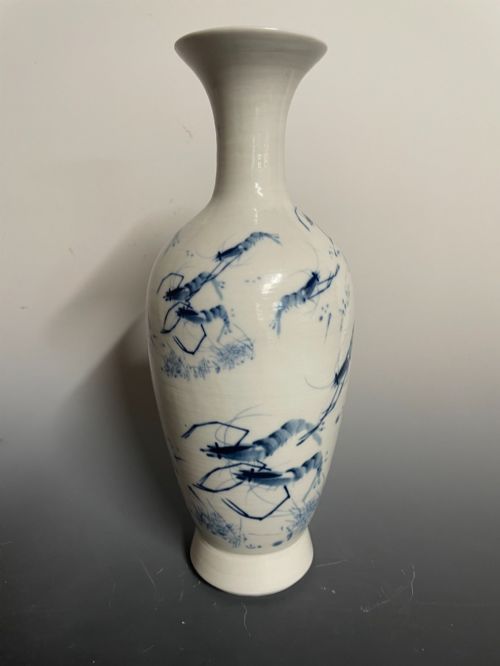
Glass pieces demonstrate techniques including acid-etching, layering over crystal, and iridescent surface treatments characteristic of early twentieth-century studios. Ceramics involve porcelain, ironstone and earthenware bodies finished with cobalt blue painting, slip, or intricate floral glazes.
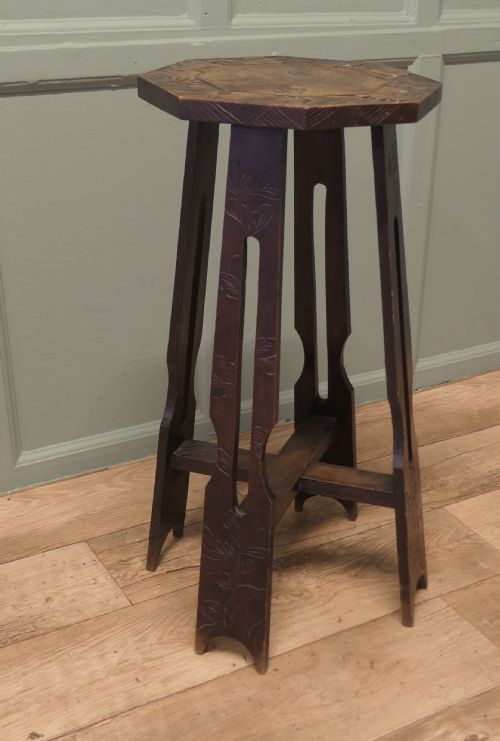
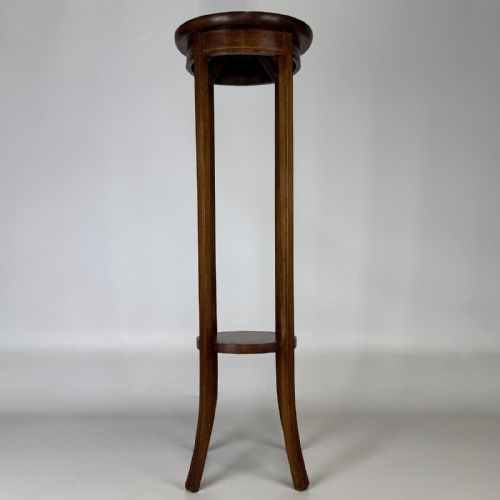
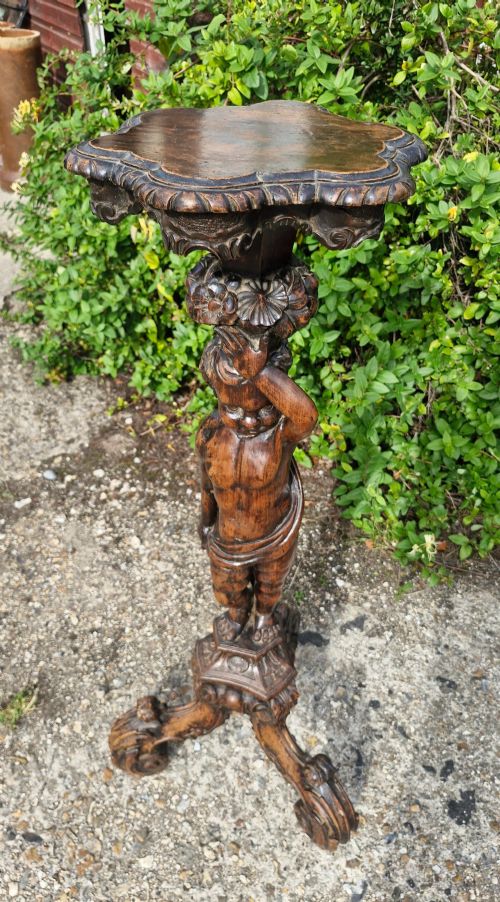
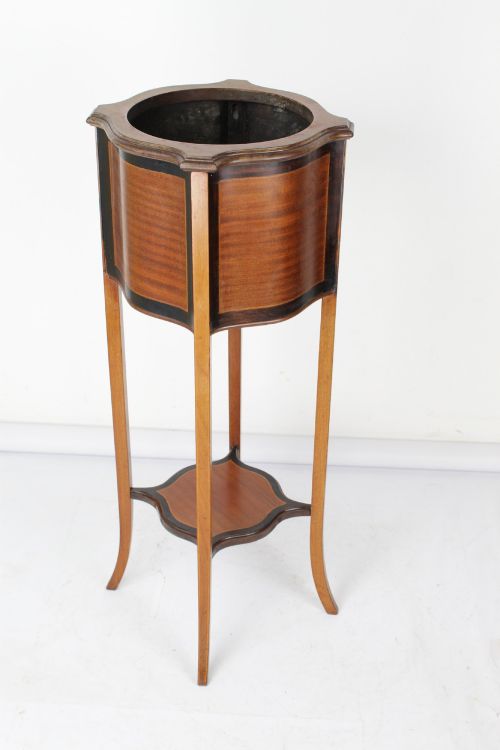
Wooden plant stands and occasional tables utilise carved mahogany, elm and hard wood, sometimes incorporating mother-of-pearl inlay or marble tops. These varied techniques reflect the hand of the maker across different European and Asian workshops.
Vintage Flower Urns Retail Price Guide 2026
Typical asking prices for vintage flower urns among the pieces listed under this phrase on Sellingantiques today, from the lower quarter to the upper quarter. They describe what is for sale here now, not the wider market.
Listings feature vessels spanning the 18th, 19th and 20th centuries, covering Victorian, Edwardian, Art Nouveau and Art Deco periods.
Evaluating craftsmanship and condition
Quality in these pieces is dictated by the crispness of casting in metal urns, the depth and control of glaze on ceramics, and the clarity of blow-moulding or cutting in glass. Superior examples exhibit deliberate artistic intent and confident execution by known houses or skilled anonymous artisans.
Material integrity significantly alters the standing of an object, such as the weight and balance of a bronze vase or the precise inlay work on an occasional table. Patina accumulated through age on copper, iron and wood adds character when it remains undisturbed and uniform.
Artistic decoration, whether hand-painted botanical details on porcelain or intricate repousse relief on copper, separates standard production items from masterworks. The cohesion between the form of the urn and its decorative style defines the upper tier of the range.
René Lalique·Moorcroft·Wemyss·Burmantoft s Pottery·Mason s
The Vintage Flower Urns Glossary
- Jardiniere
- An ornamental pot or stand for holding plants or flowers, usually designed for indoor use. They appear in ceramic, copper and earthenware forms.
- Cloisonne
- A decorative metalwork technique where thin wire partitions are soldered to a base to form compartments filled with enamel paste. Chinese pieces utilise this method extensively.
- Repousse
- A metalworking technique where the metal is hammered into relief from the reverse side. This method creates textured surface designs on copper and brass vessels.
- Baluster
- A small moulded shaft or column with a bulbous lower portion, frequently describing the silhouette of traditional vases and urns. It provides structural stability and visual weight.
Vintage Flower Urns: Frequently Asked Questions
How were vintage flower urns originally used?
These vessels served practical and decorative functions inside homes, conservatories and gardens. They held cut floral arrangements, supported potted plants, or stood empty as sculptural focal points in formal rooms.
Larger stone or iron urns anchored patio and garden schemes, while smaller ceramic and glass pieces adorned tables and mantelpieces. Their construction often reflected the specific horticultural fashions of their respective eras.
How do I distinguish Art Nouveau from Art Deco pieces?
Art Nouveau items, produced around 1900, feature flowing, asymmetrical lines inspired by natural plant forms and organic curves. Iridescent glass surfaces and whiplash motifs dominate this aesthetic.
Art Deco pieces from the 1920s and 1930s favour geometric symmetry, sharp angles and stylised patterns. Crystal glass and clean metallic finishes typify this later modernist shift.
Can these metal urns be used outdoors?
Wrought iron and heavy bronze or pewter pieces withstand outdoor conditions well when placed on patios or in gardens. Their natural weathering process develops an appealing surface patina over time.
Copper and plated items, however, typically suit indoor display or sheltered porch areas to prevent unwanted corrosion. Checking the specific alloy and protective coating helps determine safe placement.
What distinguishes Japanese Kutani ware?
Kutani ceramics are renowned for their vibrant, multi-coloured enamel decoration and intricate hand-painted details. These pieces frequently incorporate rich reds and gold leaf against pale backgrounds.
The resulting aesthetic combines traditional Japanese motifs with robust potting techniques developed during the Meiji period and earlier.