
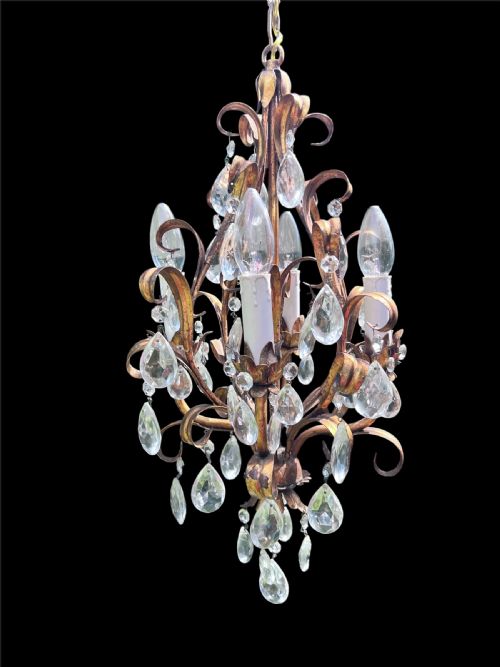


Vintage Florentine Light Fitting
These vintage florentine light fitting examples are ornate Italian chandeliers, wall lights, and lanterns designed to bring dramatic illumination and historic character into a room.
Vintage Florentine Light Fitting
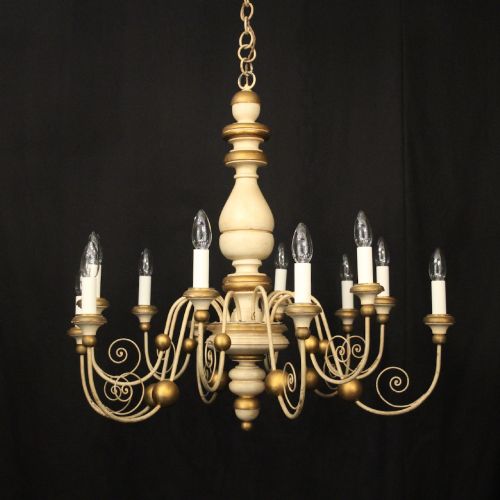
When you search for a vintage florentine light fitting, you encounter grand multi-light chandeliers and matching wall lights rooted in Italian design traditions. These fixtures range from intimate three-light lanterns to sprawling twenty-four-light chandeliers spanning several decades of the twentieth century and stretching back to earlier periods.
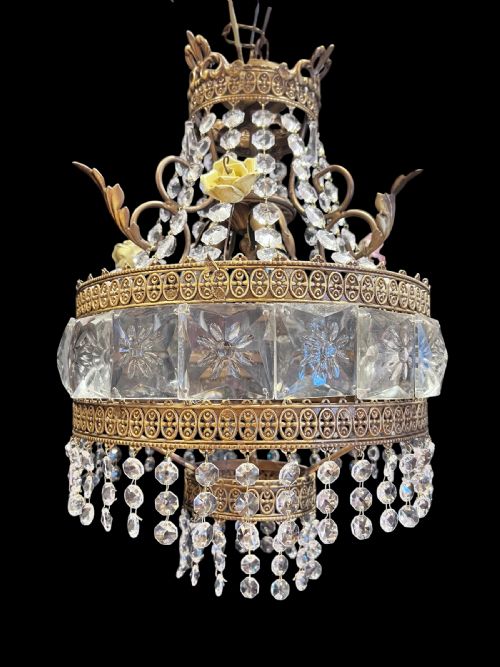
The prevalent forms on this page include multi-tiered chandeliers adorned with cascading glass crystals, delicate porcelain flowers, and elaborate gilt framing. Makers employed varying light counts to suit both modest chambers and expansive halls, creating a distinct visual presence across every surviving example.
How they were made
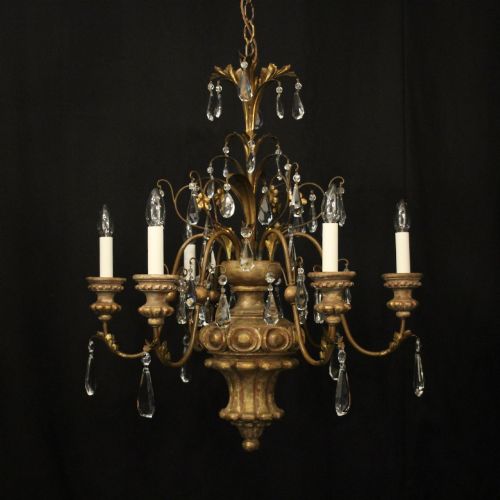
Artisans built these fittings primarily using carved giltwood, gesso, and gilt metal to achieve rich, reflective surfaces. Ironwork and brass provided structural integrity for the larger multi-light configurations while maintaining an ornate aesthetic.
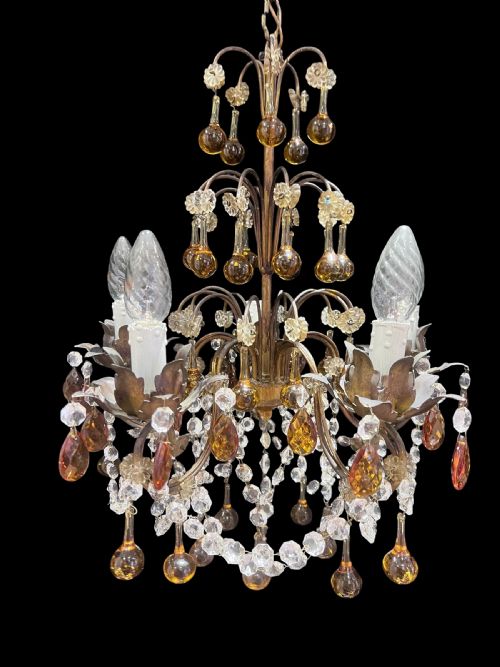
Glass and crystal elements, including hanging beads and coloured prisms, were integrated alongside painted polychrome details and ceramic floral motifs. This combination of carved wood, gilded finishes, and sparkling glass defined the traditional Florentine workshop output.
One twenty-four-light chandelier holds enough candles or bulbs to rival a small theatre.
What varies in quality
Quality reveals itself in the depth of the carving and the richness of the gilding applied to the wood and metal surfaces. Superior examples display meticulously hand-formed floral details and well-balanced structures that hold numerous lights without visual crowding.
The clarity and cut of the glass or crystal drops also distinguish finer pieces, as does the preservation of original polychrome paintwork and leaf gilding. Subtleties in proportion and the complexity of the arm configurations separate standard production from exceptional craftsmanship.
The Vintage Florentine Light Fitting Glossary
- Giltwood
- Wood carved and then treated with a thin layer of gold leaf or metallic powder. This technique provides the warm, reflective surfaces characteristic of traditional Italian frames.
- Polychrome
- Decorated in several colours. Artisans used this method to paint floral elements and decorative accents on chandeliers.
- Gesso
- A plaster mix applied to a wooden base to create a smooth surface for carving and gilding. It allowed makers to shape intricate scrolls and leafy motifs before applying gold leaf.
- Crystal
- High-quality glass cut into specific facets to refract light. These drops and beads hang from the arms and crown to amplify illumination.
Vintage Florentine Light Fitting: Frequently Asked Questions
What periods do these fittings span?
The pieces available range from eighteenth-century carved giltwood items to Edwardian designs and numerous twentieth-century examples dated around nineteen-ten, nineteen-twenty, and nineteen-thirty. Earlier pieces often feature heavy hand-carved wooden structures.
Later twentieth-century versions frequently incorporate larger light counts and extensive beaded crystal arrangements. Each era brings distinct manufacturing methods and decorative flourishes to the Florentine style.
Where should I hang a large chandelier?
Grand multi-light fixtures require high ceilings and a central position in a room to allow adequate clearance below. Spaces such as entrance halls, dining rooms, and drawing rooms suit the dramatic scale of these installations.
Ensure the ceiling structure can support the substantial weight of carved wood, metal, and glass components. Professional installation is essential for securing heavy multi-tiered light fittings safely.
Are wall lights matched to the chandeliers?
Pairs of wall lights often share the giltwood construction, leafy motifs, and floral elements found on the larger hanging fixtures. These complementary pieces help create a cohesive lighting scheme across a room.
Using matching wall sconces alongside a central chandelier reinforces the historic Italian interior aesthetic. They provide softer secondary illumination while echoing the primary design language.