

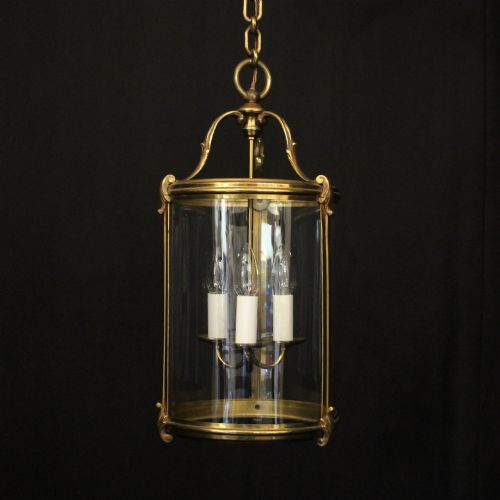
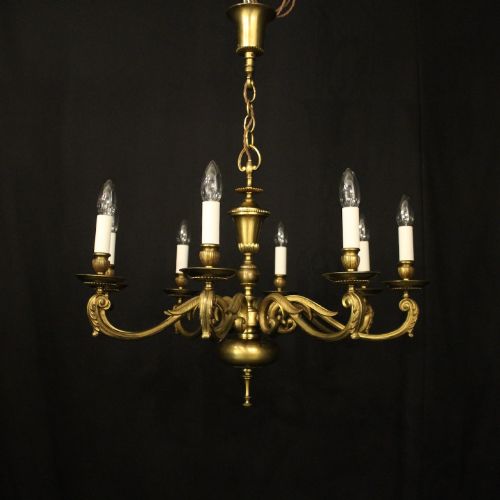
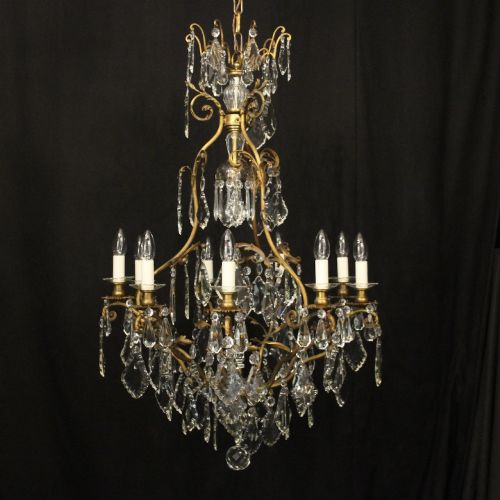
Gilded Brass Pendant Light
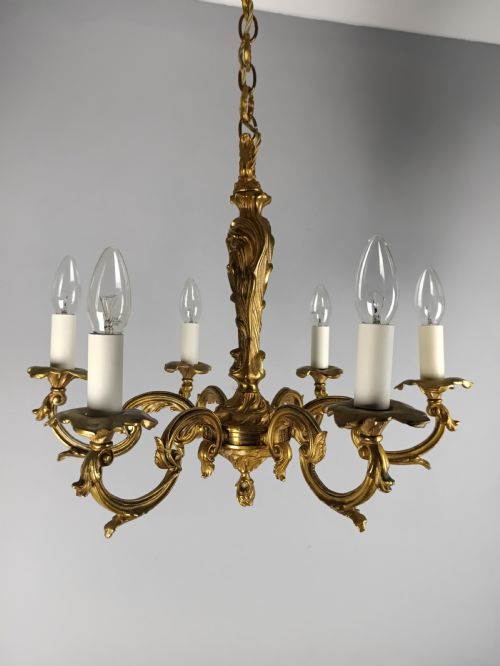
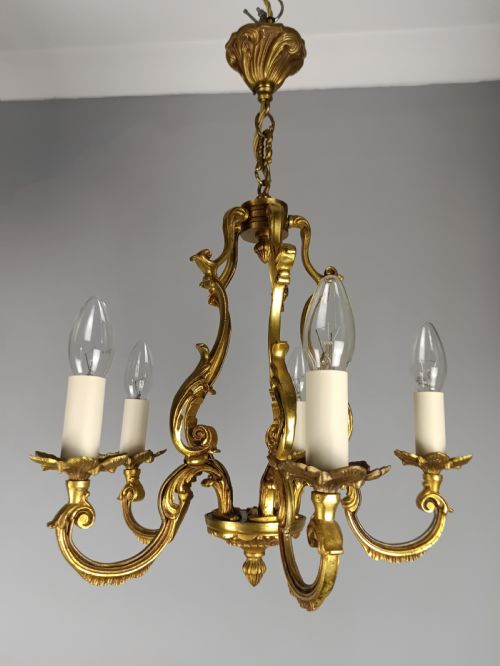
A gilded brass pendant light brings warm illumination and classical detail to a room, drawing the eye upward with polished metalwork.
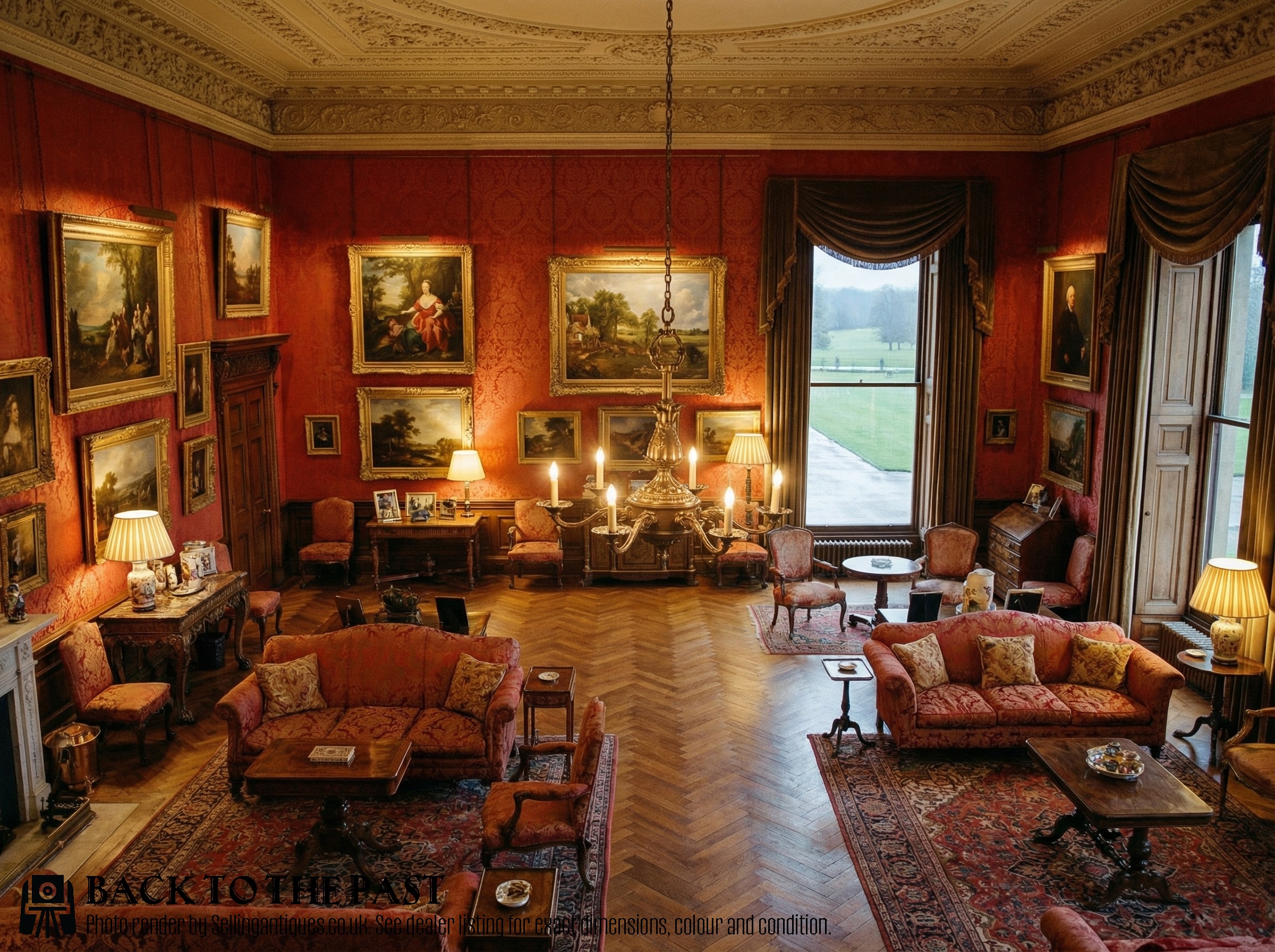
Gilded Brass Pendant Light
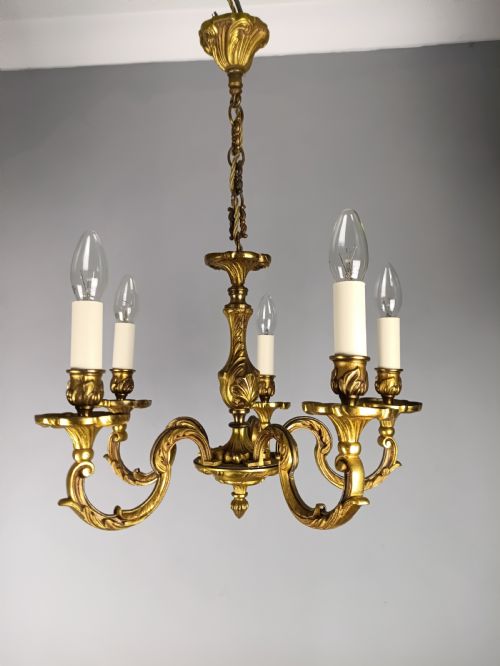
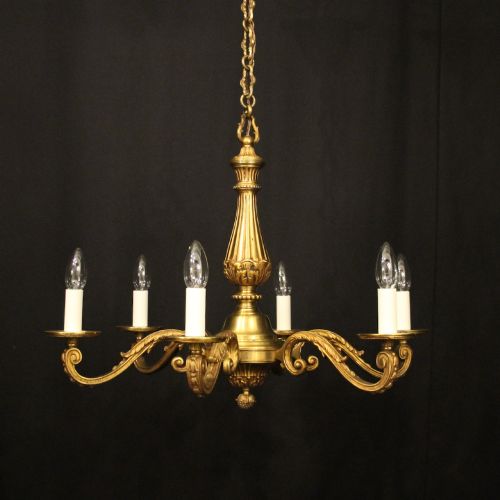
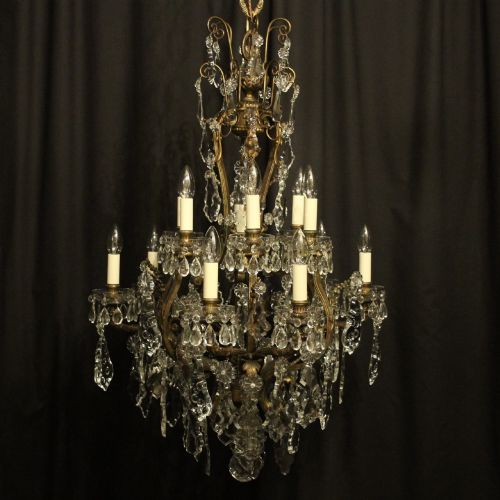
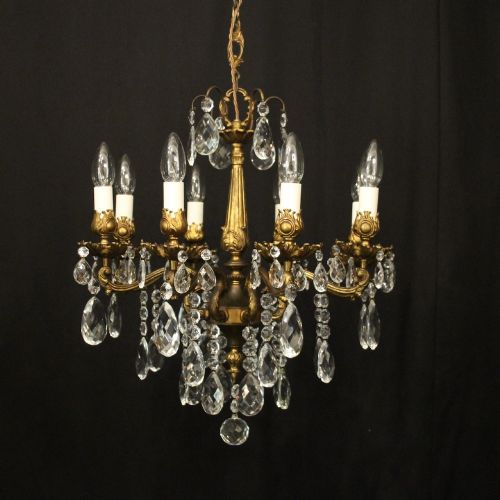
A gilded brass pendant light encompasses a variety of ceiling-hung fixtures, from multi-armed chandeliers to enclosed hall lanterns and tent and waterfall configurations. The selection spans the nineteenth century, the Edwardian era, and the decades leading to 1930, capturing periods of ornate revival and classical restraint. French designs dominate the groupings, ranging from modest three-light fittings to grand twelve-light statement pieces, alongside English and Italian interpretations.
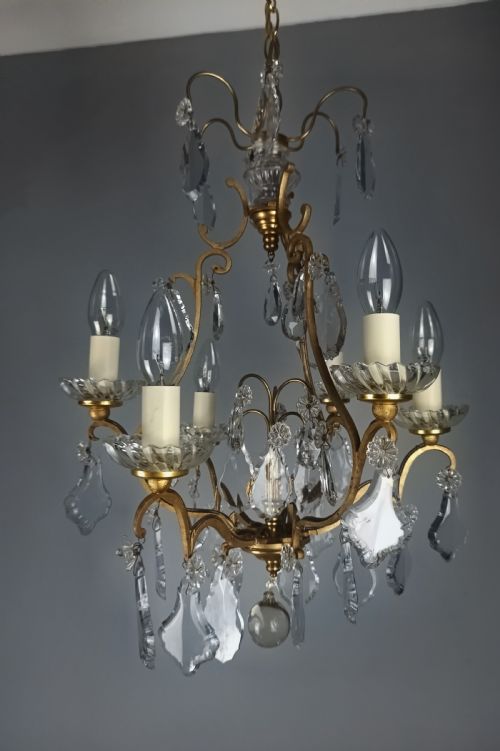
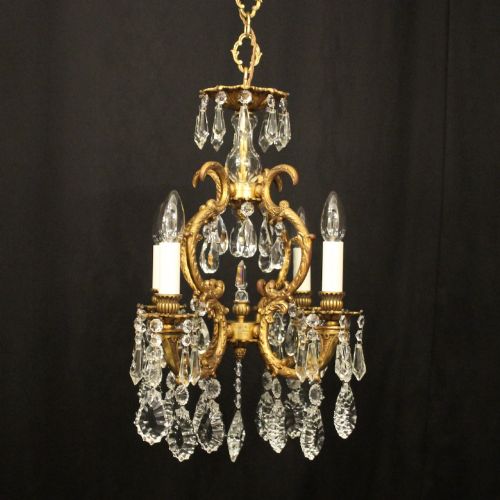
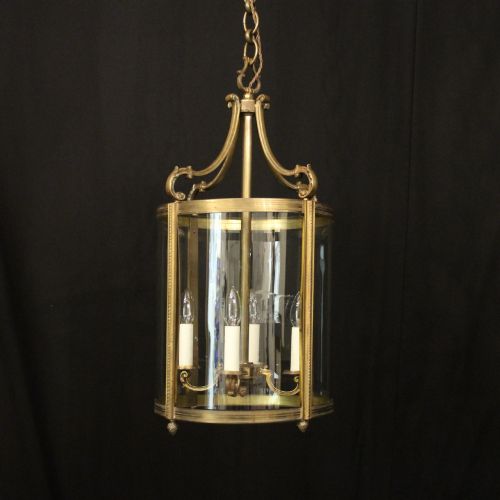
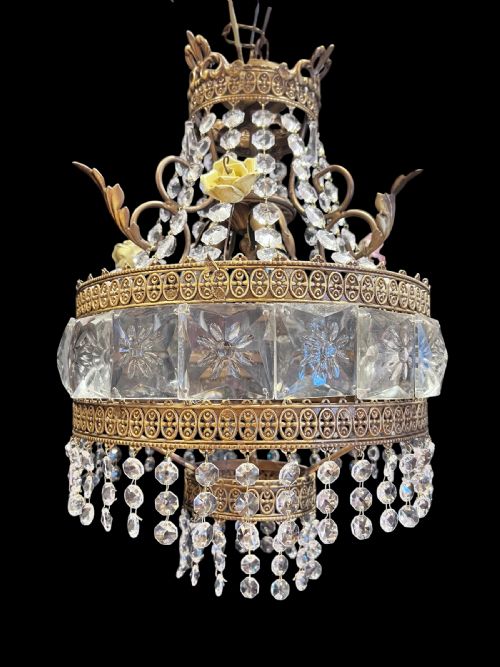
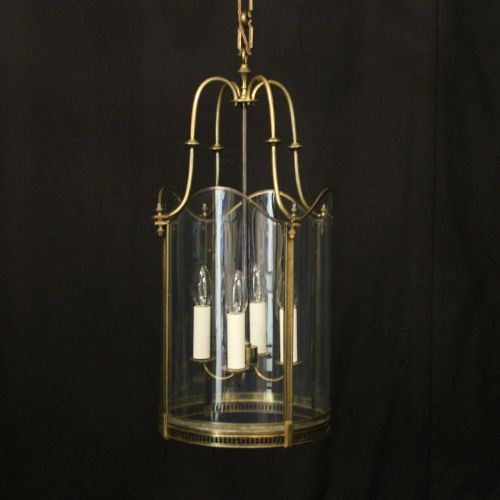
Buyers meet chandeliers featuring exposed metal frames, crystal drops, or porcelain and ceramic flowers, as well as convex hall lanterns designed for entranceways. These pieces utilise glass, crystal, gilt bronze, and tolewear to diffuse light and reflect interior spaces. Styles reach across French Rococo, Neoclassical, and Empire idioms, often incorporating decorative motifs such as winged cherubs or leafy crystal arrangements.
Materials and Construction
Construction relies on brass, bronze, and gilt metal, shaped into structural arms, frames, and galleries before receiving a layer of gilding. Metal components are cast, chased, and joined to support the weight of glass shades, crystal drops, and porcelain elements. Wiring and electrical components are integrated into older frames during adaptation for modern interiors.
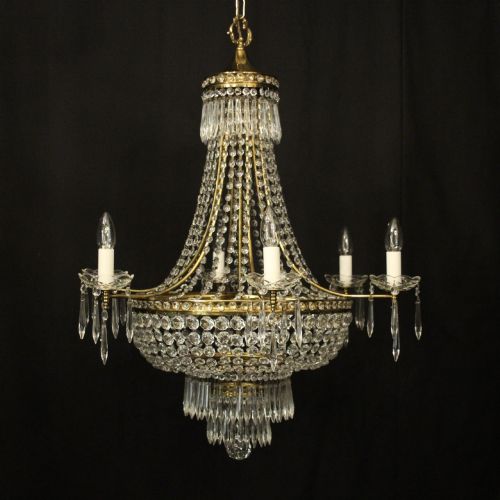
Crystals and glass pendants are hand-cut and suspended from metal armature using wire loops or pins, creating the cascading effects seen in tent and waterfall configurations. Frames incorporate specialised elements such as gesso and giltwood or hand-painted ceramic flowers, welded or mechanically fastened to ensure structural integrity.
Several chandeliers secretly incorporate porcelain flowers and winged cherubs amongst their glowing brass arms.
Defining Quality
Quality rests in the crispness of the cast metalwork, the depth and durability of the gilding, and the clarity of the crystal or glass drops. Superior pieces display finely chased details on bronze and brass components, where decorative motifs remain sharp and well-defined rather than soft or blurred.
The integrity of the structural frame, the completeness of the crystal beadwork, and the harmonious integration of decorative elements like porcelain flowers or tolewear define the better examples. Original patination on the metal surfaces and the weight of the cast frame indicate the standard of production.
The Gilded Brass Pendant Light Glossary
- Gilt Bronze
- An alloy of copper and tin treated with a gold finish, often termed ormolu, used for decorative mounts and frames. It provides a durable base that retains crisp chased detail.
- Hall Lantern
- An enclosed ceiling-hung light fixture designed primarily for corridors and entrance halls. These fixtures often feature convex glass panels held within a metal frame.
- Plafoniere
- A shallow ceiling-mounted light fixture positioned close to the surface rather than suspended on a long chain. These utilise brass and crystal arrangements to distribute light evenly.
- Tent and Waterfall
- A chandelier design featuring a conical upper section of strung crystals resembling a tent, dropping into a cascading lower array. This configuration maximises light refraction.
- Tolewear
- Painted or lacquered sheet metal, frequently shaped into floral or foliage motifs on light fittings. It adds coloured accents to metal frameworks.
Gilded Brass Pendant Light: Frequently Asked Questions
How do I hang a heavy brass chandelier safely?
Installation requires fixing the primary suspension hook directly into the ceiling joist or wooden noggin rather than relying solely on plasterboard. A licensed electrician should verify that the ceiling box and wiring can support the combined weight of the metal frame and crystal elements.
Adjusting the chain length should occur before final electrical connection, ensuring the fixture hangs at the correct height for the room. Weight distribution remains critical, particularly with multi-armed or large lantern designs.
Can these antique lights be rewired for modern use?
Most period hanging lights require modern rewiring to comply with current safety standards and electrical regulations. Professional restorers replace aged internal wiring while preserving the original brass or bronze exterior components.
Edison screw or small bayonet lampholders are typically fitted to match standard contemporary bulbs. This update allows the fixture to operate safely without altering the visible antique character.
How do I clean crystal and gilded brass?
Dusting the metal frame and crystals regularly with a soft, dry cloth prevents grime accumulation. For a deeper clean, remove crystal drops and wash them in warm soapy water before drying thoroughly with a lint-free cloth.
Avoid abrasive cleaners or harsh chemical polishes on gilded surfaces, as these can strip the gold finish. Gentle wiping with a damp cloth maintains the patination of the brass and bronze.
What rooms suit a hall lantern?
Hall lanterns provide focused downward and ambient light, making them well-suited for entranceways, corridors, and stairwells. Their enclosed glass sides protect the light source from drafts while offering a welcoming illumination.
Smaller convex versions fit narrower passages, while larger models anchor high-ceilinged entrance halls. Their historical design complements both traditional period properties and contemporary interiors seeking a classical contrast.