


French Botanical Chandelier
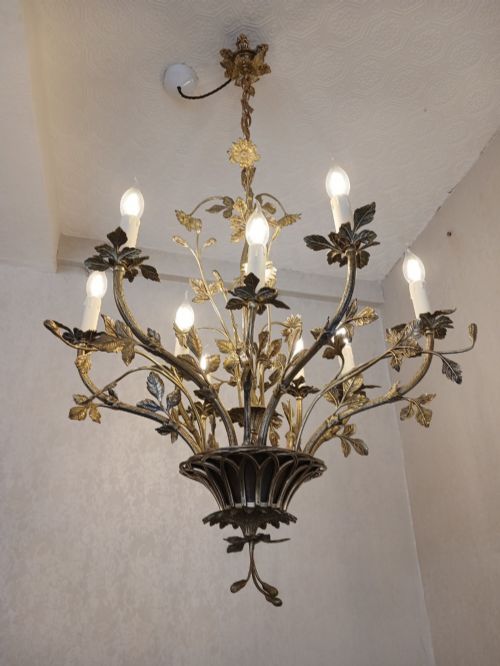
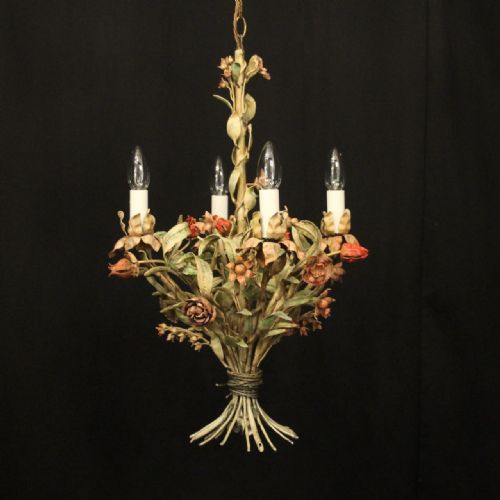
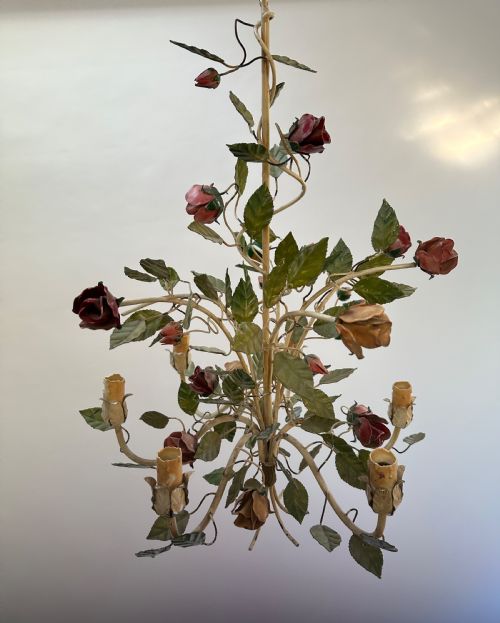
These French botanical chandeliers bring leafy wrought iron and painted metal floral forms straight to the ceiling.
French Botanical Chandelier
When you search for a french botanical chandelier, you encounter lighting fixtures shaped by leaf, branch and floral motifs rooted in early twentieth-century French design. These pieces typically emerge from periods spanning nineteen hundred to nineteen thirty, capturing rural and chateau aesthetics through organic forms.
You are most likely to meet painted iron and gilt metal versions on this page, often configured with four or five lights. The object types remain exclusively chandeliers, channeling French country and Hollywood Regency styles into decorative ceiling illumination.
Materials and construction
The construction relies heavily on forged metals, utilising iron, wrought iron, and bronze to shape realistic botanical stems and branches. Metal components are then finished through gilding or polychrome painting to render naturalistic floral details.
Makers shaped sheet metal and cast bronze into toleware elements, building multi-light structures designed for interior suspension. Wiring updates often accompany these vintage pieces to meet modern electrical standards while retaining original frames.
Some floral metal branches curl so convincingly you might find yourself watering the ceiling by mistake.
Assessing quality
Quality rests in the precision of the botanical modelling, where individually shaped leaves and petals display greater articulation than mass-stamped alternatives. Heavier bronze and wrought iron frameworks offer superior structural integrity compared to lighter gauge metal.
The nuance of the polychrome paintwork and the depth of the gilding dictate visual distinction across the range. Finer examples maintain subtle colour layering on toleware foliage rather than flat, uniform surface coats.
The French Botanical Chandelier Glossary
- Toleware
- Painted or lacquered metalware, typically tin or iron, shaped into decorative items like floral chandeliers. This technique allows for vibrant polychrome finishes on light fixtures.
- Polychrome
- Decorated in several colours, frequently applied to metal leaves and flowers on antique lighting. This multi-coloured approach enhances the botanical realism of the piece.
- Gilt
- Covered thinly with gold leaf or gold paint, imparting a luminous metallic sheen to iron or bronze frames. It reflects candle or bulb light effectively within formal interiors.
- Chandelier
- A branched decorative ceiling fixture designed to hold multiple electric bulbs or candles. These specific forms incorporate botanical elements along their arms and central columns.
French Botanical Chandelier: Frequently Asked Questions
How do I clean a toleware chandelier?
Dust the painted metal leaves gently with a dry microfibre cloth to protect the polychrome surface. Avoid liquid cleaners that might strip the original painted finish from the delicate ironwork.
Take care around the wiring points and older joints when handling the fixture during routine maintenance.
Were these lights originally electrified?
Many fixtures from the early twentieth century underwent rewiring to adapt to modern domestic electrical systems. The original fittings often held candles before conversions introduced internal wiring through the metal branches.
Professional rewiring ensures safe installation while preserving the historical bronze or iron structure of the ceiling light.
What rooms suit a branch chandelier?
Dining spaces and hallways provide suitable locations for suspended floral lighting due to their vertical clearance. The botanical motifs complement rooms featuring natural wood elements or traditional decor.
Positioning the fixture at the correct height allows the branch and leaf details to act as a central visual focal point.
How to tell nineteen-twenties lighting apart?
Pieces from the nineteen-twenties often incorporate gilt finishes and Hollywood Regency influences alongside traditional rural forms. The weight of the metal and the style of the painted floral components help indicate the manufacturing era.
Comparing the construction of the light branches reveals stylistic shifts between early century chateau designs and later country pieces.