


Antique Floral Light Fixture
These antique floral light fixture choices bring sculptural metalwork, porcelain blooms and coloured glass together to illuminate a room with period charm.
Antique Floral Light Fixture
An antique floral light fixture encompasses chandeliers, wall lights, and lanterns originating from the Victorian, Edwardian, and early twentieth-century periods. These pieces frequently draw upon French Chateau, Art Nouveau, and Rococo Revival styles to integrate botanical motifs into domestic lighting.
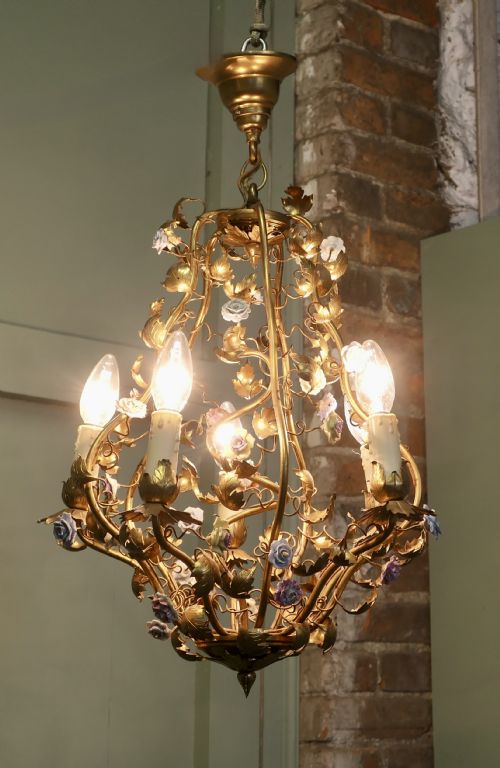
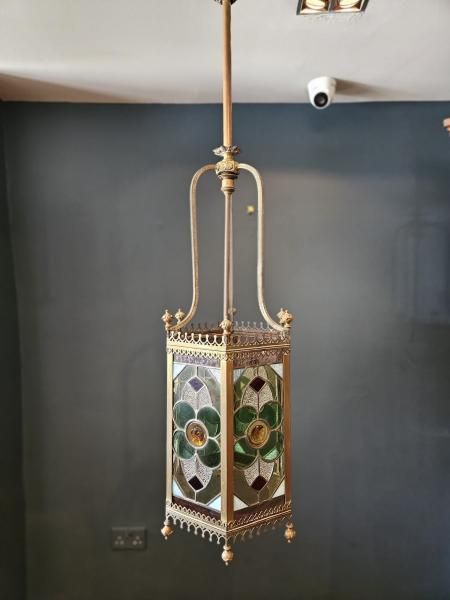
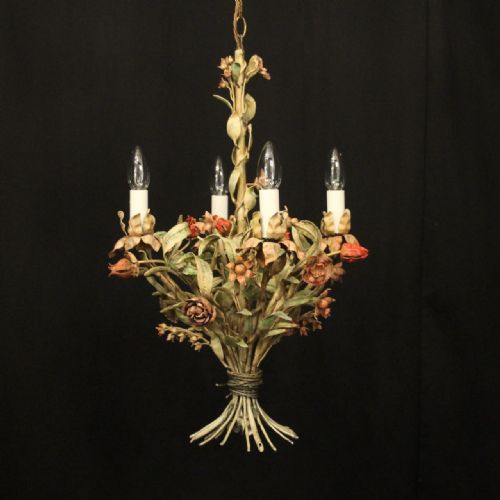
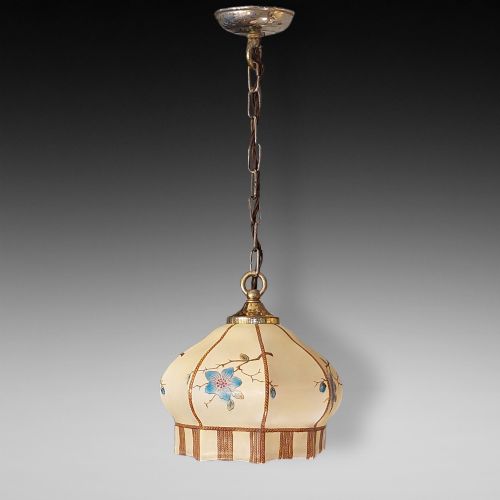
The selection on this page relies heavily on French toleware chandeliers adorned with ceramic and porcelain flowers, alongside brass frames and hand-painted glass shades. Buyers will regularly encounter multi-bulb arrangements from the nineteen-twenties and nineteen-thirties alongside nineteenth-century oil lamps.
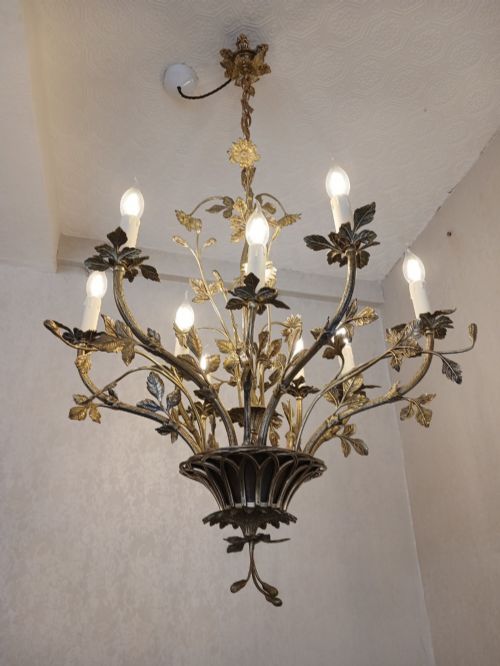
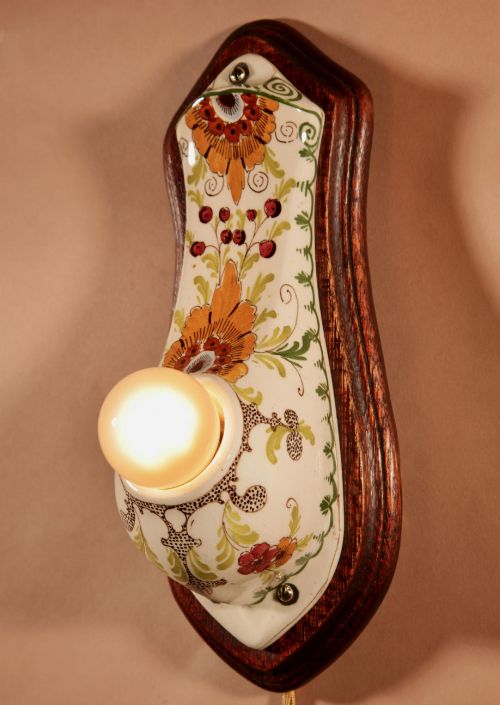
Form follows function across varied object types, ranging from single table lamps and wall sconces to large sixteen-light tent and waterfall chandeliers. Each piece demonstrates how makers incorporated natural floral elements into functional illumination for period interiors.
How They Were Made
Makers constructed these fixtures using cast and forged metals including brass, bronze, iron, and gilt metal, often finishing surfaces with silver gilding or polychrome paint. These metallic foundations provided the structural support necessary for intricate multi-branch configurations and heavy crystal or glass components.
Botanical details took shape through shaped toleware, moulded ceramic, and hand-painted porcelain flowers integrated directly into the metal armature. Artisans combined leaded glass panels, etched shades, and crystal drops to diffuse the illumination cast by early oil, paraffin, or electric bulbs.
Listings span the Victorian era through the nineteen-thirties, featuring brass, gilt metal, toleware, and porcelain.
What Varies in Quality
Quality rests upon the delicacy of the modelled floral elements and the crispness of the metal casting, distinguishing mass production from superior artisan work. Hand-painted polychrome finishes on toleware and porcelain show greater depth and variation in better examples.
The structural integrity of the frame, the retention of original gilding, and the complexity of multi-tier glass or crystal drops elevate a piece. Superior examples maintain cohesive stylistic harmony between the botanical ornamentation and the supporting metalwork.
Schneider
The Antique Floral Light Fixture Glossary
- Toleware
- Painted or enamelled sheet metal items, commonly shaped into leaves and flowers for decorative lighting. This technique allowed makers to achieve vibrant polychrome botanical details.
- Chandelier
- A branched suspended lighting fixture designed to hold multiple bulbs or candles. These often incorporate elaborate metal arms and crystal or glass embellishments.
- Art Nouveau
- A decorative style characterised by flowing, asymmetrical organic lines and floral motifs. It heavily influenced lighting design at the turn of the twentieth century.
- Capodimonte
- Italian porcelain originating from Naples, known for intricate modelled ceramic flowers. Pieces featuring this work display high sculptural detail.
- Sconce
- A wall-mounted light fixture designed to hold candles or electric lamps. Pairs of these often match the central ceiling chandelier in a room.
Antique Floral Light Fixture: Frequently Asked Questions
How do I clean an antique floral light fixture?
Dust delicate toleware and porcelain flowers gently using a soft brush to avoid disturbing historic finishes or fragile painted details.
Remove glass shades or crystal drops periodically for careful washing in warm soapy water, ensuring every component dries completely before reassembly.
Can these antique lights be rewired for modern wiring?
Most antique metal and brass fixtures accept modern electrical cabling without altering the external aesthetic or visible metalwork.
A qualified electrician should inspect the internal channels and replace old sockets to meet current safety standards prior to installation.
What rooms suit a French toleware chandelier?
Dining rooms and living spaces provide ideal settings for multi-bulb chandeliers featuring colourful ceramic flowers and gilt metal leaves. Their decorative presence anchors a traditional interior scheme while offering ample downward illumination.
How do I identify a Victorian oil lamp conversion?
Examine the base and burner assembly for original threaded collars, wick mechanisms, or reservoirs that indicate past paraffin use. Many nineteenth-century lamps were later adapted to electricity while retaining their decorative ceramic or glass bodies.