





Vintage Floral Urn
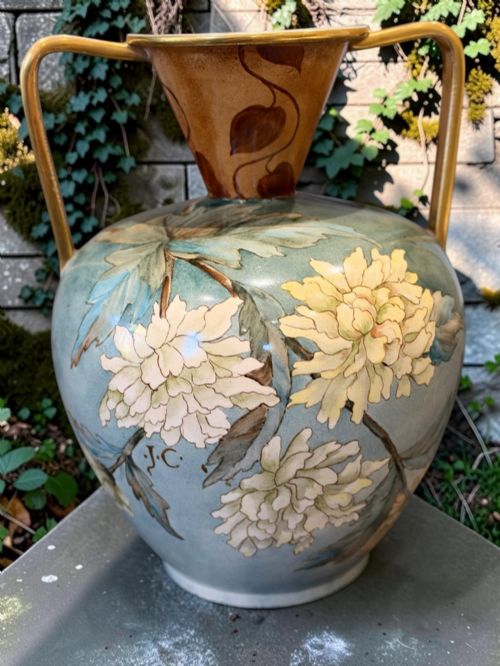
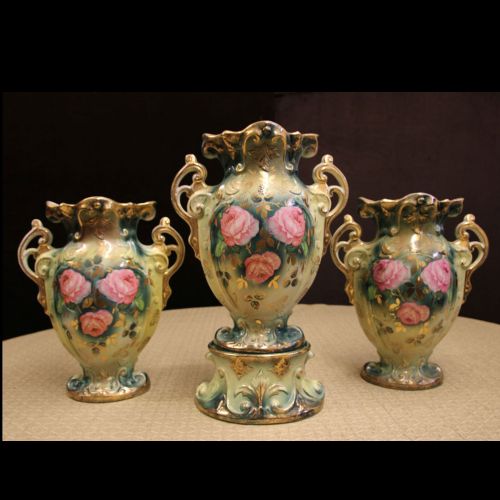
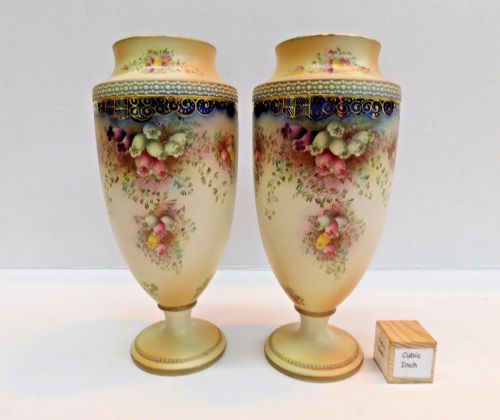
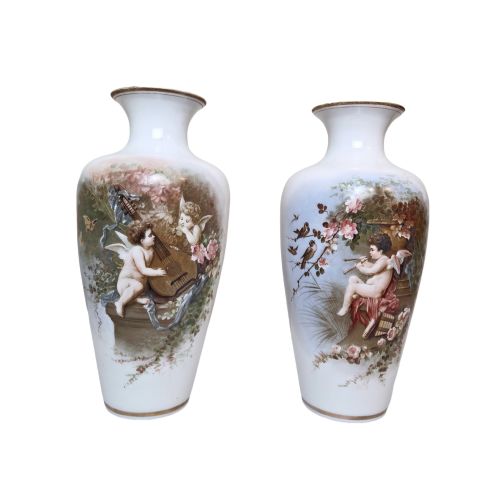
A vintage floral urn brings botanical colour and classical form to a room through hand-painted porcelain, cloisonné enamel, and glazed earthenware.
Vintage Floral Urn
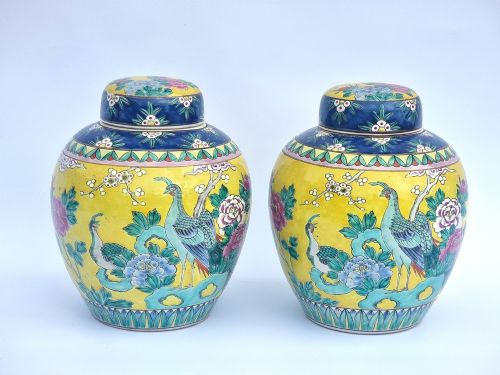
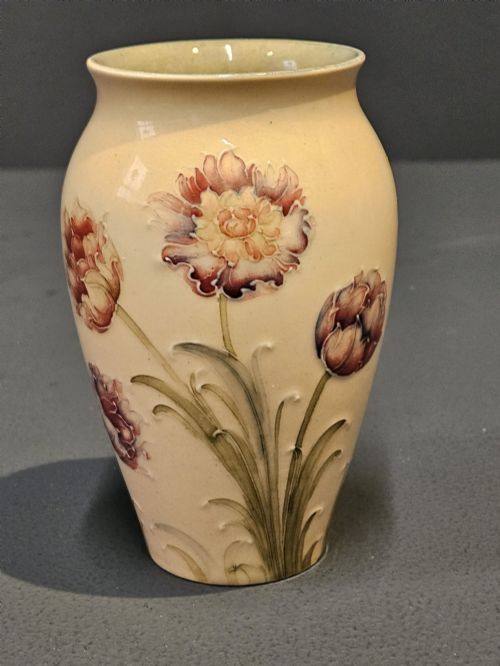
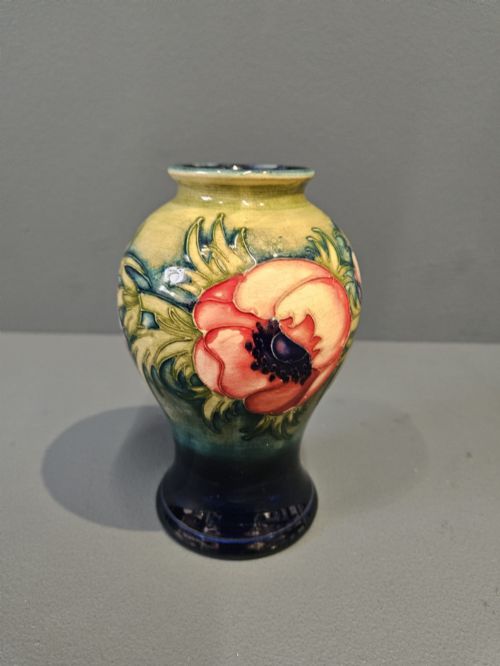
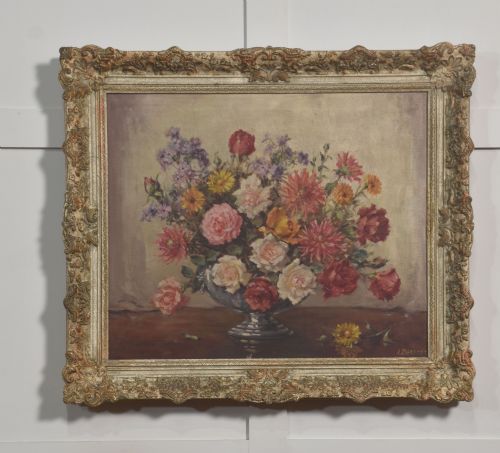
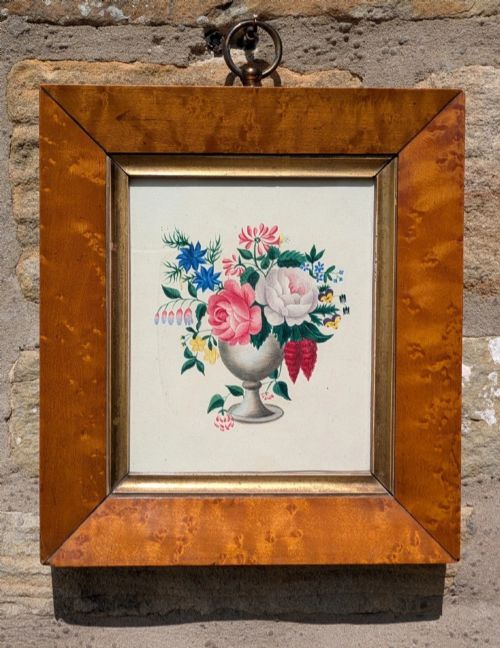
When searching for a vintage floral urn, collectors encounter a diverse selection of vessels including ginger jars, baluster vases, and lidded jars spanning the Victorian, Edwardian, and early twentieth-century periods. These objects display botanical motifs, painted flowers, and still-life compositions across various ceramic and metallic forms.
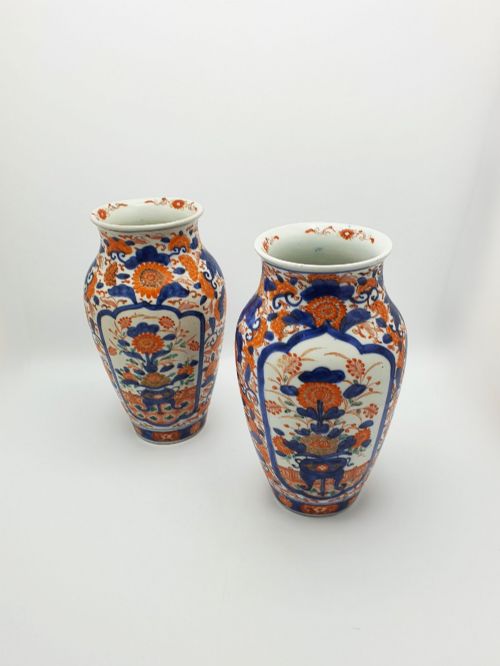
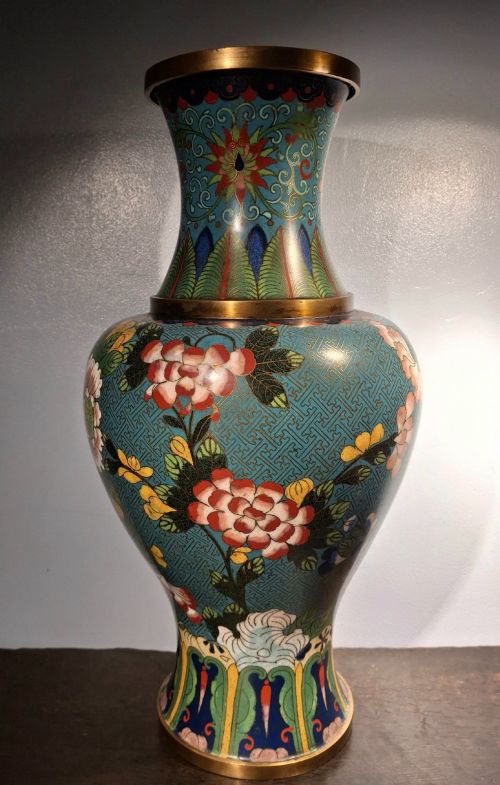
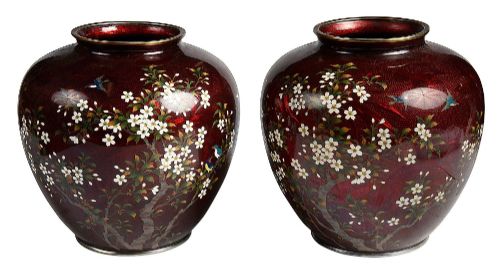
The pieces on this page originate from diverse traditions, ranging from Japanese Imari and Meiji period cloisonné to English earthenware by makers such as Royal Doulton and Moorcroft, alongside Chinese export porcelain and European glassware.
How they were made
The physical construction relies on traditional ceramic, glass, and metalworking techniques, utilising porcelain, earthenware, stoneware, copper, and brass. Artisans formed vessels on the wheel or cast them in moulds before applying glazes, enamels, and metal wires.
Decoration involved hand-painting, champlevé, and cloisonné enamel work, where fine metal partitions hold coloured vitreous pastes fired to a hard finish. Gilding and gold leaf often accent the floral motifs across ceramic and glass surfaces.
Vintage Floral Urn Retail Price Guide 2026
Typical asking prices for vintage floral urn among the pieces listed under this phrase on Sellingantiques today, from the lower quarter to the upper quarter. They describe what is for sale here now, not the wider market.
Listings feature pieces spanning the 18th century through the 1960s, incorporating porcelain, earthenware, glass, copper, and brass.
What varies in quality
Quality rests in the precision of the hand-painted brushwork and the complexity of the enamel or ceramic body. Pieces with crisp botanical detail and balanced compositions separate standard production wares from finer studio output.
The crispness of the cloisonné wirework, the depth of the glaze, and the preservation of the original gilt or surface finish determine the standing of an individual vessel.
Royal Doulton·Moorcroft·Wemyss·H & R Daniel·Royal Worcester
The Vintage Floral Urn Glossary
- Cloisonné
- A metalwork technique where thin metal strips are soldered to a base to form compartments filled with enamel paste and fired. This method creates detailed cells that outline the floral designs.
- Imari
- A style of Japanese porcelain decorated in underglaze blue and overglaze red, gold, and other colours. It originated in the Edo period and heavily influenced European ceramic design.
- Baluster
- A bottle or vase form with a rounded body that tapers toward the neck. This architectural silhouette provides stability and showcases vertical floral painting.
- Earthenware
- Porous pottery fired at lower temperatures, requiring a glaze to hold liquids. It forms the base for many traditional painted vessels.
- Champlevé
- An enamelling technique where troughs or cells are carved into a metal surface to hold vitreous enamel. The surrounding metal remains visible as part of the pattern.
Vintage Floral Urn: Frequently Asked Questions
How do I identify a cloisonne urn?
Examine the surface for thin raised metal wires that form the outlines of flowers and leaves, creating small cells filled with coloured enamel. These wires distinguish true cloisonné from simple painted decoration.
Run a finger lightly across the pattern to feel the slight grid of metal partitions beneath the smooth glazed finish.
Are these urns waterproof?
Many ceramic and cloisonné vessels can hold water safely, but older earthenware and metal-bodied pieces may have porous bodies or lined interiors unsuited for fresh flowers.
Use a discreet glass or plastic insert inside antique vessels if you plan to display fresh stems regularly.
How do I date a Japanese imari vase?
Look at the palette of iron red, cobalt blue, and gold, along with the weight of the porcelain body and the style of the base mark. Meiji period examples often display dense floral panels and refined gilding.
Compare the potting technique and glaze pooling on the underside with established examples from the nineteenth century.
Where should I display a large urn?
Place substantial ceramic or bronze vessels on low tables, sturdy sideboards, or dedicated plant stands where their height and weight remain secure. Avoid narrow ledges or high traffic areas.
Ensure adequate natural light reaches hand-painted floral panels to highlight the enamel work and glaze variations.