


Vintage Floral Tray
These vintage floral tray examples bring together hand-painted botanicals, porcelain plates and inlaid woods from the nineteenth and early twentieth centuries.
Vintage Floral Tray
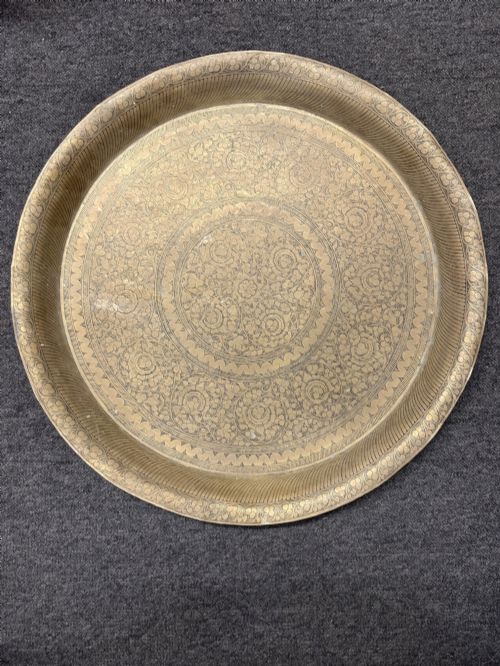
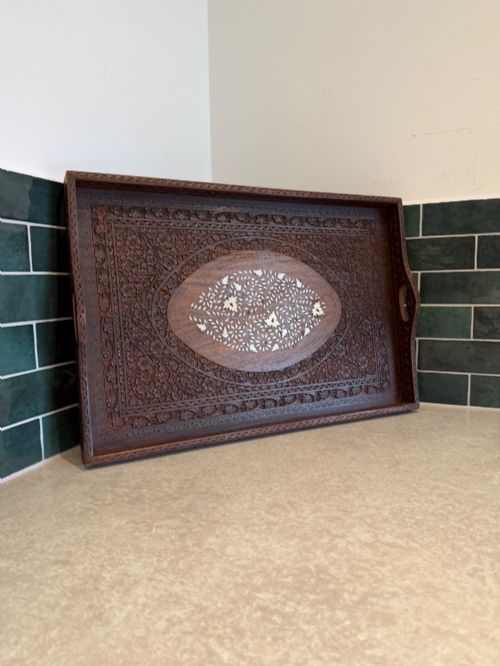
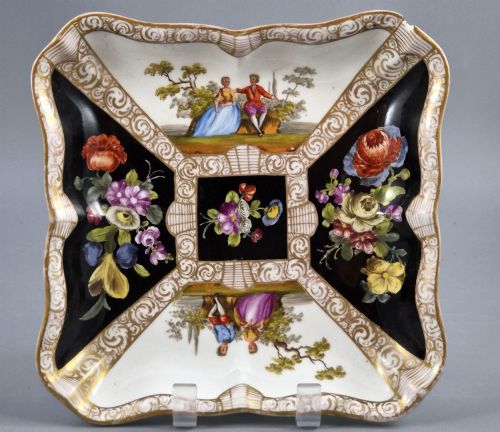
A vintage floral tray serves as a decorative serving piece or display dish, encompassing serving platters, cabinet dishes and tray-top tables produced across the nineteenth and early twentieth centuries. The selection includes porcelain bodies, brass fittings, inlaid wood marquetry and toleware surfaces.
Most pieces date from the Victorian, Edwardian and Art Nouveau periods, reflecting varied domestic uses from afternoon tea service to boudoir organisation. Continental porcelain works sit alongside English ironstone and Japanese export pieces.
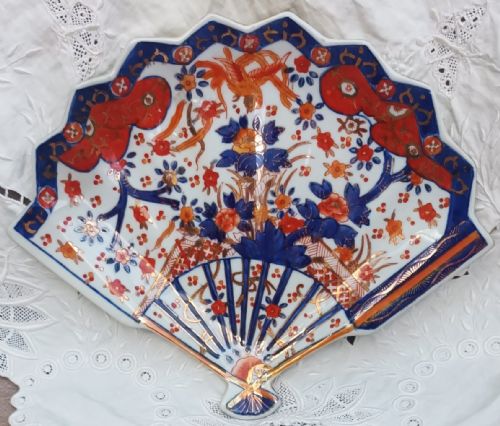
Makers span European factories such as Meissen, Minton and Spode alongside regional workshops in France, Germany and Japan. Forms range from kidney-shaped marquetry items to octagonal cloisonné enamel surfaces.
How they were made
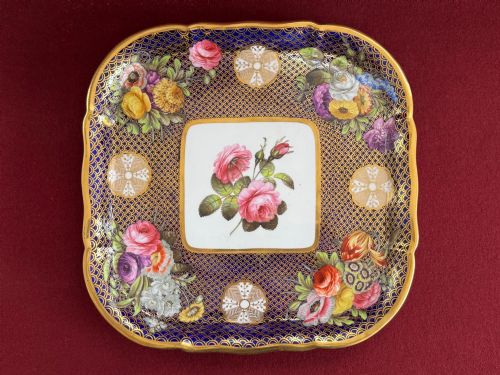
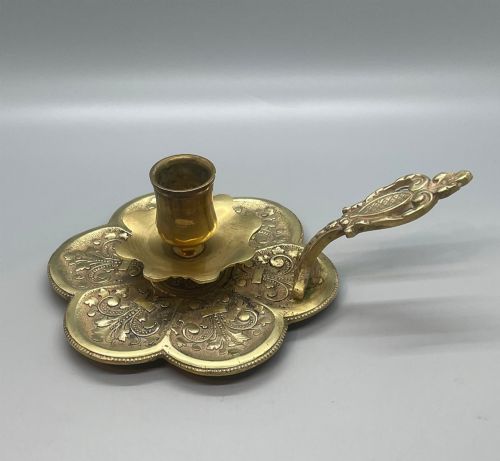
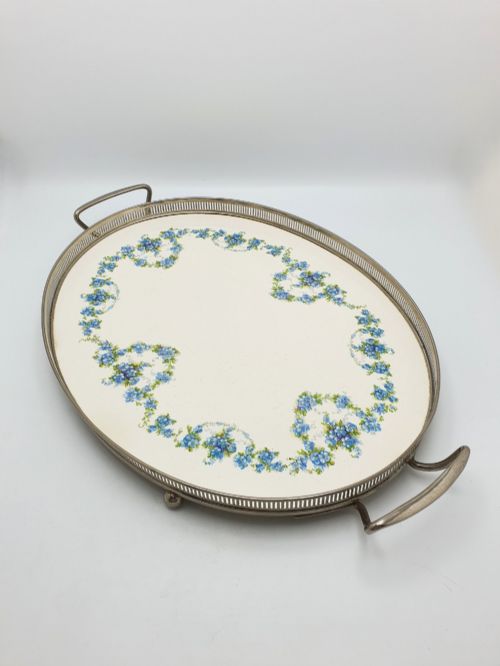
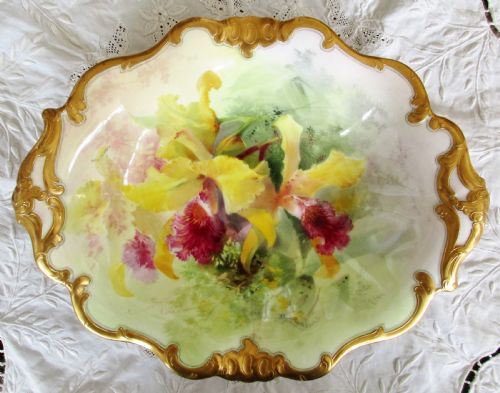
Ceramic bodies utilise hard-paste or soft-paste porcelain, ironstone and bone china, decorated with hand-painted enamel botanical motifs, transfer printing and gilding. Metal examples combine brass, copper, silver plate and Britannia metal through casting, etching and relief stamping.
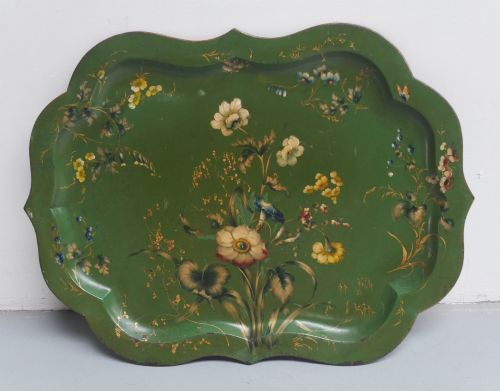
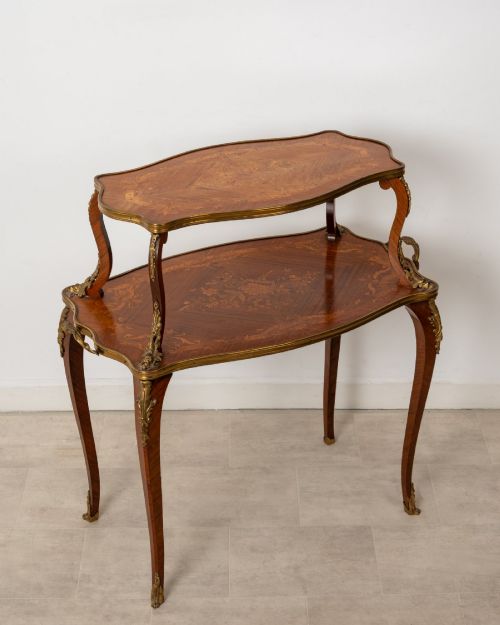
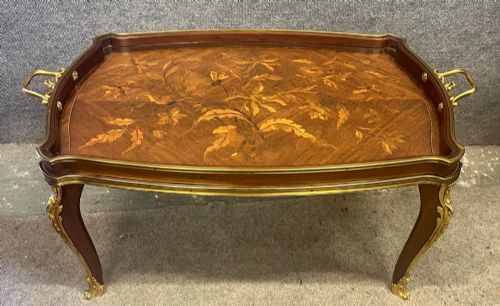
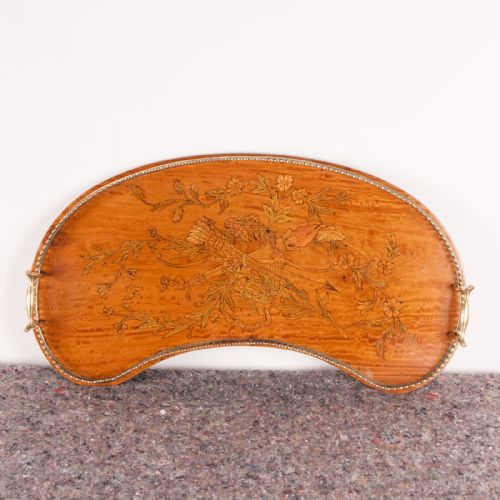
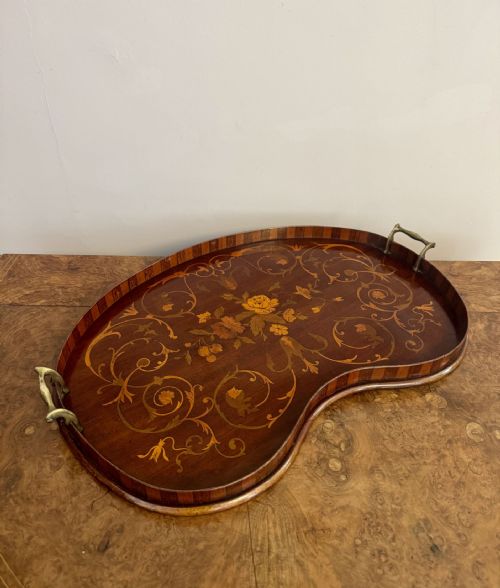
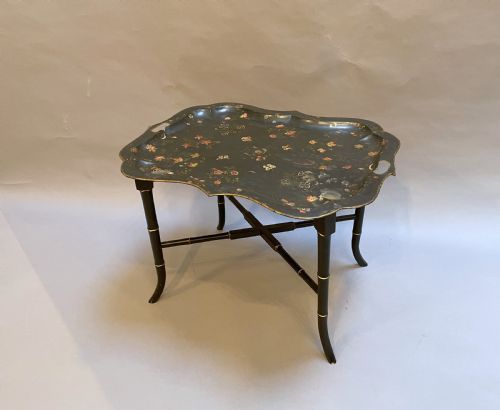
Wood pieces employ mahogany, satinwood and kingwood veneers, often shaped into kidney forms or incorporated into table stands using marquetry and parquetry techniques. Papier-mâché and toleware utilise built-up paper layers or sheet metal coated in dark lacquers and paints.
Vintage Floral Tray Retail Price Guide 2026
Typical asking prices for vintage floral tray among the pieces listed under this phrase on Sellingantiques today, from the lower quarter to the upper quarter. They describe what is for sale here now, not the wider market.
Some trays hide birds amongst their painted petals, watching tea time from the foliage.
What varies in quality
The standard of a vintage floral tray depends upon the crispness of the hand-painted botanical detail and the execution of the ground work, whether cobalt blue, black or natural wood grain. Finer examples display meticulous brushwork on floral centres and precise registration of transfer-printed patterns.
Structural integrity and material selection separate standard items from superior pieces, particularly in inlaid wood marquetry where contrasting veneers require exact fitting. Ormolu mounts, brass handles and silver plating show varying degrees of chasing and metal weight.
Spode·Meissen·Royal Doulton·Minton·KPM
The Vintage Floral Tray Glossary
- Toleware
- Painted or lacquered sheet metal items produced extensively in Britain and Europe during the nineteenth century. These pieces often feature dark japanned grounds decorated with floral scenes.
- Marquetry
- The art of applying small pieces of wood veneer to a structure to form decorative patterns. Craftsmen utilise various timbers to create naturalistic floral motifs on tray surfaces.
- Ashet
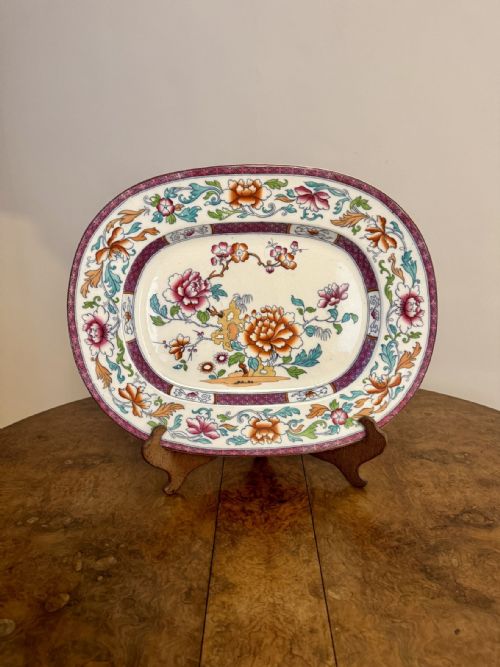
- A regional British term for a large serving platter or dish. These ceramic or metal platters were designed for presenting meat at the dining table.
- Cloisonné
- An ancient metalworking technique where enamel paste is applied within compartments created by soldered wire strips on a metal base. Japanese examples frequently incorporate bird and floral designs.
- Ironstone
- A heavy durable type of ceramic developed in Britain as a robust alternative to porcelain. Factories like Mason's utilised this paste for patterned serving dishes and platters.
Vintage Floral Tray: Frequently Asked Questions
What were vintage floral trays used for?
These pieces served practical roles in domestic households for carrying tea services, presenting meat platters or organising dressing table accessories. Many functioned equally as decorative cabinet dishes displayed on walls or side tables.
Over time, folding stands were introduced to convert these serving surfaces into occasional side tables and coffee tables. Their decorative botanical designs made them central fixtures in nineteenth-century and Edwardian reception rooms.
How do I care for a vintage tray?
Care depends entirely upon the material of the specific piece, requiring gentle dusting for carved wood marquetry and dry cleaning for papier-mâché and lacquered toleware. Ceramic and porcelain surfaces tolerate light cleaning with damp cloths, avoiding harsh abrasives that damage gilding and enamel.
Wooden tray-top tables benefit from occasional application of appropriate furniture wax to nourish veneers. Metal pieces in brass or silver plate require non-abrasive polishes to maintain their finish without stripping historical patination.
How can I tell a Victorian tray from an Edwardian one?
Victorian examples frequently display heavier proportions, rich floral painting, and darker wood grounds or bold papier-mâché constructions. Aesthetic styles from this era often embrace elaborate Rococo Revival curves or densely patterned botanical transfers.
Edwardian pieces tend toward lighter satinwood timbers, delicate kidney shapes and refined marquetry inlay. The floral motifs in Edwardian work often appear more restrained and painterly compared to earlier Victorian output.
What is toleware?
Toleware refers to functional sheet metal objects coated with dark lacquers or paints and finished with hand-painted decoration. British and European workshops produced boxes, trays and tea canisters using this durable technique.
The surface finish often mimics Japanese lacquerwork through layered dark grounds embellished with gilt borders and botanical scenes. These pieces formed an essential part of nineteenth-century household utility.