
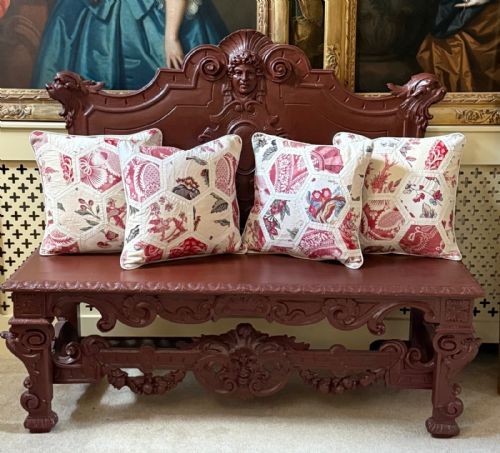
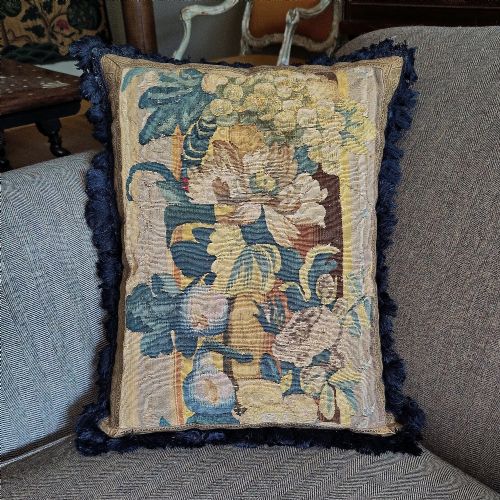

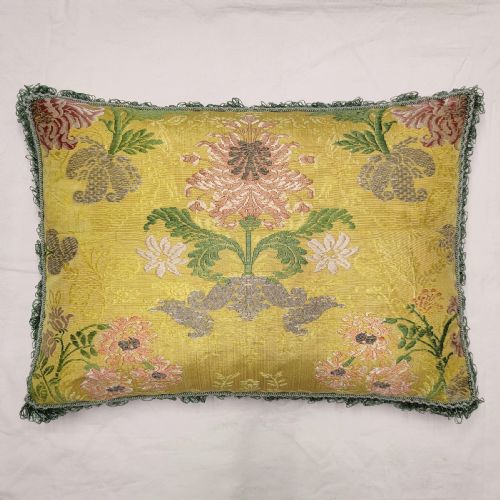


Vintage Floral Throw Cushion
These vintage floral throw cushion pieces bring period textiles into modern rooms, offering genuine historic character through woven floral motifs and antique fabrics.
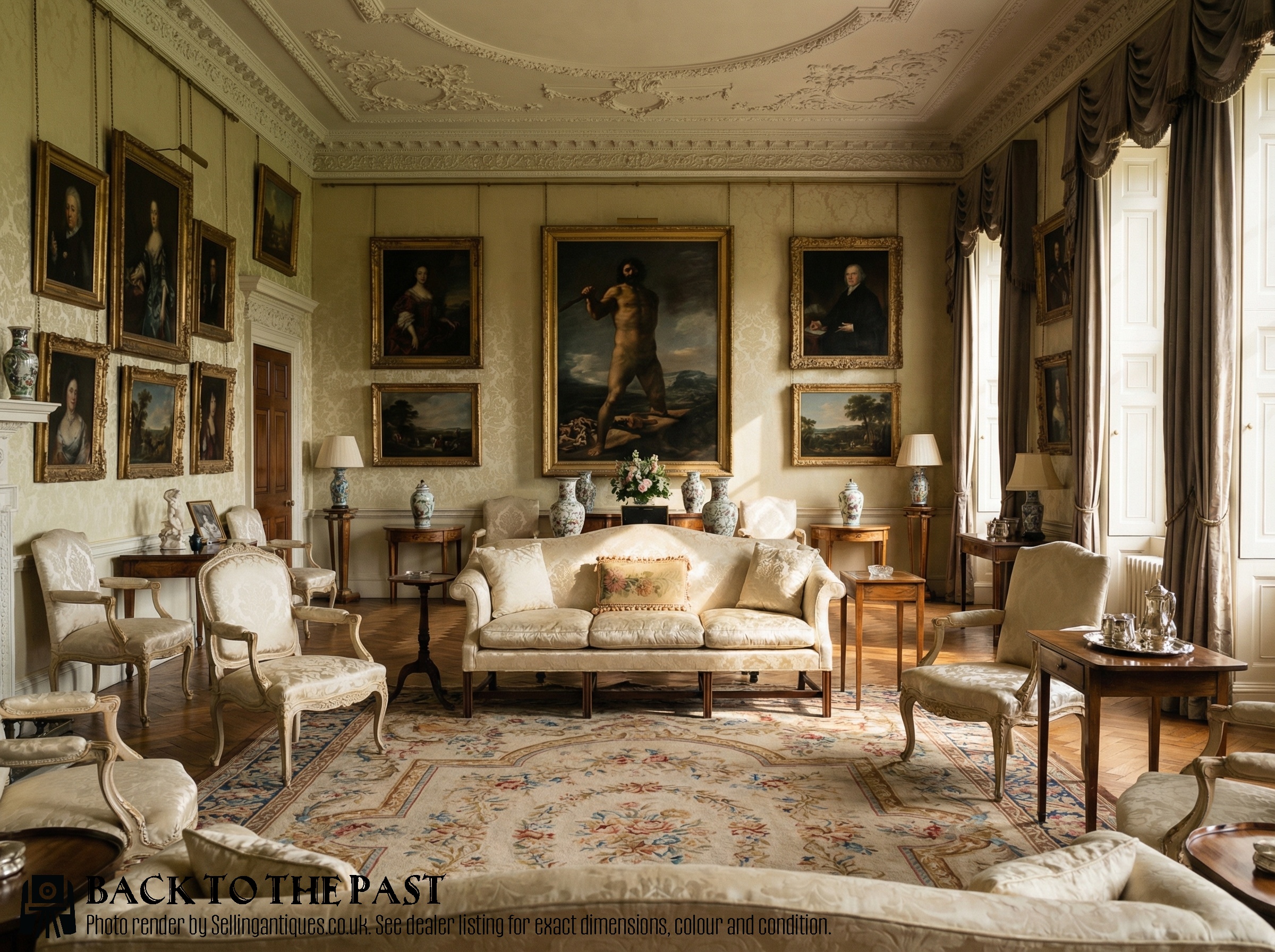
Vintage Floral Throw Cushion
A vintage floral throw cushion brings historical textile fragments and antique woven panels into domestic seating arrangements. Buyers exploring this category will frequently encounter items fashioned from French silk, wool, and linen materials.
The selections span distinct historical periods including the seventeenth century, eighteenth century, and nineteenth century. Pieces often incorporate antique Aubusson fragments or Flemish tapestry borders.
Edwardian interpretations also appear, pairing older Belgian linen backs with fresh feather inners. These diverse origins provide numerous ways to introduce historic botanical designs into interiors.
How they were made
Construction relies upon traditional textile techniques where tapestry panels and silk brocade sections are repurposed as cushion covers. Skilled hands assemble these fragile historical fragments using durable cotton and linen backing fabrics.
Interior padding is typically provided by feather inners, ensuring the finished object maintains both structural volume and traditional softness. Fabric fringe details occasionally complete the edge finishing of these textile works.
Current listings span from the seventeenth century through to the Edwardian era, incorporating wool, silk, cotton, and linen.
What varies in quality
Quality rests principally upon the age and provenance of the textile fragments utilised in the construction. Pieces incorporating seventeenth-century Flemish tapestry or detailed Aubusson weaves demonstrate superior artistic execution compared to later interpretations.
The integrity of the original silk, wool, and linen threads dictates the overall calibre of the item. Finer density in the weave and better preservation of botanical colours elevate certain examples above standard decorative covers.
The Vintage Floral Throw Cushion Glossary
- Aubusson
- A style of tapestry woven in the French town of Aubusson, frequently featuring pastoral or floral designs. These historical panels are often repurposed into decorative cushion covers.
- Flemish tapestry
- A style of heavy decorative weaving originating from Flanders, known for intricate historical and botanical imagery. Surviving borders from these large works are occasionally turned into cushion faces.
- Silk brocade
- A class of richly decorative shuttle-woven fabrics, often made with coloured silk threads. This material provides a lustrous ground for floral patterns.
- Feather inner
- The soft interior filling enclosed within the textile cover. Traditional versions utilise natural feathers to provide support and volume.
Vintage Floral Throw Cushion: Frequently Asked Questions
Are these covers made from original fabrics?
Many examples incorporate genuine period fragments, such as eighteenth-century French silk or nineteenth-century Aubusson panels. These older textiles are typically mounted onto supportive modern or period backing materials.
Makers often combine antique faces with new feather inners or linen backs for practical everyday use. Examining the weave density helps determine the age of the constituent textile.
How do I date an old cushion?
Dating relies upon identifying the stylistic characteristics of the woven textile and the materials used for the backing. Seventeenth-century Flemish work differs visibly in palette and technique from nineteenth-century Aubusson production.
Examining the stitching methods and secondary fabrics provides further clues regarding whether the piece is Edwardian or earlier. Comparing the floral motifs to known historical textile designs confirms the era.
Can I use these on everyday furniture?
These decorative items suit gentle placement on drawing room chairs or formal sofas. Silk and antique wool require protection from heavy daily friction and direct sunlight.
Rotating the position of the cushion reduces uneven wear on delicate floral motifs. Proper placement preserves the structural integrity of historical fabrics over time.