



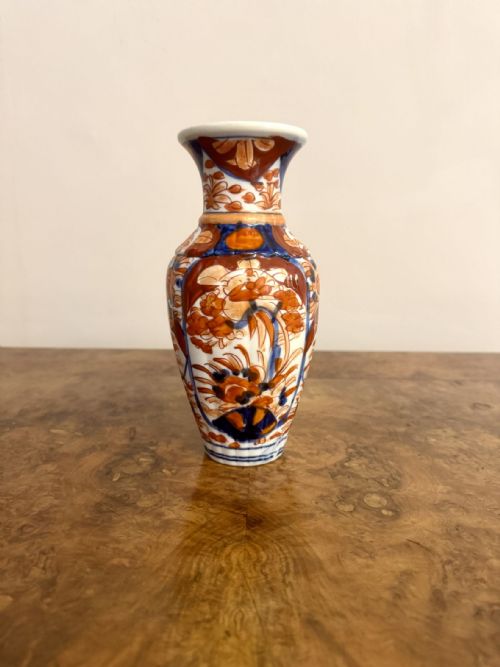



Vintage Floral Porcelain Jar
A vintage floral porcelain jar brings hand-painted botanicals and classic ceramic forms into a room, offering both practical storage and decorative charm.
Vintage Floral Porcelain Jar
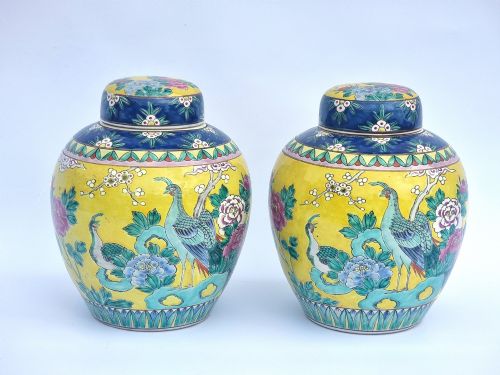
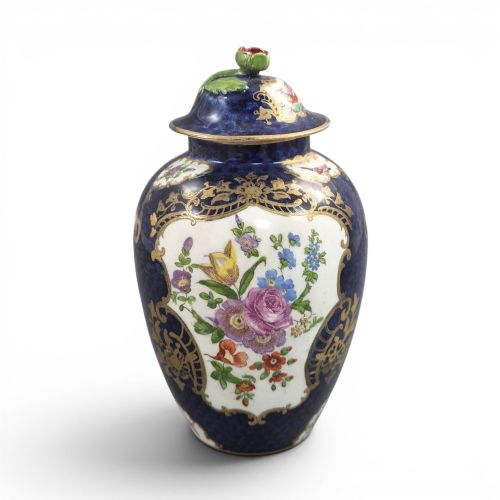
A vintage floral porcelain jar encompasses a range of covered vessels, ginger jars, and biscuit barrels created across the nineteenth and twentieth centuries. These pieces reflect diverse aesthetics, from Victorian English earthenware to Japanese Imari and Chinese porcelain traditions.
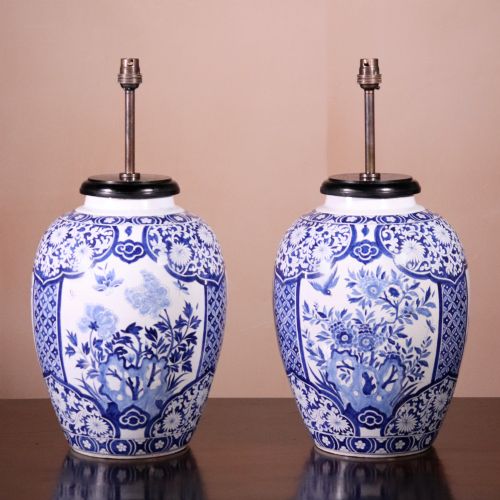
Buyers searching for a vintage floral porcelain jar will encounter traditional blue and white patterns, polychrome enamels, and blush ivory finishes. Each item bridges utilitarian origins with ornamental display.
Materials and production techniques
Potters shaped these vessels from porcelain, ceramic, and earthenware, applying slip and glaze to create smooth surfaces ready for decoration. Gold leaf and enamel accents frequently highlight the hand-painted floral designs across the body.
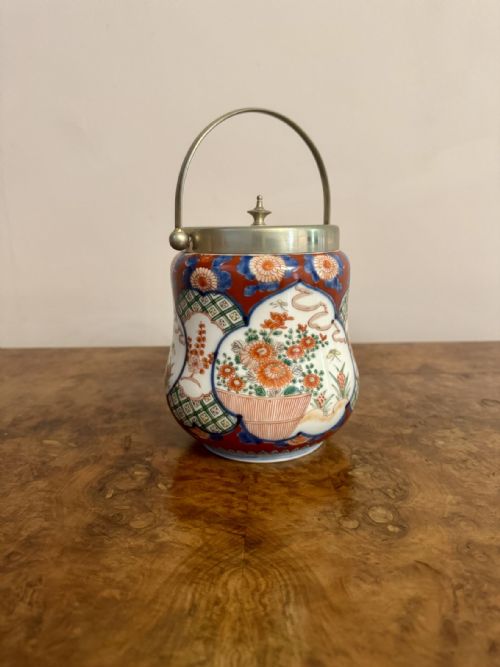
Lidded jars and biscuit barrels often incorporate silver plate or brass mounts, adding functional hardware to the ceramic body. Kiln firing fixed the underglaze blues and overglaze enamel colours permanently into the material.
Vintage Floral Porcelain Jar Retail Price Guide 2026
Typical asking prices for vintage floral porcelain jar among the pieces listed under this phrase on Sellingantiques today, from the lower quarter to the upper quarter. They describe what is for sale here now, not the wider market.
Listings feature ceramics from the Victorian era up through the Art Deco period and the twentieth century.
Distinctions in craftsmanship and design
Quality rests in the execution of the hand-painted brushwork and the clarity of the glaze across the ceramic body. Finer examples display precise control over polychrome enamels and consistent application of gold leaf detailing.
The integration of metal mounts, such as silver plate on biscuit barrels or brass fittings on lamp conversions, indicates the standard of manufacture. Well-preserved marks from established makers further distinguish finer pieces from anonymous utilitarian wares.
Booths Silicon China·Crown Devon·Carlton Ware·Losol·Herend·Royal Doulton·Royal Winton·Royal Worcester
The Vintage Floral Porcelain Jar Glossary
- Biscuit barrel
- A covered ceramic container originally used for serving dry biscuits at the dining table. These pieces often feature metal lids and swing handles.
- Ginger jar
- A high-shouldered ceramic vessel with a domed cover, historically used for transporting spices. Later examples serve purely decorative or storage functions.
- Imari
- A style of Japanese porcelain decorated in underglaze blue, iron red, and gold. This aesthetic heavily influenced European ceramic production.
- Flow blue
- A nineteenth-century transfer printing technique where the cobalt blue pigment blurred during firing. This created a soft, hazy effect on the white ceramic surface.
- Blush ivory
- A porcelain finish developed by Royal Worcester featuring soft cream tones combined with pink and gold floral decoration. It gained popularity during the late Victorian era.
Vintage Floral Porcelain Jar: Frequently Asked Questions
What were biscuit barrels used for?
Biscuit barrels served as lidded containers on Victorian and Edwardian dining tables to keep dry biscuits fresh during tea service.
Their metal mounts and ceramic bodies allowed hosts to present baked goods directly to guests in an ornamental fashion.
Can these jars be used for food storage?
Many lidded jars and ginger jars were originally manufactured to hold dry goods or preserves in domestic spaces.
Glazed ceramic interiors make them suitable for modern storage, though antique metal hardware requires careful cleaning.
What is blush ivory porcelain?
Blush ivory refers to a specialised matte ceramic finish developed by potteries like Royal Worcester in the late nineteenth century.
It combines a warm cream background with delicate pink and gold floral motifs.