




Orange Floral Ceramic Jar
An orange floral ceramic jar brings vibrant pattern and rich hand-painted colour into a room, drawing the eye instantly.
Orange Floral Ceramic Jar
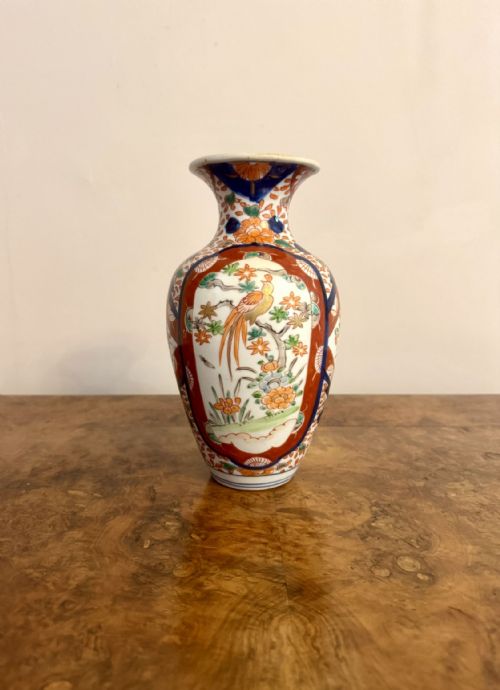
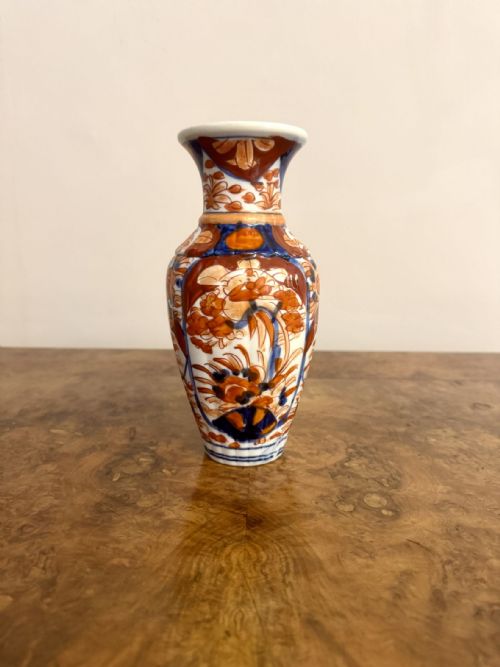
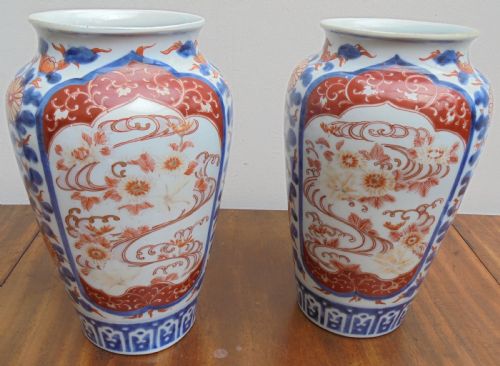
When you search for an orange floral ceramic jar, you encounter vessels created across the nineteenth and twentieth centuries, spanning periods from the eighteenth century to the Art Deco era. The majority of pieces meeting this search are Japanese Imari porcelain vases and ginger jars originating from the Meiji period and late nineteenth century.
These forms vary from covered ginger jars and double gourd vases to large lidded display pieces and converted table lamps. Alongside Asian export wares, listings include Dutch Delft vessels, Victorian items, and hand-painted earthenware from British potteries like Royal Winton.
The characteristic palette relies heavily on iron red and orange tones set against cobalt blue and white grounds, often enriched with gilt details. Buyers find both single statement vessels and matched pairs suited to traditional and eclectic interiors.
How they were made
Potters shaped these vessels from ceramic bodies including porcelain, earthenware, and ironstone, throwing or moulding them into ginger jars, gourds, and tall vases. Some forms received brass fittings or wiring when adapted later for domestic lighting.
Makers applied intricate hand-painted designs using underglaze cobalt blue combined with overglaze enamels in orange, red, and other hues. Many examples received supplementary touches of gold leaf to highlight floral motifs and geometric borders before final firing.
Orange Floral Ceramic Jar Retail Price Guide 2026
Typical asking prices for orange floral ceramic jar among the pieces listed under this phrase on Sellingantiques today, from the lower quarter to the upper quarter. They describe what is for sale here now, not the wider market.
Listings span the eighteenth, nineteenth, and twentieth centuries, incorporating porcelain, earthenware, ironstone, and brass.
What varies in quality
The standard of painting defines the division between ordinary production and finer examples. Precision in brushwork, particularly within complex floral panels and diaper borders, reveals the hand of a skilled decorator.
The preservation of overglaze enamel and gold leaf determines visual impact. Firing stability also matters, as does the crispness of moulded detail on bodies ranging from delicate porcelain to heavier ironstone and earthenware.
The Orange Floral Ceramic Jar Glossary
- Imari
- A style of Japanese export porcelain originating from Arita, traditionally decorated in underglaze blue, iron red, and gold. This palette dominates the orange floral aesthetic found in nineteenth-century pieces.
- Meiji Period
- The era in Japanese history spanning from 1868 to 1912, noted for prolific production of export ceramics destined for Western markets. Many large lidded vases and ginger jars date from this timeframe.
- Double Gourd
- A vessel shape resembling two stacked spheres, creating a waisted silhouette associated with auspicious symbolism in Asian ceramics. It appears frequently among nineteenth-century Imari pairs.
- Ginger Jar
- A wide-shouldered ceramic container originally designed for storing spices, later fitted with matching lids for decorative display in European and American interiors.
- Ironstone
- A type of durable heavy earthenware developed in the nineteenth century to imitate porcelain while offering greater resistance to daily wear.
Orange Floral Ceramic Jar: Frequently Asked Questions
What is an Imari jar?
An Imari jar is a porcelain vessel decorated in a distinctive palette of iron red, cobalt blue, and gold, originating from the Arita region of Japan. These pieces were heavily exported to Europe during the nineteenth century.
They frequently feature floral and panel designs, serving as decorative mantel or table centrepieces in period interiors.
How do I date an antique jar?
Dating relies on examining the ceramic body, glaze characteristics, and the style of hand painting. Nineteenth-century pieces often display specific potting marks, crazing patterns, and enamel wear consistent with age.
Comparing the baseline forms against documented periods like the Meiji era helps narrow down the decade of production.
Were these jars used for storage?
While original ginger jars served to transport and store spices or preserves, many large lidded examples were created purely for decorative display. Over time, their function shifted entirely toward interior ornamentation.
Some later specimens were also adapted into table lamps for domestic lighting.
How do I clean a ceramic jar?
Dust ceramic and porcelain surfaces gently with a soft, dry brush or cloth. Avoid immersing antique pieces with overglaze enamels or gold leaf in water, as moisture can damage delicate pigments.
Professional restoration advice should be sought for valuable or structurally vulnerable items.