

Vintage Floral Light
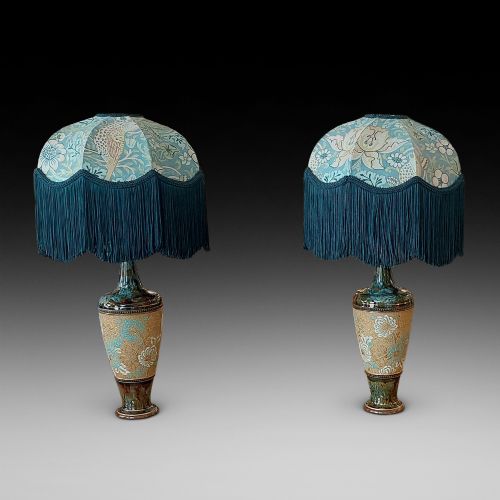
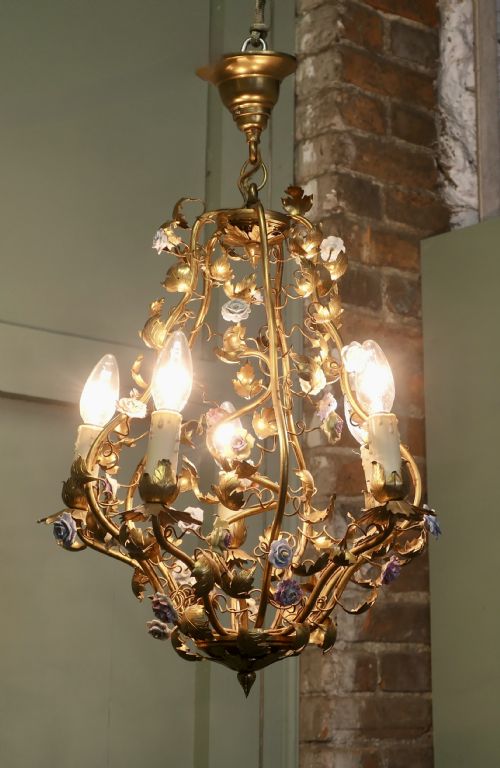
These vintage floral light pieces bring botanical detail and period illumination into rooms, ranging from hand-painted ceramic shades to gilded brass chandeliers.
Vintage Floral Light
A vintage floral light spans practical home illumination and decorative botanical forms, appearing most often as table lamps, chandeliers, and wall sconces created across the Victorian, Edwardian, and early twentieth-century periods.
Originating from English, French, Italian, and Indian workshops, these lighting fixtures combine functional wiring or oil burning with floral motifs.
Materials and construction
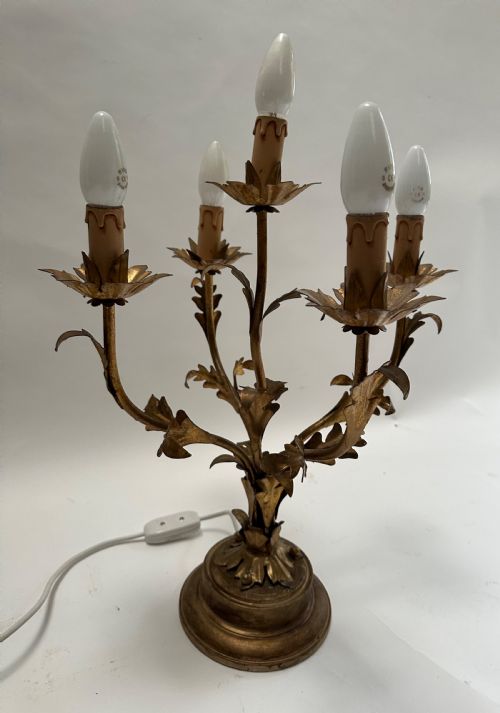
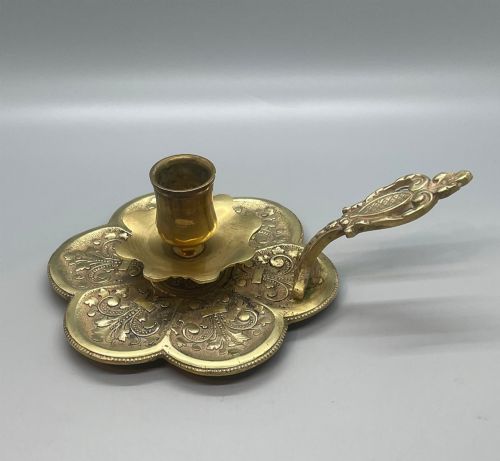
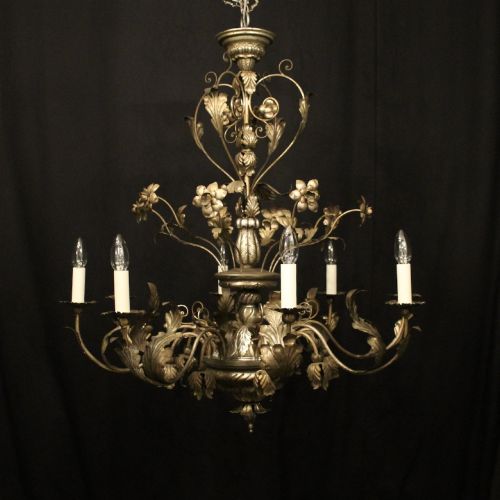
Brass, bronze, and wrought iron form the structural skeletons of these fittings, shaped into branch-like arms and candleholders.
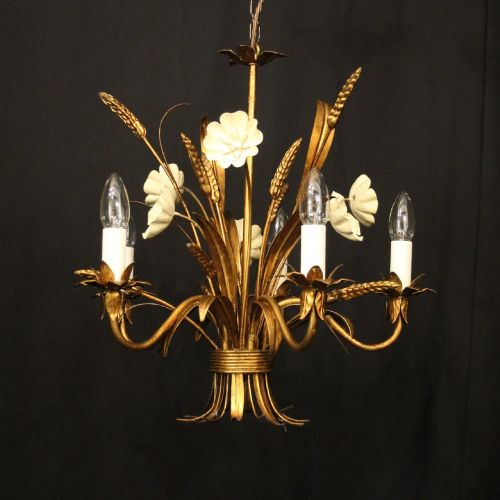
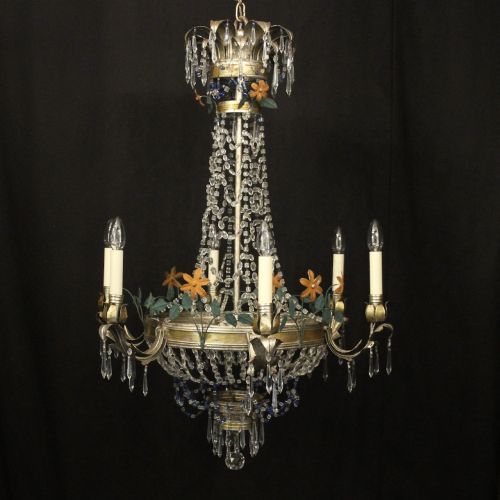
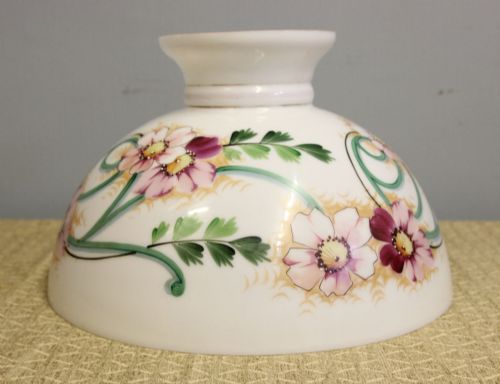
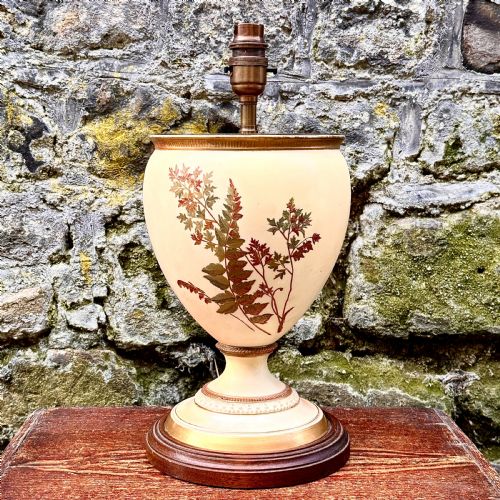
Glass, porcelain, and toleware provide the decorative floral surfaces, painted by hand with botanical patterns or moulded into petal shapes.
Makers utilised gilt finishes, silvering, and enamel to add colour and texture to the metalwork.
Vintage Floral Light Retail Price Guide 2026
Typical asking prices for vintage floral light among the pieces listed under this phrase on Sellingantiques today, from the lower quarter to the upper quarter. They describe what is for sale here now, not the wider market.
Listings feature lighting from the Victorian, Edwardian, and Art Deco periods, utilising brass, glass, porcelain, and wrought iron.
Assessing quality in botanical lighting
The standard of hand-painting on porcelain and toleware separates ordinary production from finer studio pieces.
Metalwork execution dictates value, seen in the crispness of chased brass and the weight of cast bronze components.
Integration of materials, such as the mounting of glass shades onto metal frames, defines the construction standard.
Royal Doulton·Royal Worcester·Sitzendorf·Meissen
The Vintage Floral Light Glossary
- Toleware
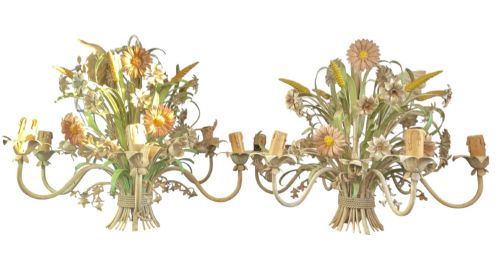
- Painted tin or sheet metal used for decorative objects and lighting fixtures. It often displays floral motifs in polychrome enamel.
- Chandelier
- A branched ceiling-mounted lighting fixture designed to hold multiple bulbs or candles. Many examples incorporate crystal drops or floral ceramic elements.
- Oil lamp
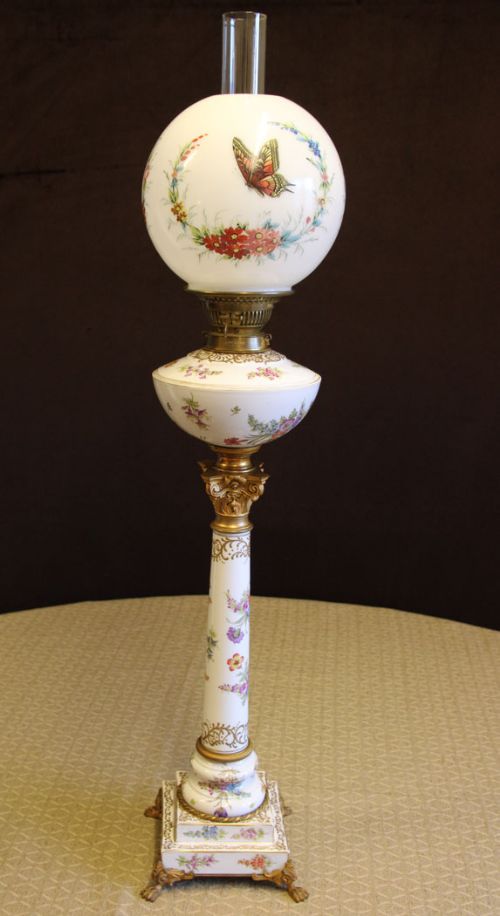
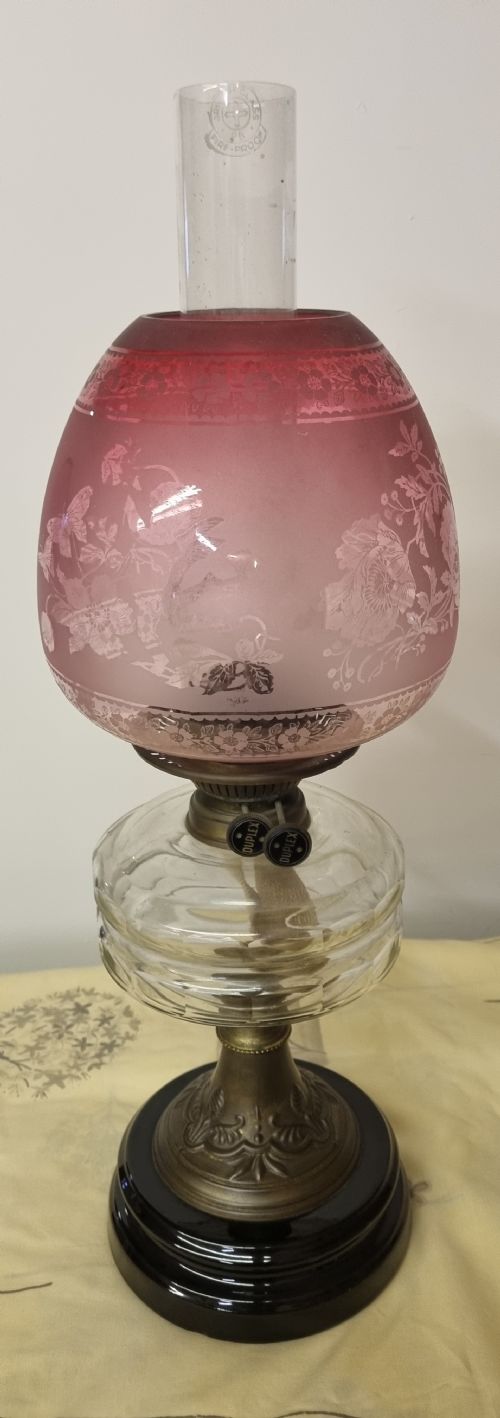
- A lighting device that burns liquid fuel via a wick, frequently fitted with decorative glass fonts and shades. These are often converted to electricity for modern use.
- Sconce
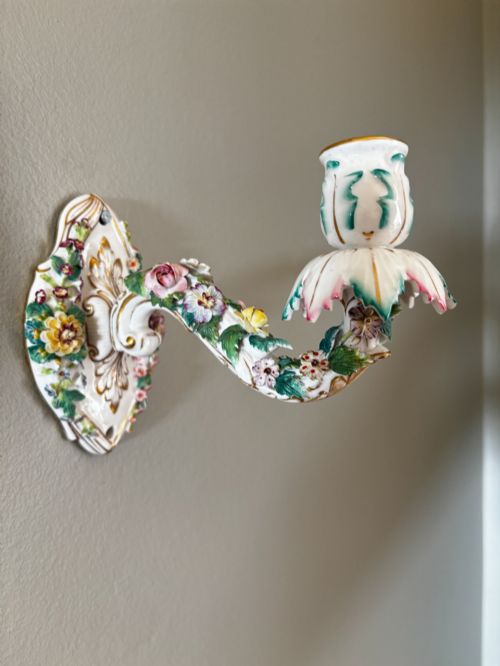
- A wall-mounted lighting fixture attached by a bracket. They commonly display candleholders or arms decorated with botanical metalwork.
- Cloisonné
- An ancient technique for decorating metalwork objects with coloured material held in place by thin metal strips. It frequently appears on vases adapted into lamps.
Vintage Floral Light: Frequently Asked Questions
How do I safely wire an antique oil lamp?
Most table lamps and oil lamps from the Victorian and Edwardian eras require professional rewiring to meet modern electrical safety standards. A qualified electrician can route a cord through the existing body without altering the external antique metal or ceramic components.
Fittings should be tested for insulation and stability before daily use in a home. Modern plugs and inline switches are typically added while preserving the historic base.
How should I clean painted glass and toleware?
Painted glass shades and toleware components require gentle dusting with a soft dry cloth rather than immersion in water. Moisture can damage delicate polychrome enamel and hand-painted botanical details.
If cleaning is necessary, a damp cloth with mild soap should be used sparingly on robust ceramic parts only. Avoid abrasive cleaners on all gilded and painted surfaces.
How do I date a brass chandelier?
Dating a brass lighting fixture involves examining the casting method, screw threads, and wiring channels. Pieces from the nineteenth century often feature hand-cut threads and heavy cast components.
Stylistic cues such as Art Nouveau curves or Victorian floral motifs help narrow the manufacturing decade. Comparing the construction to documented workshop pieces confirms the period.
Can ceiling lights be hung on modern ceilings?
Antique chandeliers and ceiling lights often weigh considerably more than contemporary light fixtures. Securing them requires fixing directly into ceiling joists or installing a heavy-duty mounting bracket.
Professional installation ensures the weight of the bronze, brass, and glass elements is supported safely. Height adjustments should be planned before final mounting.