


Vintage Floral Lapel Pin
These vintage floral lapel pin pieces are delicate wearable gardens crafted from precious metals and gemstones, offering a touch of historic charm for daily tailoring.
Vintage Floral Lapel Pin
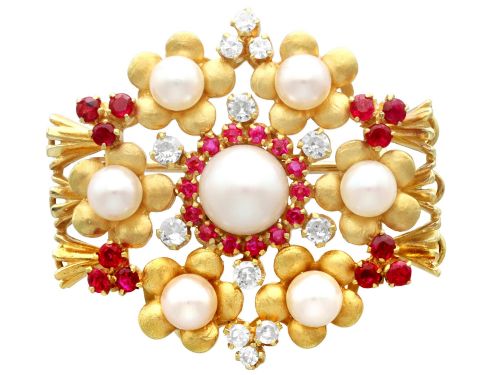
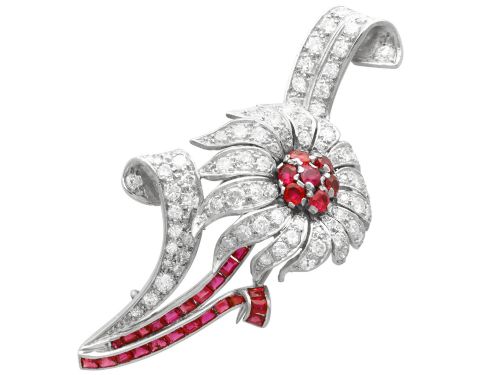
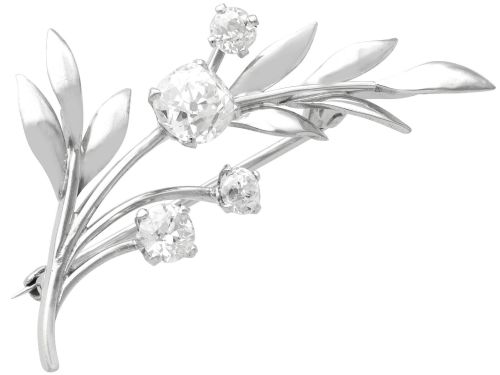
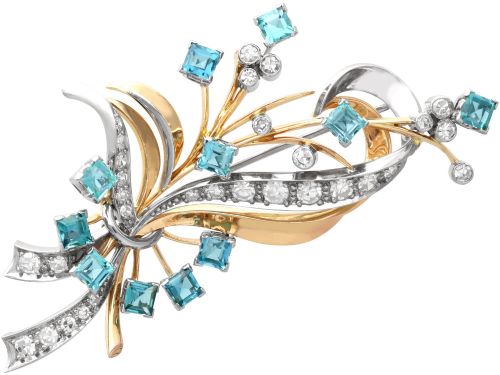
When you search for a vintage floral lapel pin, you are looking at small botanical dress ornaments that fasten to lapels, collars, and hats. These accessories take the form of brooches, stick pins, and pins spanning the Victorian, Edwardian, Art Nouveau, and Mid-Century periods.
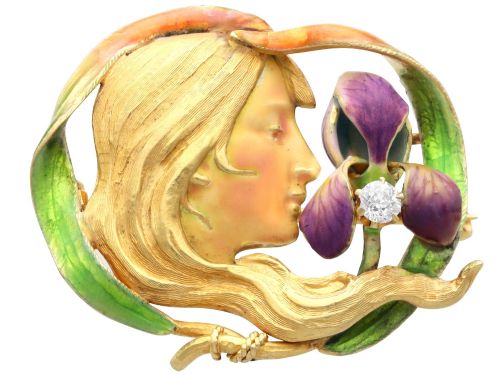
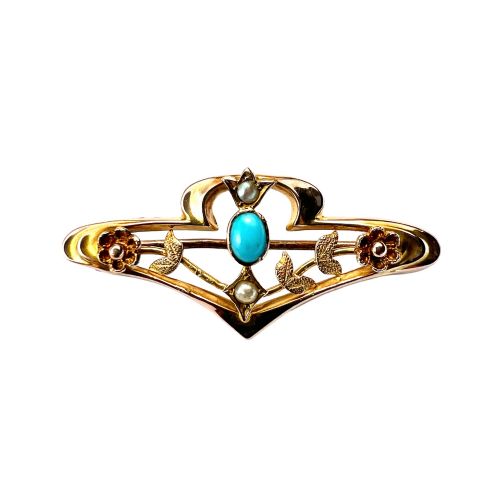
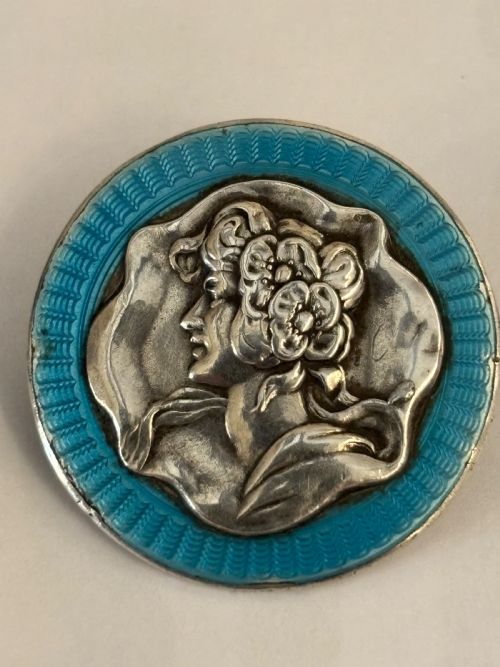
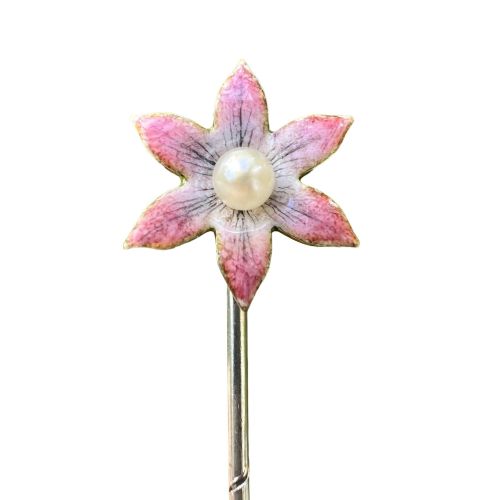
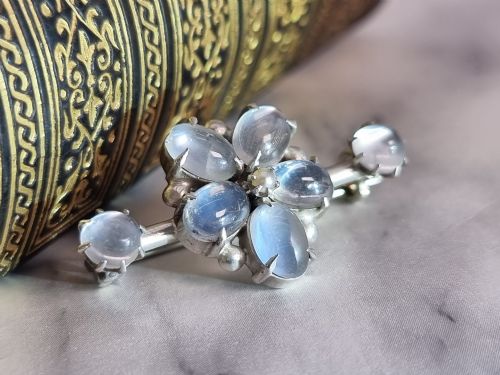
The versions you are most likely to meet on this page are Edwardian and Victorian floral designs rendered in silver or gold. Many examples feature delicate enamel petals paired with pearls, turquoise, and moonstones to mimic natural flora.
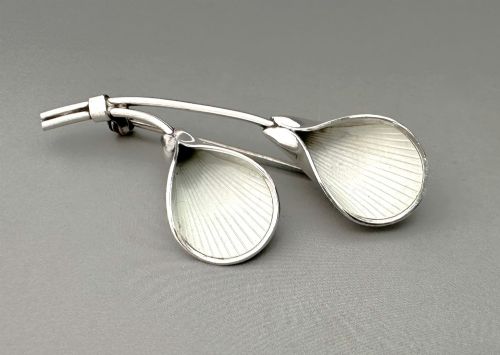
Makers across the decades interpreted flowers through distinct aesthetic lenses, moving from the organic whiplash lines of Art Nouveau to the clean geometry of Mid-Century Scandinavian modernism. Each piece captures a specific historical moment through botanical ornamentation.
How they were made
Goldsmiths and silversmiths shaped precious metals including 9ct gold, 18ct yellow gold, and silver to form the stems and settings of these floral pieces. Skilled artisans then set stones such as diamonds, sapphires, amethysts, turquoise, and moonstones into the metalwork.
Enamelling techniques played a central role in creating realistic or stylised petals, with guilloche and plique-a-jour methods allowing light to pass through coloured glass. This translucent enamel work required immense precision to fuse glass to metal without distortion.
Early twentieth-century makers occasionally hid tiny enamelled ladybirds among the flower petals of their silver brooches.
What varies in quality
The distinction between standard examples and superior pieces rests on the complexity of the metalwork and the handling of the enamel. Master jewellers achieved lifelike gradation in coloured enamel and seamless integration of gemstones into delicate floral motifs.
Superior quality shows in the depth and clarity of translucent enamel and the secure, hand-beaded setting of small pearls and diamonds. Lesser examples rely on simpler stamped metal forms with plain settings and minimal hand-finishing.
The Vintage Floral Lapel Pin Glossary
- Guilloche enamel
- A decorative technique where an engine turns a precise geometric pattern onto metal before applying transparent enamel over the top. This allows the underlying engraving to catch the light through the coloured glass.
- Plique-a-jour
- An enamelling technique resembling miniature stained glass, where enamel is applied within a wire framework with no backing. The result is a translucent panel that glows when held to the light.
- Stick pin
- A long pin topped with a decorative motif, originally designed to secure neckties or lapels in place. The long shaft is held securely by a small matching cap at the back.
- Silver gilt
- Silver that has been coated with a thin layer of gold through fire gilding or electroplating. This gives the object the warm tone of gold while utilising a silver base.
- Essex crystal
- A technique where rock crystal is carved into a dome and painted on the flat reverse side to create a three-dimensional optical illusion. Common subjects include animals and flowers viewed through the magnifying lens of the quartz.
Vintage Floral Lapel Pin: Frequently Asked Questions
How do I wear a vintage lapel pin?
These pieces pin directly through the fabric of jacket lapels, coat collars, or heavy knitwear using traditional pin stems or secure safety catches.
For stick pins, push the long shaft through the lapel fabric and secure the point with the provided cap behind the lapel to prevent loss.
How do I date an Edwardian floral pin?
Edwardian pieces often feature light platinum or white gold toppings on yellow gold bases, combined with soft pearls and turquoise set in delicate openwork frames.
Stylistic cues include symmetrical garland motifs and naturalistic flower baskets that reflect the tastes of the early twentieth century.
What is plique-a-jour enamel?
Plique-a-jour is a challenging glass-firing technique that leaves open cells of translucent enamel without a solid backing plate, similar to miniature stained glass.
This method is frequently found in high-quality Art Nouveau pieces where flower petals demand a delicate, light-filled appearance.
Are these pins made of solid gold?
Many examples are fashioned from solid 9ct or 18ct yellow gold, while others utilise sterling silver or silver gilt depending on the period and origin.
Descriptions specify the exact metal content used in the construction of each individual brooch or pin.