









Vintage Floor Vessel
A vintage floor vessel brings striking scale to a room, standing on stone or timber as a bold anchor for a corner.
Vintage Floor Vessel
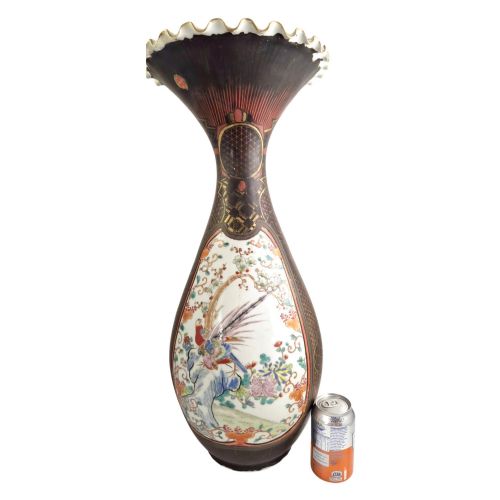
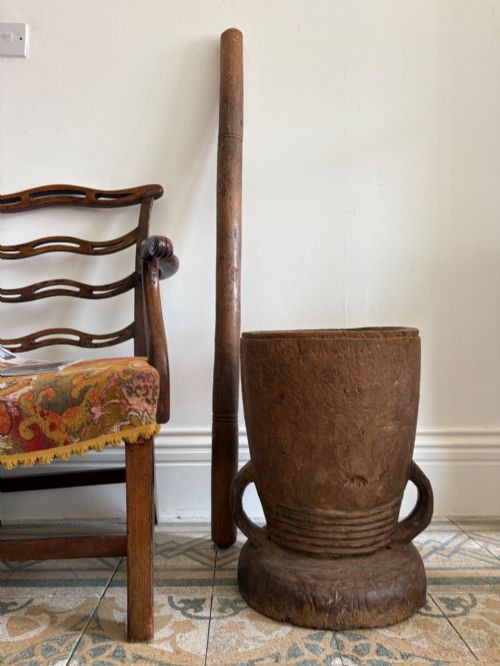
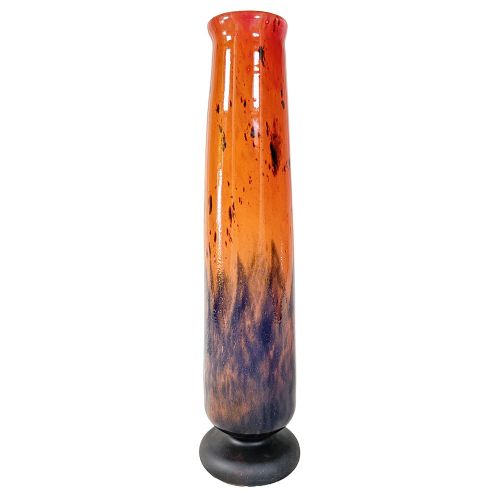
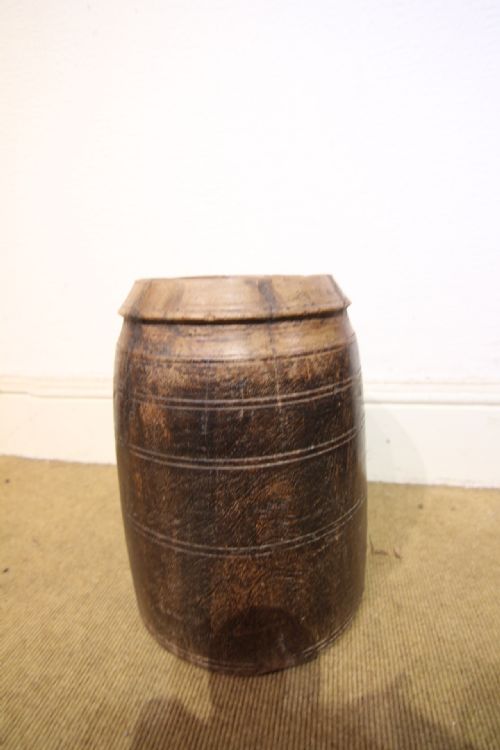
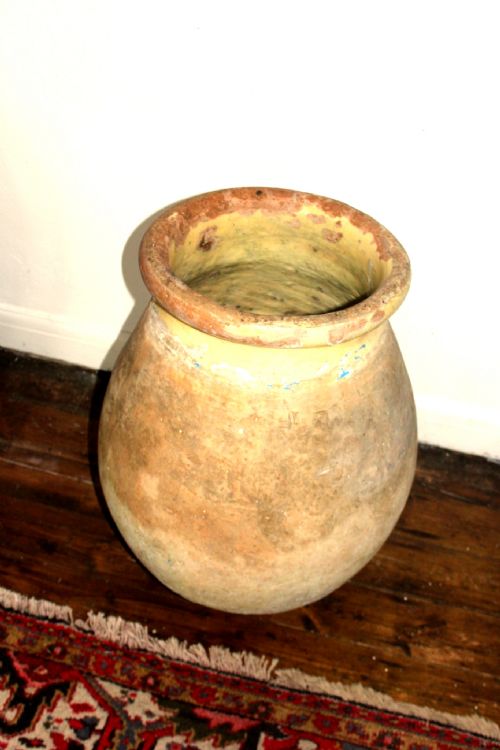
A vintage floor vessel is a large-scale utilitarian or decorative container designed to stand directly upon the ground rather than upon a table or shelf. When you search for a vintage floor vessel, you encounter substantial forms ranging from French terracotta pots and Chinese vases to carved wooden mortars and heavy copper pitchers.
The versions most likely to meet you on this page span the nineteenth and twentieth centuries, taking the shape of tall glazed or unglazed jars, jardiniers, carboys, and metal ewers. These pieces originate from diverse traditions including French Country, Art Deco, African Tribal, and Asian Revival aesthetics.
Each object occupies significant physical presence in a space, utilising its height and width to draw the eye downward. Their surfaces show the marks of age, trade, and regional manufacture across different periods.
How they were made
Makers shaped these large containers using traditional methods suited to heavy materials such as terracotta, brass, copper, and turned hardwood. Earthenware jars were thrown or coiled and fired in large kilns, developing natural glaze finishes and aged patinas over decades.
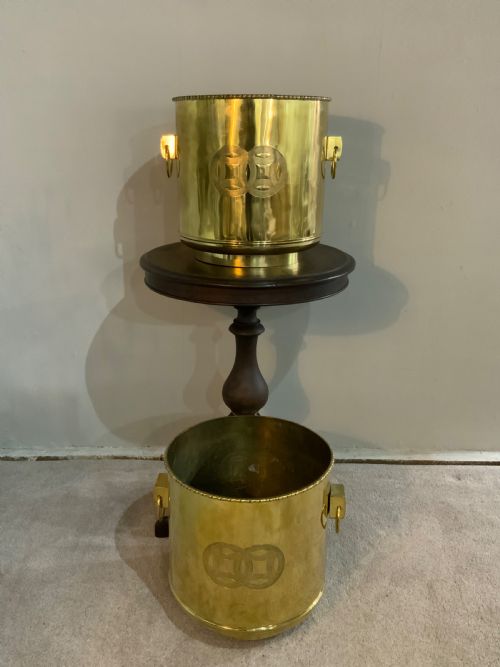
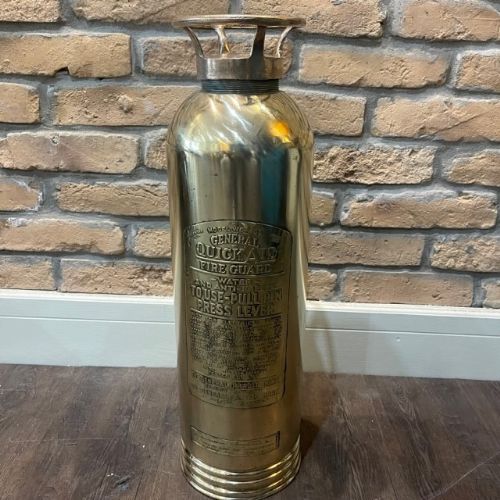
Metal vessels like jardiniere planters and pitchers involved heavy casting, beating, and riveting of brass and copper sheets to achieve rigid, watertight forms. Wooden examples, including tree trunks and churns, were hand carved or turned on large lathes from dense timber.
Vintage Floor Vessel Retail Price Guide 2026
Typical asking prices for vintage floor vessel among the pieces listed under this phrase on Sellingantiques today, from the lower quarter to the upper quarter. They describe what is for sale here now, not the wider market.
Some heavy metal vessels began life putting out fires before retiring to corners as decorative ornaments.
What varies in quality
Quality in a large floor vessel rests upon the integrity of the material and the balance of its proportions at scale. Pieces that maintain structural stability despite heavy weight and decades of exposure demonstrate superior initial craftsmanship.
The depth and authenticity of surface patination distinguish exceptional examples from simpler decorative items. Surface wear accumulated through genuine utility enhances the visual weight of terracotta, metal, and wood.
The Vintage Floor Vessel Glossary
- Jardiniere
- A large ornamental pot or stand for holding plants or flowers. These vessels often sit directly on the floor and are made from brass, ceramic, or porcelain.
- Carboy
- A large glass or plastic bottle with a narrow neck, typically protected in a basketwork or crate. In a domestic interior, they function as translucent floor vessels catching the light.
- Patina
- The surface appearance altered by age, wear, and exposure to the elements. On terracotta and copper, it shows the history of the object.
- Terracotta
- Unglazed or glazed fired clay of a brownish-red colour. It forms the body of many traditional Mediterranean storage jars and garden vessels.
Vintage Floor Vessel: Frequently Asked Questions
Where should I place a floor vessel?
These large objects sit best in empty corners, beside fireplaces, or anchoring wide hallways where their scale creates a focal point.
Ensure they rest on stable, level flooring to support their considerable weight and prevent tipping.
Can I use these vessels for real plants?
Many ceramic and metal pieces serve well as planters, provided you check the interior for water resistance and drainage.
Use a plastic liner inside older wooden or porous terracotta containers to protect the original material from moisture damage.
How do I clean an aged metal vessel?
Dust the surface regularly with a soft dry cloth to preserve the accumulated patina and character.
Avoid harsh chemical polishes that strip away historical wear and alter the natural tone of the brass or copper.
How do I identify the period of a jar?
Examine the formation marks, weight of the material, and consistency of the glaze or surface finish.
Manufacturing techniques such as hand-carving or early machine-turning offer clues to the decade of origin.