





Vintage Floor Easel
These vintage floor easel examples provide a sturdy and adjustable stage for displaying canvases and folios.
Vintage Floor Easel
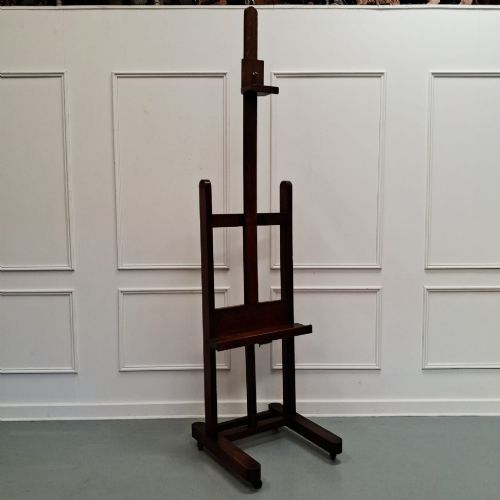
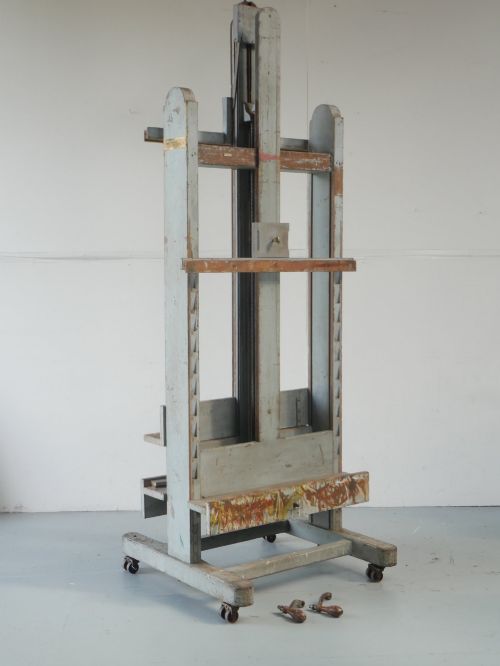
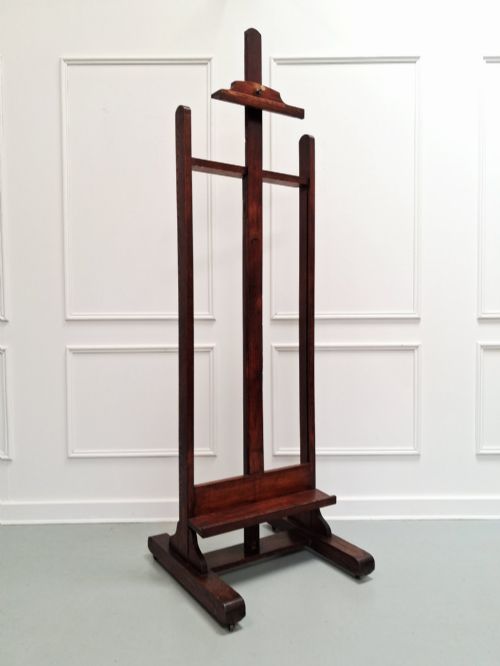
A vintage floor easel serves primarily to hold canvases or books while in use or on display in a studio or room. Buyers searching for a vintage floor easel find large studio models alongside smaller display pieces.
The selection here includes Victorian and Edwardian examples, alongside pieces from the nineteen-thirties and the late nineteenth century. Oak and mahogany appear frequently as the primary woods for these stands.
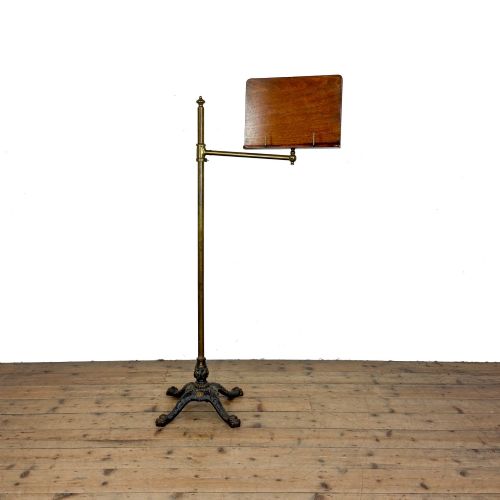
Forms extend beyond simple painting stands to encompass reading stands, music stands, and double-sided gallery displays. French and English origins predominate among the recorded pieces.
Materials and construction
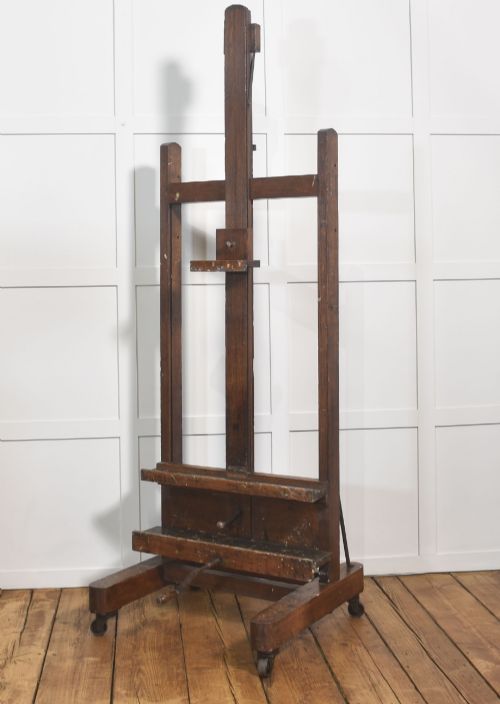
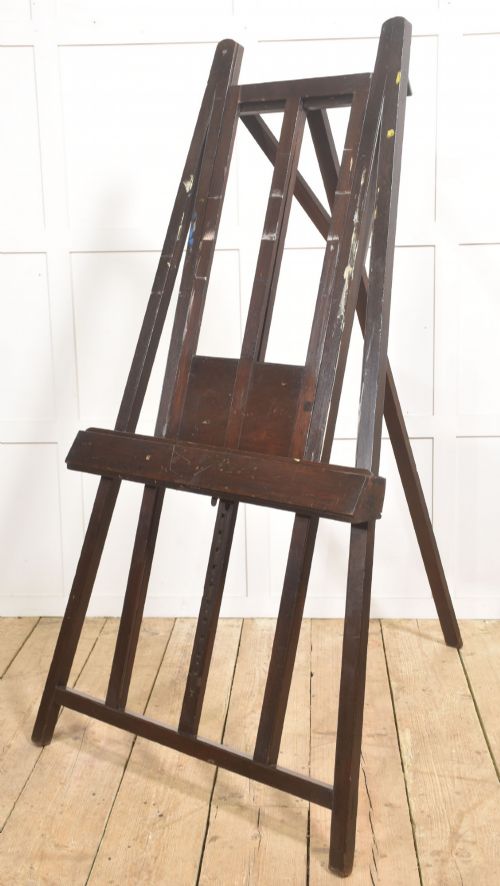
Makers utilised solid timbers such as oak and mahogany, often shaping them into heavy-duty frames capable of supporting large canvases. Ebonised wood, pitch pine, and walnut also appear in the construction of these stands.
Functional metal mechanisms allow for height adjustments and tilting angles on the studio examples. Brass fittings and cast iron components provide durability and strength to the moving parts.
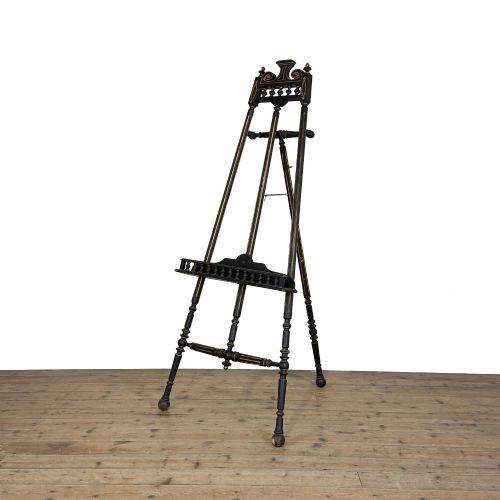
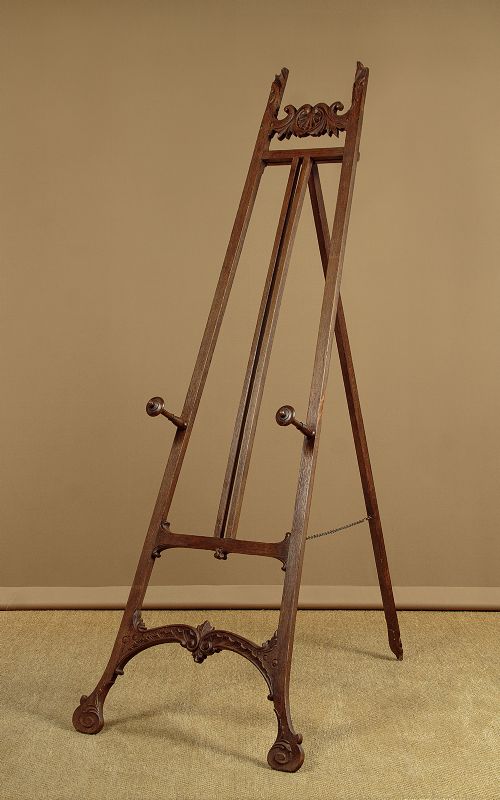
Decorative details include carved wooden elements, ivory inlay, and gold leaf highlights on specific Aesthetic Movement and French pieces.
Vintage Floor Easel Retail Price Guide 2026
Typical asking prices for vintage floor easel among the pieces listed under this phrase on Sellingantiques today, from the lower quarter to the upper quarter. They describe what is for sale here now, not the wider market.
Factors of quality
The sophistication of the mechanical adjustment mechanism separates standard utilitarian stands from finer studio pieces. Fully adjustable frames with smooth operating screws and ratchets represent a higher standard of manufacture.
The choice of timber and the quality of cabinetwork dictate the overall finish of the object. Finely carved ornamentation and specialised materials like ebony veneer or ivory inlay elevate the piece beyond a basic workshop tool.
The Vintage Floor Easel Glossary
- Aesthetic Movement
- A late nineteenth-century design style focusing on visual beauty rather than narrative or moral themes. Pieces in this style often incorporate ebonised surfaces.
- Gallery easel
- A heavy display stand designed to exhibit finished paintings in a gallery or drawing room. These often feature double-sided viewing capabilities.
- Reading stand
- A piece of furniture designed to hold books at a readable angle, often adjustable in height. Some examples share mechanisms with standard floor easels.
- Studio easel
- A robust, large-scale stand built for artists to hold canvases during the painting process. They typically include heavy bases and complex winch or peg adjustment systems.
Vintage Floor Easel: Frequently Asked Questions
How do I adjust the height?
Most pieces utilise a system of wooden pegs, sliding brackets, or metal winding mechanisms to alter the shelf position.
Operating these parts requires releasing the tension on the main vertical column before sliding the carrier to the desired level.
Can these hold heavy canvases?
Large nineteenth-century studio models use heavy oak or mahogany frames designed to support substantial weight during painting.
Display-only or lighter decorative stands suit smaller works and lighter frames better than heavy oil paintings.
Where were these pieces made?
The recorded origins span English workshops and French studios, with occasional pieces from other European regions.
Regional preferences show up in the choice of woods, such as pitch pine or walnut, and the style of decorative carving.
How do I clean the wood?
Maintaining the finish involves dusting with a dry cloth and occasionally applying a suitable wax to nourish the timber.
Harsh chemical cleaners can damage antique polishes, particularly on ebonised or gilt surfaces.