





Vintage Flip Top Table
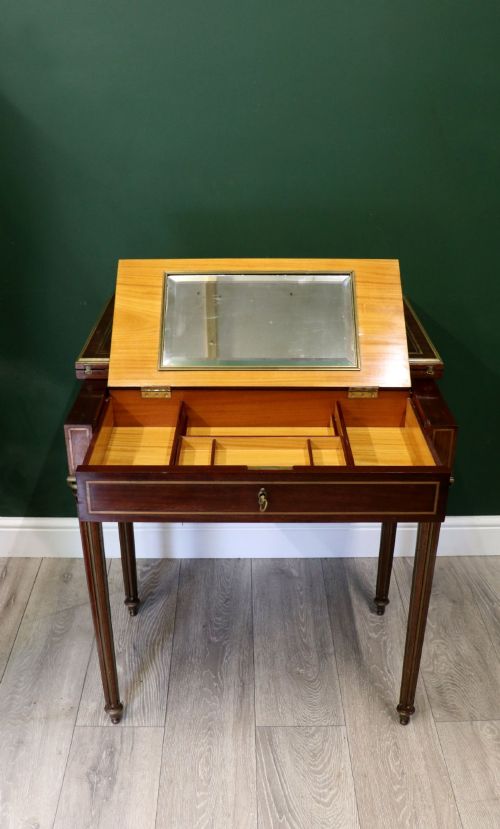
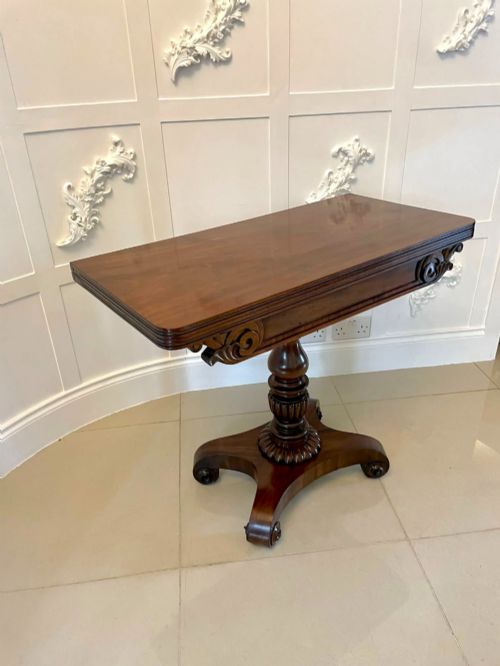
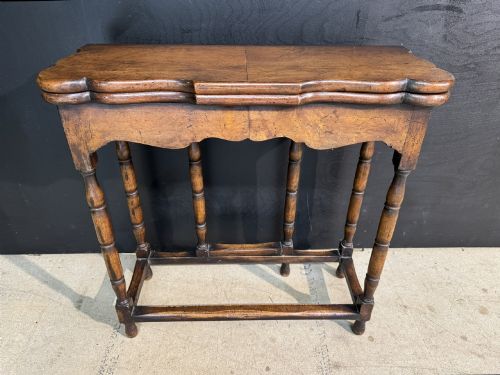
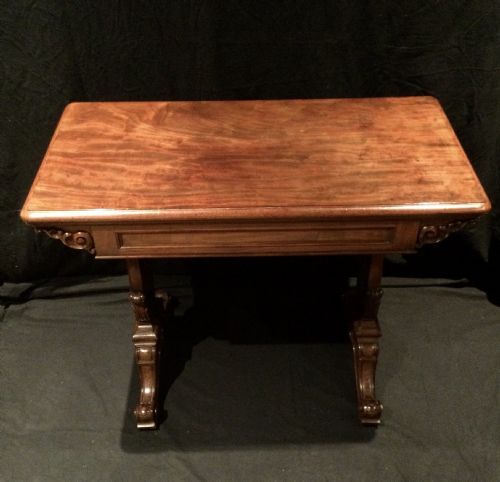
These vintage flip top table designs transform instantly from compact side stands into generous dining or gaming surfaces, bringing clever engineering and rich timber grain to any room.
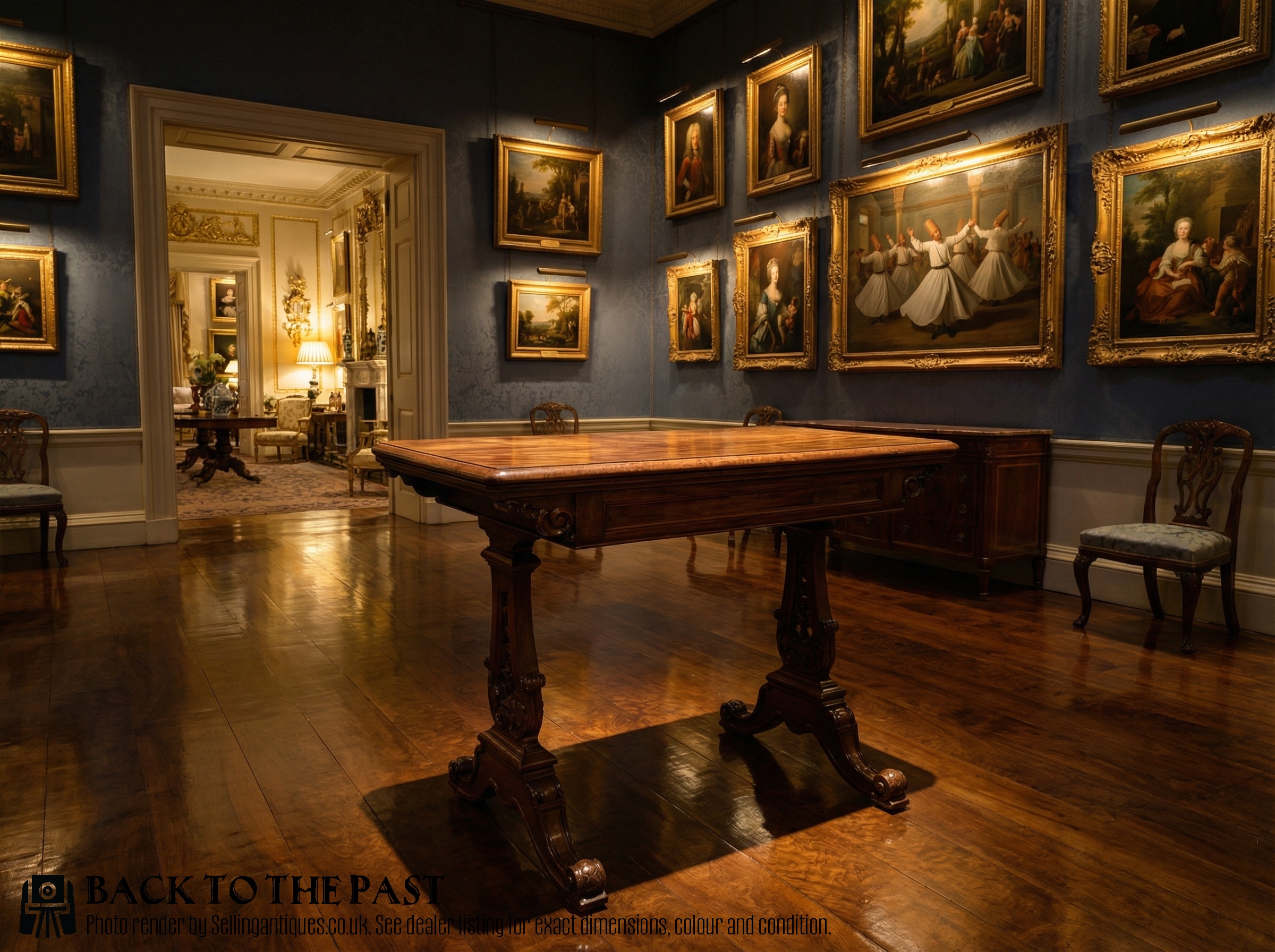
Vintage Flip Top Table
A vintage flip top table serves multiple domestic roles, pivoting between a modest console and a full surface for tea, card games, or dining. The pieces seen here span the eighteenth, nineteenth, and early twentieth centuries, reflecting changing social habits across several distinct eras.
Forms include card tables, tea tables, and games tables, alongside occasional and console variants. Walnut, mahogany, and oak dominate the selection, often finished with detailed boxwood inlay or figured wood veneers.
Makers and styles stretch from Georgian and Regency creations to Edwardian interpretations and later twentieth-century walnut pieces. Buyers meet diverse regional interpretations, from rustic farmhouse items to formal William IV designs.
Materials and construction
Cabinet makers relied heavily on solid hardwoods and decorative veneers, choosing mahogany, walnut, rosewood, and oak for durability and visual depth. Burr walnut and figured mahogany provide striking grain patterns across table tops.
Inlay work in contrasting boxwood adds geometric or floral detail to Edwardian and Georgian surfaces. Brass fittings often secure the folding mechanisms and interior compartments where cards or gaming pieces rested.
Hinged leaves and tilt-top mechanisms demand precise carpentry to ensure stability when open. Joinery techniques balance the weight of the pivoting top against slender tripod bases or pillar supports.
Vintage Flip Top Table Retail Price Guide 2026
Typical asking prices for vintage flip top table among the pieces listed under this phrase on Sellingantiques today, from the lower quarter to the upper quarter. They describe what is for sale here now, not the wider market.
Some Edwardian card tables hide secret pockets where Victorian players once stashed their winning sixpences.
Assessing quality and execution
Quality rests on the selection of timber veneers and the crispness of any boxwood inlay. Superior examples display continuous grain patterns across folded leaves and tight, clean joinery at the pivot points.
The sophistication of the mechanism distinguishes finer pieces, with dual-action actions and stable folding leaves operating smoothly. Heavier timber frames and well-balanced pillar or tripod supports ensure longevity during daily use.
Epstein and Co
The Vintage Flip Top Table Glossary
- Flip top table
- A table with a hinged or pivoting surface that doubles in area when opened out. These items function as compact consoles until expanded for dining or card games.
- Card table
- A specialist table designed for gaming, frequently lined with baize and featuring internal wells for counters. They fold against a wall when not in use.
- Tea table
- A small table designed to hold tea service equipment during the eighteenth and nineteenth centuries. Many feature fold-over tops to save domestic space.
- Tilt-top table
- A table featuring a mechanism that allows the surface to rotate vertically for storage against a wall. They often stand on a central tripod base.
- Inlay
- A decorative technique where contrasting materials like boxwood are set into recesses within the primary wood surface. This creates borders and geometric motifs.
Vintage Flip Top Table: Frequently Asked Questions
How do you use a flip top table?
These tables work well as console or side tables against a wall, where their closed tops occupy minimal floor space. When guests arrive, the top unfolds or pivots outward to create a dining, writing, or gaming surface.
Some variants include concealed compartments beneath the top for storing cards, counters, or small accessories. They suit living rooms, hallways, and dining spaces equally well.
How do I identify the period of a table?
Dating relies on observing the timber choice, decorative styles, and construction methods visible in the piece. Georgian and Regency examples often feature rich mahogany with understated classical lines, while Edwardian versions frequently showcase rosewood and intricate boxwood inlay.
Hardware styles, leg shapes, and pivoting mechanisms also offer clear clues to the era of manufacture. Comparing these elements against known period traits helps establish an accurate timeline.
Are these tables sturdy when opened?
Quality examples utilise robust hinges, sturdy swivel joints, and well-balanced support legs to bear weight safely. When properly maintained, the folding mechanism locks securely into place to prevent wobbling during use.
Tables with central pillar supports or sturdy tripod bases offer reliable weight distribution across the expanded surface. Checking the alignment of the hinges ensures the top rests evenly in both positions.