
Vintage Flatweave Kilim
These vintage flatweave kilim pieces bring tribal heritage and geometric warmth into a room through flat tapestry-woven textiles.
Vintage Flatweave Kilim
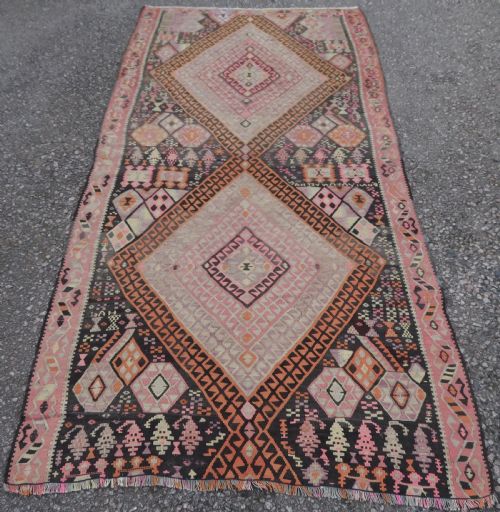
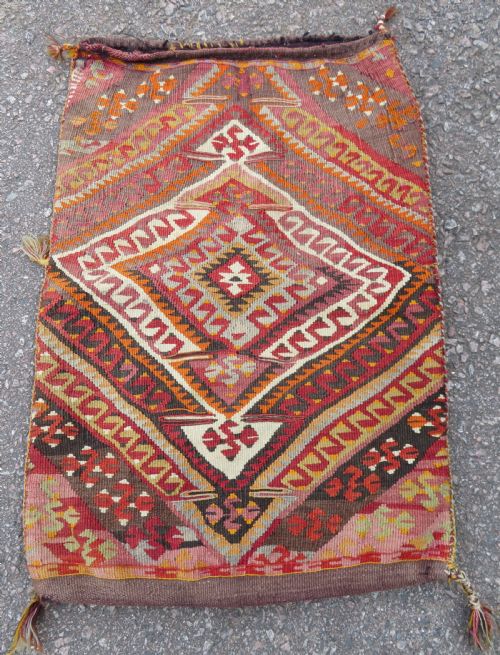
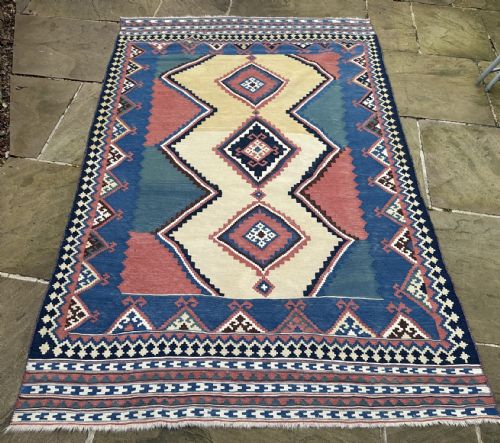
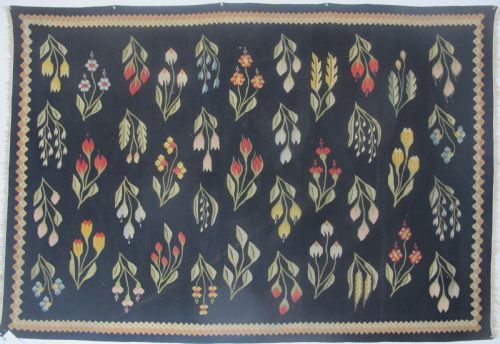
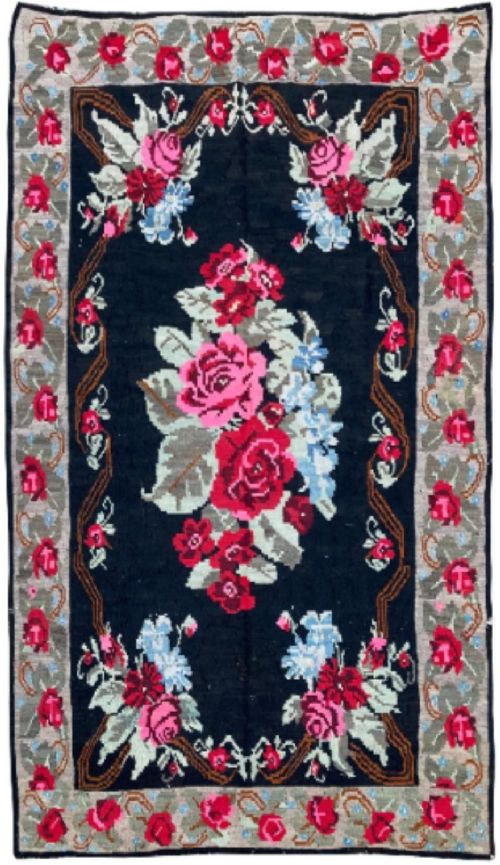
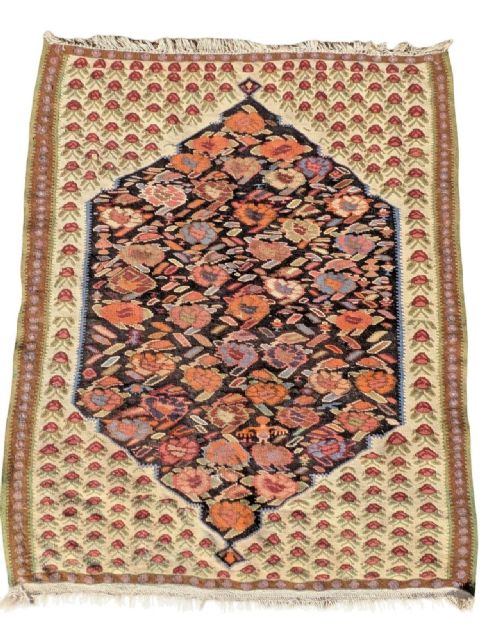
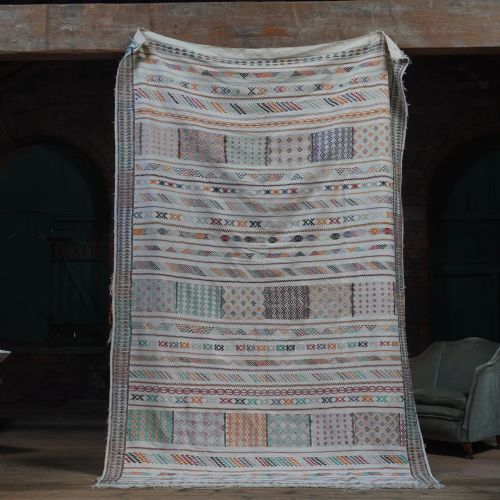
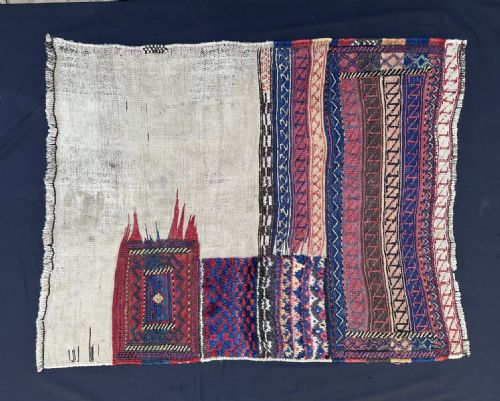
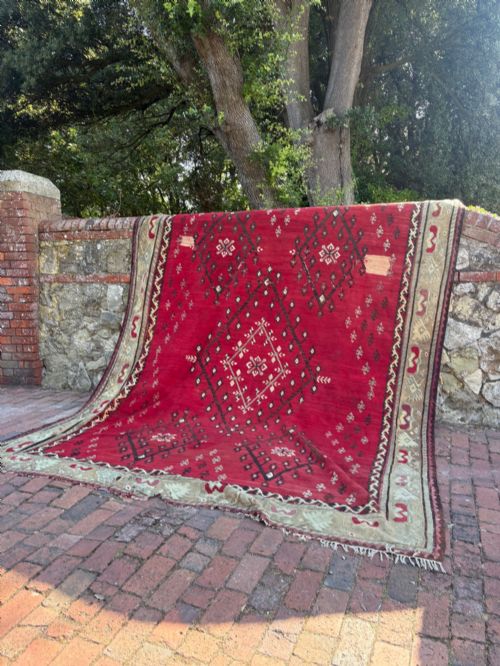
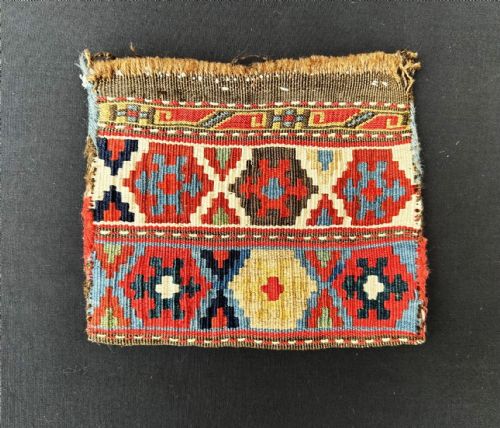
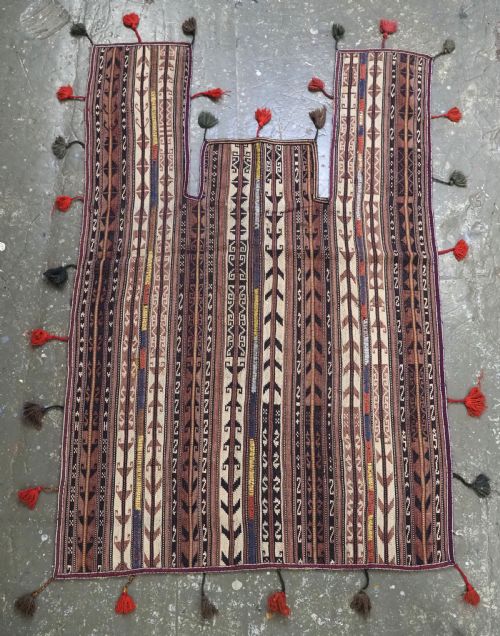
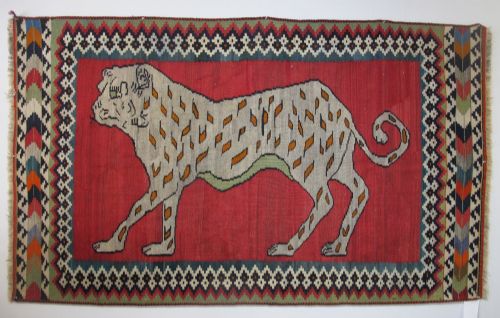
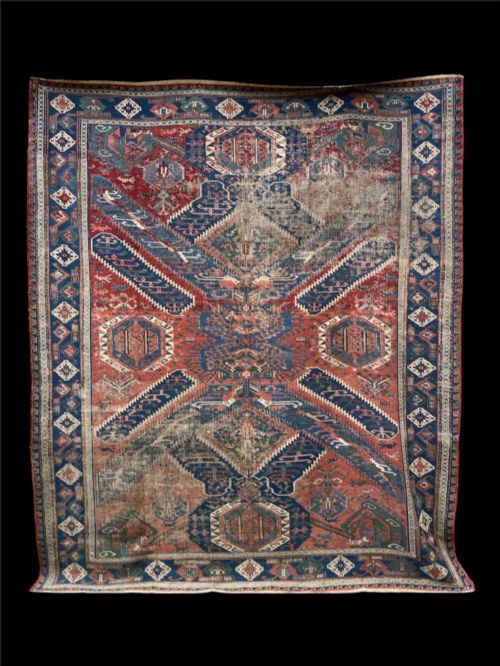
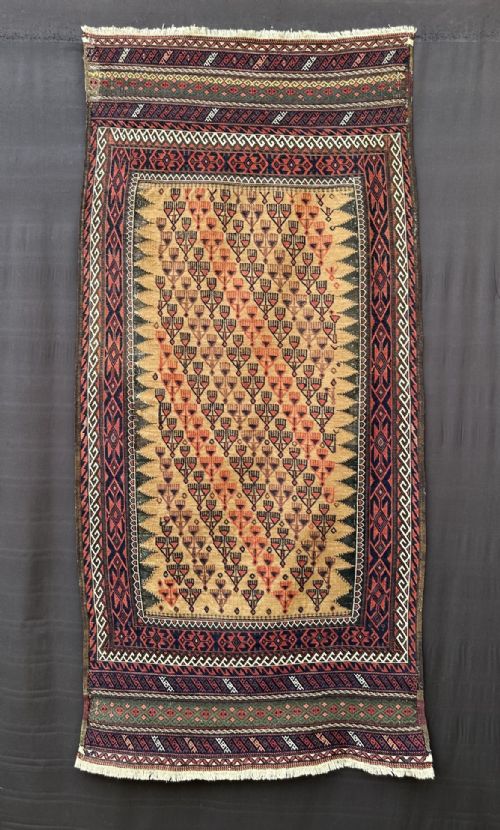
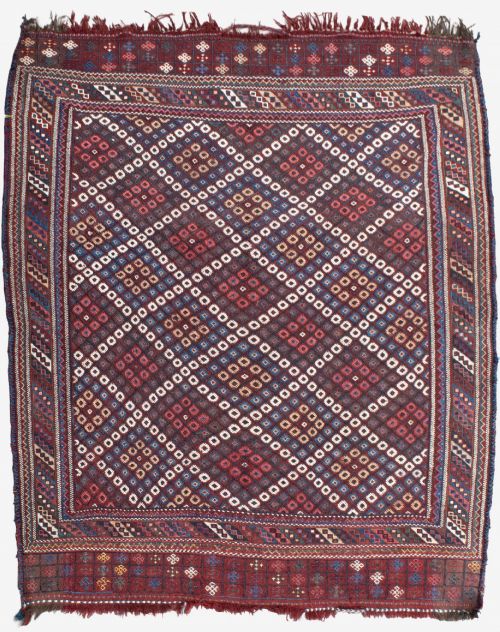
A vintage flatweave kilim search uncovers a diverse range of nomadic and tribal textiles, spanning from the late nineteenth century into the twentieth century. Buyers encounter utilitarian domestic objects such as bread sofrehs, saddle bags, and horse blankets alongside large floor carpets and room-size rugs. Originating from regions including Persia, the Caucasus, Anatolia, and Central Asia, these pieces showcase traditional geometric and floral motifs passed down through generations.
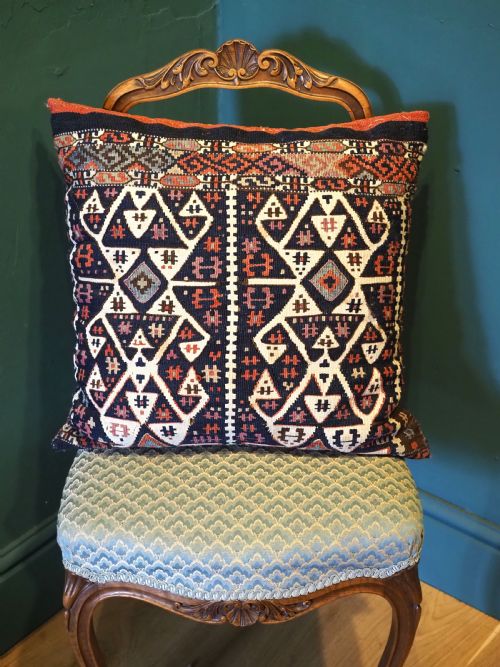
The most common formats on this page are runner rugs, rectangular carpets, and smaller tribal covers created by specific groups like the Qashqai, Shahsevan, and Lori-Bakhtiari nomads. Many items double as cushions or functional eating cloths, reflecting the daily domestic lives of their makers. Regional variations dictate the visual language, shifting from the bold medallions of Anatolian examples to the finely banded designs of Uzbek and Turkmen weavers.
How they were made
Weavers constructed these textiles primarily using hand-spun wool and cotton, often relying on natural dyes to achieve deep and enduring colour tones. The flatweave technique involves interlocking weft threads tightly over vertical warp threads, resulting in a smooth surface without a pile.
Alternative materials like cactus silk and sabra fibre appear in specific regional textiles, while goat hair occasionally reinforces the structural edges of bags and covers. Artisans utilised slit-taperting methods to create sharp geometric transitions in the pattern, a structural characteristic that defines the genre.
Some nineteenth-century nomad weavers embedded tiny protective amulets directly into the flatweave structure to ward off the evil eye.
What varies in quality
Quality rests upon the tightness of the weave and the precision of the geometric layout, which together dictate the structural integrity of the textile. Tighter tension in the weft compaction yields a sturdier fabric that withstands floor use over decades.
The depth and harmony of the natural dye palette also distinguish superior examples, as well-preserved pigments maintain their richness over time. Furthermore, the complexity of tribal iconography and the fineness of the knotless tapestry work separate standard domestic pieces from master-woven ceremonial items.
The Vintage Flatweave Kilim Glossary
- Kilim
- A flat tapestry-woven carpet or rug produced in countries of the former Persian Empire, the Caucasus, and Central Asia. These textiles lack a pile, making them lighter and distinct from knotted carpets.
- Sofreh
- A spread or cloth used traditionally for dining, kneading dough, or serving bread among nomadic tribes. They often feature specific tribal symbols and narrow rectangular formats.
- Sumak
- A Near Eastern technique of supplementary weft wrapping that produces a textured, braided surface on the face of the textile. It offers greater durability than standard flatweaving.
- Mafrash
- A large tribal storage bag or bedding chest panel woven in flatweave or sumak technique. Nomads utilised these for transport during seasonal migrations.
- Warp
- The stationary vertical threads stretched on a loom before weaving begins. The weft threads pass over and under these foundational lines.
Vintage Flatweave Kilim: Frequently Asked Questions
How were kilims used originally?
Nomadic tribes utilised these flatweaves as floor coverings, blankets, wall hangings, and functional containers for grain and bedding during seasonal migrations.
Smaller pieces served specialised domestic roles, functioning as dining cloths, saddle bags, and covers for ceremonial horses or household provisions.
How should I care for a vintage flatweave?
Vacuum these textiles gently with a suction-only attachment, avoiding rotating brush bars that can catch the flatweave threads. Professional textile cleaning is recommended for deep maintenance to protect natural dyes.
Using a quality rug underlay prevents slipping and reduces friction between the flatweave and hard flooring.
Can I use kilims as wall art?
Hanging a flatweave on a wall protects it from heavy foot traffic while showcasing the intricate geometric patterns and natural dyes as a visual focal point. Proper hanging methods distribute the weight evenly across the top edge rather than puncturing the fabric.